

Conservation (Fire) Camps Program

NEW! Youth Offender Camp Pilot Program
Expanding access to rehabilitation, training, and job development during a critical development stage.
Ventura Training Center (VTC)
TRAINING AT VTCFrequently Asked Questions
CAMP FAQsAssembly Bill 2147
AB2147 INFORMATION
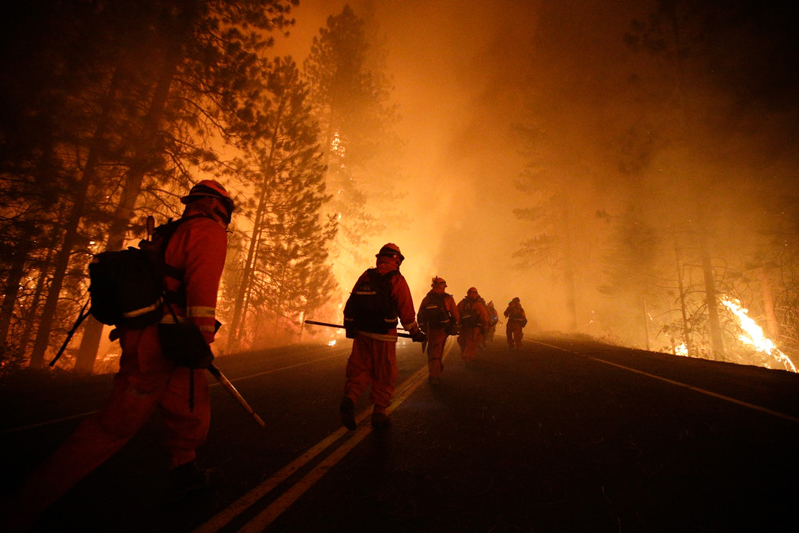
The primary mission of the Conservation (Fire) Camp Program is to support state, local and federal government agencies as they respond to emergencies including fires, floods, and other natural disasters. Additionally, hand crews respond to rescue efforts in local parks or flood suppression.
CDCR, in cooperation with the California Department of Forestry and Fire Protection (CAL FIRE) and the Los Angeles County Fire Department (LACFD), jointly operates 35 conservation camps, commonly known as fire camps, located in 25 counties across California. All camps are minimum-security facilities and staffed with correctional staff.
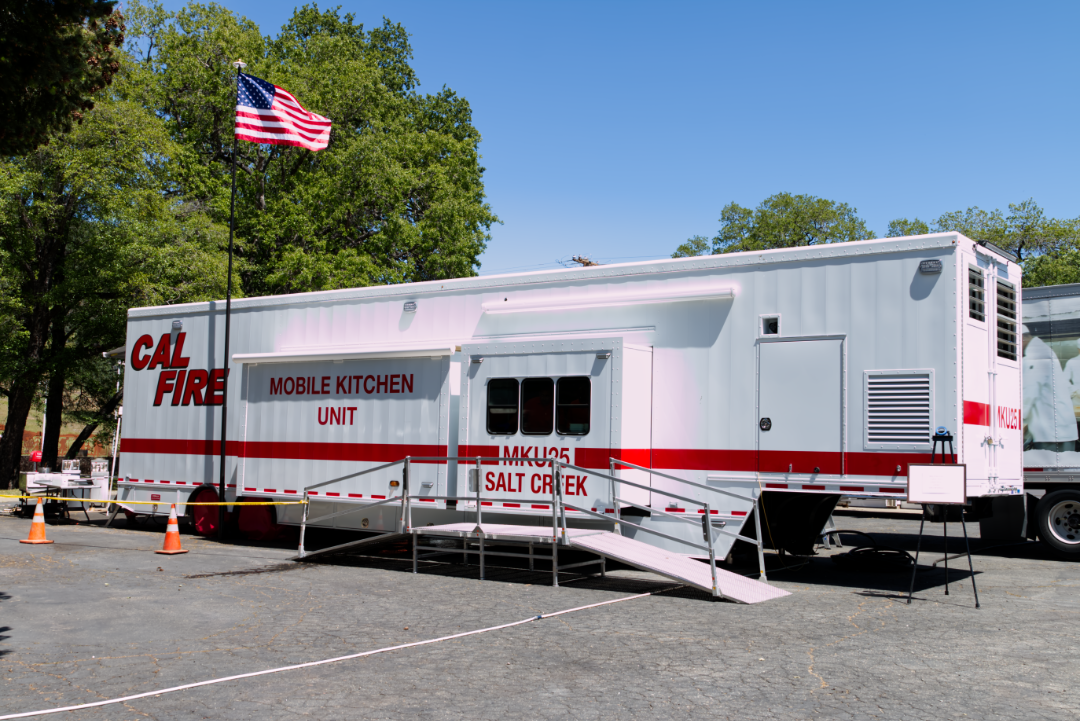
CDCR is responsible for the selection, supervision and discipline of camp participants. CAL FIRE maintains the camps, supervises the work of the hand crews, and is responsible for crew custody while on assignments.
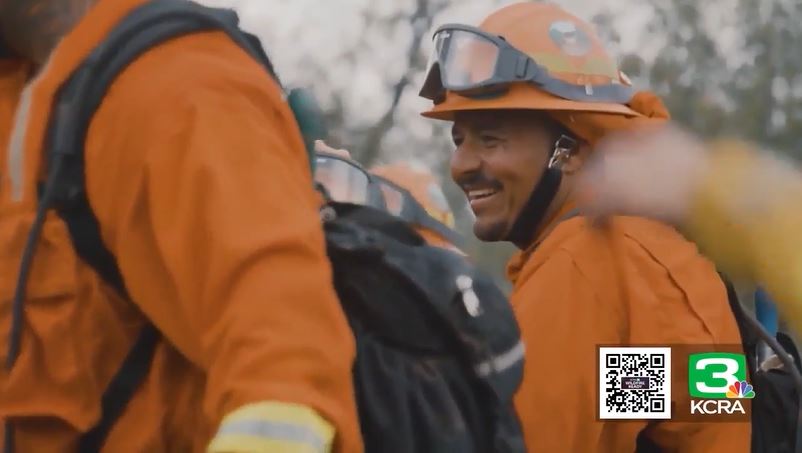
Crews are directly supervised 24 hours per day on work projects and while assigned to emergencies.
Find a Conservation Camp
In the News
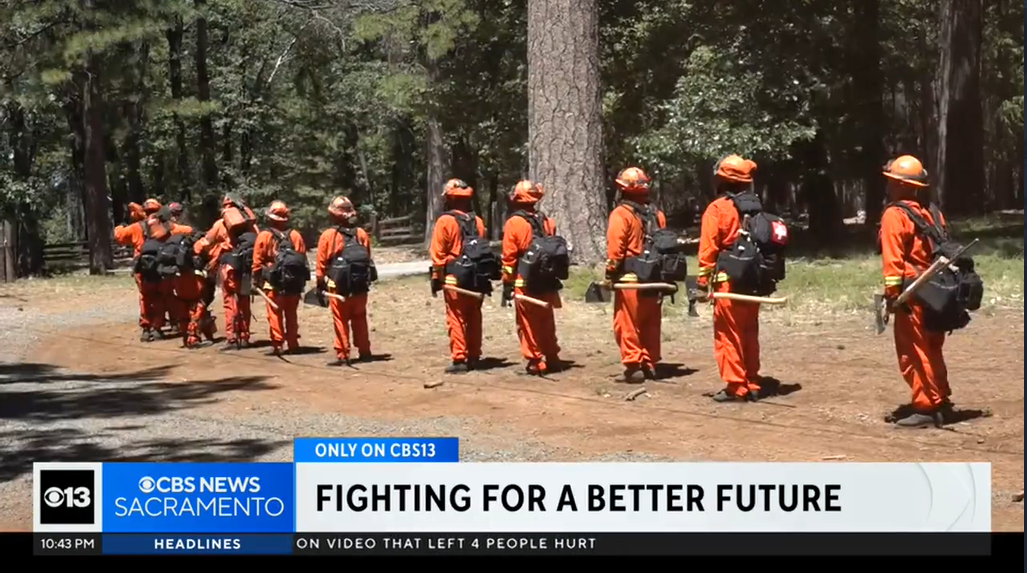
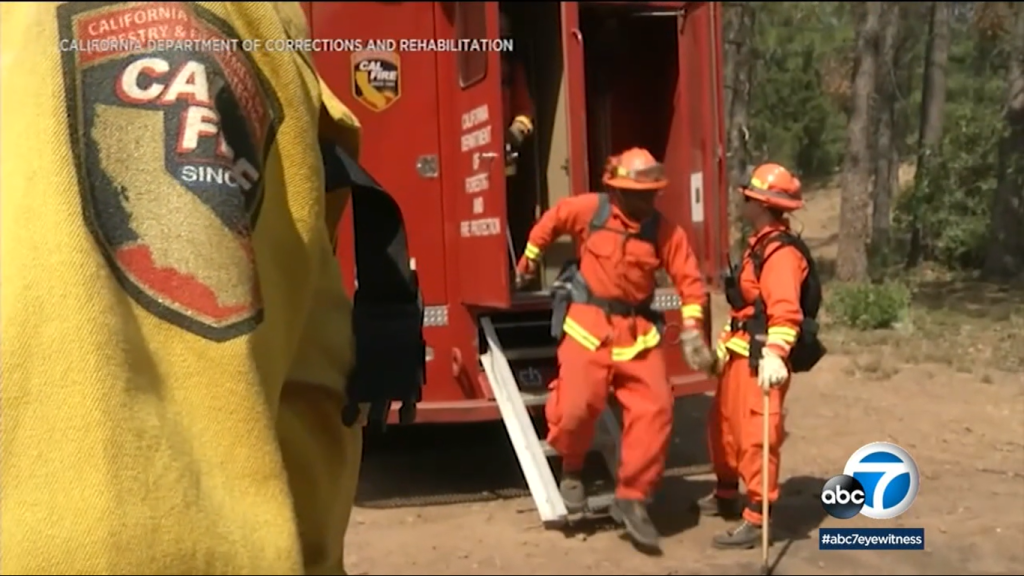
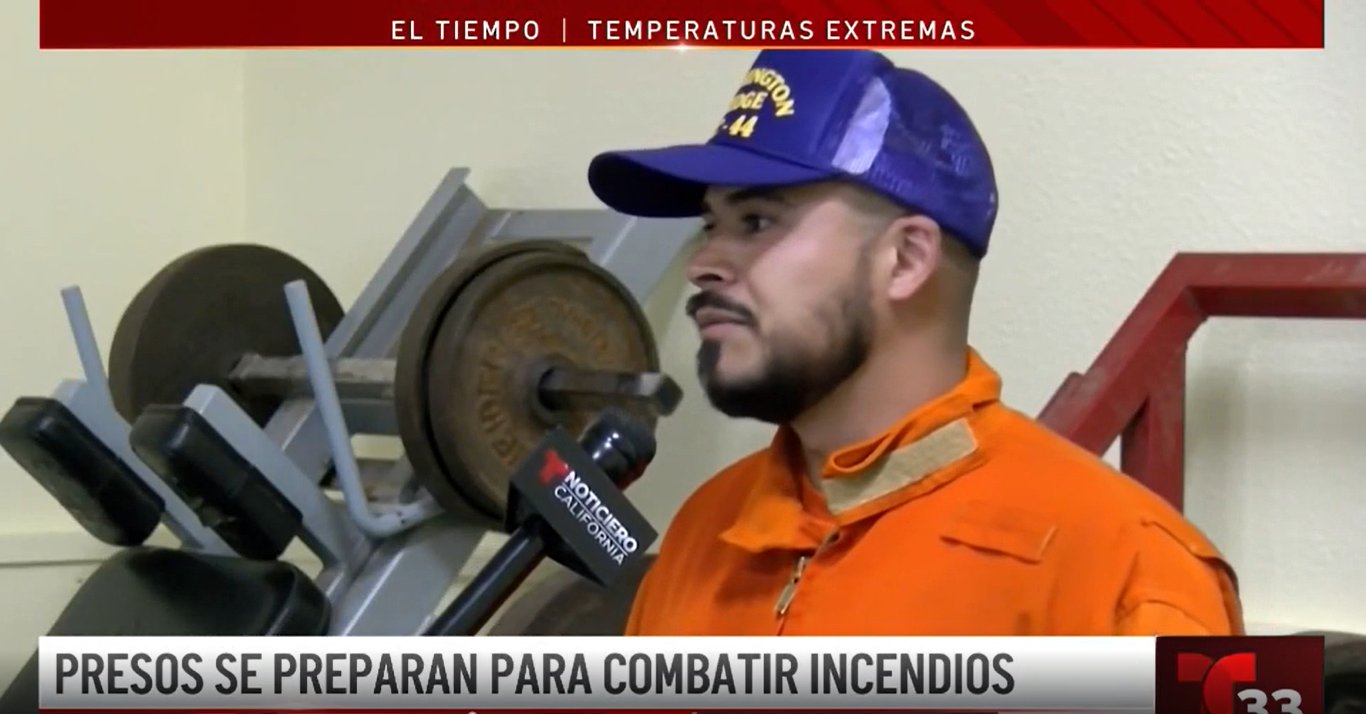
What is a Conservation (Fire) Camp?
CDCR initiated the Conservation (Fire) Camp Program to provide able-bodied incarcerated people the opportunity to work on meaningful projects throughout the state. The CDCR road camps were established in 1915. During World War II, much of the work force that was used by the Division of Forestry (now known as CAL FIRE), was depleted.
CDCR provided the needed work force by having incarcerated people occupy “temporary camps” to augment the regular firefighting forces. During WWII, were 41 “interim camps,” which would become the foundation for the network of camps in operation today. In 1946, the Rainbow Conservation Camp opened as the first permanent male conservation camp. Rainbow made history again when it converted to a female camp in 1983.
The Los Angeles County Fire Department (LAC), in contract with the CDCR, opened five camps in Los Angeles County in the 1980’s.
For more information, visit the Conservation (Fire) Camps FAQ page.
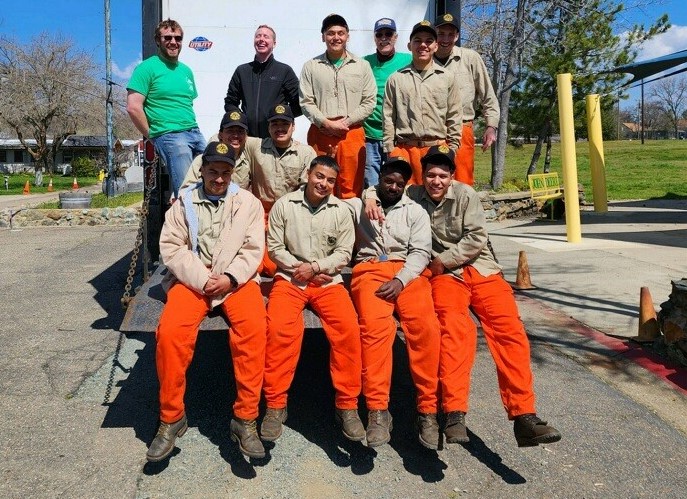
Featured Story
Pine Grove Youth Conservation Camp continues youth rehabilitation
Pine Grove Youth Conservation Camp supports rehabilitation while providing valuable peer support, ethics, and skills to its participants.
For more success stories featuring participants of the Conservation (Fire) Camp Program, read Inside CDCR.
Request Media
Contact the Office of Public and Employee Communications (OPEC) to request still photos or video of specific Conservation (Fire) Camps.


Visiting Information
Visiting can be a critical part of an incarcerated person’s rehabilitation. For more information, visit the Scheduling Visits at Conservation (Fire) Camps page.