

Fire Response
The California Department of Corrections and Rehabilitation (CDCR) is dedicated to providing rehabilitation services through our Fire Rehabilitation Programs that provide job training, new skills, and career pathways in public service.
In cooperation with the California Department of Forestry and Fire Protection (CAL FIRE) and the Los Angeles County Fire Department (LACoFD), CDCR jointly operates 30 Conservation (Fire) Camps, commonly known as Fire Camps. Located in 25 counties across California, these minimum-security facilities are staffed with correctional staff and provide critical emergency response support and forestry fuel abatement.
The California Department of Corrections and Rehabilitation Fire Department (CDCR FIRE) operates 22 institution firehouses staffed by Correctional Officers and Incarcerated Firefighters to support the safety and security of our institutions and local communities.
CDCR FIRE is an all-hazards fire department responsible for protecting and safeguarding CDCR infrastructure, staff, the incarcerated population, and local communities.
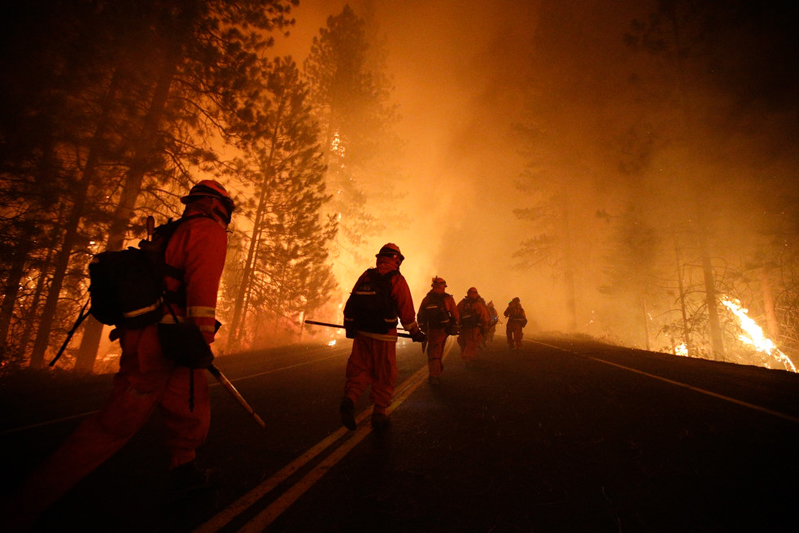
HAND CREWS AVAILABLE THIS WEEK:
Oct. 19, 2026
2,052 incarcerated individuals reside at conservation (fire) camps
HAND CREWS CURRENTLY DEPLOYED:
Currently, there are 16 crews assisting CAL FIRE. To see the latest wildfires burning across California, visit the CAL FIRE incident map.
CDCR Fire Rehabilitation Programs Lead to Successful Reentry and Career Opportunities

517
participants accepted into the Ventura Training Center since 2018

237
graduates completed the enhanced firefighter training and certification program

231
have gained employment with local, state, and federal fire agencies
CDCR FIRE vs. Conservation (Fire) Camps
CDCR FIRE
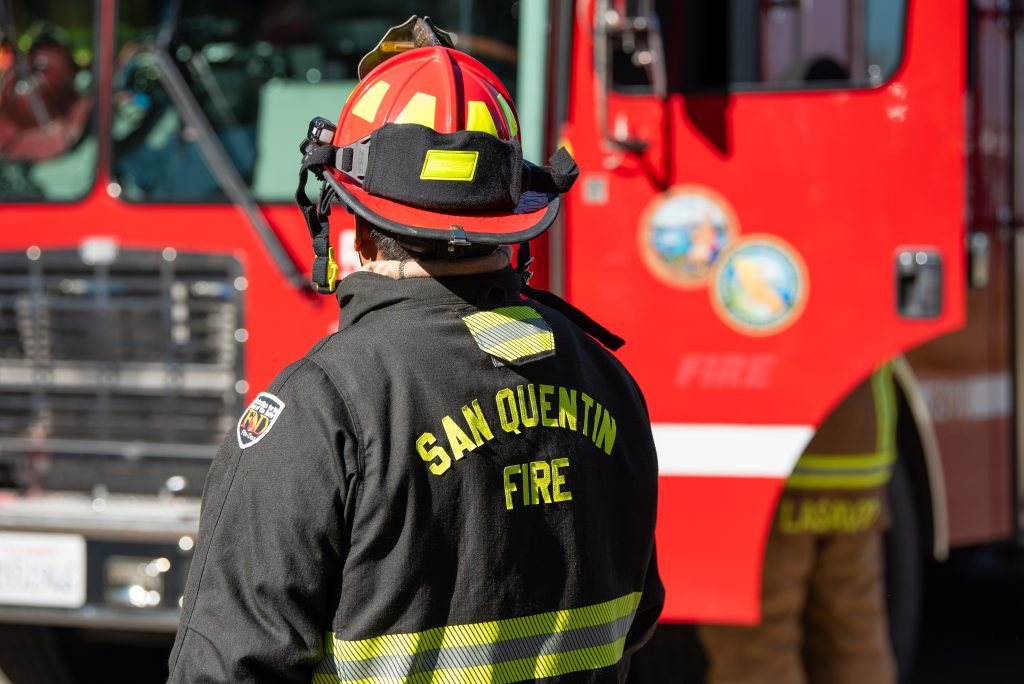
Institution firehouses support the institution’s safety and the local communities they are within, responding to mutual aid requests from local fire districts.
Institution firehouses are staffed by a Correctional Facility Fire Chief, Correctional Fire Captains, and Incarcerated Firefighters.
Conservation (Fire) Camps
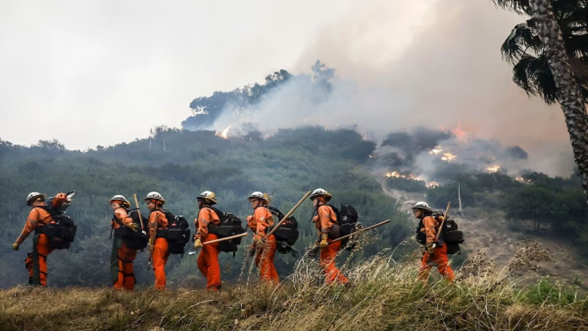
CDCR, in cooperation with the California Department of Forestry and Fire Protection (CAL FIRE) and the Los Angeles County Fire Department (LACFD), jointly operates 35 conservation camps, commonly known as fire camps. Located in 25 counties across California, all camps are minimum-security facilities and staffed with correctional staff.
CDCR initiated the Conservation (Fire) Camp Program to provide able-bodied incarcerated people the opportunity to work on meaningful projects throughout the state.
Request Media
Contact the Office of Public and Employee Communications (OPEC) to request still photos or video of specific Conservation (Fire) Camps or Institution Firehouses.
News from Inside CDCR
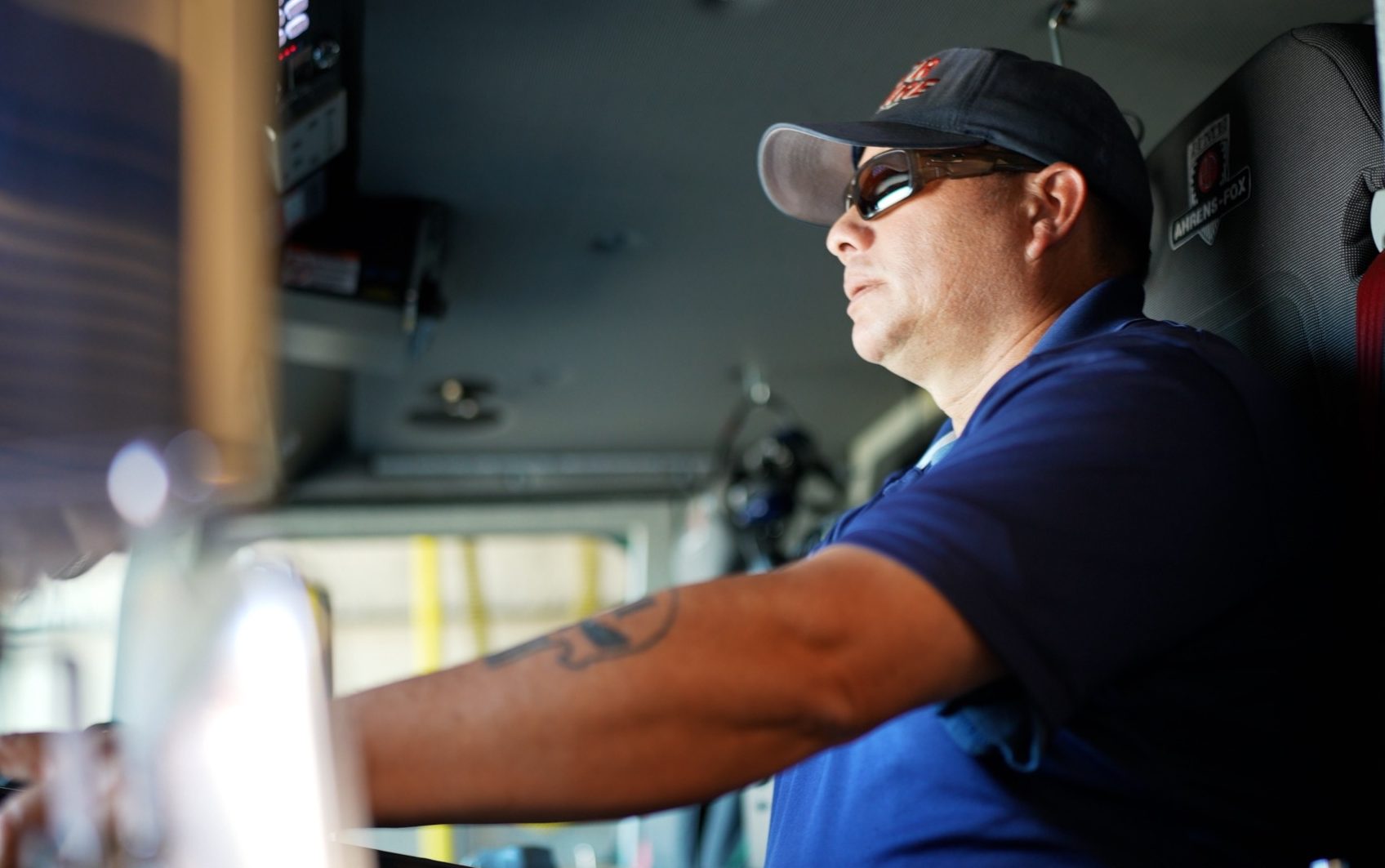
CCWF Fire Captain Ries is making a difference
While CDCR firehouses and camps are battling fires across California, Inside CDCR caught up with Fire Captain Robert Ries, a…
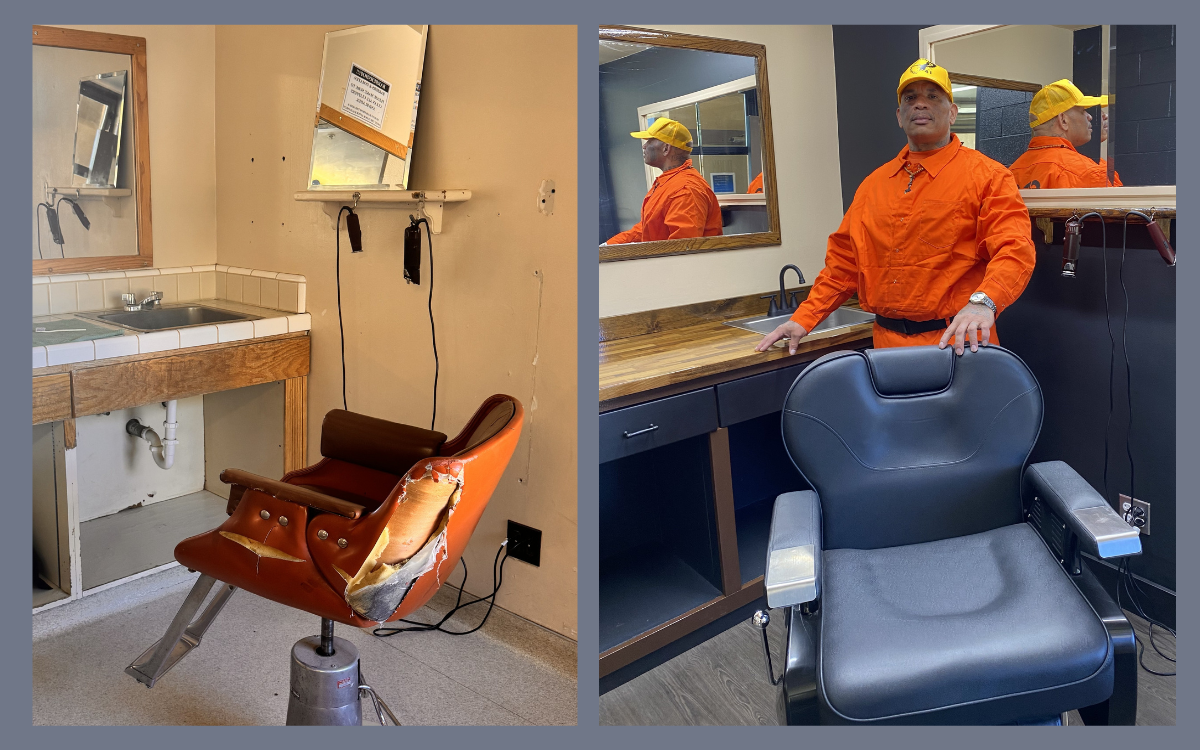
While rebuilding barbershop, camp participant rebuilds self
A participant at Fenner Canyon Conservation Camp #41 rebuilt the barbershop while ultimately rebuilding himself. At the camp in Valyermo,…

In historic first, 8 incarcerated students earn forestry degrees
For the first time in the state, eight incarcerated students have earned associate of science degrees in forestry, marking the…