

CDCR FIRE
Our Mission
The mission of CDCR FIRE is to protect and safeguard CDCR infrastructure, staff, incarcerated population, and local communities. This mission is accomplished by responding to emergencies within institutions and responding to mutual aid requests from community partnerships and agreements.
CDCR FIRE is an all-hazards fire department, collectively responding to emergency calls for residential and commercial structure fires, wildland and vegetation fires, vehicle accidents, medical aids, and hazardous materials.
Frequently Asked Questions
Read about how the CDCR FIRE Incarcerated Firefighter Rehabilitation Program (IFRP) supports rehabilitation through vocational training, education, and teamwork.


Find a CDCR Firehouse
Learn More- Previous slide
- Next slide
2025 KEY METRICS

22
CDCR firehouses at institutions across California

~10,000
emergency calls responded to by CDCR firehouses across the state

517
firefighters and hand crew members transitioning to VTC since 2018
2025 EMERGENCY CALLS
In 2025, CDCR FIRE received approximately 10,000 emergency service calls. Mutual aid requests accounted for 75 percent of the emergency service calls received.
The top three firehouses that responded to the most significant amount of calls are:
Central California Women’s Facility
1,459 total emergency calls
California Medical Facility
882 total emergency calls
Sierra Conservation Center
716 total emergency calls
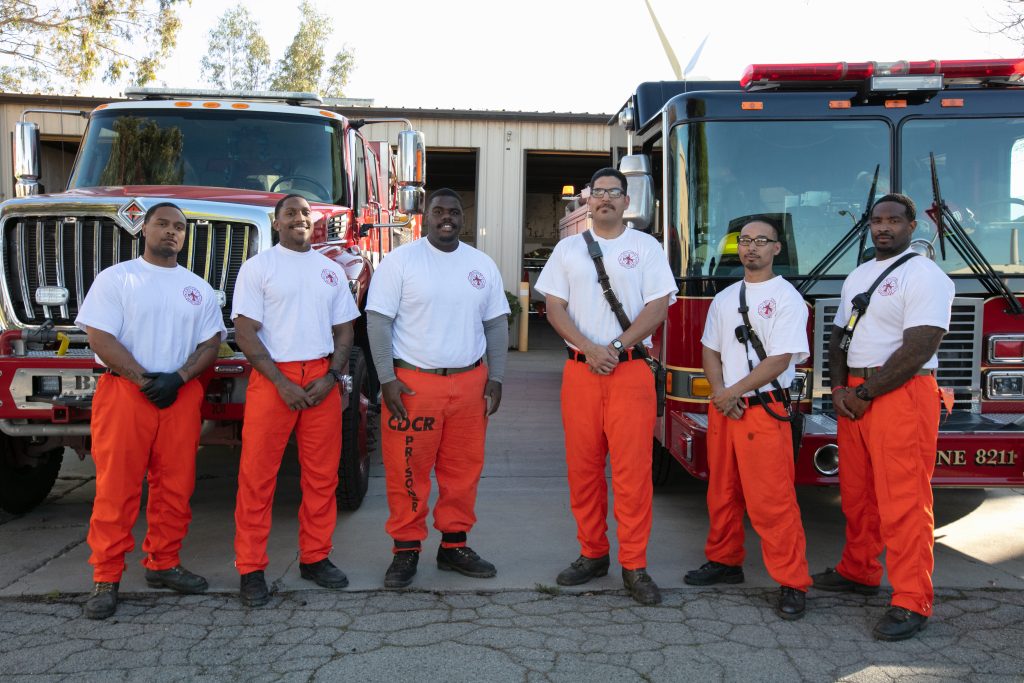
CDCR FIRE Incarcerated Firefighter Rehabilitation Program
The CDCR FIRE Incarcerated Rehabilitation Program (IFRP) offers a full view of the fire service in an all-hazards firehouse.
Incarcerated firefighters are housed within the firehouse, learning and experiencing fire service operations 24 hours per day.
The voluntary program is designed to teach discipline, work ethic, professionalism, integrity, public service, and firefighting. Demanding academically and physically, the CDCR FIRE Incarcerated Rehabilitation Program aligns with basic public fire academy curriculum. Participants receive certifications in Public Safety-First Aid, CPR and Automated External Defibrillator (AED) use.
History of CDCR FIRE
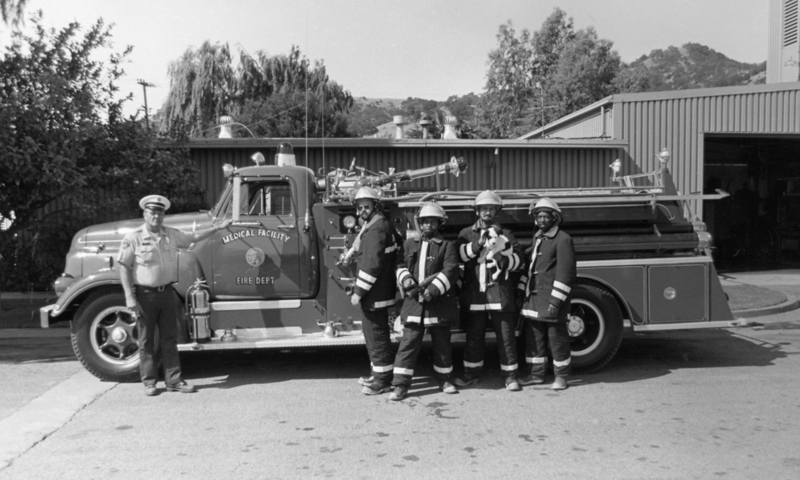
The first established prison by the California Department of Corrections and Rehabilitation was formerly San Quentin State Prison, now San Quentin Rehabilitation Center (SQRC) in 1852.
It stands then that the first CDCR firehouse was built at SQRC in 1928, with the goal of establishing an internal emergency response to fires within the institution. The firehouse was originally staffed by civilian firefighters and incarcerated firefighters from San Quentin.
Proving to be an effective approach, Folsom State Prison followed this concept and opened their firehouse in 1932. Other institutions followed suit, leading to the opening of the 22 institution firehouses operating today.

Stories from Inside CDCR
CCWF Fire Captain Ries is making a difference
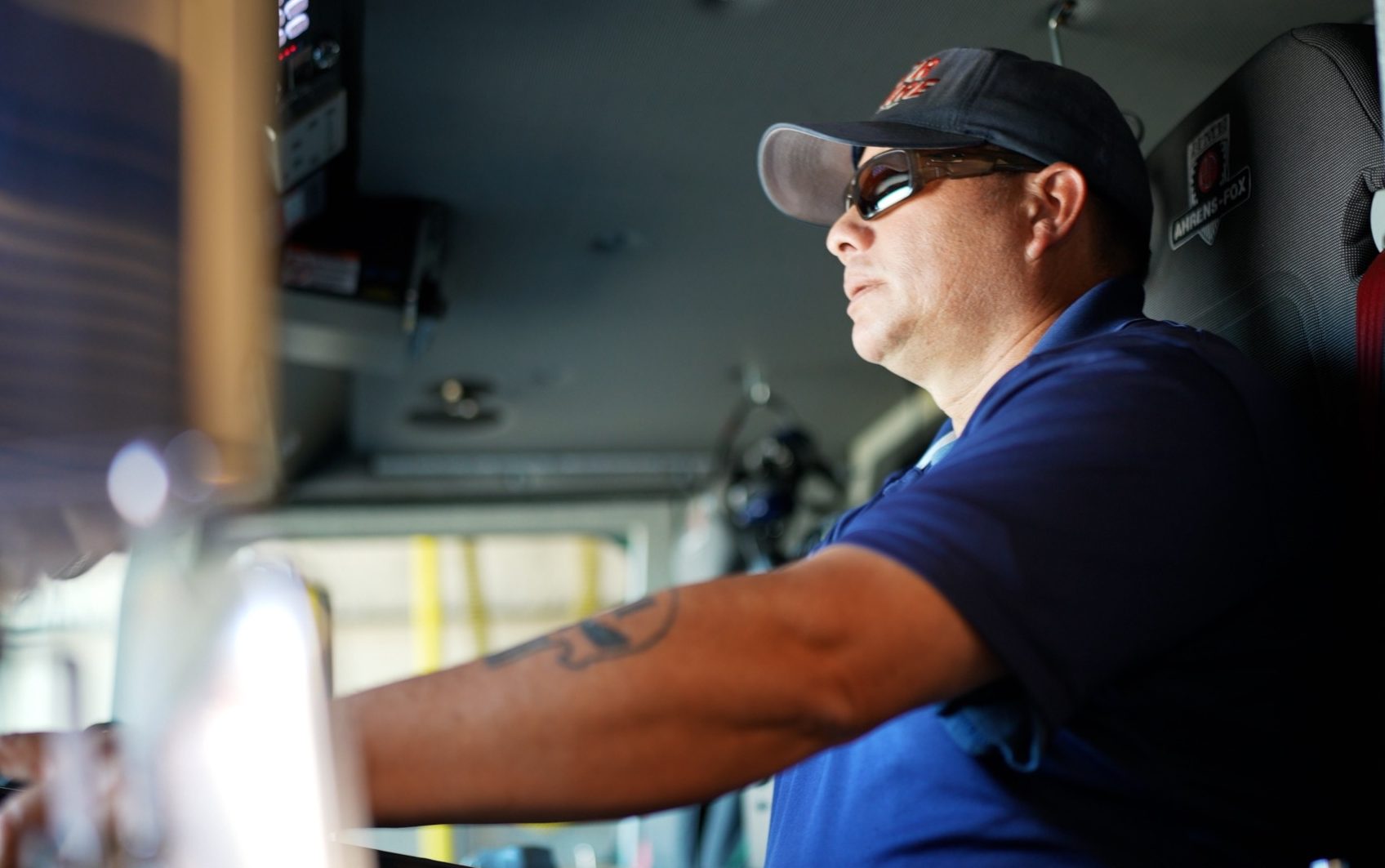
While CDCR firehouses and camps are battling fires across California, Inside CDCR caught up with Fire Captain Robert Ries, a…
While rebuilding barbershop, camp participant rebuilds self
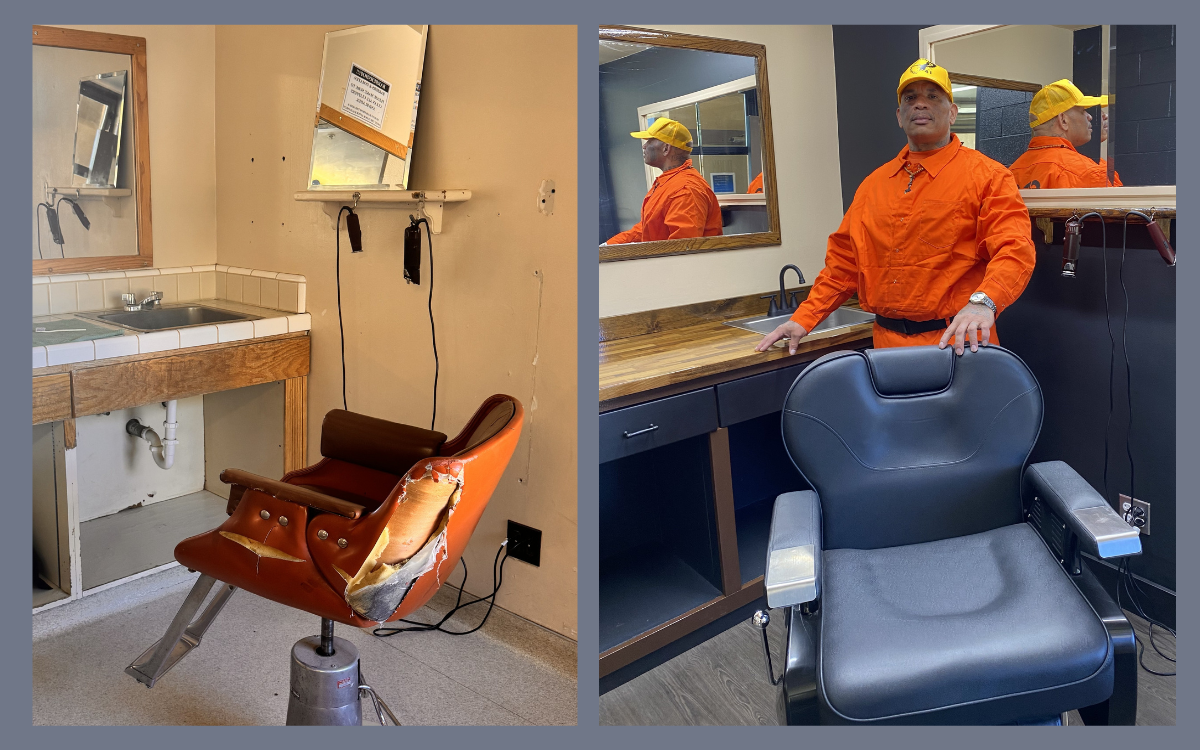
A participant at Fenner Canyon Conservation Camp #41 rebuilt the barbershop while ultimately rebuilding himself. At the camp in Valyermo,…

In historic first, 8 incarcerated students earn forestry degrees
For the first time in the state, eight incarcerated students have earned associate of science degrees in forestry, marking the…
In the Media
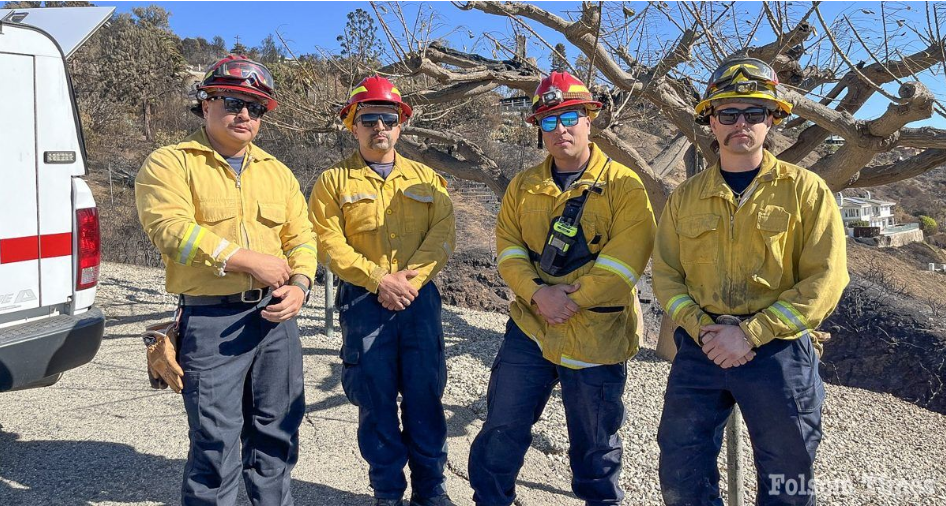
Folsom amongst CDCR strike team assisting with LA fires, recovery
A specialized strike team from the California Department of Corrections and Rehabilitation (CDCR) has joined more than 75,000 firefighters in battling relentless wildfires across Southern California. Read More.
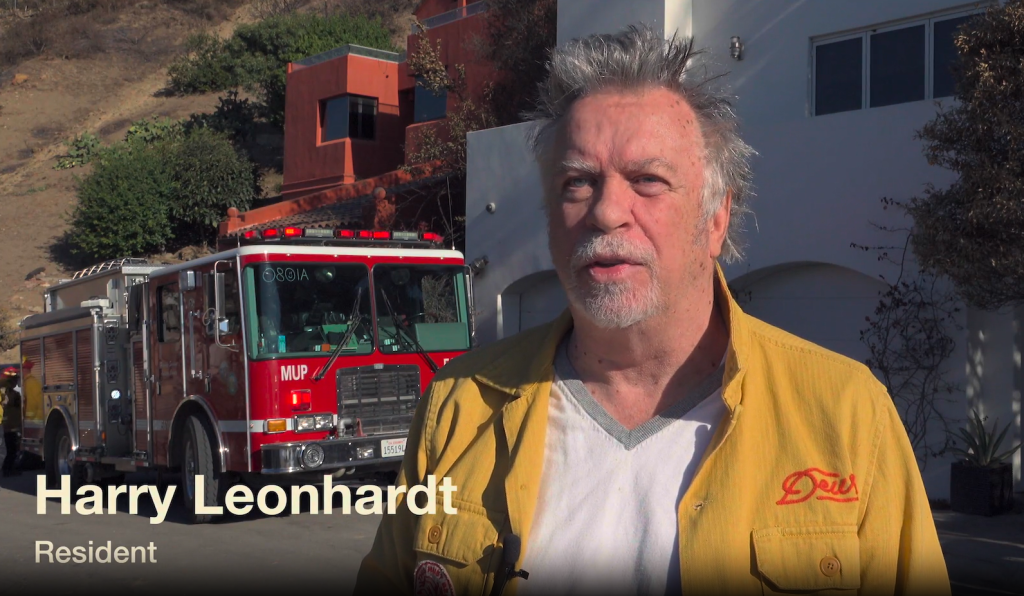
‘Like the cavalry showing up’: CDCR strike team rescues resident trapped by L.A. wildfires
A specialized 21-person CDCR strike team, which deployed to the Palisades Fire, rescued a man trapped outside his home and brought relief to those unable to evacuate. Read More.
Resources
Fire Response
An overview of CDCR’s fire rehabilitation programs.
Ventura Training Center
Formerly incarcerated hand crew members can continue their professional education after release.
Assembly Bill 2147
A law that allows former non-violent incarcerated people who participated in a CDCR conservation camp to have their records expunged.