

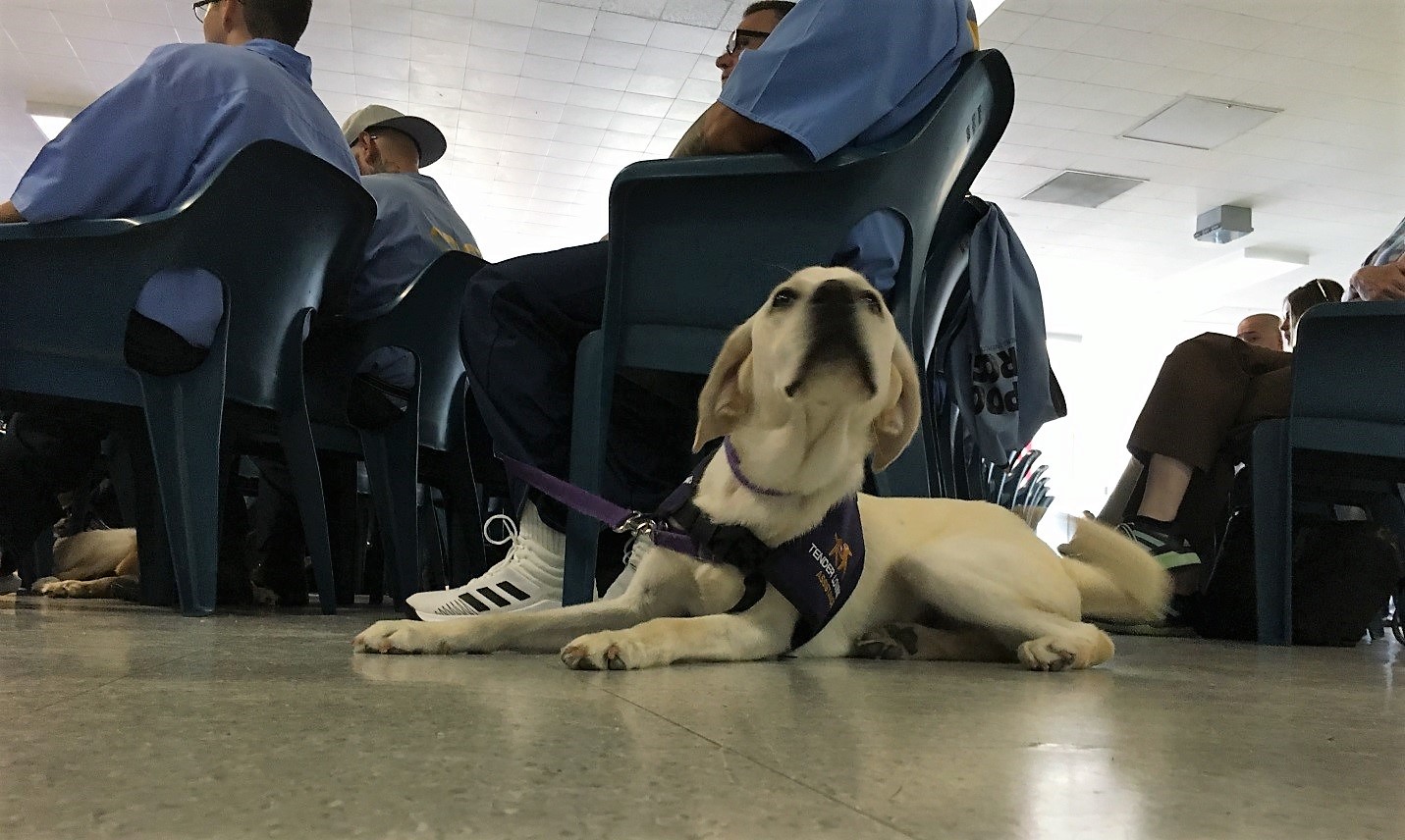
While the main focus of Inside CDCR is the employees, the site is a public-facing webpage. Stories, photos or videos posted to Inside CDCR are visible to anyone. We try to make the submission process as easy as possible.
First, make sure the story is approved before submitting it to Inside CDCR. How? By following your chain of command or office structure. Stories received by PIOs are assumed to be pre-vetted for publication. Our staff will edit those stories for length, grammar and clarity, but the core information needs to be pre-approved before submission.
What should stories include?
Stories should provide the basics: who, what, when, where, why and how.
Submit photos as separate email attachments. People in those photos should be identified by rank or title, first and last names, from left to right. Do not embed the photos in Word documents or PDFs since it reduces photo quality. If the photos are too large to send in one email, send them in multiple emails.
Videos are required to be captioned, preferably horizontal (turn your phone sideways), and no larger than 95MB in size. They should not exceed three minutes in length. Contact us for ways to send the videos.
Inside CDCR is always looking for positive stories about employees, institutions and the incarcerated population (especially rehabilitation focused).
Story ideas:
- Maybe there is a staff member who has an interesting hobby. We’ve highlighted singers, authors, hunters, photographers and others who use their hobbies to achieve work-life balance.
- Highlight staff who have gone above the call of duty to help others either through life-saving actions or volunteerism in the community.
- Explore Inside CDCR and the various categories (shown on the left side of the home page) to get more ideas.
If photos show incarcerated people, we need to have a media release form signed by them. The Office of Legal Affairs also requests staff sign media release forms.
Photos and story length
What works best: 300 words with three to five photos showing different actions or angles. Ensure at least one photo is horizontal and high quality to act as the featured image.
Quick tip on photos: Your eye automatically crops what it sees, but your camera doesn’t. Look at your photo framing with a critical eye. Are garbage cans, restroom doors, or signs behind the subjects? How much of your photo is ceiling, sky or roof? How much space in your photo is devoted to the floor, yard, parking lot, or ground? Get closer to your subjects. We will crop photos for you, but it’s always best to submit quality photos. Also, if you take photos of people in a room while they are standing in front of a window or open door, the photo will not reproduce well.
Oversized check presentations should not be the focus of your photos. If there was a special event fundraiser for the check, include those photos as well. Check-presentation photos are generally skipped over by readers who prefer to see “real people doing real things,” rather than stiffly posed people holding a cardboard check.
Send stories to Don Chaddock and Emily Idleman (emails found in Global).



Follow CDCR on YouTube, Facebook, X (formerly Twitter). Listen to the CDCR Unlocked podcast.