

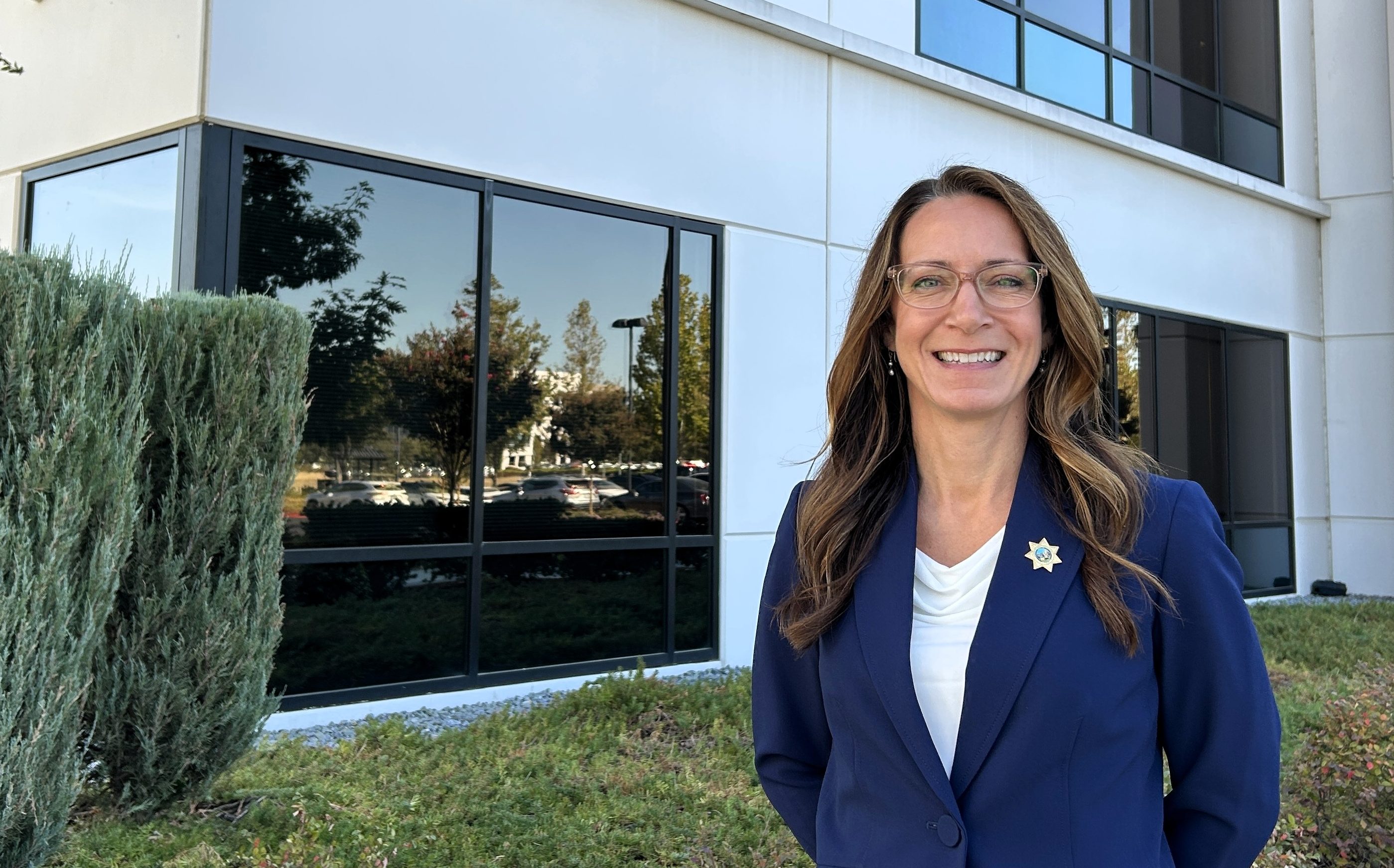
Special Agent Michelle Gregory has been in law enforcement for over two decades, originally working at the California Department of Justice (DOJ). In April 2020, with only four years left until she’s eligible to retire, she chose to join CDCR.
She laterally transferred from DOJ to CDCR’s Office of Correctional Safety. Now she’s assigned to the Criminal Intelligence Analysis Unit in Financial Crimes.
Inside CDCR caught up with Special Agent Gregory to discuss her career.
Background in investigations help Agent Gregory
“I began my career at DOJ working narcotics, undercover assignments, computer crimes (child pornography, identity theft, financial crimes), training coordinator duties, drug endangered child investigations, Campaign Against Marijuana Planting, task forces, and recycle fraud,” she explains. “I joined CDCR because I was looking for a new challenge. The Criminal Intelligence Analysis Unit checked all those boxes.”
She’s found there is a common misconception about working for CDCR.
“Most people think we all work inside prisons. They don’t realize CDCR has so many different specialized units consisting of Special Agents working investigations in the field. What I love about CDCR is not only the camaraderie and being part of a team no matter where my work takes me, but I love the work I do. It sounds cliché, but it’s true.”
Helping solve financial crimes is challenging and rewarding, she said.
“The investigations I work are at times complex, but also interesting. Financial crimes means delving into the source behind someone’s criminal activity. It’s not only following money trails but putting together where the funds are coming from and going to. You’re also looking into how the funds are being used and identifying the sources of criminal activity. “
She said a common theme of crime is simple: money.
“Money drives everything. In the almost two years I have been with CDCR, I have worked several financial cases ranging from EDD fraud to conspiracies involving shell companies, fraudulent documents, and identity theft,” Gregory said.
An average day for an OCS special agent
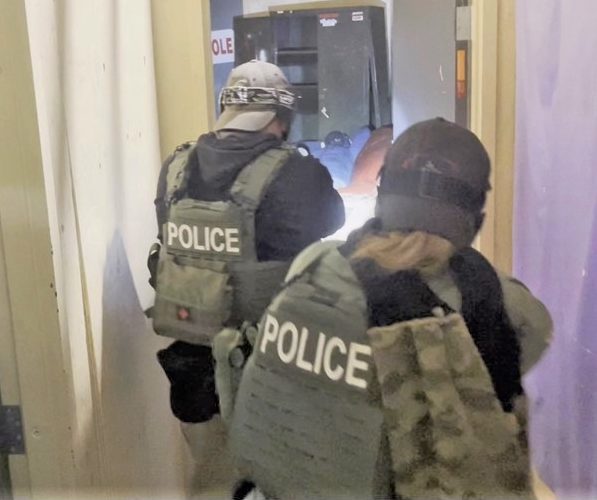
“A typical work day for me involves writing search warrants, sometimes several in a week or month. I’m also listening to phone calls, including on contraband phones seized and forensically extracted. I’m usually writing reports, researching information and following up on leads,” she said.
Building networks and connections with District Attorney’s Offices and federal partners is also part of the job.
“Depending on the status of my investigations, I am typically writing arrest warrants for inmates and their civilian facilitators or conducting surveillance. In addition to this, I have been able to build relationships with correctional officers and investigators within CDCR institutions, allowing for better information sharing and collaboration,” Gregory said.
Teamwork and public interaction
“While this job involves a lot of paperwork, we also are able to interact with the public. OCS is great in that I can reach out to other agents statewide for assistance with my cases, and they are always willing to help,” she said.
What advice would she give women interested in becoming OCS agents?
“Reach out to those of us already working here and take training classes in the areas that interest you. If you’re in a correctional facility, think about applying for a position with the Investigative Services Unit (ISU) to gain investigative experience,” Gregory said. “I believe in mentoring others who are interested in working within OCS. We all have something to pay forward and teach to the next group of women who want to work here. As a wife, mother and Special Agent, I want to tell other women within CDCR, don’t be afraid to branch out, challenge yourself and try something new.”
By Don Chaddock, Inside CDCR editor


See more stories highlighting CDCR/CCHCS staff.
Follow CDCR on YouTube, Facebook, X (formerly Twitter).
Related content

Centinela holds first Dodgeball Tournament
The first Centinela State Prison Dodgeball Tournament was held as a fundraiser for Officer Aguilar, a staff member battling illness.…
After 29 years, Undersecretary Barretto prepares for retirement
Jennifer Barretto has committed nearly 30 years to public service in California, contributing to the success of corrections and rehabilitation.…
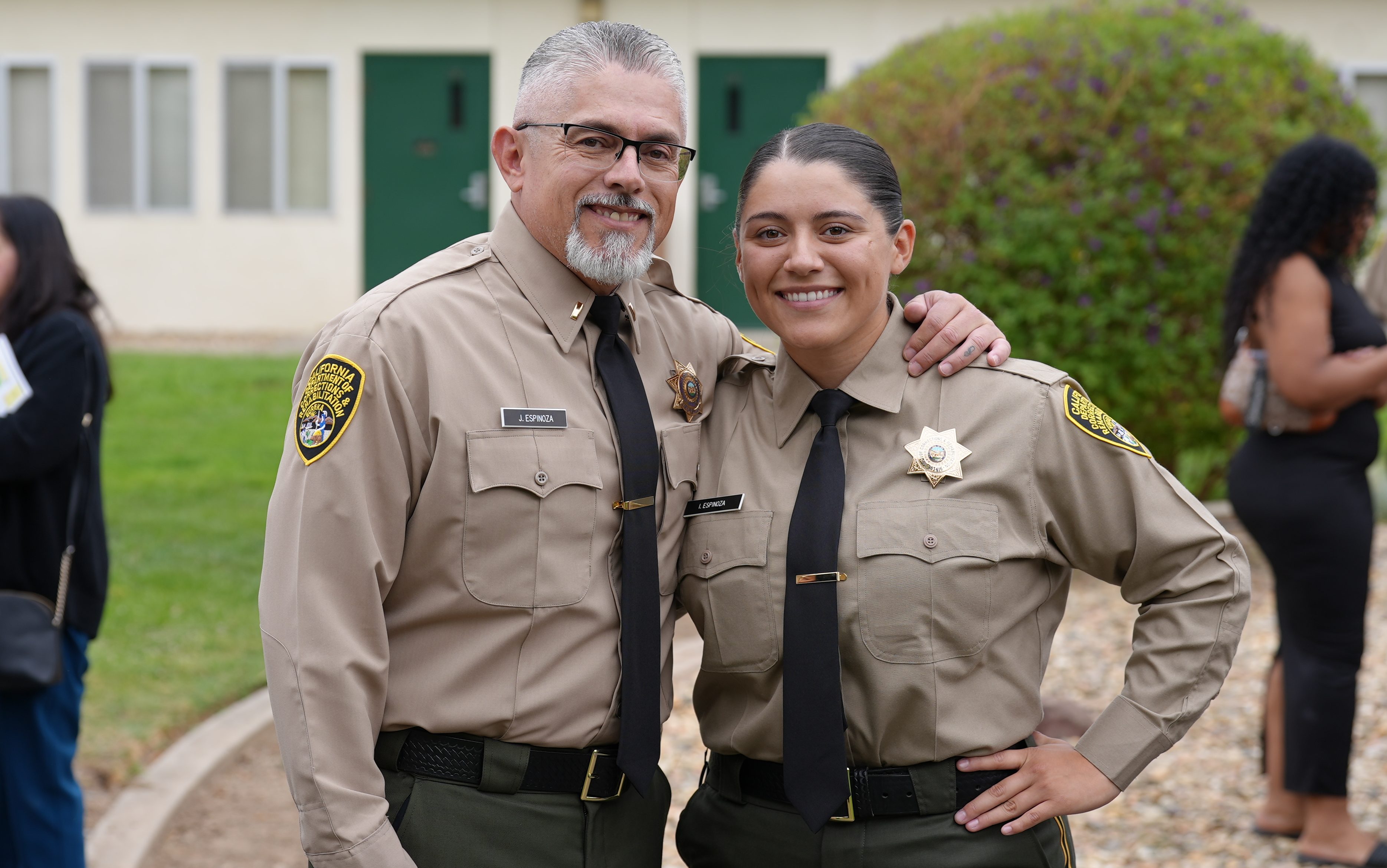
Espinoza begins CDCR career same day her father retires
Editor’s note: Isabella Espinoza graduated the academy with Class 3-26A, beginning her CDCR career the same day her father retired…
LAC hosts Suicide Awareness Month events for staff
California State Prison-Los Angeles County (LAC) staff participated in multiple initiatives to highlight Suicide Awareness Month. The observances and activities…

Pelican Bay hosts annual Employee Appreciation Day
The annual Employee Appreciation Day at Pelican Bay State Prison (PBSP) in Crescent City brought staff together for camaraderie, competition…

CHCF thanks staff through third annual automotive show
The California Health Care Facility (CHCF) in Stockton recently hosted its third annual automotive show. This event provides staff with…