

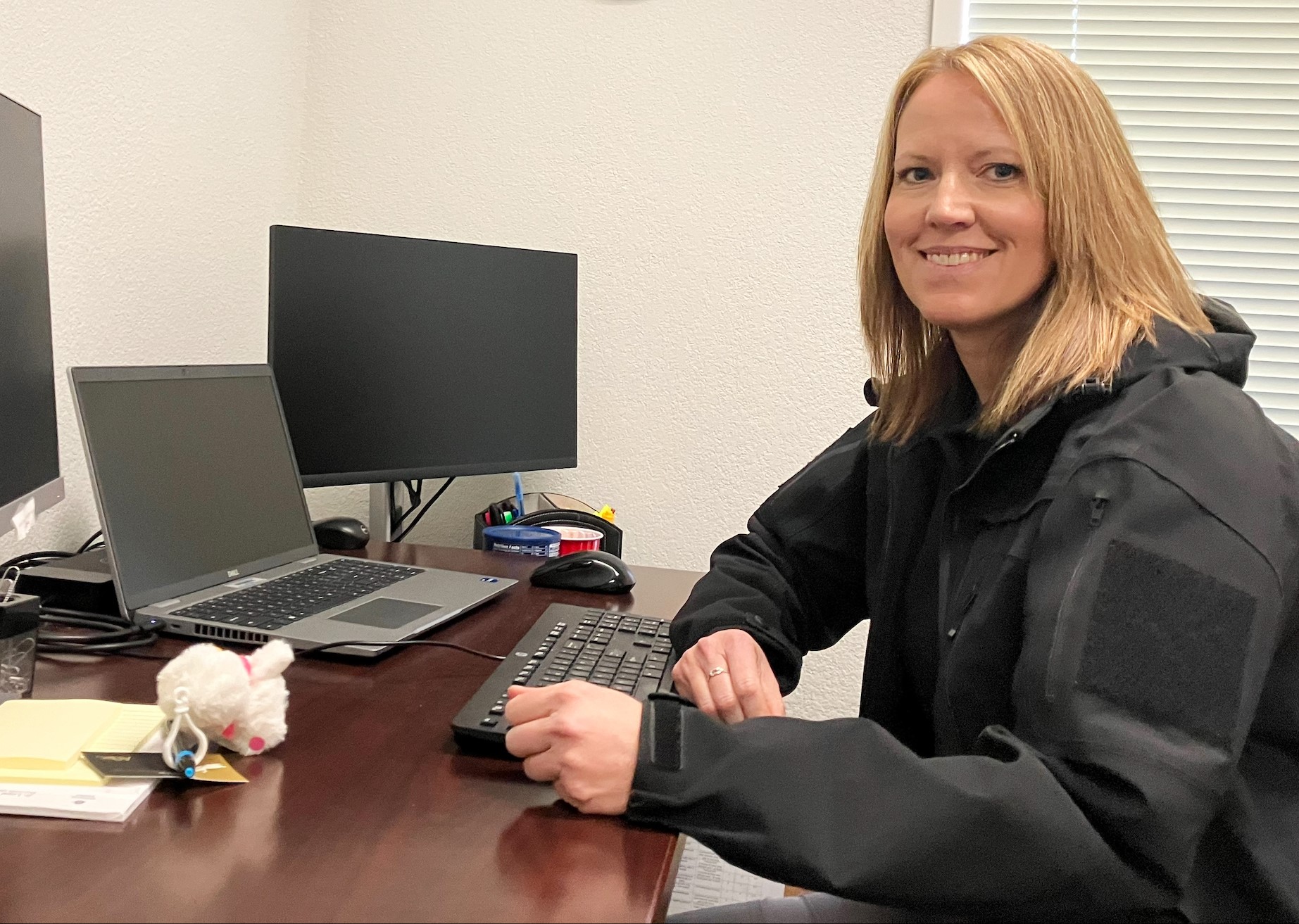
(Editor’s note: In honor of Women’s History Month, Inside CDCR is highlighting Parole Agent Kristen Blehm.)
Kristen Blehm has served her community for over 25 years, first as a police officer and now as a parole agent. She is one of a team of agents, clinical social workers and others who work in the Redding Parole Unit.
Inside CDCR sat down with Agent Blehm to talk about her career, what it’s like working in a rural parole office and the difference between being a police officer and a parole agent.
A Day in the Life of Parole Agent Kristen Blehm
She begins her day checking the movements of those on ankle-bracelet monitored parole.
“I work GPS, sex registrants, so I monitor where they went the day before,” Blehm explains.
She said the GPS tells her if the person on supervision strayed into areas they are supposed to stay away from such as playgrounds, schools, or people with restraining orders.
After poring over the information, she makes any notes and sets off on the next task, which could be just about anything.
“No day is the same, but we do have schedules,” she said. “Once a week, we have an officer of the day so one of us is (in the office) from 8 to 5. We also have caseload rosters, so we schedule our days.”
Working in a rural parole office presents unique challenges not found in larger cities.
“I drive three hours each way to see one guy. It takes an entire day for one home visit,” Blehm said. “Some days I might see 10 people. That’s a great day.”
Traveling is the biggest difference between serving a rural community and a city.
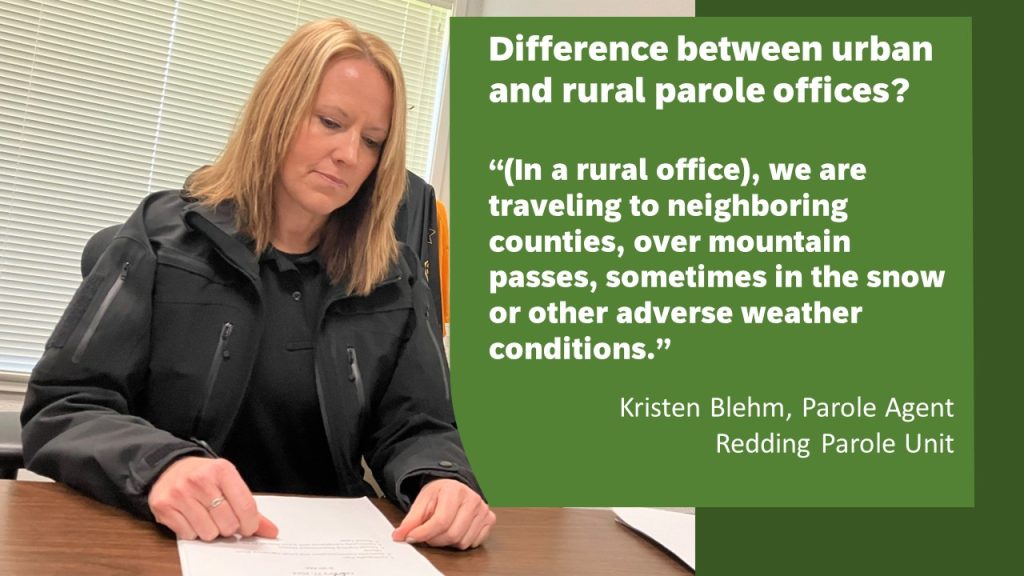
“Some agents in a city might be able to see 10 or more of their clients in a single day because they are all located in one city block. Here, we are traveling to neighboring counties, over mountain passes, sometimes in the snow or other adverse weather conditions,” she explained. “It’s a big difference.”
From 25-year police officer to parole agent
As a police officer for 25 years, she was less involved in people’s lives after making the arrest. As a parole agent, it’s just the opposite.
“Parole agents are much more involved in social work, following somebody for a few years,” she said.
Being a woman working in parole, often viewed as a male-dominated profession, isn’t something she dwells on.
“(Effective communication) all depends on the (paroled person),” she said. “You can tell some were raised to be respectful to women. Those individuals say ‘yes, ma’am’ but there are also those who are hardcore and don’t care if you’re a woman or not.”
Law was her first choice for a career, but not necessarily the enforcement or supervision side.
“I wanted to be an attorney and got my degree in criminal justice,” she said. “Then I saw them recruiting for the academy to be a police officer. They would pay for you to attend.”
Looking at her options, including the price tag for becoming a lawyer, she decided to give police work a try for a while.
“It wasn’t foreign to me. I have a brother and uncle in law enforcement,” she said.
After 25 years as a police officer and over two years as a parole agent, she’s beginning to consider retirement.
“Unlike a lot of younger people today, I started working when I was 12 years old (in the family shop). I’ve been working my whole life,” Blehm recalls. “It’s easier for some people to follow the advice of leaving work at work but I have a hard time doing that. But still, I try to go home, to be present with my kids, and not look at my phone.”
Story and photos by Don Chaddock, Inside CDCR editor
Office of Public and Communications
Learn more about CDCR’s parole agents.
Follow CDCR on YouTube, Facebook, X (formerly Twitter).
Interested Correctional Officer applicants can apply online at JoinCDCR.com.
Related content
Watch: Meet Parole Agent Kesteloot
A decade after earning his correctional officer badge, Kyle Kesteloot returned to the academy, this time to become a parole…
Parole Agent Garcia saves teenager
Thanks to recently graduated Parole Agent Hector Garcia, a teenager is safe after threatening self-harm. Parole Agent Hector Garcia was…
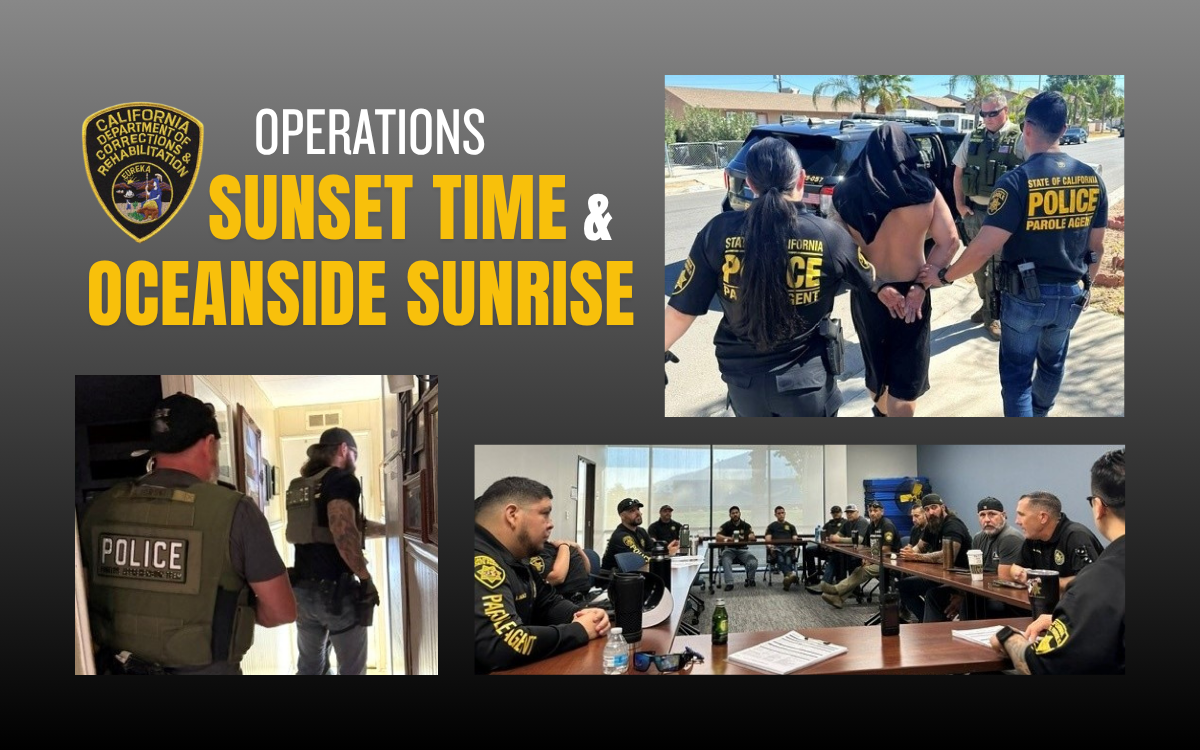
Seven arrested in two DAPO parole sweeps
Two Division of Adult Parole Operations (DAPO) sweeps resulted in seven arrests in Oceanside, Carlsbad and Riverside County. Parole uncovers…
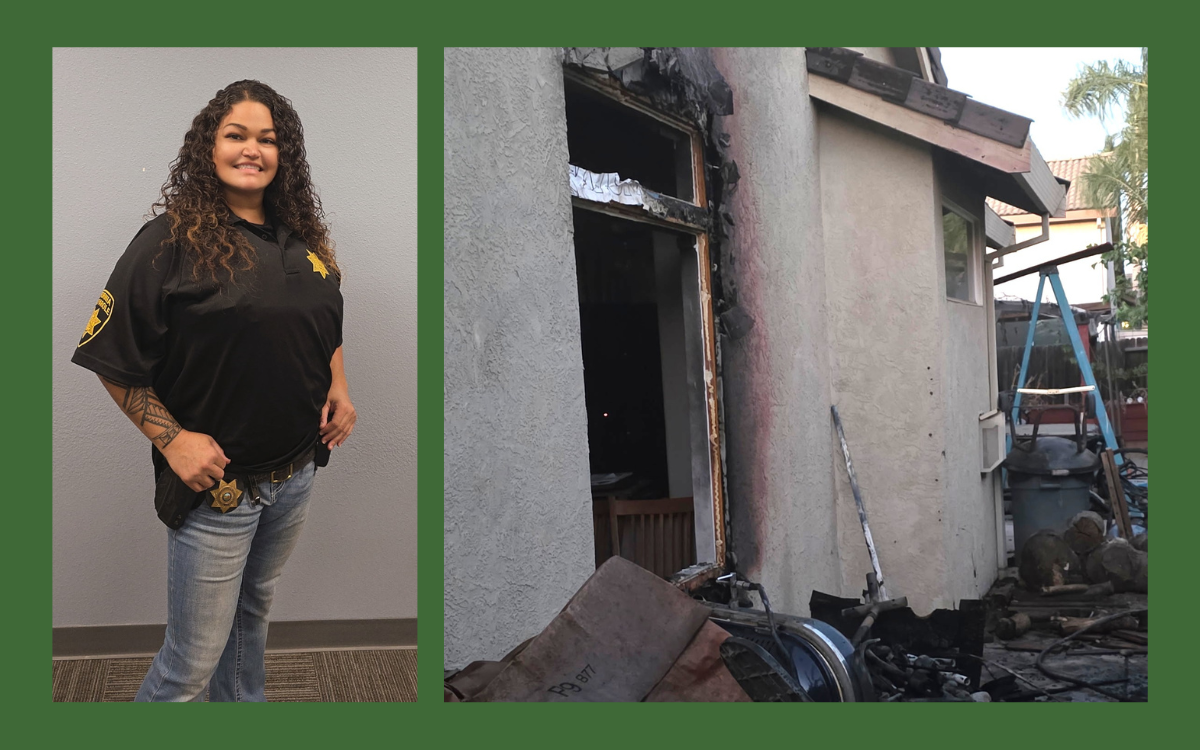
Parole Agent Madri Sherman saves two from house fire
Madri Sherman, a parole agent based out of the Ceres Parole Office, entered a smoke-filled house, saving two mobility-impaired residents…
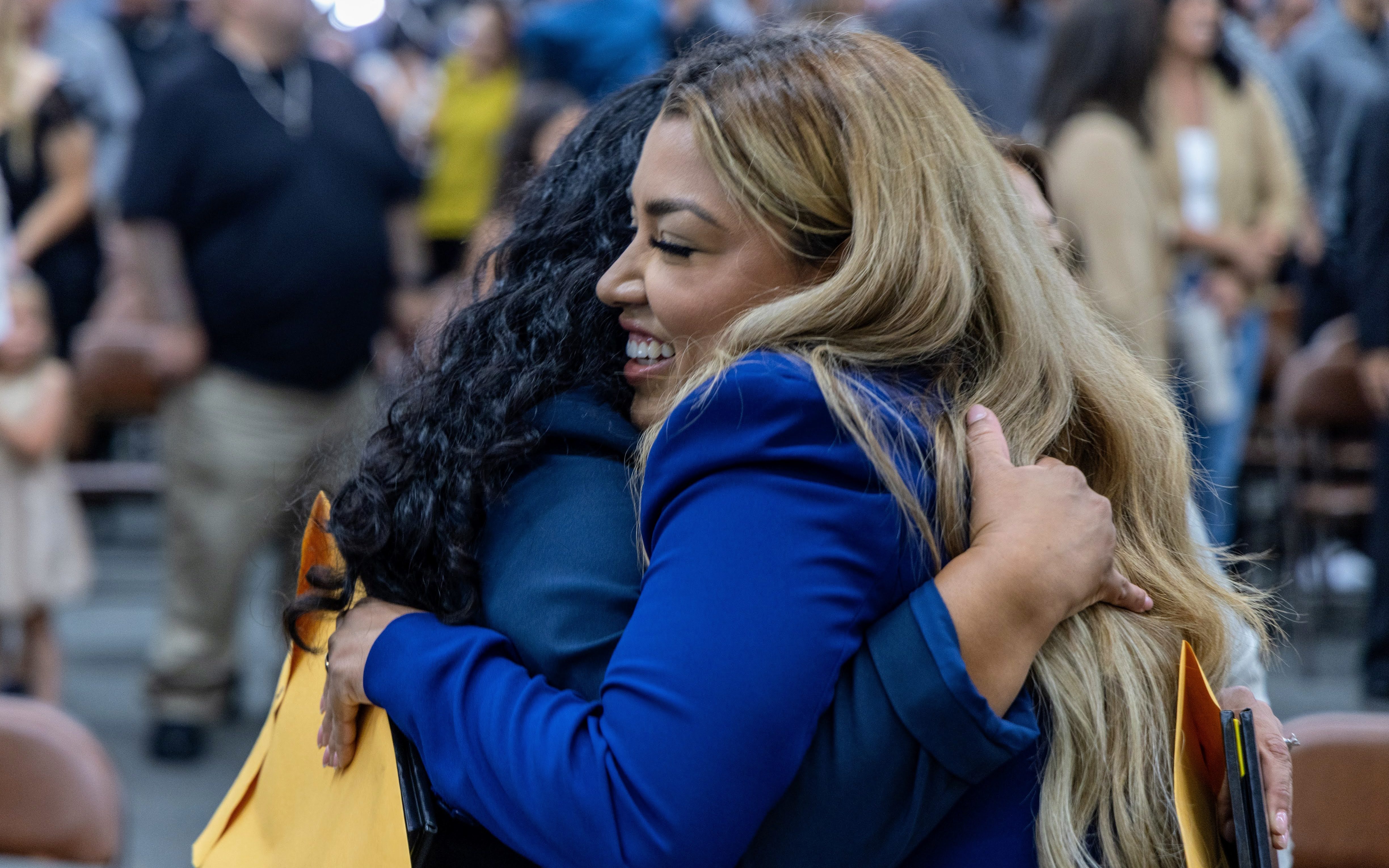
Parole welcomes 42 agents from Basic Academy
CDCR welcomed 42 new parole agents during a graduation ceremony at the Basic Parole Agent Academy held Sept. 4. They…
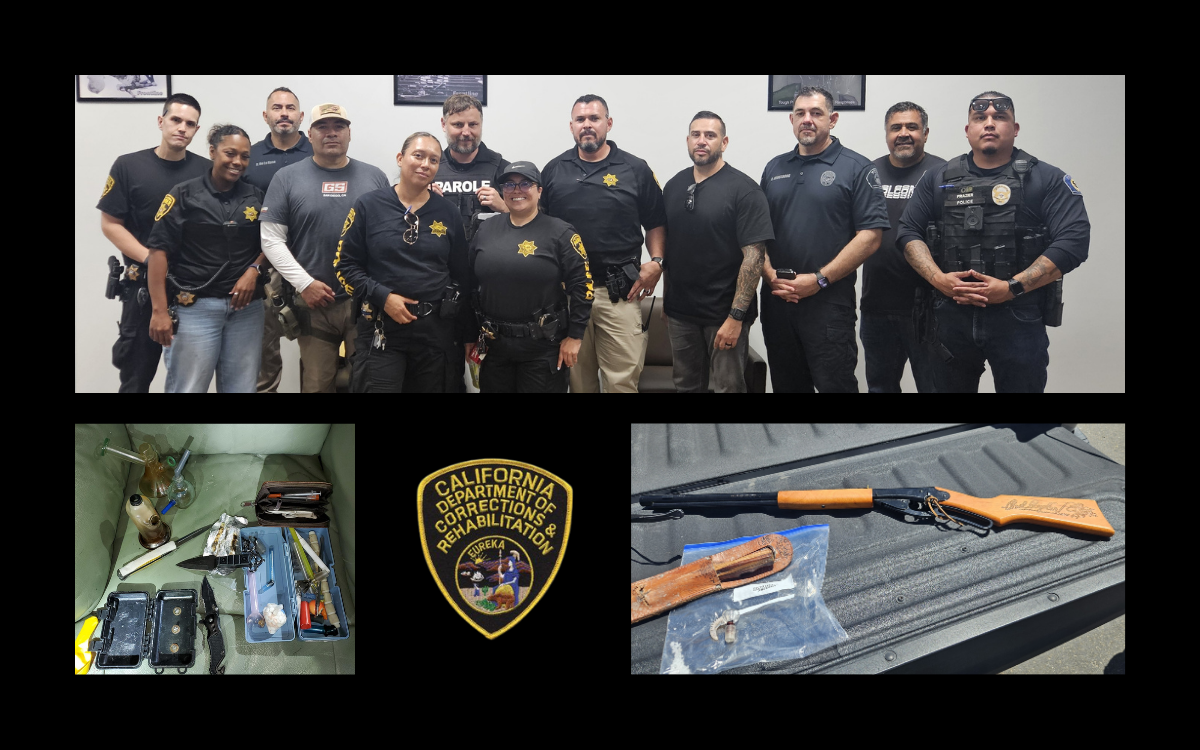
Parole agents, DA, OCS partner for Operation Imperial Heat
In late August, the Chula Vista 2 Parole Unit partnered with Imperial County District Attorney (DA) investigators and CDCR’s Office…