

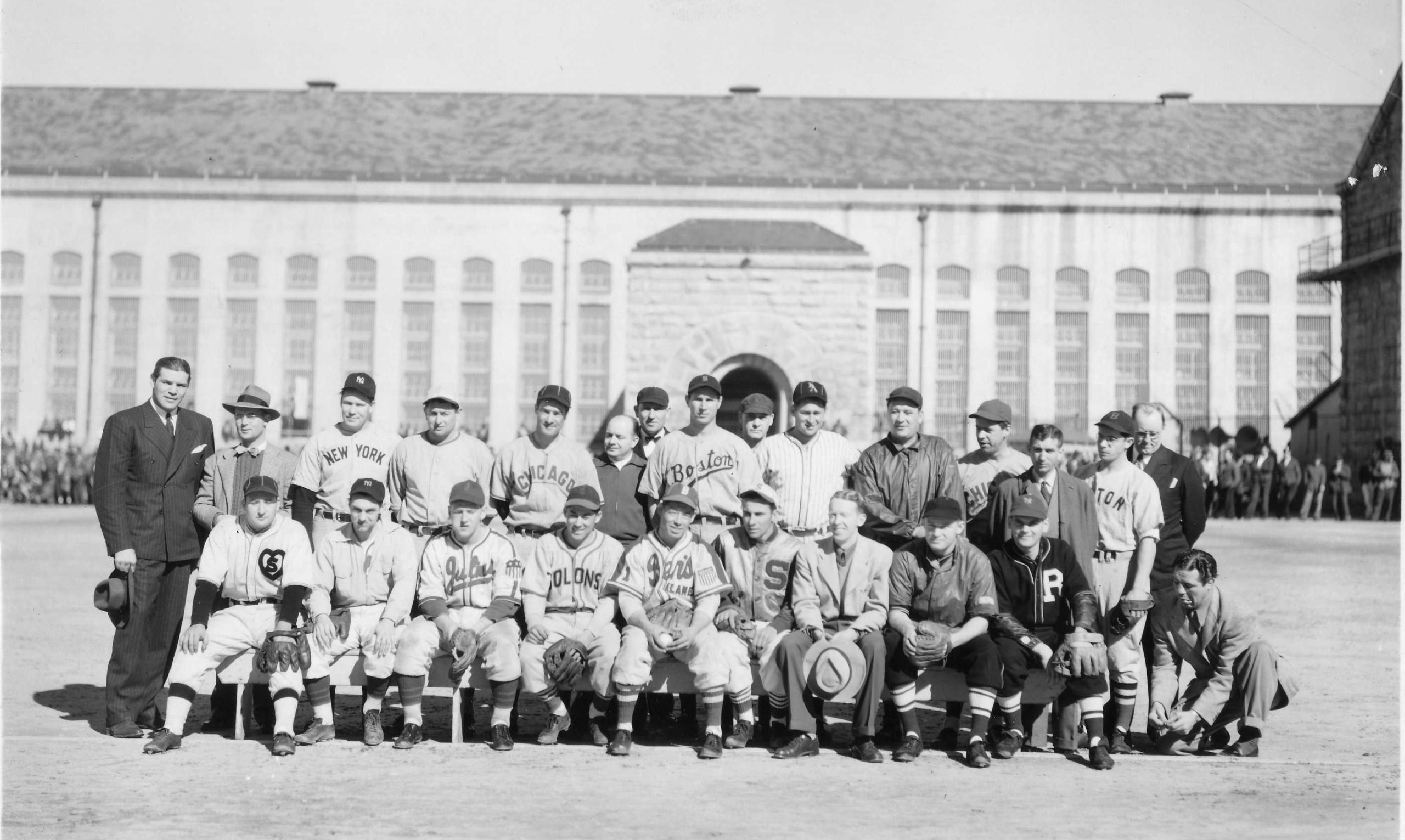
Celebratory events marking Easter have long played a rehabilitative role in California prisons to help reentry efforts. The following are only some examples of how the incarcerated population celebrated the holiday inside prison walls.
- Related content: See how CDCR facilities celebrated Easter in 2024.
Easter church services, baseball at San Quentin
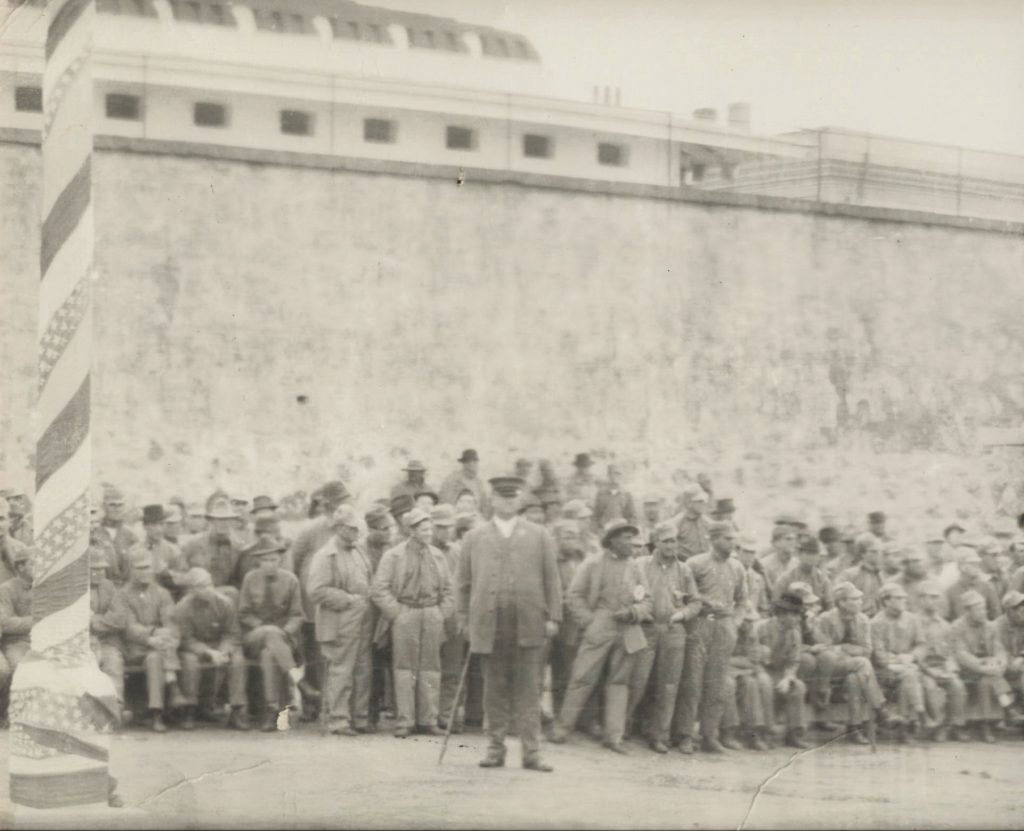
The San Francisco Examiner, April 5, 1915, described the Easter event offered at San Quentin State Prison under Warden James Johnston.
“Easter Sunday at San Quentin penitentiary was celebrated by the convicts yesterday with a religious program in the morning and a baseball game in the afternoon. The sermon was preached by A.C. Shepherd, chaplain of the prison,” the newspaper reported.
According to the paper, the religious services were “interspersed with moving pictures (known today as films or movies) representing the life of Joseph” as well as choir hymns and solo song performances.
The religious program closed with the singing of the national anthem.
An afternoon baseball game featured the Seals against the Beavers. The Seals came out on top with a final score 2-0. Warden Johnston threw out the ceremonial first pitch.
Folsom Prison saw exhibition games, heard messages of hope
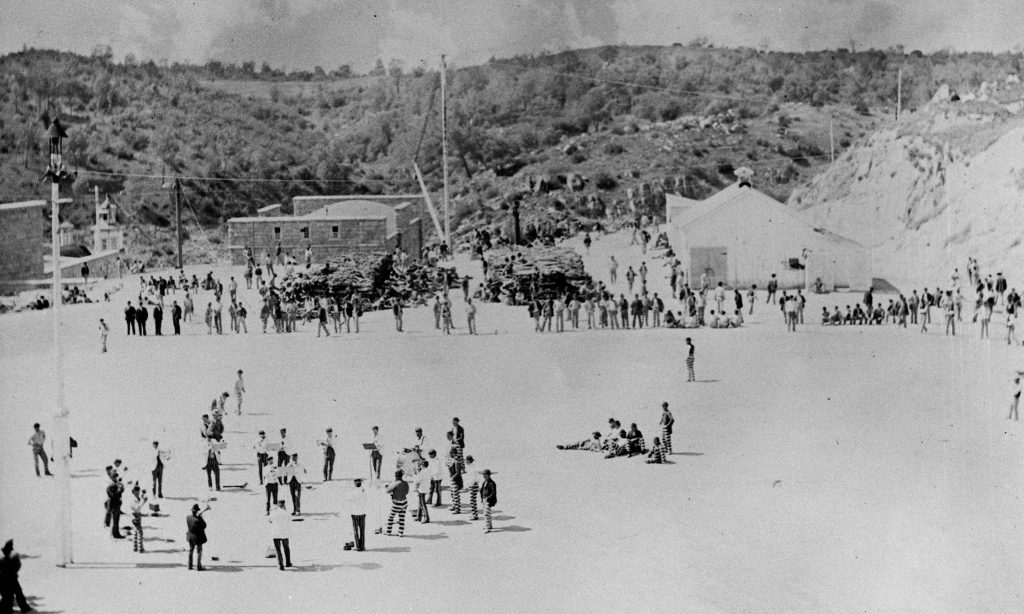
On March 30, 1913, a baseball exhibition game pitted Folsom State Prison guards against the incarcerated population. The Sunday game, held the week after Easter that year, heavily favored the staff team, according to the Folsom Telegraph’s March 28 edition.
Maude Ballington Booth, a well-known figure at the time through her work with the Salvation Army and the Volunteers of the America, was the first female in the history of the prison to address the incarcerated population in March 1914.
“Ballington Booth (and) her daughter visited Folsom prison in the afternoon (of March 7). The two women will remain at the prison overnight and talk with the prisoners tomorrow,” reported the Fresno Morning Republican, March 8, 1914.
The following year, she visited Folsom again, encouraging the incarcerated men to take advantage of rehabilitative programs.
“You alone can change your lot and your condition. You can change your whole lives for the better, right here in prison. Here is the place to begin,” she told them in October 1915. “We can help and encourage you, but you might fight the battle yourselves. You must put yourselves right while you are here so as to fortify yourselves for the outside world.”
In April 1941, the prison hosted plays, a program of activities and a “basketball party,” according to the Folsom Telegraph. “A band concert and two plays, ‘Dress Reversal’ and ‘Hot Biscuits,’ were performed at Larkin Hall,” according to the April 18 issue of the newspaper.
Other institutions
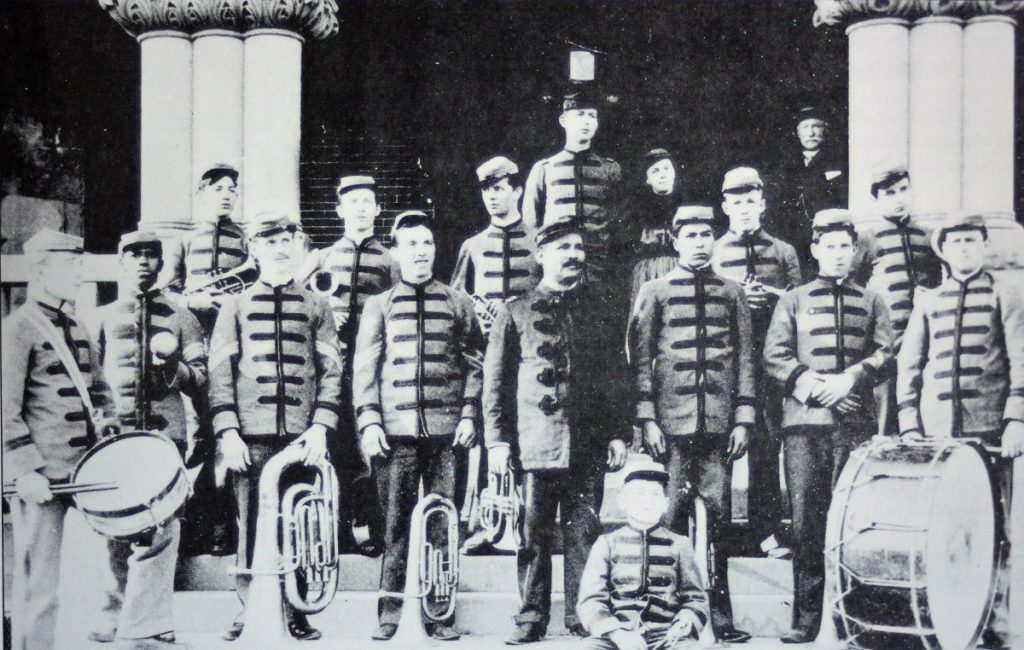
Easter week was a busy one for the Preston School of Industry in Ione in 1928.
On April 4, Amador County Federation of Women’s Clubs gathered in the auditorium at Preston. “Prior to the program, a luncheon was served at the school to the officers of the federation and visitors, who were (given a tour) of the school,” according to the Stockton Record, April 4 issue. “The program opened with a dress parade by the cadets of the Preston school and musical features by the school band. Following the drills, a concert was given by the band, (directed by) Sidney A. Halsey.”
A few days later, Easter services were observed at the school.
“Services of the Preston School will be conducted at 11 a.m. Music will be furnished by the cadet choir. Father M. Kearney will be in charge of both services,” reported the Stockton Record, April 7, 1928.
In April 1954, boxes of food for those observing Passover were packaged by 50 women from the Personal Service Associates. The boxes were sent to state hospitals, county jails, California Institution for Men, California Institution for Women and the California Medical Facility at Terminal Island (before its permanent location was constructed in Vacaville). “This is the 12th year the associates have prepared boxes,” reported the Los Angeles Mirror, April 9, 1954.
By Don Chaddock, Inside CDCR editor
Learn more about California prison history.
Follow CDCR on YouTube, Facebook, X (formerly Twitter). Listen to the CDCR Unlocked podcast.
Explore CDCR history
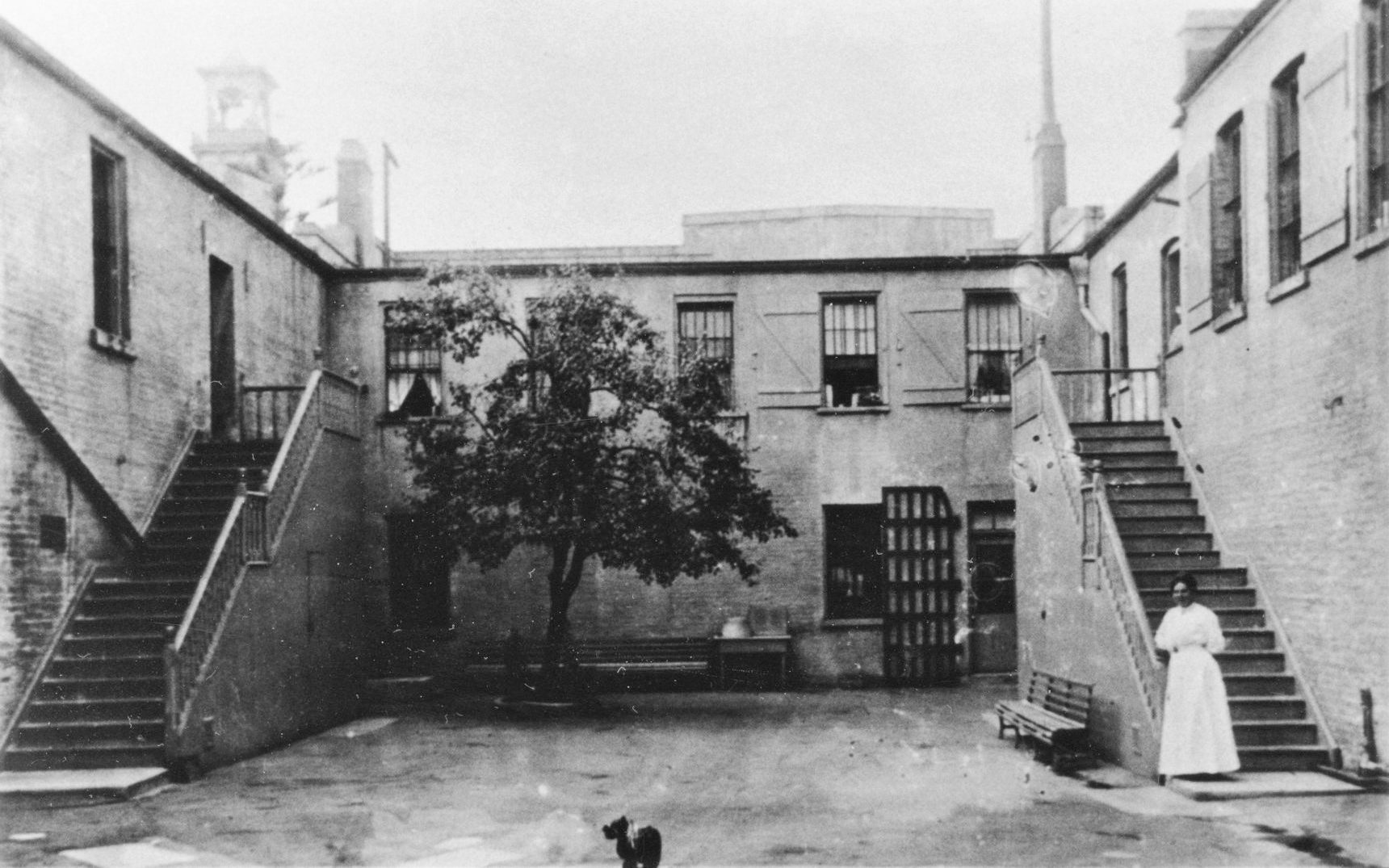
Meet the first matrons of San Quentin
With 15 women incarcerated at San Quentin in the mid-1880s, the state decided to create a matron position to oversee…
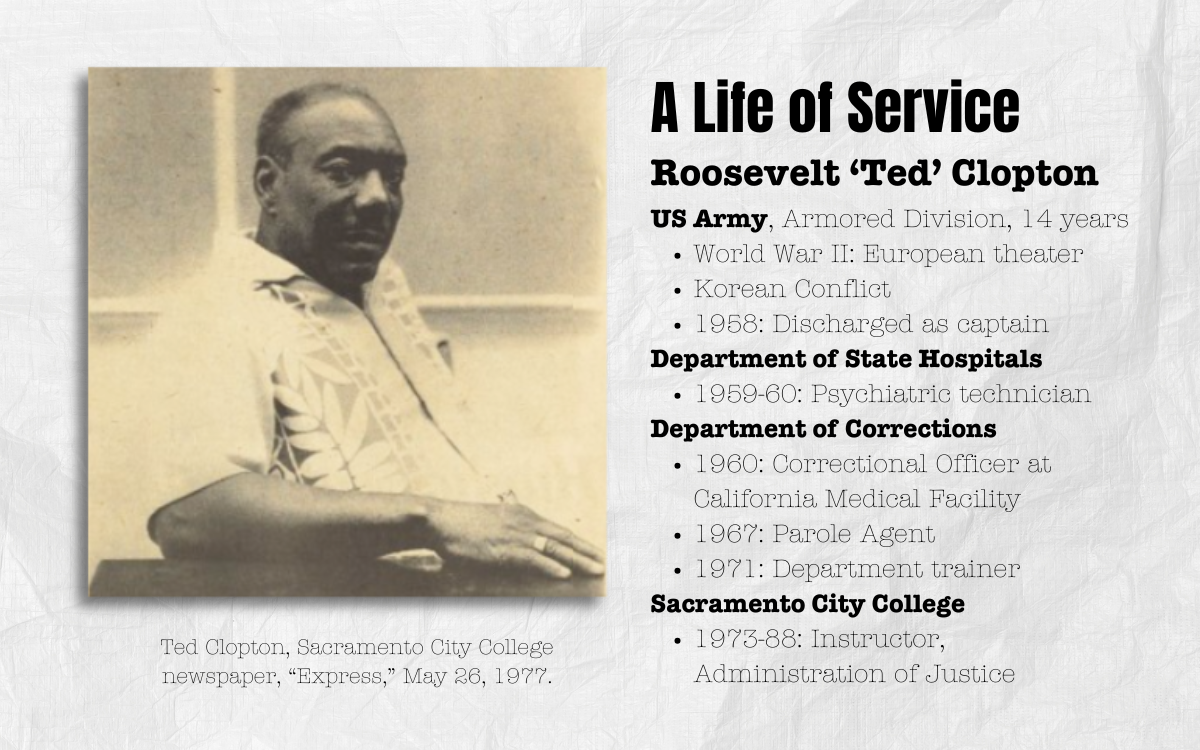
Roosevelt Clopton served state as officer, agent
For military veteran Roosevelt “Ted” Clopton, being a lifelong student guided his choices from joining the Army to becoming a…
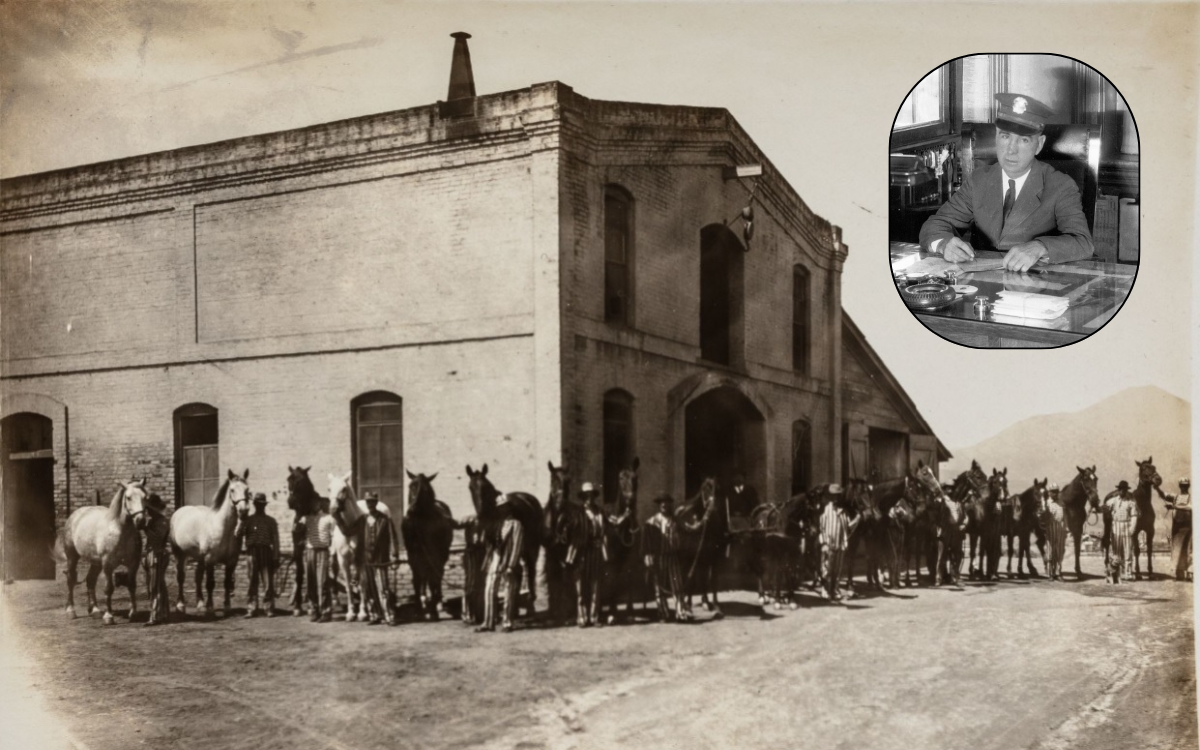
SQ Captain Rivera Smith served nearly 4 decades
Rivera Smith was the longest serving staff member at San Quentin (SQ) when he passed away in 1950, serving nearly…
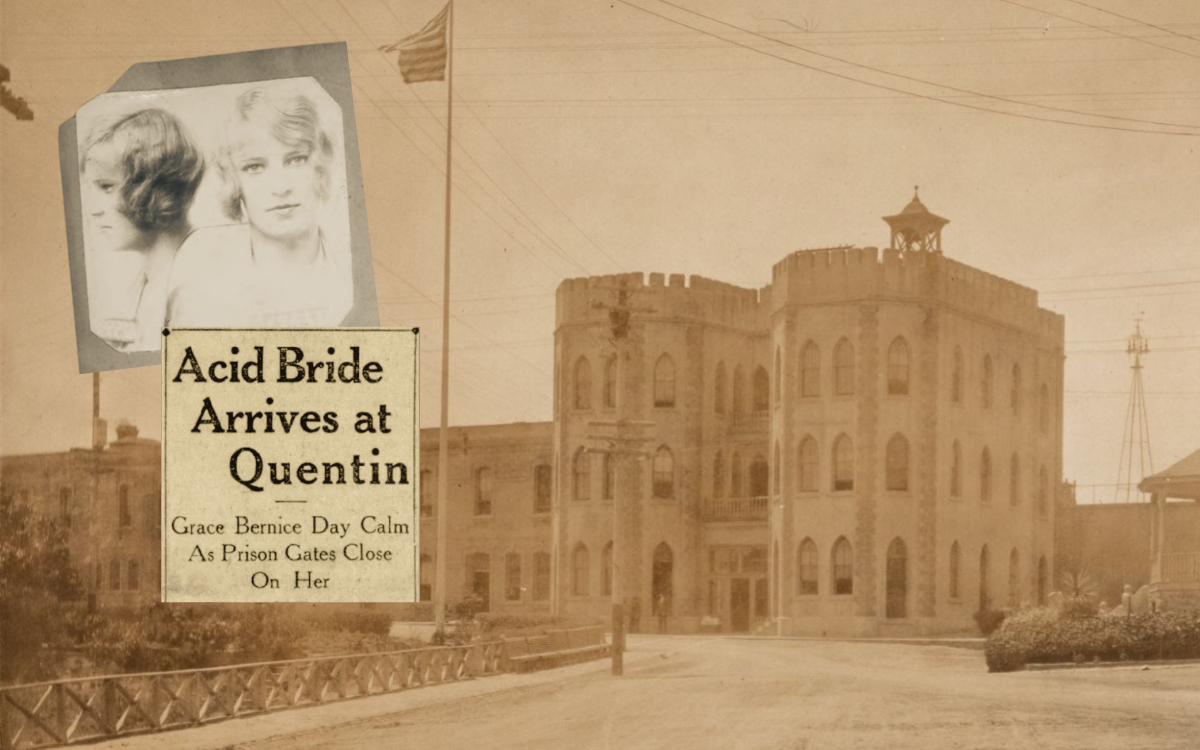
Echoes from the Past: Restoring history’s missing pages
While researching stories for the Unlocking History series, we often find damaged documents, missing photos, or incomplete information. One example…
Family seeks information on 1903 counterfeiter
A recent question came across the Inside CDCR desk regarding a counterfeiter who was incarcerated at San Quentin in 1903.…