

Editor’s note: In our ongoing effort to highlight staff from the department’s past, we salute Gladys Vasso and Eleanor Dieter. They both worked at California Correctional Center in Susanville for decades.
Clerk typist Eleanor Dieter recognized by population
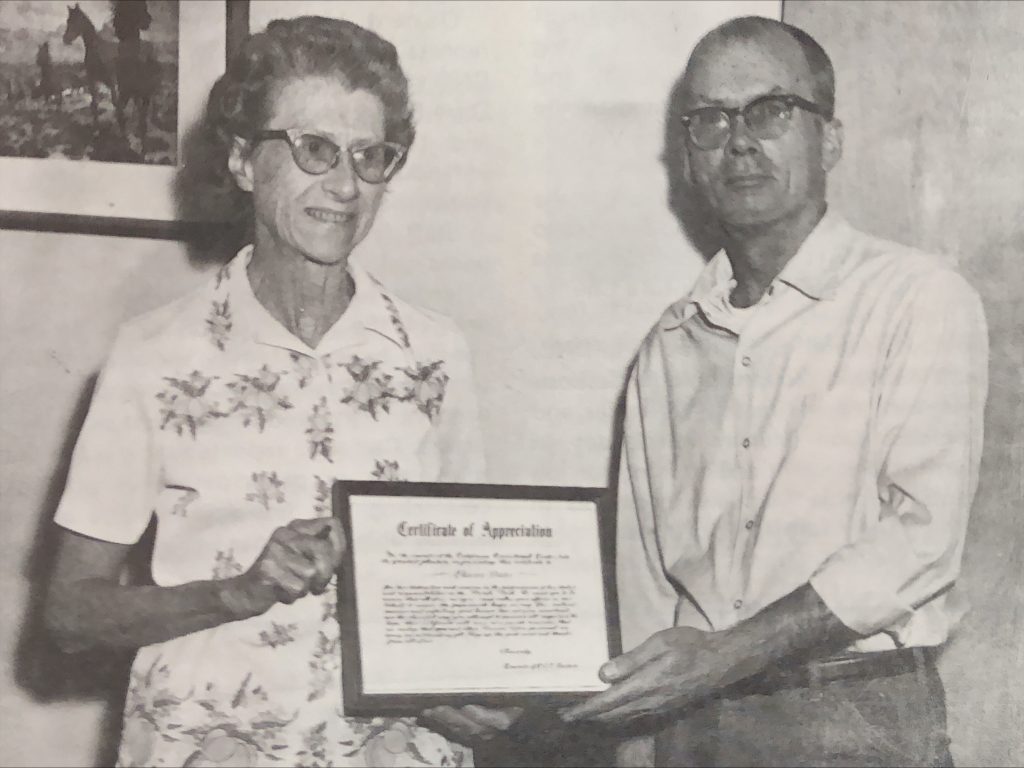
Eleanor Dieter, a clerk typist assigned to the parole desk in the records office at California Correctional Center, achieved a singular honor in May 1976. At a staff meeting, she was presented with a certificate of appreciation from the incarcerated population.
“The men asked permission to award Dieter the certificate with appropriate ceremony. Superintendent P.J. Morris felt his weekly staff meeting would provide the most suitable occasion,” according to News Cam, the department’s newsletter published June 21, 1976.
The certificate noted Dieter’s “dedication and concern in the performance of her duties on the parole desk.” It was signed, “Convicts of CCC-Lassen.”
Gladys Vasso named 1978 employee of year
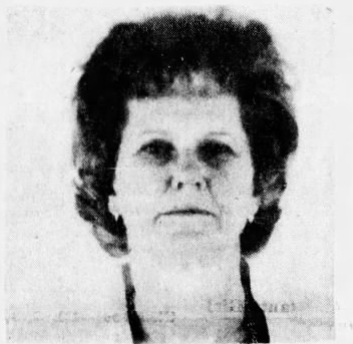
In 1978, the Bee Gees sang “Stayin’ Alive” while “Grease” raked in box office gold at theaters across the country. Meanwhile, Gladys Vasso was voted the California Correctional Center Employee of the Year. Her story appeared in the Lassen County Times, Dec. 27, 1978.
“Vasso began working at CCC in 1964 as an accounting technician. She also attended night school to better herself in the functions of her office. At times, she did the work of two positions,” according to a press release issued at the time.
Due to ill health, she left the institution from 1972 to 1974, then returned as a clerk typist II in the fabrics’ skill center inside the prison.
Vasso was mother figure
She was known as a mother figure to staff and incarcerated people.
“Need a nurse? She is there with the salve and bandages but most important, with empathy,” according to the press release.
Vasso was born in North Dakota and later relocated to Reno, Nev., where she met her husband, Clifton Vasso. By 1978, they had five girls and one son as well as 14 grandchildren and one great-grandchild.
“Vasso was selected from a group of employees whose names were submitted by one of their peers. (She was also) screened by a panel of administrators to determine her honor as CCC’s Employee of the Year,” the press release concludes.
Republished from CDCR archives.
Editor’s note: Vasso passed away in 2011 at the age of 94 and laid to rest in Reno, Nev.
Learn more about California prison history.
Follow CDCR on YouTube, Facebook, X (formerly Twitter). Listen to the CDCR Unlocked podcast.
Explore CDCR history
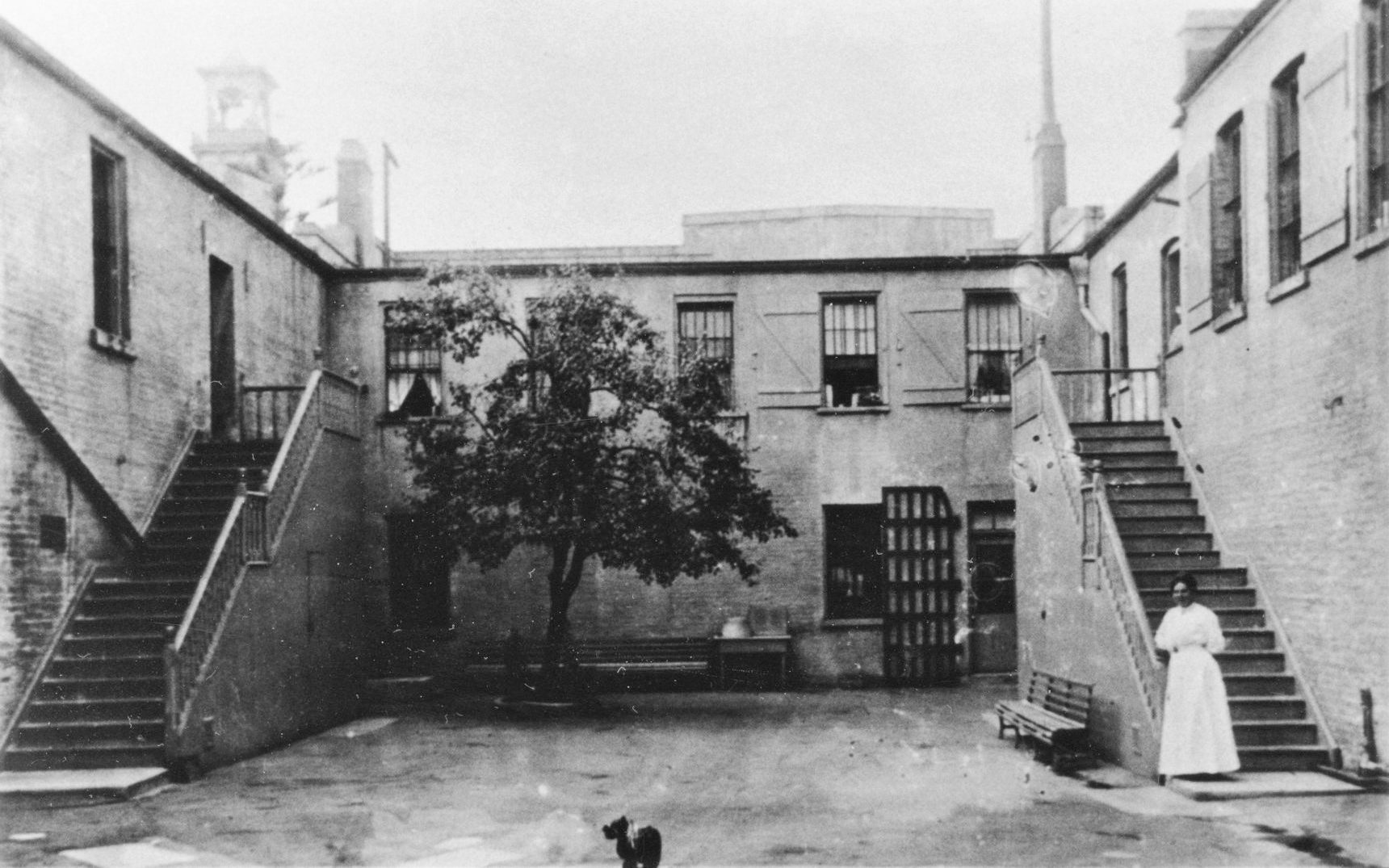
Meet the first matrons of San Quentin
With 15 women incarcerated at San Quentin in the mid-1880s, the state decided to create a matron position to oversee…
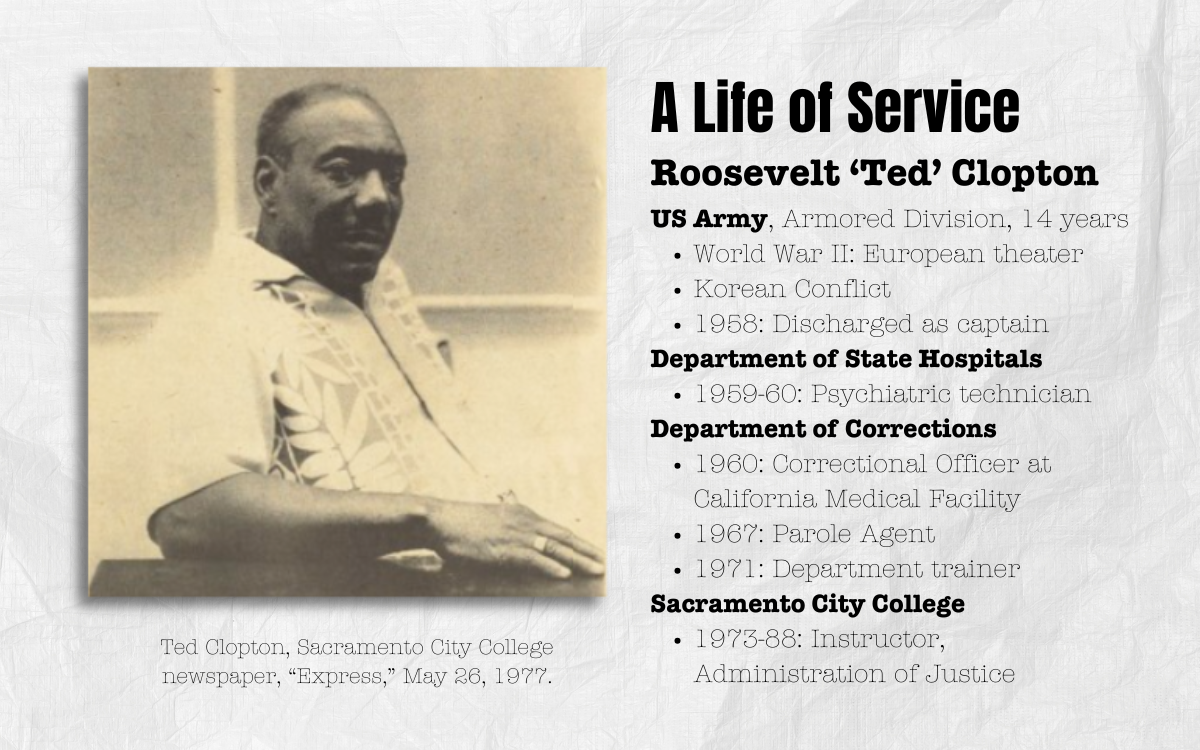
Roosevelt Clopton served state as officer, agent
For military veteran Roosevelt “Ted” Clopton, being a lifelong student guided his choices from joining the Army to becoming a…
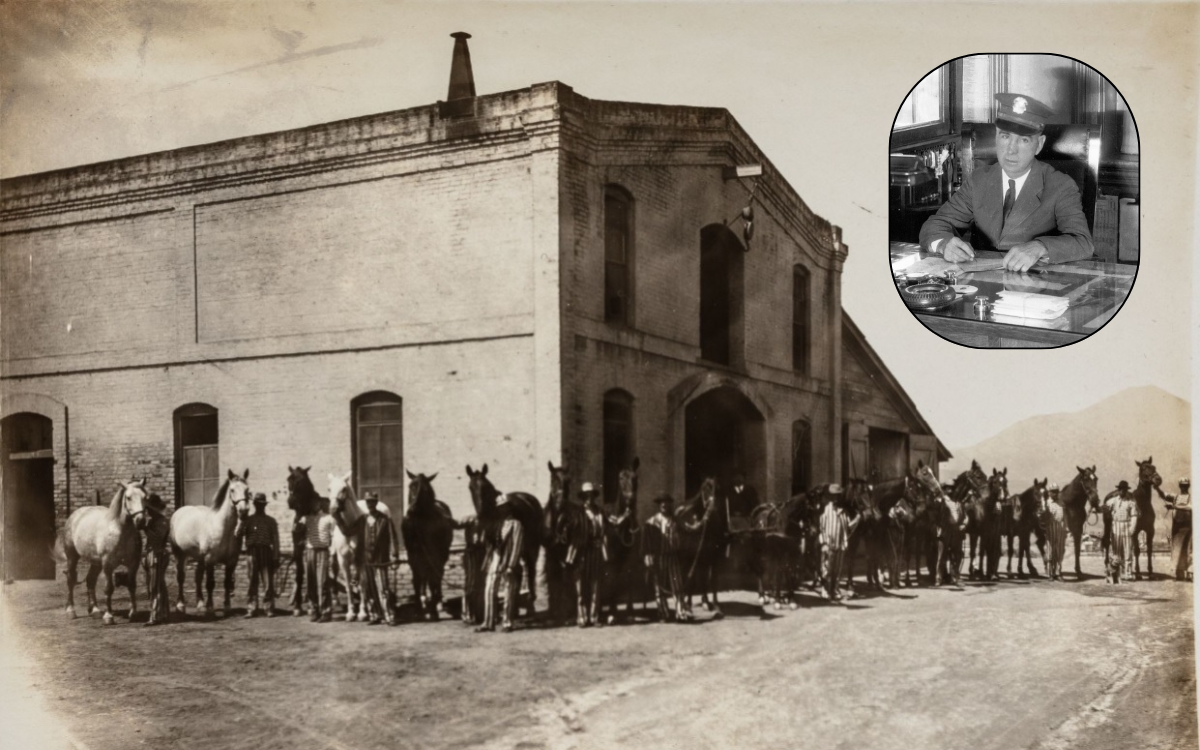
SQ Captain Rivera Smith served nearly 4 decades
Rivera Smith was the longest serving staff member at San Quentin (SQ) when he passed away in 1950, serving nearly…
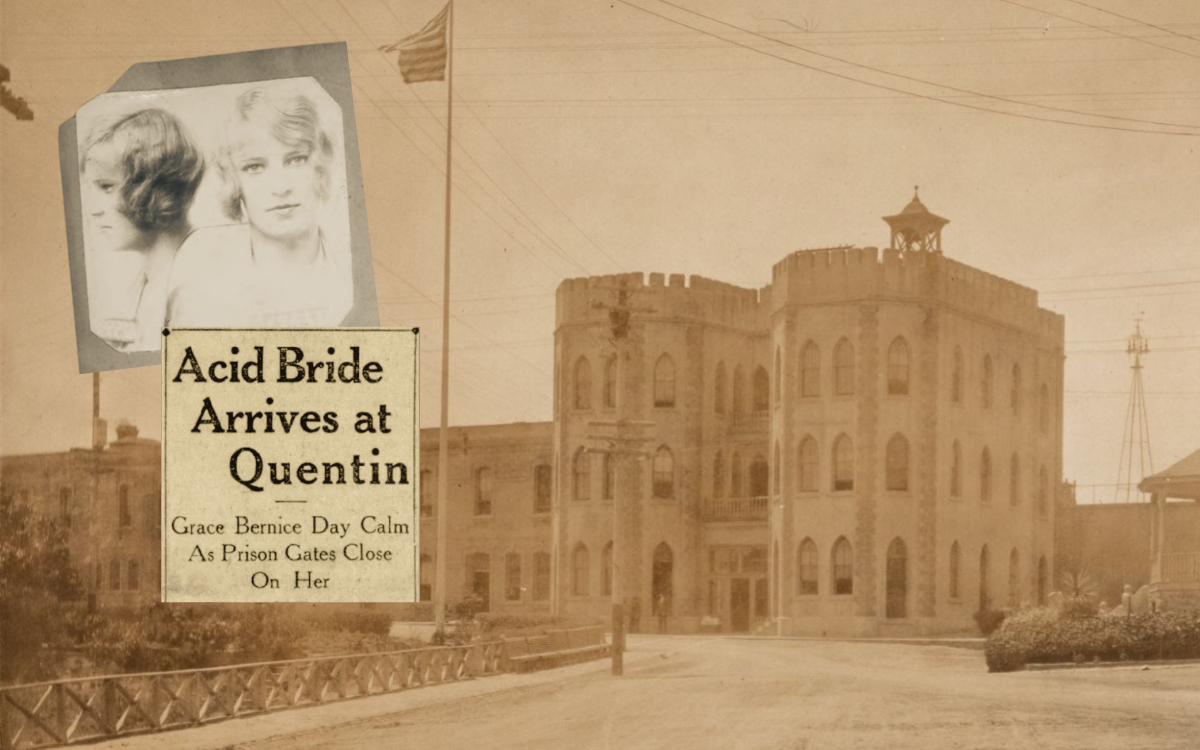
Echoes from the Past: Restoring history’s missing pages
While researching stories for the Unlocking History series, we often find damaged documents, missing photos, or incomplete information. One example…
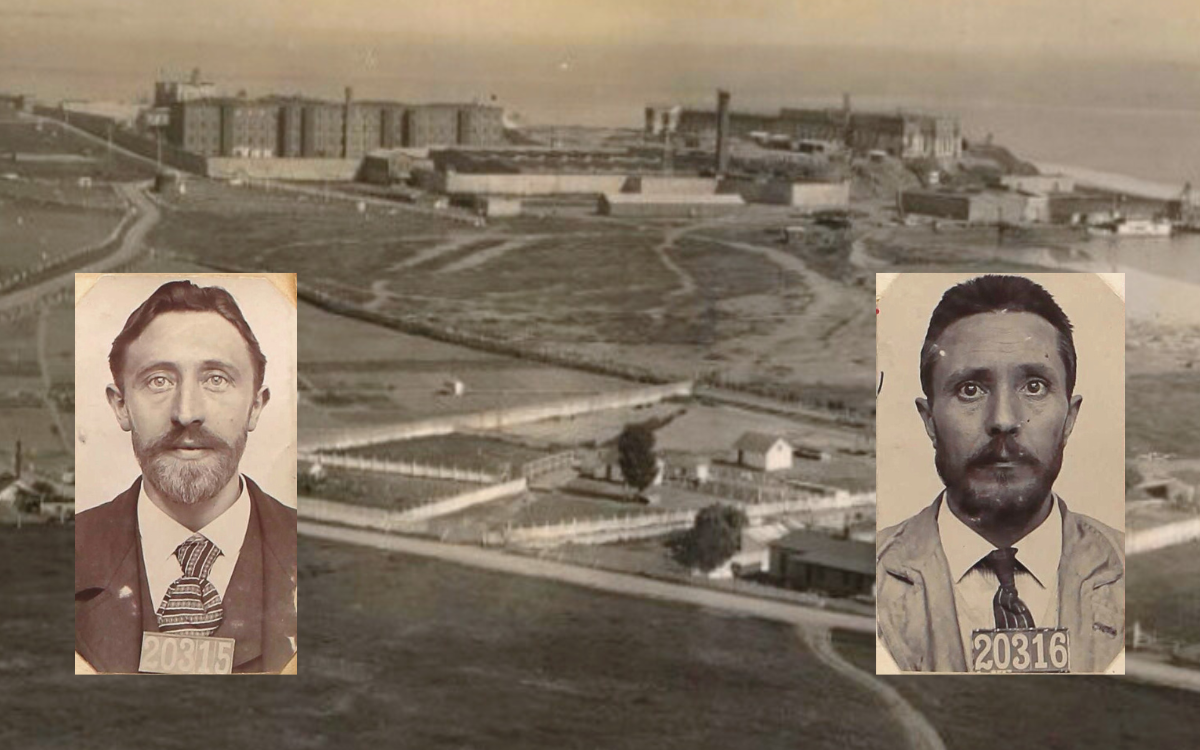
Family seeks information on 1903 counterfeiter
A recent question came across the Inside CDCR desk regarding a counterfeiter who was incarcerated at San Quentin in 1903.…