

Incarcerated people who are preparing for life on the outside have resources available, including the Transitions Reentry Program.
The Division of Rehabilitative Programs (DRP) offers the program to those who have 18 to 24 months until release or those with a scheduled parole hearing.
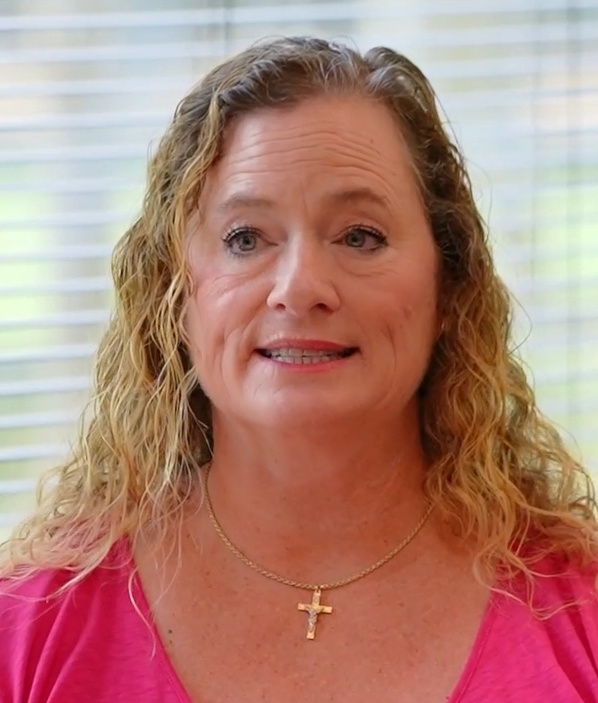
“(They are then) eligible to be assigned to Transitions. (The program is meant) to prepare the population for reentry.”
Dr. Alicia Legarda,
DRP Student Support Services Administrator
Transitions: Students learn about a changed world
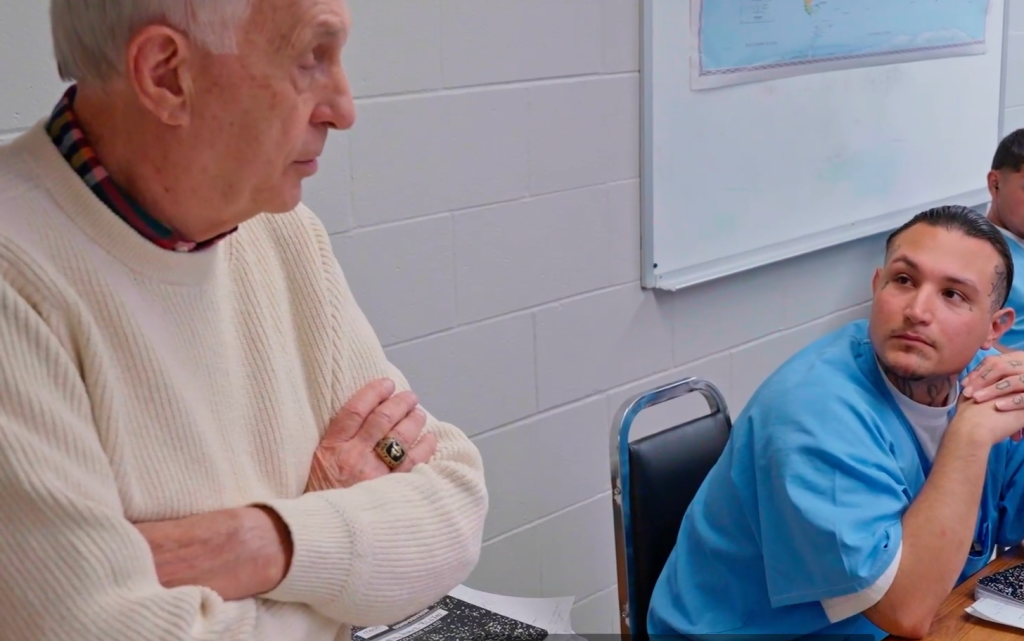
Dr. James Forkum, a Transitions Program instructor, said the curriculum is based on real-world activities to help them when they return to the community. Some of those activities include getting a driver’s license and how to earn money.
“(We’re) preparing them to be successful when they leave here,” he explained. “We cover a wide range of activities from interviewing, how to get a job (and) how to open a checking account. (It’s) all the things they need (to know) to be successful when they get out.”
To complete the class, they must have at least 80 hours of instruction, passed all exams at 70 percent or higher and complete the portfolio.
“Eligible students may also earn a milestone completion credit based on the current schedule,” Legarda said.
For Diego, a program participant, Transitions is important. He also encourages others to enroll if they’re eligible.
“He’s teaching you how to make your money grow (and other) things you were never taught when you’re out there,” Diego said.
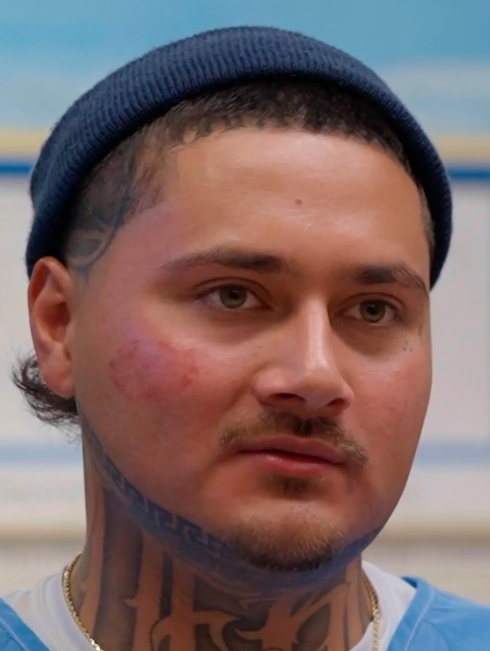
“Everything you learn in this class, you can actually use in real life because he’s teaching you about reality.”
Diego, program participant
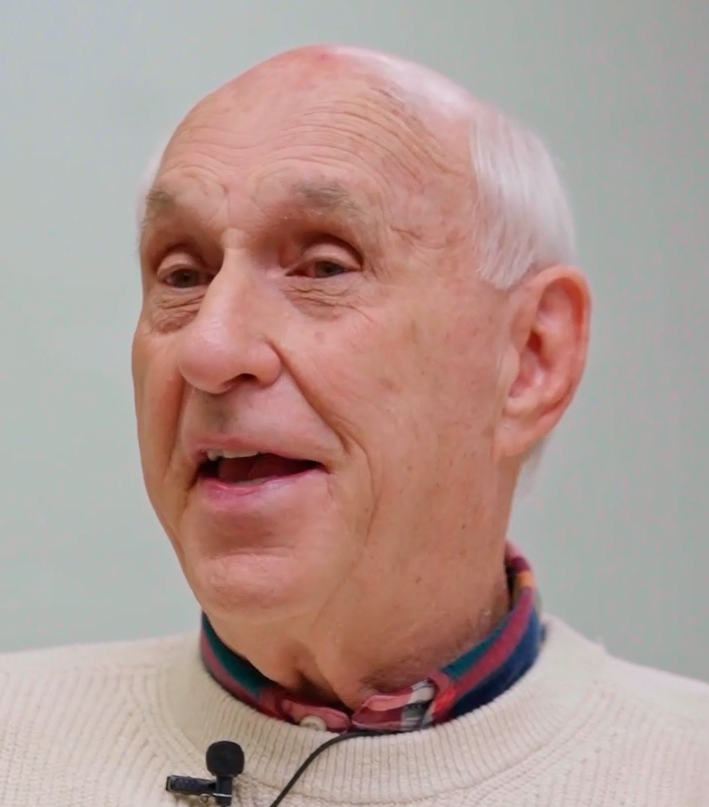
Forkum said for those who’ve spent years incarcerated, the world outside has changed.
“For those who’ve been in four, five or six years, they’re going into a different world than they came out of,” he explained. “We get the opportunity to help (them) understand how they can navigate the issues and obstacles they’re going to face.”
Many things have changed in the last decade, including basic activities.
“You don’t go to the bank now to cash a check,” he said. “You take a picture with your cell phone. It’s an amazing class.”
Watch the video:
Video by Ray Burgess, DRP Media
Story by Don Chaddock, Inside CDCR editor
Follow CDCR on YouTube, Facebook, X (formerly Twitter).