

Nearly six years of collaboration among correctional leaders, local farmers, and community organizations came into focus during the recent stakeholder tour hosted by CDCR and its partners.
Attendees heard from the Farm to Corrections team – a collaborative effort involving CDCR, Impact Justice, and the Nutrition Policy Institute. The team’s key effort is Harvest of the Month, a program connecting small and mid-sized California farmers with correctional institutions statewide.
Through the program, incarcerated individuals receive a featured California-grown fruit or vegetable each month. The produce is part of the statewide menu they can incorporate into their meals.
Years of collaboration
For Heile Gantan-Keo, program manager for Food in Prison at Impact Justice, the tour reflects years of partnership building.
“This stakeholder tour is a culmination of nearly six years of research, community-building, and true partnership,” said Gantan-Keo. “Bringing together correctional leaders, legislators, public health advocates, sustainable agriculture partners, and community organizations create an opportunity to support local growers while recognizing the benefits that increased access to fresh produce can have for the incarcerated population.”
Watch the video (story continues below):
The tour began at Spork Food Hub with stakeholders from corrections, agriculture, public health, legislative offices, and community organizations. They gathered to learn more about the growing Farm to Corrections movement.
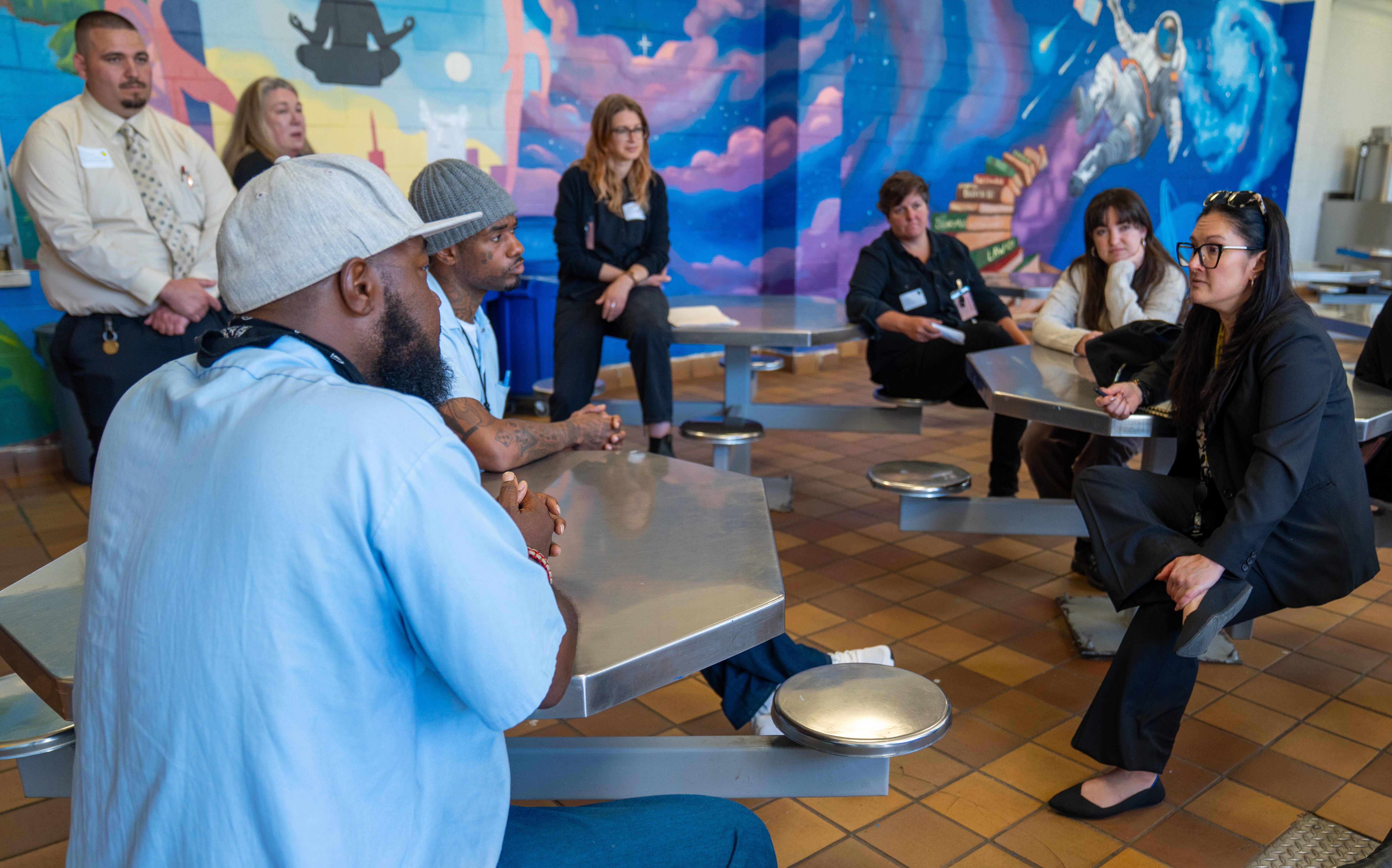
Participants later traveled to California State Prison, Solano. There, they were welcomed by Warden Andre Gonzalez and the institution’s executive team. Inside the facility, guests observed how produce moves from delivery into kitchens and onto meal trays.
“During the stakeholder tour, incarcerated individuals shared firsthand accounts expressing strong approval of this initiative,” said Capt. Rodney Speight. “Many individuals emphasized a desire to adopt healthier eating habits. They (said they had) limited access to specialized produce due to socioeconomic barriers prior to incarceration.”
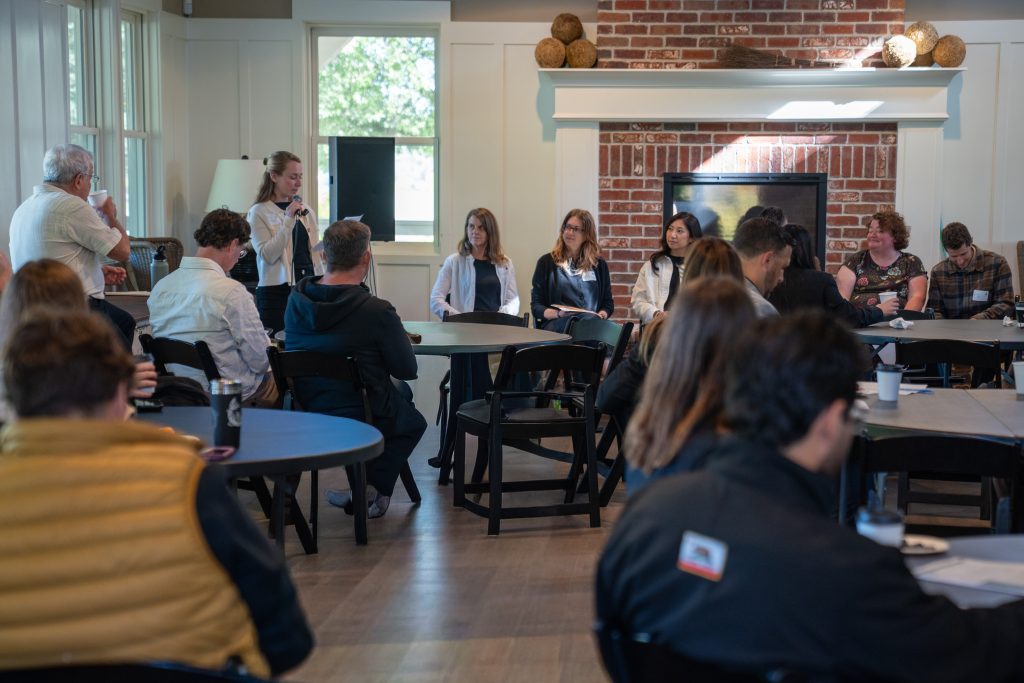

Tour attendees left with an understanding of how partnerships among CDCR, food growers, and community organizations are expanding healthy food access while supporting rehabilitation efforts. The event demonstrated how collaboration can create meaningful benefits for local growers, institutional staff, and the incarcerated population.
Learn more: See how the program started in 2023, began expanding in 2024 and was fully implemented in 2025.
Story by Emily Idleman, information officer, and Lance Eshelman, Departmental Food Administrator
Video and photos by Richard Tan, Director, TV Communications Center
Follow CDCR on YouTube, Facebook, X (formerly Twitter).