

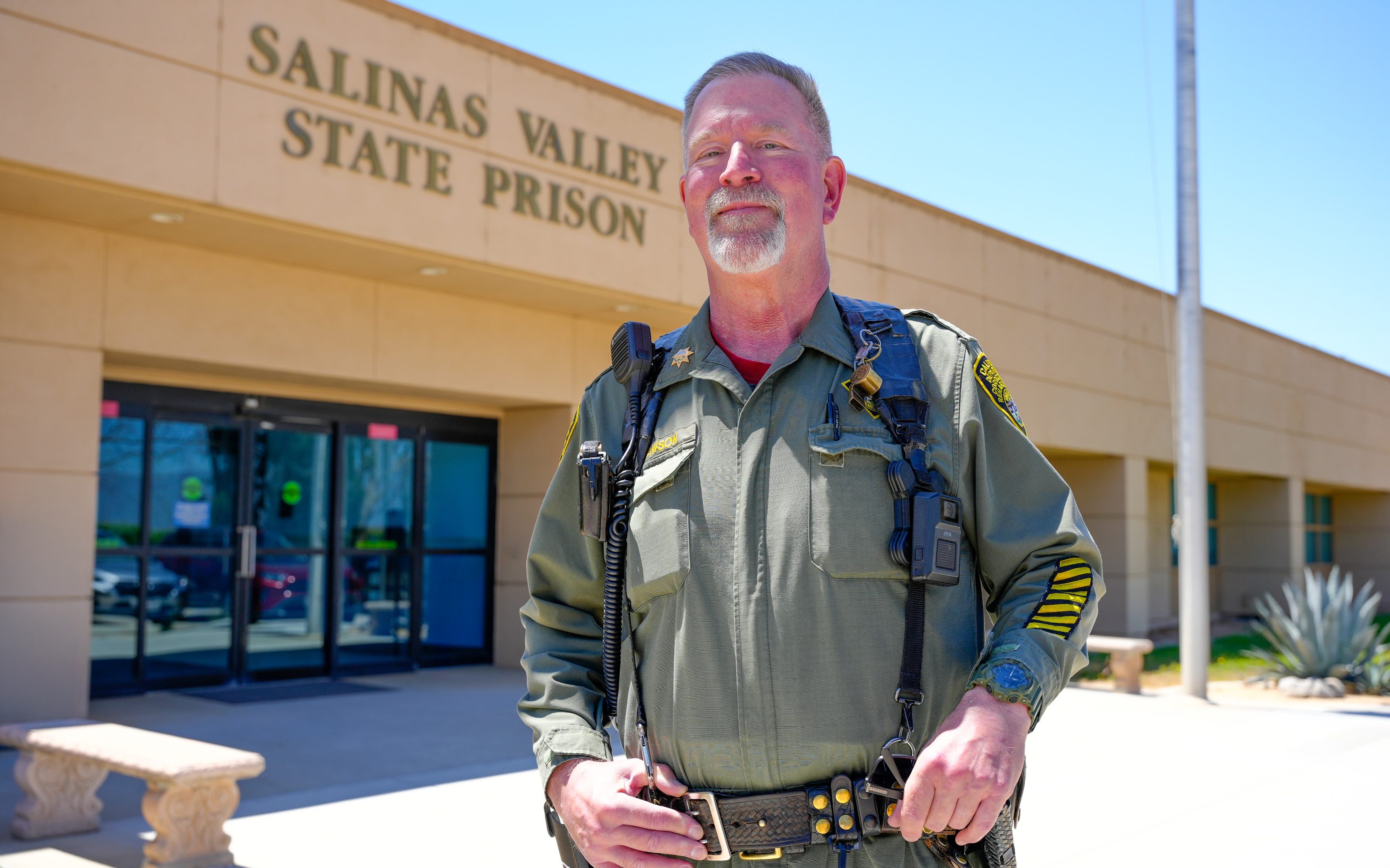
When Correctional Officer Scott Lawson began working at Salinas Valley State Prison in May 1996, the institution was still under construction.
“We had roughly 150 people in the incarcerated day labor program in Alpha and Bravo yards. They were helping construct Charlie and Delta facilities, totaling 16 housing units,” Lawson recalled. “When I got here, we were pretty much in the second week of operating.”
Now after three decades working at the institution in Soledad, he’s hanging up his duty belt. Friday is his last official day.
“Friday will mark 30 years, three months and three days with the department,” he said. “I hit 60 years old this year. It’s a young guy’s game and I’m not so young anymore.”
Changes over his career

Lawson has seen a lot of changes over the course of his long career but the biggest is probably the attitude shift.
“The best positive change I’ve seen is if we’re going to say we are the Department of Corrections and Rehabilitation, we better be about it,” he said, emphasizing rehabilitation. “When I first started, it was all about locking them up, giving them program when they really needed it. Basically, (we were busy) making sure the lid didn’t blow off.”
Now, he sees firsthand the benefits of rehabilitation.
“I work with the Integrated Substance Use Disorder counselors here on Bravo facility,” Lawson said. “Seeing the effort the department and the incarcerated population are putting forward, is very positive.”
He also believes in the benefits of cameras.
“The stationery and body-worn cameras have changed the department a lot,” he said. “I think the body-worn cameras have saved some officers’ jobs (from false accusations).”
Early days at the institution
Before the new buildings could be activated, he helped search the yard for potential weapons.
“(This area) used to be a farm,” he said. “We had a guy come up from the Correctional Training Facility with a large magnet and a tractor. We dragged the yard and found a lot of stuff including rebar and other metal pieces.”
As soon as cells were completed, everyone pitched in to get the buildings ready. He even joined the other new officers throwing mattresses on the bunks.
Passing down knowledge, experience

With 10 hash-marks on his sleeve, marking three decades of service, he said he’s learned a few things along the way.
“The ability to speak to someone at the basic human level is good for people who come here. I learned a long time ago my job isn’t to punish (incarcerated) people. Being in prison is their punishment,” Lawson said. “If I see some of the newer staff heading that way, I try to intervene. Those serving sentences are people too. We’re not here to judge. We’re here to make sure people go home safe, whether their home is outside or inside the institution.”
While he thought about promoting, he preferred having some flexibility when it came to his family.
“I see guys come into the department and put their families (on the back burner), working extra time. If I were them, I’d work a few extra shifts a week, but limit it,” he explained. “Whenever anything was coming up with my son, like sports or track, that was the priority. They say family comes first, and we need to hold on to that. If you’re married, don’t neglect your spouse. If your spouse has free time, be there for them.”
Positive attitude is key

“I tend to be the glass is half-full, so that’s helped a lot,” he said.
While most of his career has been spent at the same institution, he also worked for a time at California State Prison, Corcoran.
“I’ve worked here and I’ve worked at Corcoran,” he said. “I worked in the secure housing unit and level four yards. But, here at Salinas Valley, this is like family. The first 400 (staff) at Salinas Valley, we all knew each other. I worked at the level one when it closed so I got to be around the prison and know more people. The top 200 in seniority, I’ve known for 25 years.”
Looking to the future
“My son asked me a few days ago what I plan on doing when I retire. I’ve been working since I was 14 years old,” Lawson said. “Before (corrections,) I worked in a packing shed in Clovis and worked for the same family in agriculture. So, I’m probably going to get a part-time job to keep myself productive.”
Exercise is also on the list for future endeavors.
“I’m going to hit some golf balls and do laps in the pool and try to focus more on my health. I don’t want to grab a remote and drink soda while sitting on the couch,” he said. “Last year, I got my forklift license. My son Joshua and I became certified forklift drivers.”
Advice for new correctional officers

“On your second day on the line, start planning your retirement. I wish someone had told me that. Start setting up your retirement. It’s never too early to start. If you want to promote, like I tell these (new guys), promote early and promote often. If you’re in it for the long haul, stay away from energy drinks and take care of yourselves.”
He credits his wife with keeping the family unit strong.
“My sons are the good men they are because of my wife. I give full credit to (her) but at least I was there to help. At work, remember the tasks will be here tomorrow and the next day. Don’t neglect home. When I started, the older staff mentored us and offered advice (like this).”
Will miss work family
“Overall, I’m going to miss my partners here,” he said. “They’ve become my brothers. I’ve worked with a lot of good, squared away people, who are now spread out across the department. I’ll miss the camaraderie and the feeling you’ve accomplished something right for the day and you get to go home.”
While there were rough days during his career, he doesn’t regret choosing to work for the department.
“Nobody ever has 100 percent positive interactions in their 30-year career, especially in a prison,” he explained. “Still, I’ve made lifelong friends here.”

Story by Don Chaddock, Inside CDCR editor, Office of Public and Employee Communications
Photos by Bernadette Durley, TV Specialist, Salinas Valley State Prison
Archival photos provided by Officer Scott Lawson
Follow CDCR on YouTube, Facebook, X (formerly Twitter).
See more stories highlighting CDCR/CCHCS staff.
Related content
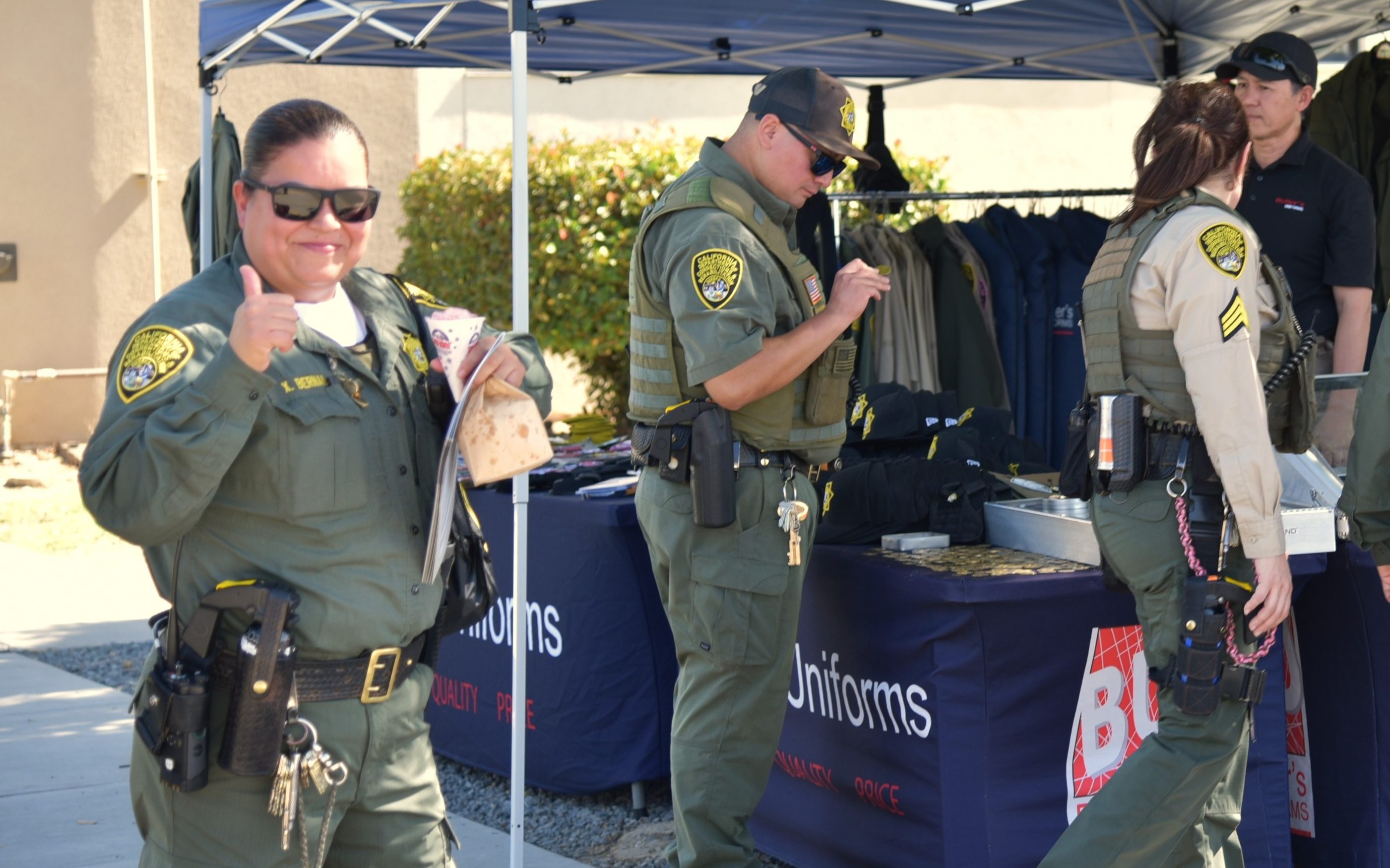
Avenal hosts staff health fair
Avenal State Prison (ASP) recently hosted a staff health fair bringing employees together to explore valuable resources and connect with…
Read More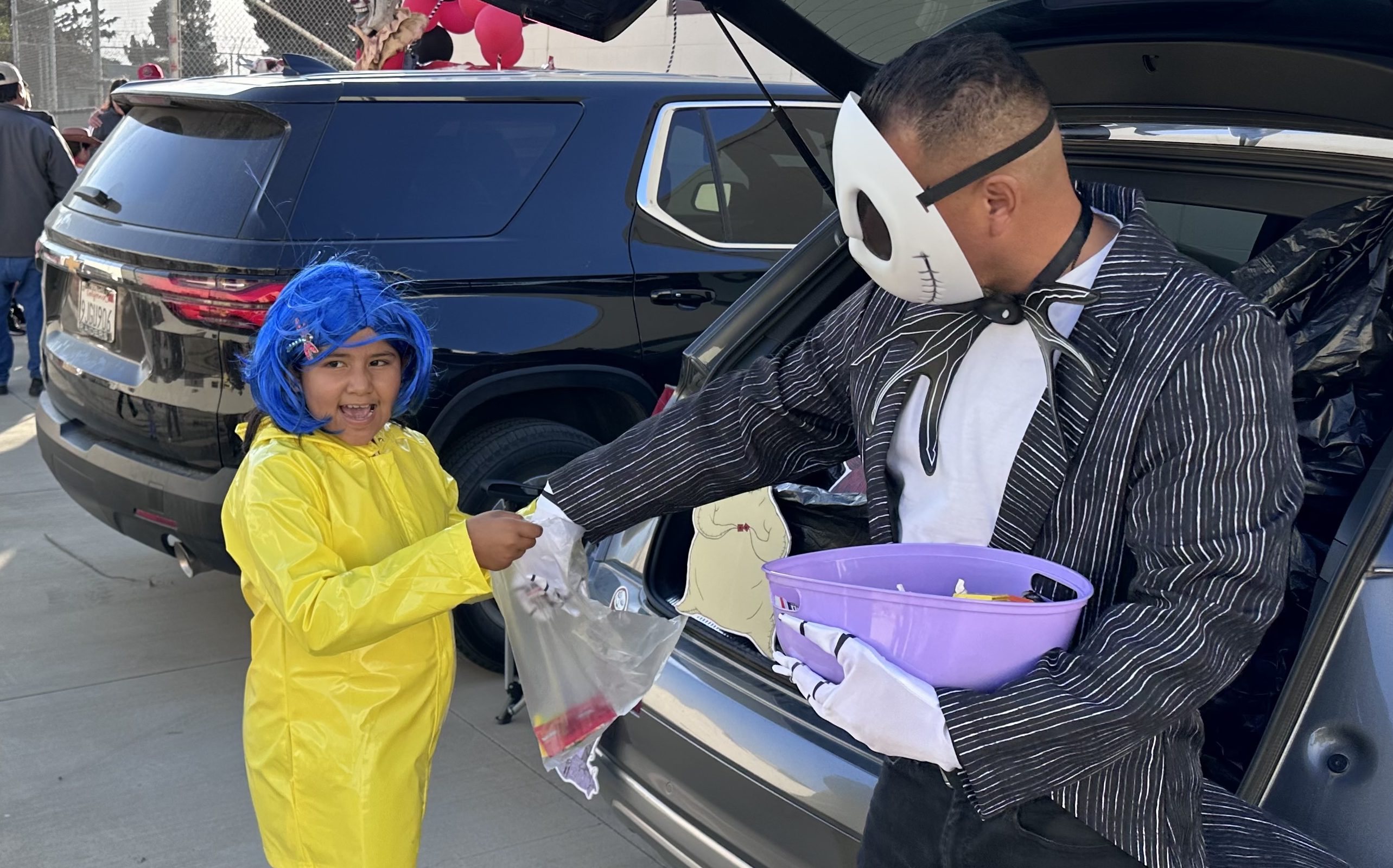
Staff enjoy Halloween, harvest events
Across the state every October, CDCR and CCHCS host Halloween and harvest events for staff and their families. This round-up…
Read More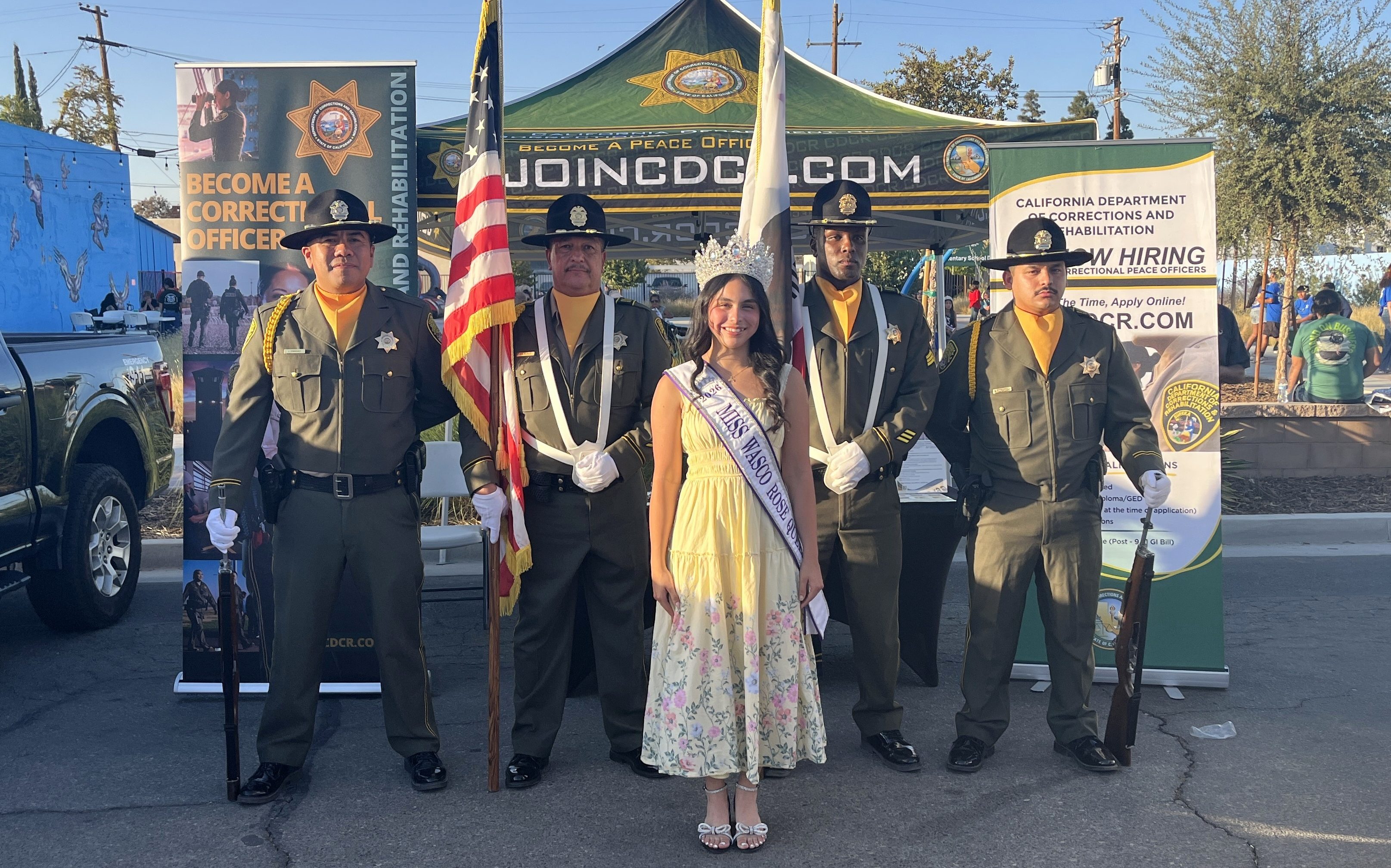
WSP‑RC staff get into fall National Night Out
Wasco State Prison-Reception Center (WSP-RC) Honor Guard and recruitment staff took part in a fall National Night Out. Hosted by…
Read More