


In this installment of Unlocking History, we look more closely at early California state Parole Officer R.A. Lang. He originally supervised youth paroled from Preston School of Industry in Ione in the 1920s and ’30s.
Since the first parole law was enacted in 1893, someone has been tasked with supervising those who earn parole. Early on, those released on parole were required to report to the institution, usually by mail or in-person. During the law’s first year, only four people were released.
In the early 1900s, as more staff members were hired, they were referred to as assistant or deputy parole officers.
Lang: Incentive, encouragement, recognition
Lang originally served as the parole officer at Preston prior to 1920. Then he became the acting superintendent of the institution. By 1930, he was the chief of parole for California, according to numerous newspaper accounts.
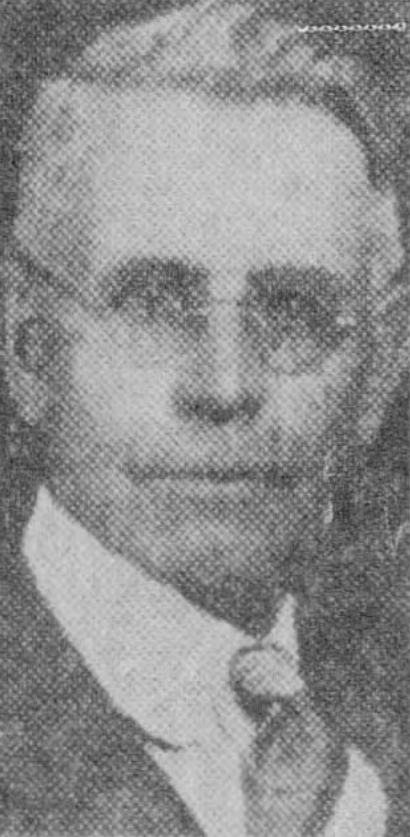
He was also known for trying to get various state, county and city officials to proactively prevent young people from entering the state prison system.
In November 1930, Lang met with 50 school officials, recreational group directors, police department representatives and members of the juvenile court system to discuss ways to keep youth out of state penal institutions.
“Incentive, encouragement and recognition are the three vital points necessary in all (youth) guidance efforts, R.A. Lang, state parole chief of California, told (the) group,” reported the Santa Barbara Morning Press, Nov. 7, 1930. “Members of the county probation committee cooperated in making the session a constructive one for (county) leaders who are interested in the welfare of youth.”
Lang said the goal of Preston was to get the youth to want to change.
“Paramount objectives of the boys who are placed in Preston are an early release and an award of the ‘diploma of honor’ signed by the governor of California, (signifying) the youth is a good citizen,” he told the group. “It is (then) up to the community where the boy has been committed from to see he is given a fair chance (to use what he’s learned at) Preston.”
Story by Don Chaddock, Inside CDCR editor
Office of Public and Employee Communications
Follow CDCR on YouTube, Facebook, X (formerly Twitter).