

Microsoft Teams Monthly Awareness Backgrounds
Please see the MS Teams instructions on how to upload backgrounds for your Teams meetings.
MARCH
FEBRUARY

JANUARY

DECEMBER






OCTOBER



SEPTEMBER



AUGUST





JULY




June





May



April

FEBRUARY





January
December


November

October



Global Diversity Awareness Month
Celebrate Global Diversity Awareness Month and pay tribute to the diverse minds and beliefs held by all cultures around the world. We live in a multicultural society and embracing the values of various cultures only strengthens our understanding and appreciation of the world. After the Second World War, The Universal Declaration of Human Rights was adopted by the United Nations General Assembly. It is an acknowledgment that we value all human beings, regardless of their nationality, color, race, sex, gender, country of origin, language, or otherwise. What Can I Do: Host a multicultural movie night or book club to open dialogue on the importance of cultural diversity. Support business owners from different backgrounds than your own. Keeping up with global happenings may be emotionally difficult at times, but can also be extremely informative in daily life, as we are all connected in one form or another.
International Pronouns Day – 16th
International Pronouns Day began in 2018 and takes place on the 3rd Wednesday of October each year. International Pronouns Day happens each year on the third Wednesday of October. Referring to people by the pronouns they determine for themselves is basic to human dignity and seeks to make respecting, sharing, and educating about personal pronouns commonplace. What Can I Do: Organize an event, workshop, social, or meet n’ greet with pronouns as the focus. Research and learn more about the importance of pronouns and how being referred to by the wrong pronouns particularly affects transgender and gender nonconforming people.
Spirit Day – 17th
Spirit Day is an annual observance that takes place on the third Thursday in October on October 17 this year. This day aims to create awareness for the bullying and harassment that the LGBTQIA+ community faces. Millions of people worldwide identify as queer, and many more are yet to publicly declare their status. Such a large community of people shouldn’t be alienated or marginalized because of their sexual orientation. All over the world, LGBTQIA+ youths suffer harassment because of their identity. What Can I Do: Research the history of Spirit Day and how it was first celebrated on October 20, 2010. Wear the color purple to show your support. Support LGBTQIA+ owned businesses. Engage in active bystandership and take a stand against bullying.
National Immigrants Day – 28th
Every year on October 28 National Immigrants Day gives us a reason to reflect on the United States history rich with the contributions of immigrants and just how unique that distinction is among the world’s 195 sovereign nations. As Americans, we are proud of our long history of welcoming immigrants from all parts of the world and value their contributions that add to our nation’s blend of cultures, customs, and traditions. What Can I Do: Research your family’s immigration path to the United States. Test your knowledge by taking one or more practice tests online at the United States Citizenship and Immigration Services website. Discuss how immigration has been an economic advantage to the United States in the world economy, providing business contacts and trade opportunities that have enhanced American profitability in the global marketplace.


September
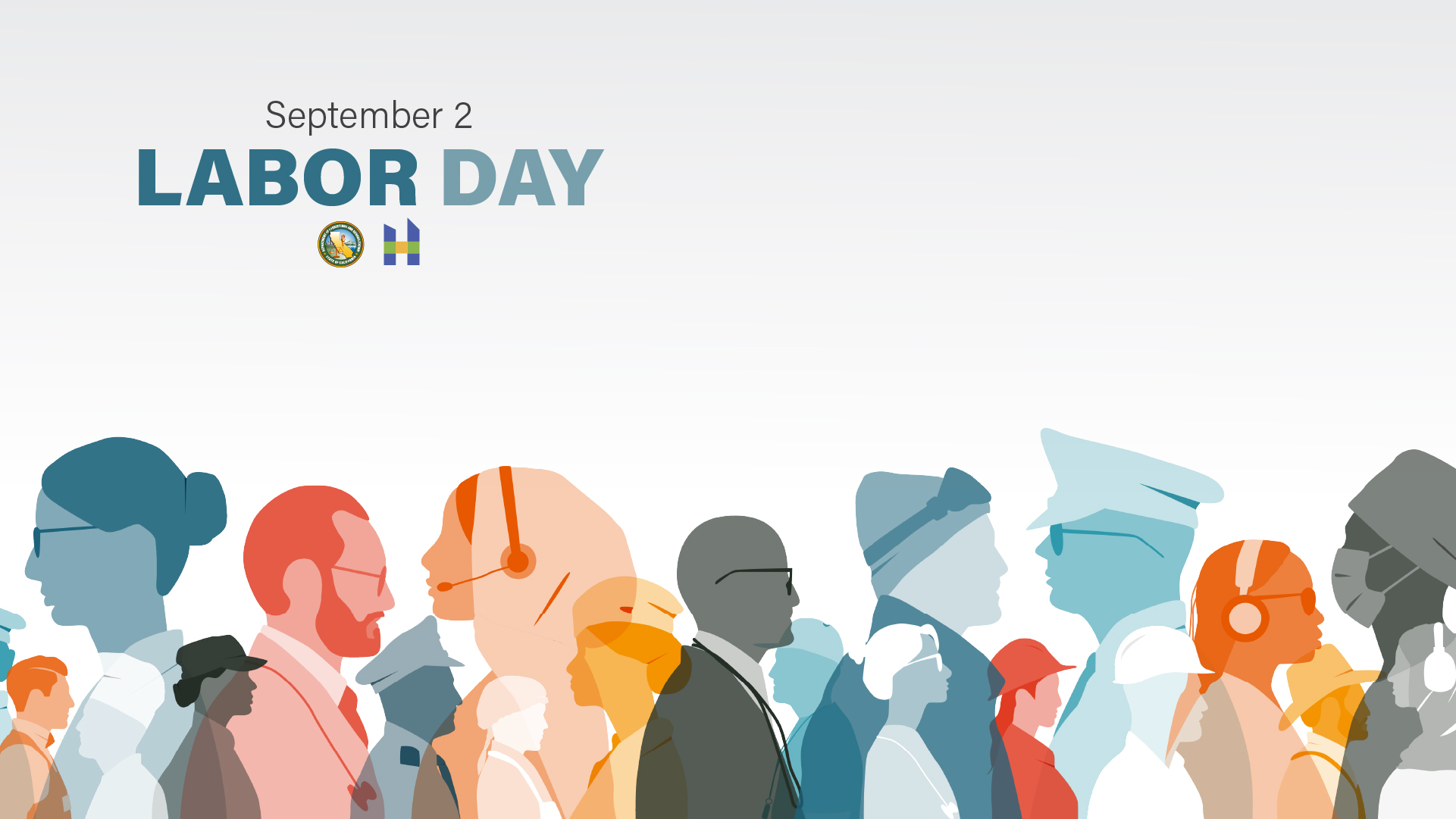
Labor Day – 2nd
Labor Day recognizes the American labor movement and workers’ contributions to America’s strength, prosperity, and well-being. It is a time to appreciate the hard work and dedication of workers who build and shape the economy and society. In the late 1800s, at the height of the Industrial Revolution, the average American worked 12-hour days and seven-day weeks. The trade union and labor movements grew in response to poor working conditions, and the idea of a laborers’ holiday spread across industrial centers. Folks celebrate with barbecues, parties, and parades. These celebrations bring communities together to celebrate workers and their families. What Can I Do: Support folks working on Labor Day, such as first responders, supermarket workers, law enforcement, and gas station attendants. Support legislation that guarantees fairness for pregnant workers, paid family and medical leave, paid sick time, flexible scheduling, breastfeeding protections, and more.
Latino/a & Hispanic Heritage Month – September 15 – October 15
Latino/a and Hispanic Heritage Month showcases the rich tapestry of culture, achievements, and contributions that Latino/a and Hispanic Americans have shared with this country, those whose ancestors came from Spain, Mexico, the Caribbean, and Central and South America. Observation of Latino/a and Hispanic Heritage Month started in 1968 as Hispanic Heritage Week by President Lyndon Johnson. President Ronald Reagan expanded it to a month in 1988, selecting September 15 – October 15 to encompass several significant dates including Independence Day for Costa Rica, El Salvador, Guatemala, Honduras, and Nicaragua (Sep. 15), Mexico’s Independence Day (Sep. 16), Chile’s Independence Day (Sep. 18), and Dia de la Raza (Oct. 12). What Can I Do: Educate yourself and others on the history and culture of the Latino/a and Hispanic communities. Attend a Latino/a and Hispanic Heritage Month event. Search for local celebrations and events and immerse yourself in Latino/a and Hispanic cultures. Support Latino/a and Hispanic owned businesses.
International Day of Peace – 21st
The International Day of Peace was established in 1981 by the United Nations General Assembly. Two decades later, in 2001, the General Assembly unanimously voted to designate the Day as a period of non-violence and cease-fire. The 2024 Theme for the International Day of Peace is “Cultivating a Culture of Peace”. This year marks the 25th anniversary of the United Nations General Assembly’s adoption of the Declaration and Program of Action on a Culture of Peace. What Can I Do: Arrange an interfaith/inter-generational gathering where people from different religious backgrounds can engage in meaningful conversations about peace, tolerance, and understanding. Encourage people to perform random acts of kindness throughout the day. Connect with and support local and international organizations that work towards peace. Organize sports activities that promote inclusion and break down barriers such as mixed-ability relay races, wheelchair basketball, and goalball.
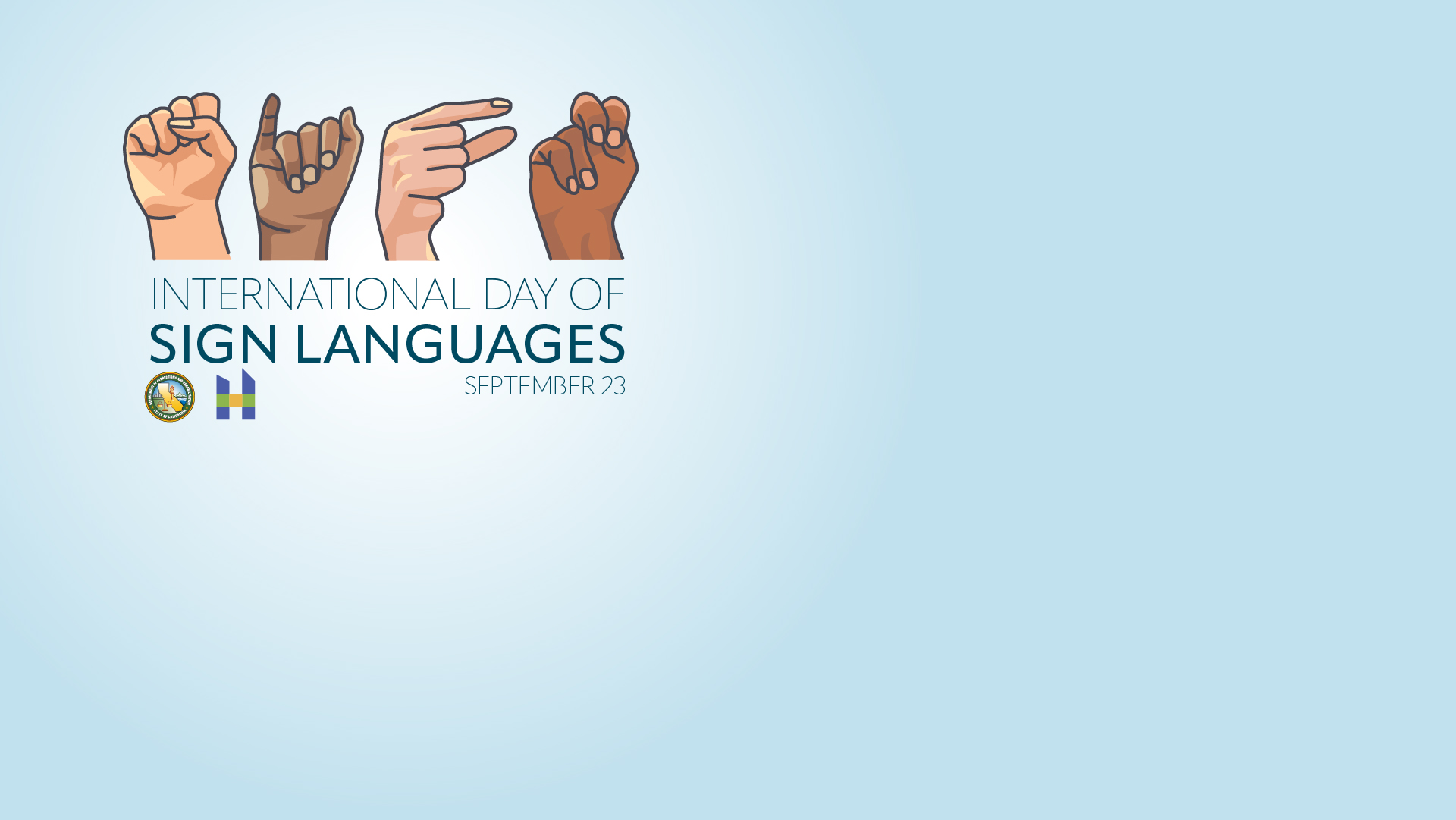
International Day of Sign Languages – 23rd
The International Day of Sign Languages is a unique opportunity to support and protect the linguistic identity and cultural diversity of all deaf people and other sign language users. According to the World Federation of the Deaf, there are more than 70 million deaf people worldwide. More than 80% of them live in developing countries. Collectively, they use more than 300 different sign languages. The UN General Assembly has proclaimed 23 September as the International Day of Sign Languages, commemorating the establishment of the World Federation of the Deaf in 1951, in order to raise awareness of the importance of sign language in the full realization of the human rights of people who are deaf. What Can I Do: Organize programs where deaf educators and speakers visit schools to share their experiences and teach basic sign language. Attend virtual or in-person sign language classes led by skilled instructors. Use social media to create awareness and encourage engagement. Launch a sign language challenge where participants post videos of themselves signing a phrase, quote, or a song.
If you have questions regarding the MS Teams backgrounds, please reach out to bridget.kennedy@cdcr.ca.gov
July


Independence Day – July 4
Independence Day has been a federal holiday in the United States since 1941 but has been celebrated long before that. It marks the anniversary of the United States’ independence from Great Britain in 1776. On July 2, in a near-unanimous vote, the Continental Congress approved a resolution for independence, and two days later the Declaration of Independence was adopted on July 4. What Can I Do: Attend an event happening near you, whether it is a parade, family party, block party, or barbecue. Spend time with friends and family. You can wear red, white, and blue to celebrate America’s freedoms.
National Disability Independence Day – July 26
National Disability Independence Day commemorates the signing of the Americans with Disabilities Act (ADA), which prohibits discriminating against people with disabilities. With approximately 54 million Americans with a disability, although legislation has helped promote inclusion and accessibility, ableism still exists. What Can I Do: Learn about language usage including words like ‘lame’ and ‘crazy. These words can be associated with a person’s identity and be hurtful or insulting. Be an ally. Speak up when people discriminate against individuals with disabilities. Advocate for workplace accessibility, accommodations, and polices. Support businesses run by people with disabilities.
National Parents’ Day – July 28
National Parents’ Day was established in 1994, when President Clinton signed a Congressional Resolution “recognizing, uplifting, and supporting of parents in bringing up their children.” It is observed on the 4th Sunday of July every year, with participation from citizens, educational institutions, government agencies, and organizations. An example is the Parents of the Year award. What Can I Do: If you are a parent, stepparent, foster parent, grandparent, etc., celebrate the day and all your amazing contributions. Acknowledge your parents, or those who have been like a parent to you with a call or visit. Support other parents.
World Day Against Trafficking in Persons – July 30
The day was established on December 18, 2013, by the United Nations General Assembly with the desire to: Raise awareness, promote the protection of the rights of trafficking victims, and encourage governments, organizations, and individuals to prevent and combat trafficking in persons. Those who lack legal status, live in poverty, lack access to education, face abuse, or come from marginalized communities are often the primary targets of traffickers. What Can I Do: Organize talks and events to raise awareness of human trafficking. Be well-informed. Set up a web alert to receive current human trafficking news. Become a mentor to a young person or someone in need. Traffickers often target people who are going through a difficult time or who lack strong support systems.
June
Pride Month
Pride Month promotes equal justice and opportunity for LGBTQIA+ people, celebrates a vibrant culture and community, and recognizes progress while advocating for equity. Celebrated in June in many countries, Pride Month commemorates the 1969 Stonewall Riots, also known as the Stonewall Uprising, in Manhattan, NY, which helped ignite the Gay Liberation Movement. What Can I Do: Attend a Pride parade, Pride fest, or other Pride event to celebrate. Speak up. Call out gender discrimination and sexist, homophobic, and transphobic behavior. You can replace gender-specific terms with gender-neutral terms such as ‘colleagues,’ ‘team,’ or ‘people’ instead of ‘ladies and gentlemen’ or ‘guys and gals.’ Support LGBTQIA+-owned or operated businesses.
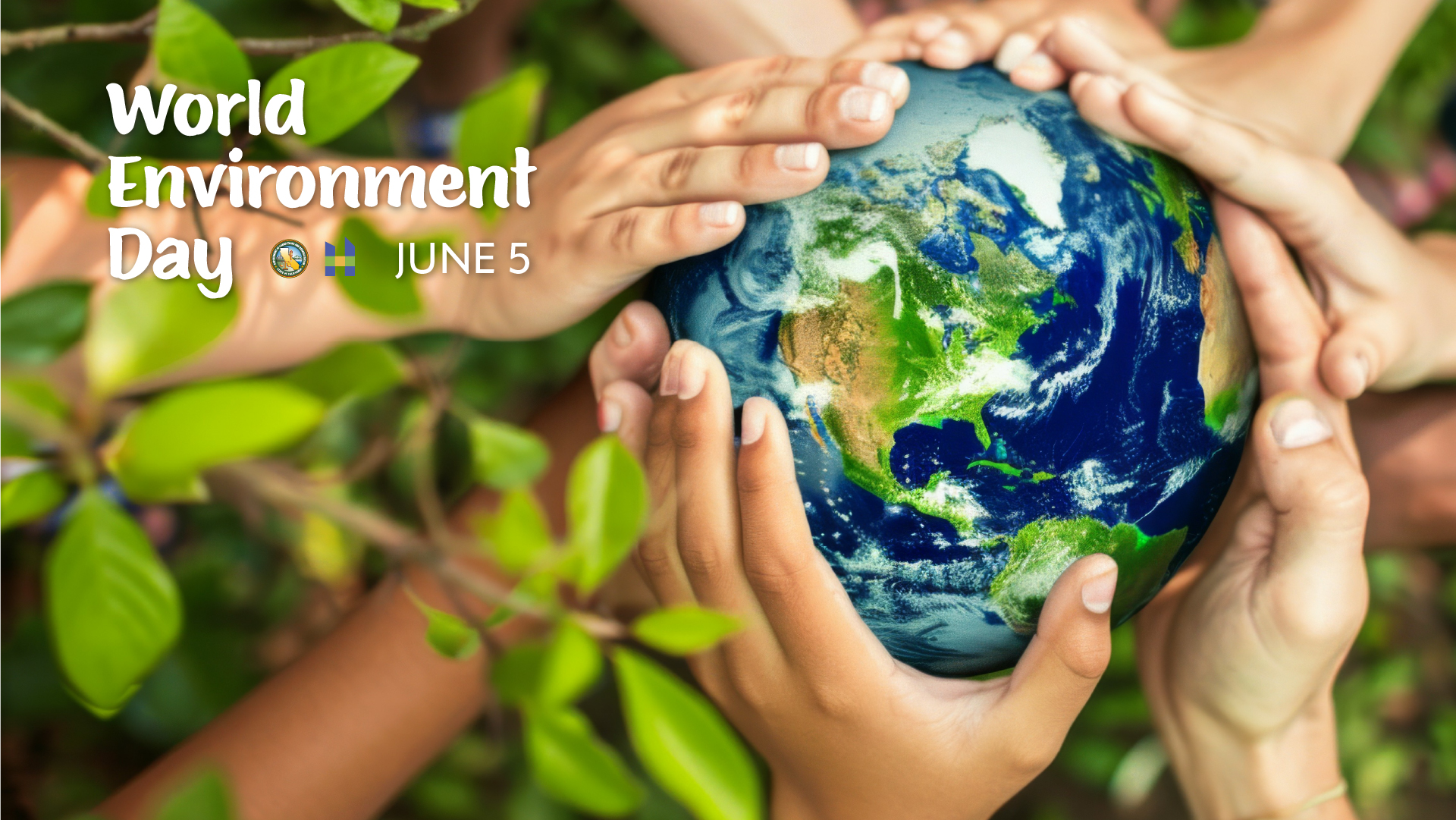
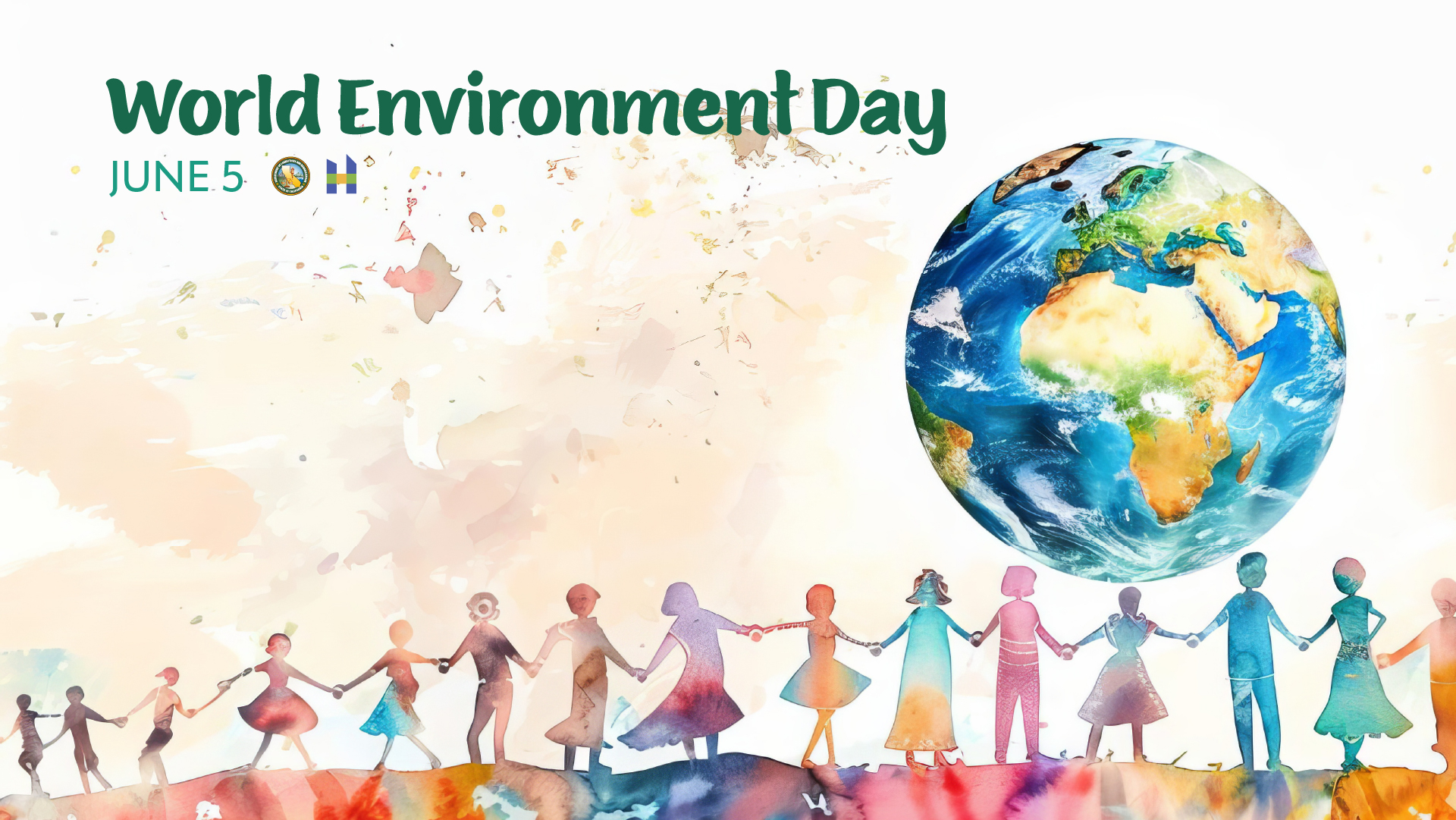
World Environment Day – June 5th
Led by the United Nations Environment Program (UNEP) and held annually on June 5 since 1973, World Environment Day is the largest global platform for environmental public outreach and is celebrated by millions of people across the world. The UN calls World Environment Day “the biggest day for positive environmental action.” It is a day for public outreach as well as personal responsibility—an “opportunity to care for the Earth and become agents of change.” What Can I Do: Get outside and experience nature, remember “take only pictures, leave only footprints.” Post about an ongoing environment issue that needs support and share why that issue matters to you. Plan a few meatless meals. Visit a farmers market and buy local products.
Juneteenth – June 19th
Juneteenth is a federal United States holiday observed on June 19. It marks the anniversary of issuing General Order No. 3 on June 19, 1865. Despite the signing of the Emancipation Proclamation on Jan. 1, 1863, almost two years later, on June 19, 1865, Union troops had to go into Galveston, Texas, to demand the emancipation of illegally held enslaved people. In December of 1865, the adoption of the 13th Amendment marked the constitutional end to slavery. Juneteenth is a time to acknowledge the lasting impact of slavery while celebrating the resistance of enslaved Africans to secure their freedom. What Can I Do: Work toward being a genuine ally who supports the Black community – not just on Juneteenth. Educate yourself and others on the deep-rooted history of slavery and its continued impact. Purchase products from Black-owned businesses and organizations throughout the year.
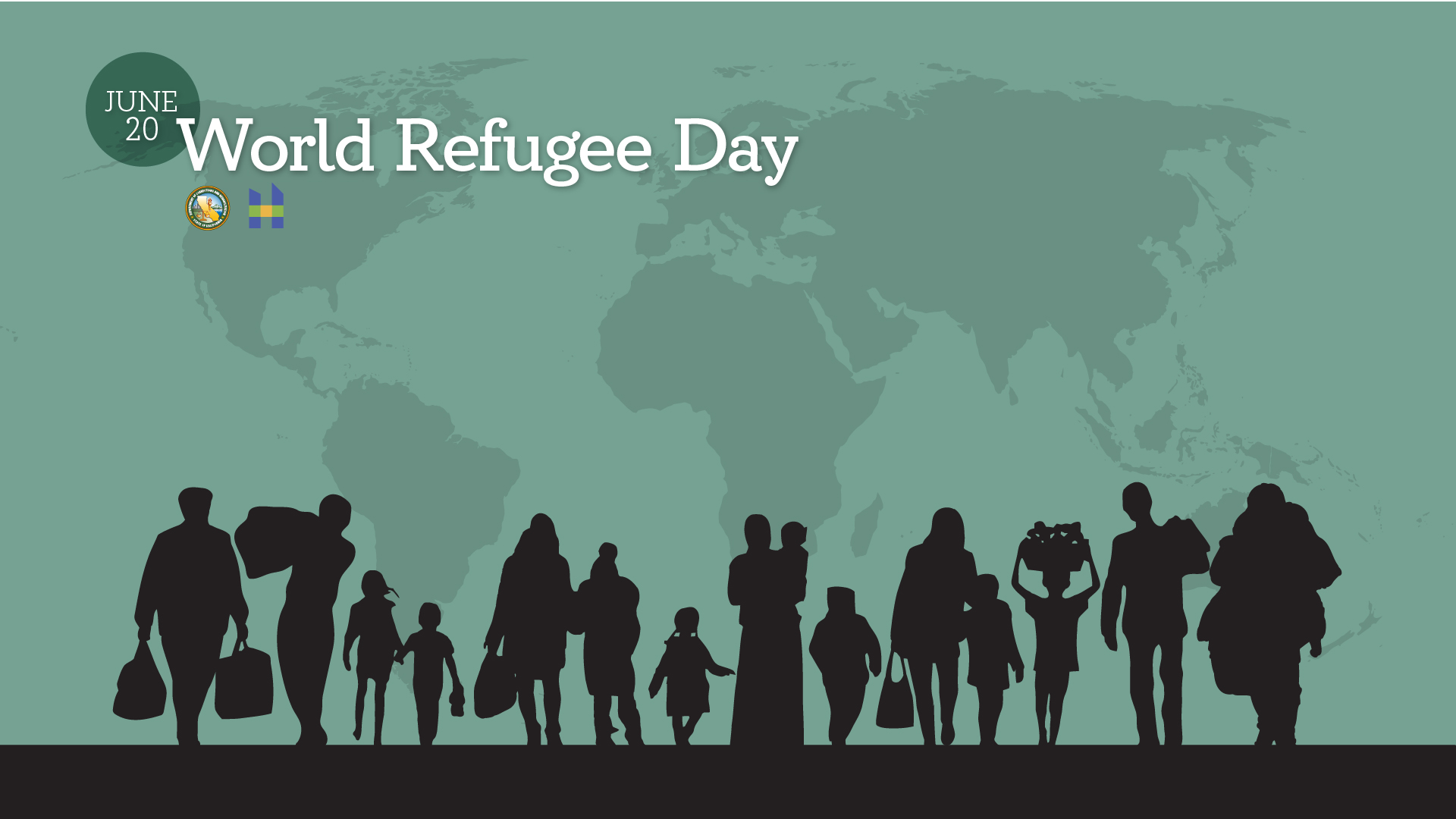
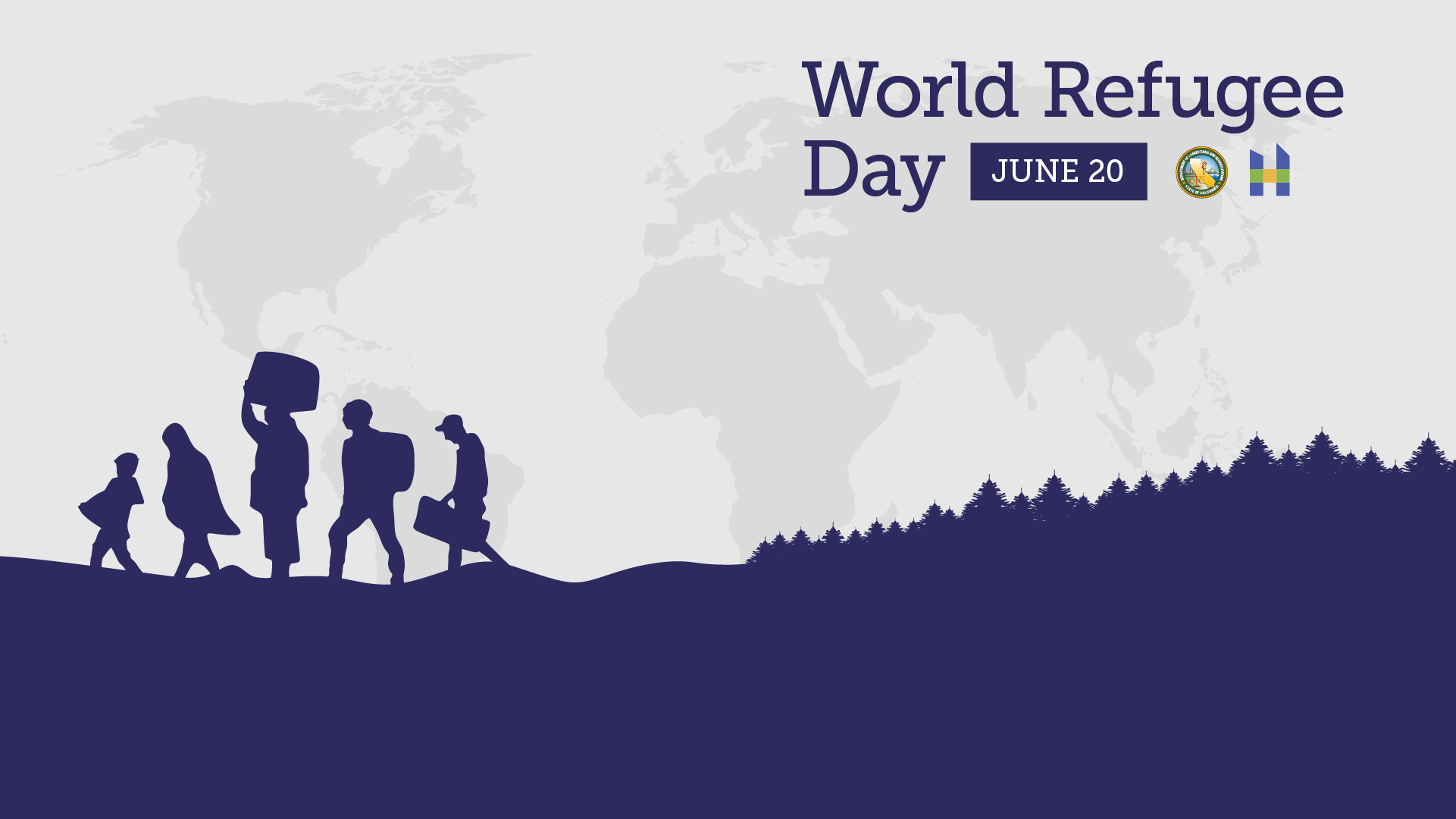
World Refugee Day – June 20th
World Refugee Day was first celebrated on June 20, 2001 to commemorate the 50th anniversary of the 1951 Convention Relating to the Status of Refugees. On World Refugee Day, we celebrate refugees’ contributions and seek to build empathy and understanding for their plight and their resilience to build a bright future. What Can I Do: The most effective way to support refugees is by including them in the communities where they have found safety — this means ensuring they have the opportunity to apply for jobs, enroll in schools and access services like housing and healthcare. Read and share stories – refugees are not a monolithic group, they are artists, doctors, lawyers, pilots, storytellers, and so much more. Donate or volunteer with a nonprofit that supports refugees in your community.
May

National Military Appreciation Month
May is Military Appreciation Month, a special time for those in and out of the military. It is a time designated to honor and recognize the contributions, sacrifices, and service of the members of the armed forces. Congress designated May as National Military Appreciation Month in 1999 to ensure the nation was given the chance to publicly show their appreciation for troops past and present. What Can I Do: Educate yourself and loved ones about the experiences of service members, veterans, and their families. Send a card or put together care packages for military members and veterans. Volunteer to help with upkeep and maintenance at military monuments and parks.
National Mental Health Awareness Month
May is National Mental Health Awareness Month, which aims to raise awareness of – and destigmatize – mental health conditions, advocate for mental health policies, and communicate that mental health is essential to our physical and emotional wellbeing. The observance was established in 1949 by Mental Health America. What Can I Do: Host or attend an event on mental health education, awareness, and advocacy. Create a safe space for the people around you to share their thoughts, emotions, and feelings – check in on your friends, family, colleagues, and neighbors. Research current mental health policy and how proposed policy changes will affect people with mental illness.
Peace Officers Memorial Day – May 15
In 1962, President Kennedy proclaimed May 15 as National Peace Officers Memorial Day and the calendar week in which May 15 falls, as National Police Week. Peace Officers Memorial Day and Police Week pay tribute to the local, State, and Federal law enforcement officers who serve and protect us with courage and dedication. What Can I Do: Support a peace officers charity and help the families of officers killed in the line of duty. Find your local peace officer organization to see how you can help, whether it’s a donation of time, money, food, or clothing. If you have a U.S. flag at home you can lower it to half its usual height to show respect and solidarity. Light candles for the brave peace officers who have been injured or lost their lives keeping the peace.
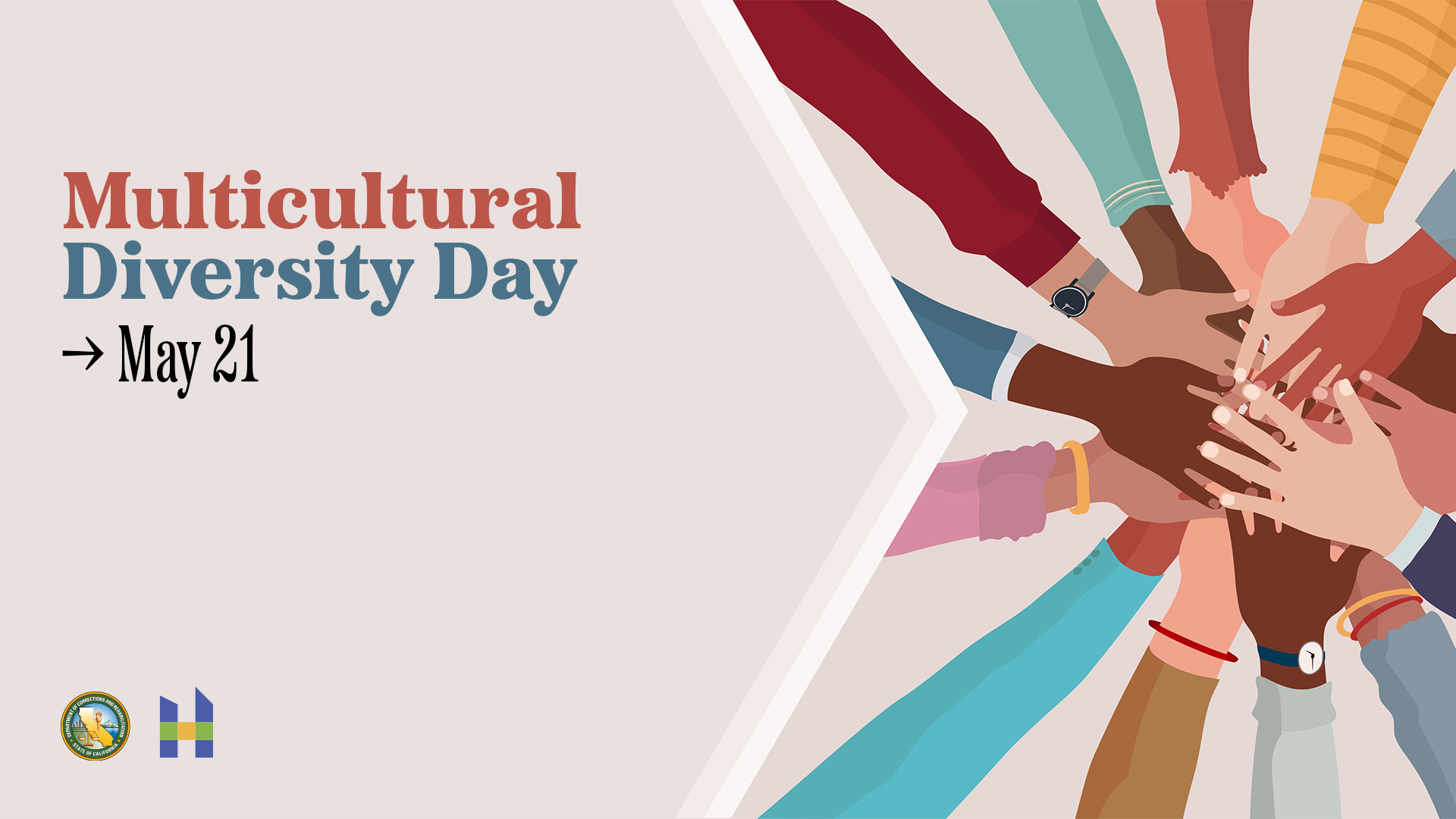
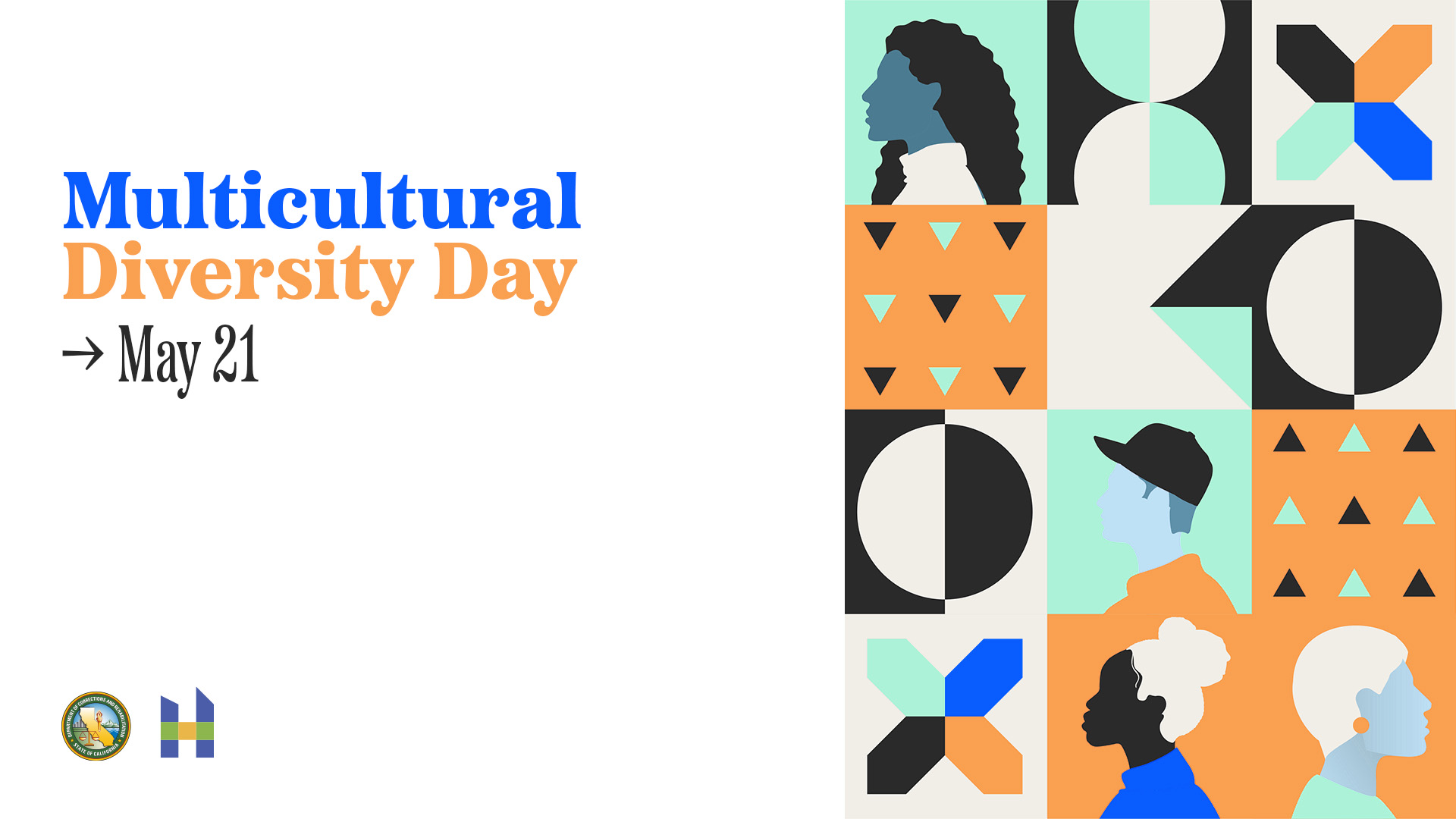
World Day of Multicultural Diversity – May 21
Launched by the United Nations (UN) in 2002, World Day of Cultural Diversity for Dialogue and Development, also referred to as “Diversity Day,” underscores the value of cultural diversity, the importance of creative and cultural sectors for generating social cohesion and economic growth, and the need to safeguard cultural practices worldwide. What Can I Do: Learn about different cultures. Read books by authors who are native to different cultures and countries. Strike up a conversation with a colleague, a friend, a neighbor, or a stranger. Other people’s stories, lived experiences, and histories can broaden your perspectives. Participate in local events. Learn about cultural events in your area and attend if they’re open to the public.
April

Autism Acceptance Month
The National Autism Society first held Autism Acceptance Month in April 1970. Formerly ‘Autism Awareness Month,’ in 2021, The Autism Society of America announced a shift in terminology from ‘awareness’ to ‘acceptance.’ Christopher Banks, president and CEO of The Autism Society of America, said, “Awareness is knowing that somebody has autism. Acceptance is when you include [a person with autism] in your activities.” What Can I Do: Learn about autism spectrum disorder (ASD) and how to interact with people who have an autism diagnosis. Be an ally. Speak up when people discriminate against people who are neurodivergent. Advocate for workplace accessibility, accommodations, and policies that support neurodivergent people.
National Child Abuse Prevention Month
During April, we recognize National Child Abuse Prevention Month (NCAPM) and the importance of communities working together to support and strengthen families and prevent child maltreatment. Throughout the year, communities are encouraged to increase awareness about child and family well-being and work together to implement effective strategies that support families and prevent child abuse and neglect. What Can I Do: Wear blue on Friday, April 5th for Wear Blue Day to kick off NCAPM with momentum. You can participate in Prevent Child Abuse America’s nationwide digital advocacy day on Tuesday, April 16. Contact your member of Congress to advocate for increased investments for Community-Based Child Abuse Prevention.
National Day of Silence – April 12th
Started by Maria Pulzetti and Jesse Gilliam as a grassroots movement at the University of Virginia in 1996. The Day of Silence was officially sponsored by the Gay, Lesbian, and Straight Education Network (GLSEN) in 2001. Day of Silence is a student-driven day of silent activism focused on reclaiming the void caused by the systematic erasure and silencing of voices in the LGBTQIA+ community in schools and colleges nationwide. This day long observance is concluded with a Breaking the Silence event where students, educators, and community members tell their stories and develop strategies to drive impactful change. What Can I Do: Connect and volunteer with local LGBTQIA+ community youth. Participate in a local or virtual Break the Silence rally. Invite people to challenge their understanding of systems and what fosters a safe and fully inclusive environment for LGBTQIA+ students at all levels.
World Day of Safety and Health at Work – April 28th
In 2003, the International Labour Organization (ILO), began to observe World Day in order to stress the prevention of accidents and diseases at work. It is an awareness-raising campaign intended to focus international attention on the magnitude of the problem and on how promoting and creating a safety and health culture can help reduce the number of work-related deaths and injuries. What Can I Do: Invite a workplace safety expert to your business to conduct specialized training. Create safety training activities with your staff. Follow #WorldDayForSafety or #WorkSafe on social media.
March

Women’s History Month
In 1987 President Ronald Reagan declared March as Women’s History Month. Women’s History Month recognizes and celebrates the contributions of women to society. It’s also an opportunity to learn about gender discrimination, sexism, and the persistence of each. Women’s History Month calls for gender equality – for equal power, opportunity, education, financial independence, and representation for all. What Can I Do: Thank the important women in your life! Learn about noteworthy women in American history. Support women-owned businesses. Advocate for change – support legislation and benefits that impact women’s rights. Speak up and call out gender bias, discrimination and sexist behavior.
Gender Equality Month
Gender Equality Month is a time to reflect on our progress toward gender equality and the work we still must do regarding gender bias and discrimination. Gender inequality perpetuates unequal access to leadership and political positions, healthcare and education, gender-based violence, the gender wage gap, and other disparities. It impacts women, men, transgender, non-binary, and gender-diverse people, and their families. What Can I Do: Ask people what pronouns they use or use their name until you learn their pronouns. Educate yourself and others on the history and impact of gender inequality. Equitably share household and caregiving responsibilities. Speak up and call out gender bias, homophobic and transphobic behavior.
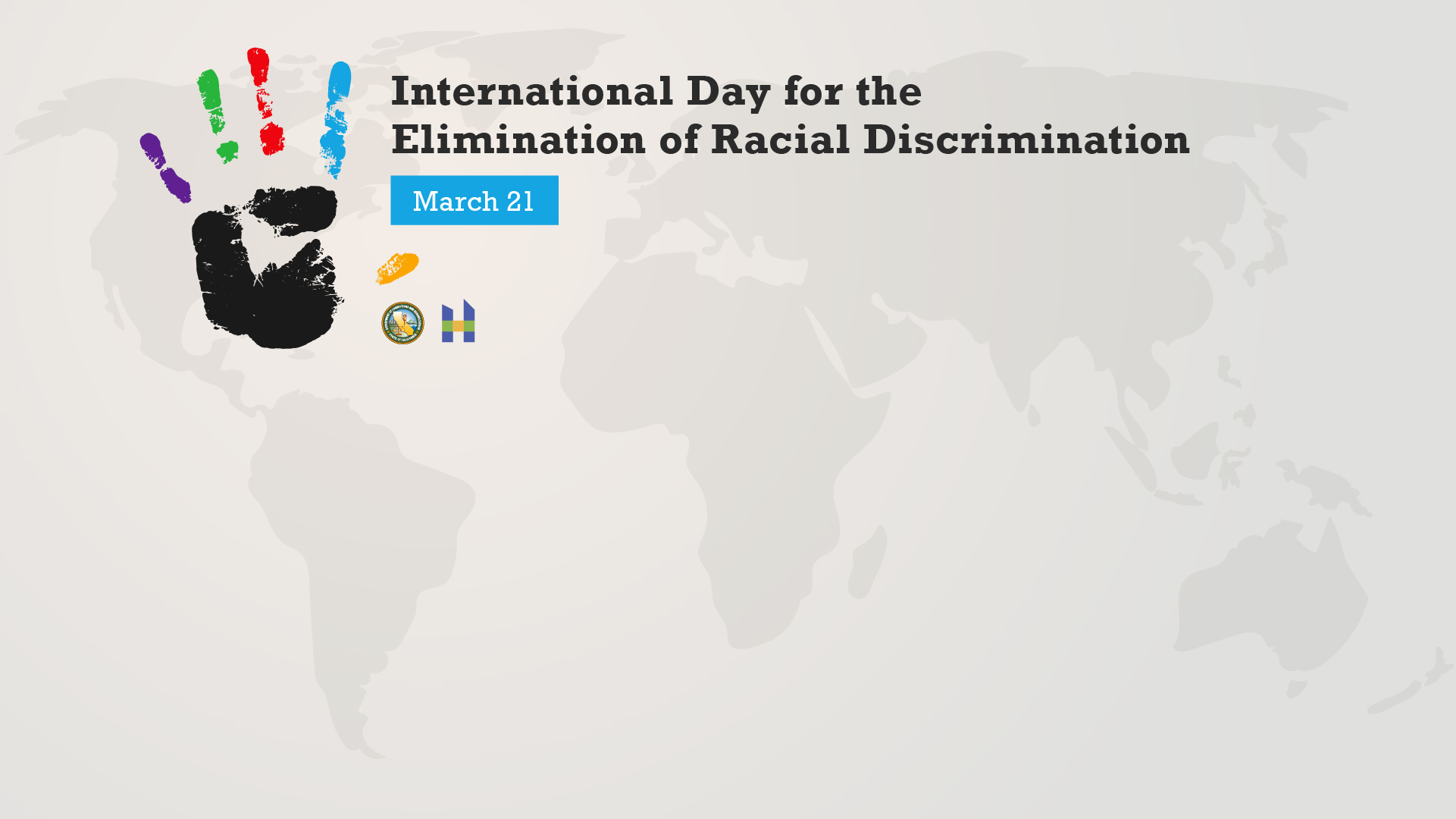
International Day for the Elimination of Racial Discrimination – March 21st
Started by the United Nations (UN) in 1966, the day commemorates the anniversary of the 1960 Sharpeville Massacre when 69 South African people peacefully protested apartheid pass laws. International Day for the Elimination of Racial Discrimination now encourages people to fight racial discrimination worldwide. What Can I Do: Validate the thoughts and experiences of people of color. Do not be afraid to discuss discrimination and have tough conversations. Be open to receiving feedback on how your words or actions impact others. Support businesses owned by people of color. Learn about microaggressions and how to acknowledge and avoid them effectively.
National Doctors Day – March 30th
On March 30th each year, National Doctors Day honors the professionals for their dedication and contributions to society and the community. Their dedication puts the patient first time and again. On National Doctors Day, we say “thank you” to our physicians for all that they do for us and our loved ones. What Can I Do: Take the opportunity to thank your physician for responding to late-night phone calls, working long hours, and providing care. If you are a doctor or in the medical field, share your experiences. Your story may inspire someone to medicine as a career path. Use #NationalDoctorsDay to post on social media.
February
Black History Month
Black History Month (or African American History Month), observed annually in February, celebrates the achievements and contributions of African Americans throughout history. Originating in the United States, it honors key figures of the U.S. civil rights movement like Martin Luther King Jr., Rosa Parks, and Malcolm X, along with international figures like Olaudah Equiano, Ignatius Sancho, Mary Seacole, Viola Desmond, and many others. In 1976, under President Gerald Ford, the week-long event was increased to a month and changed to Black History Month. He emphasized the importance of the celebrations “…to honor the too-often neglected accomplishments of Black Americans in every area of endeavor throughout our history.” What Can I Do: Join Black History Month events! Listen to a lecture or panel discussion, visit a museum or special exhibit displaying African American history and art, view a film or documentary screening, or attend a music performance. Research prominent Black figures in history and share their stories. Volunteer with an organization rooted in social justice for Black and African Americans. Purchase products from Black-owned businesses and organizations throughout the year, not just during Black History Month.
Lunar New Year – February 10th
Lunar New Year, commonly called Chinese New Year or Spring Festival, is an important celebration worldwide, particularly in Asian countries. The 15-day holiday marks the start of the lunar calendar year, beginning with the first new moon and ending with the first full moon. Symbolically, Lunar New Year is a time of renewal and rebirth, luck and good fortune, and gratitude and reflection. Chinese New Year dates back to the 14th century under the Shang Dynasty. An estimated 2+ billion people worldwide celebrate Lunar New Year. Red is an auspicious color for the Chinese New Year, symbolizing luck, joy, and happiness. Each Lunar New Year is associated with one of 12 zodiac animals according to the Chinese zodiac cycle: rat, ox, tiger, rabbit, dragon, snake, horse, goat, monkey, rooster, dog, and pig. What Can I Do: Learn about the Lunar New Year through books, podcasts, and other resources. Wish folks who celebrate the Lunar New Year a Happy New Year! Attend a public Lunar New Year parade, Lantern Festival, or lion or dragon dance. Learn about cultural discrimination – how it appears and how to respond as an ally.
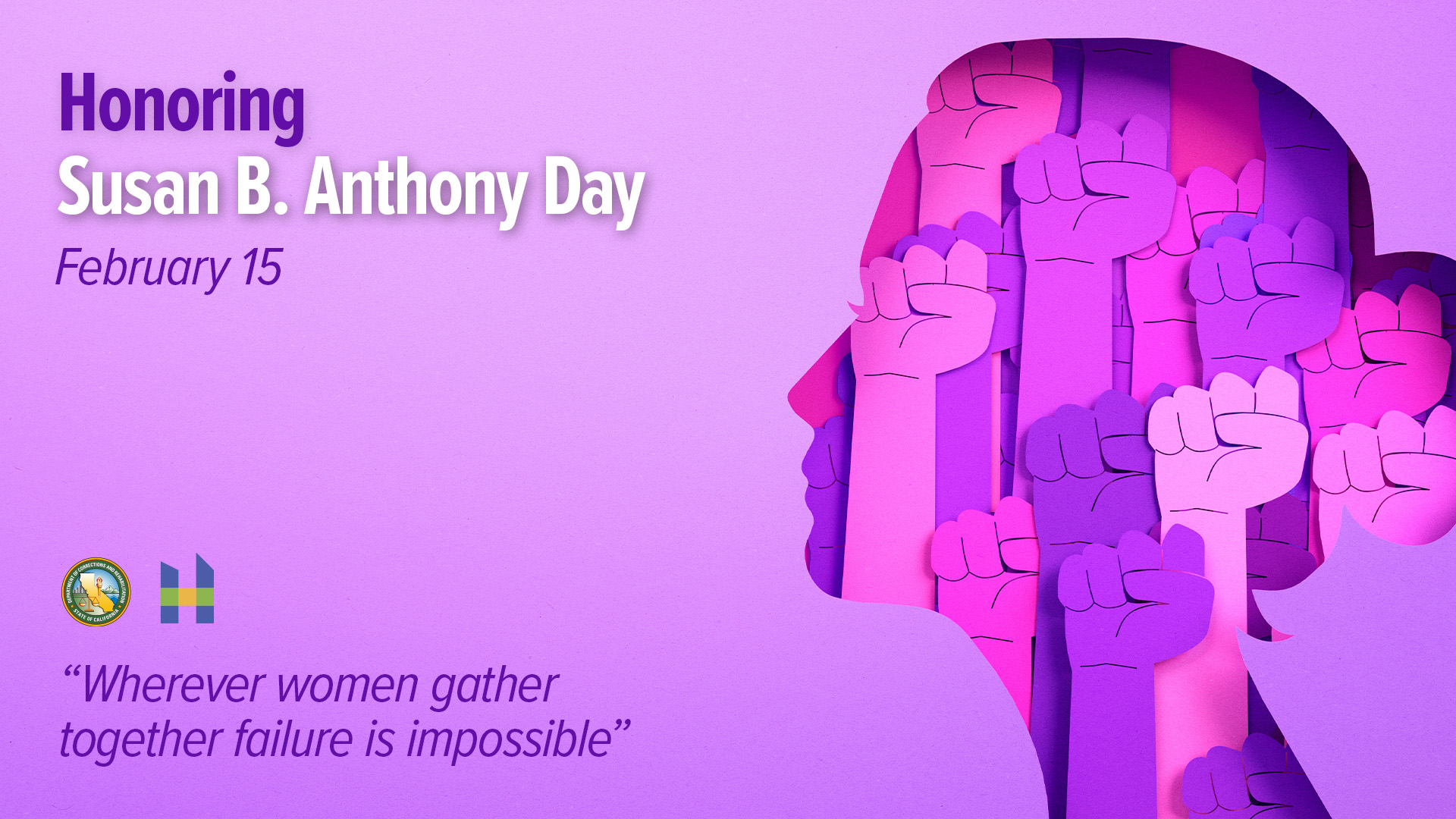
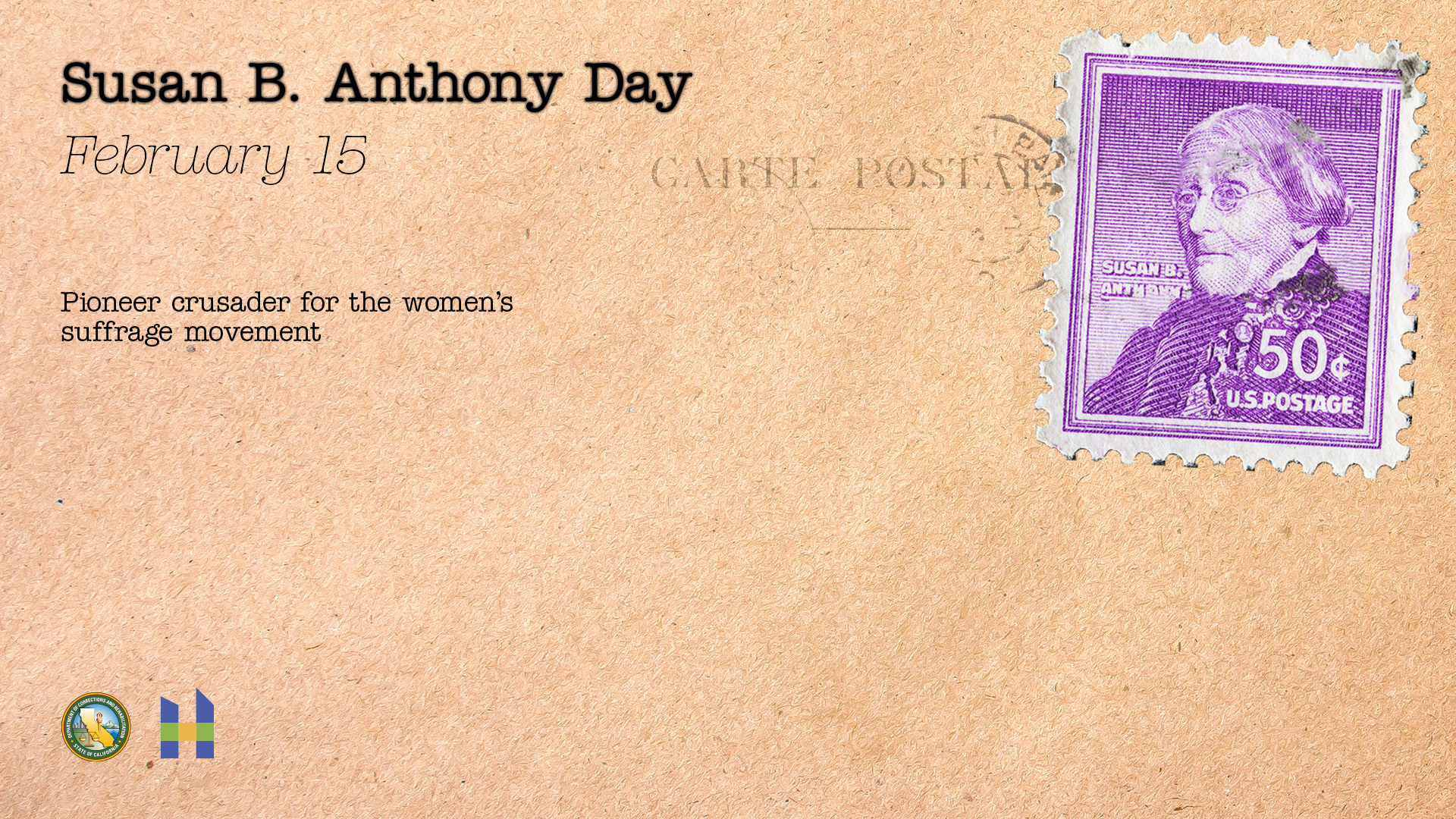
Susan B. Anthony Day – February 15th
Susan B. Anthony Day is celebrated on February 15 every year. This day marks the birth of Susan Brownell Anthony, who was one of the most influential women in American history. To honor this day, memorial ceremonies are held at her gravesite in Rochester. Similar services are offered in other places like Washington D.C. Anthony fought a lifelong battle for suffrage for women, equal labor, and educational rights for women. She also took a stand against the practice of slavery. While campaigning for the temperance movement, she was refused a chance to talk at a convention because she was a woman. This led her to realize that women would never be taken seriously in politics unless they had the right to vote. What Can I Do: In memory of this visionary activist, you might want to share a post about her life and accomplishments on social media. Take the pledge to uphold women’s rights and contact your State’s elected officials to advocate for laws enforcing women’s rights. Have open discussions and teach others the importance of gender equity.
World Day of Social Justice – February 20th
Proclaimed by the General Assembly of the United Nations (UNGA) in 2007 and launched by the United Nations (UN) in 2009, World Day of Social Justice raises awareness around issues of injustice. According to the UN, “On the World Day of Social Justice, we recognize the importance of tackling poverty, exclusion, and unemployment, in order to promote solidarity, harmony, and equality of opportunity within and between societies.” Social justice, as defined by the John Lewis Institute for Social Justice, is “a communal effort dedicated to creating and sustaining a fair and equal society in which each person and all groups are valued and affirmed.” What Can I Do: Learn about different cultures. Read or listen to books about other countries and cultures written by authors native to that country. Learn the deep-rooted history of inequality and injustice in the United States and worldwide. Check out books and documentaries on racism, white privilege, identity, and more. Grow as an ally. Call out discriminatory words and actions. And validate the thoughts and experiences of people of color.
January

Summaries for December MS Teams Backgrounds
National Slavery and Human Trafficking Awareness Month
National Slavery and Human Trafficking Awareness Month raises awareness of modern forms of slavery in the United States, including forced labor, child labor, and human trafficking, and works towards eradicating it. Over 40 million adults are currently involved in modern-day enslavement, along with 150 million children forced to provide child labor around the world. What Can I Do: Wear Blue – Blue is globally recognized as the color for raising awareness for human trafficking. Attend a webinar or watch a documentary to learn more about modern slavery happening in the United States. Research and teach your children and loved ones about how to stay safe online and in public spaces.
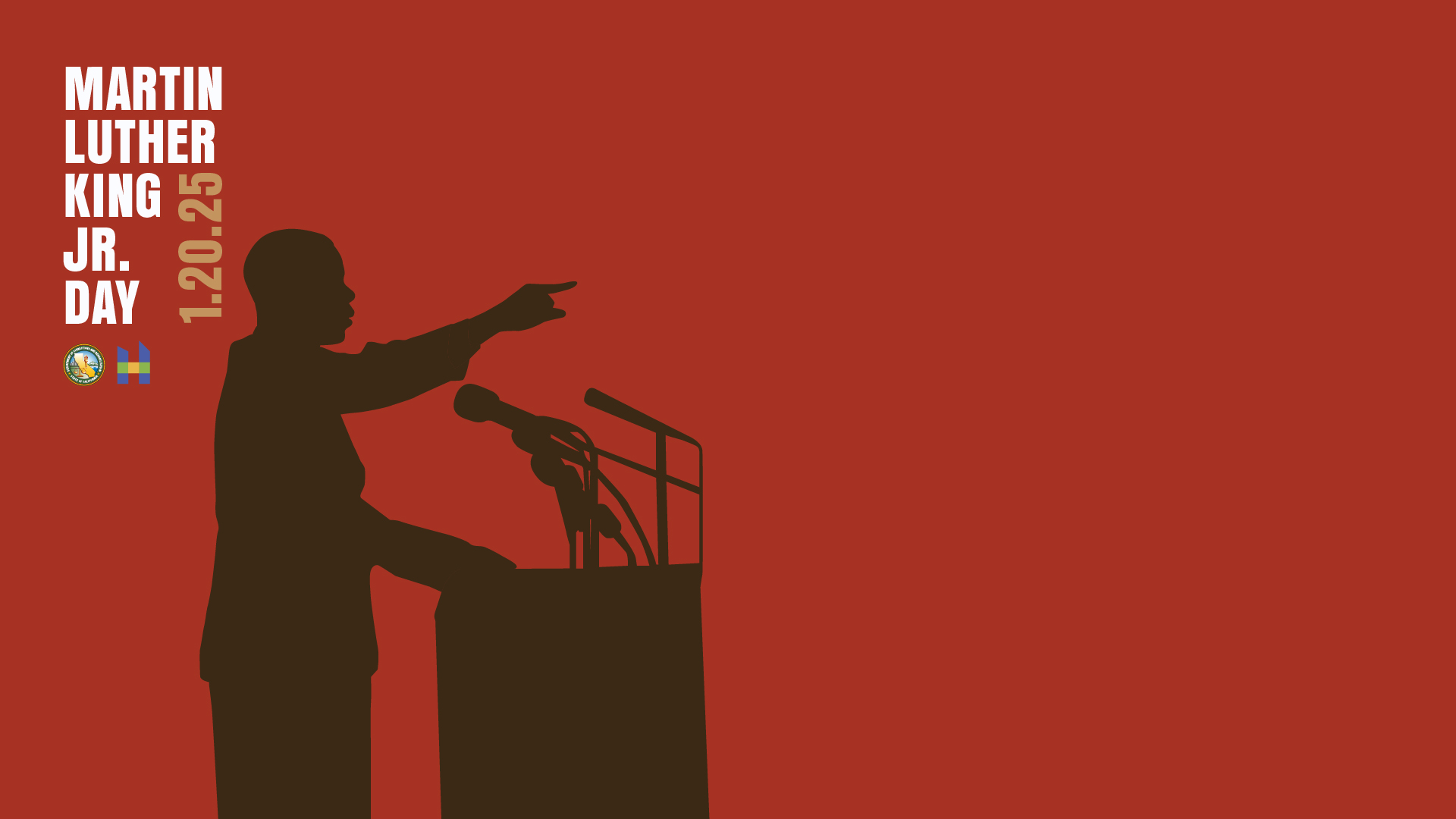
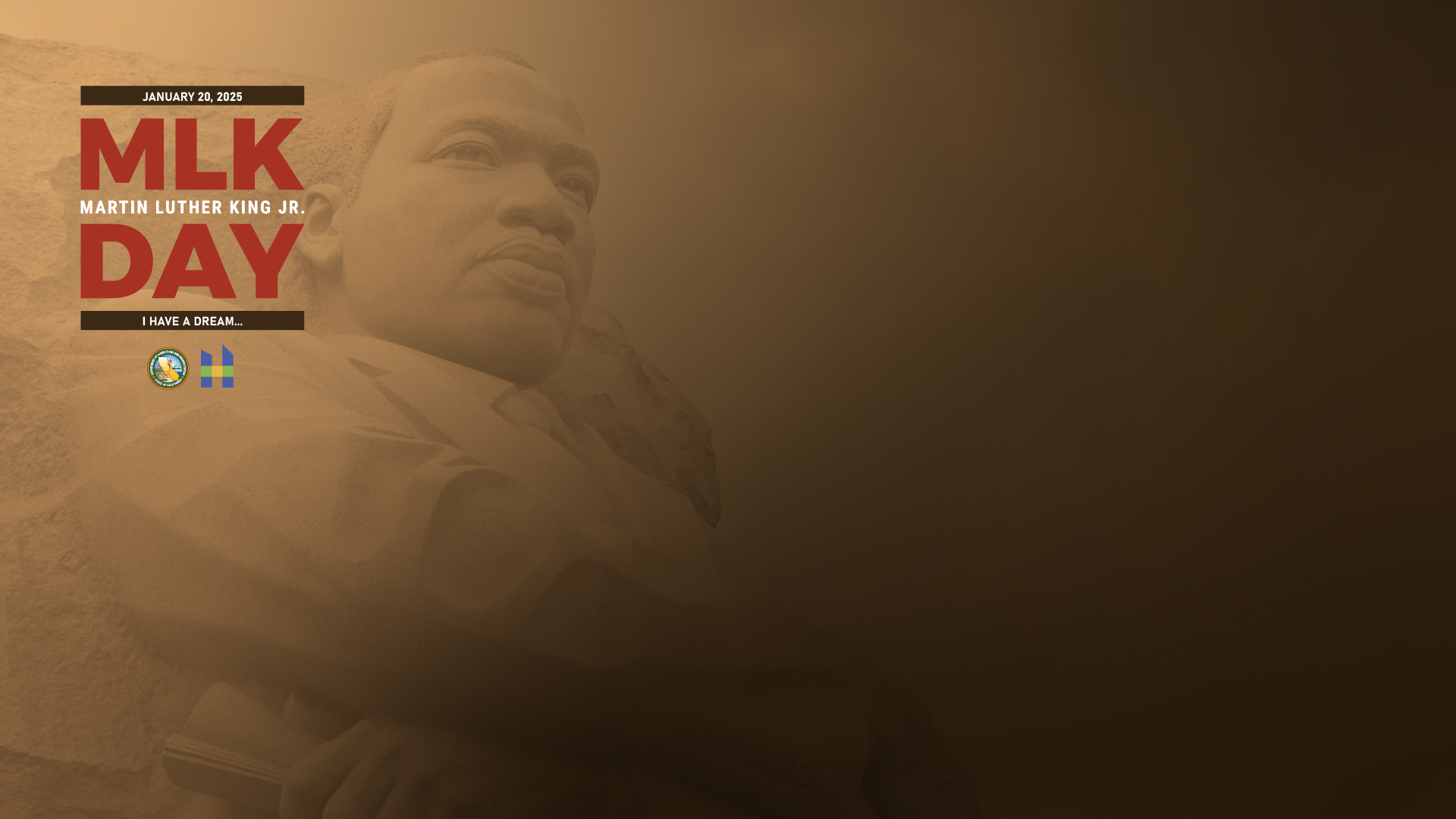
Martin Luther King Jr. Day – January 15th
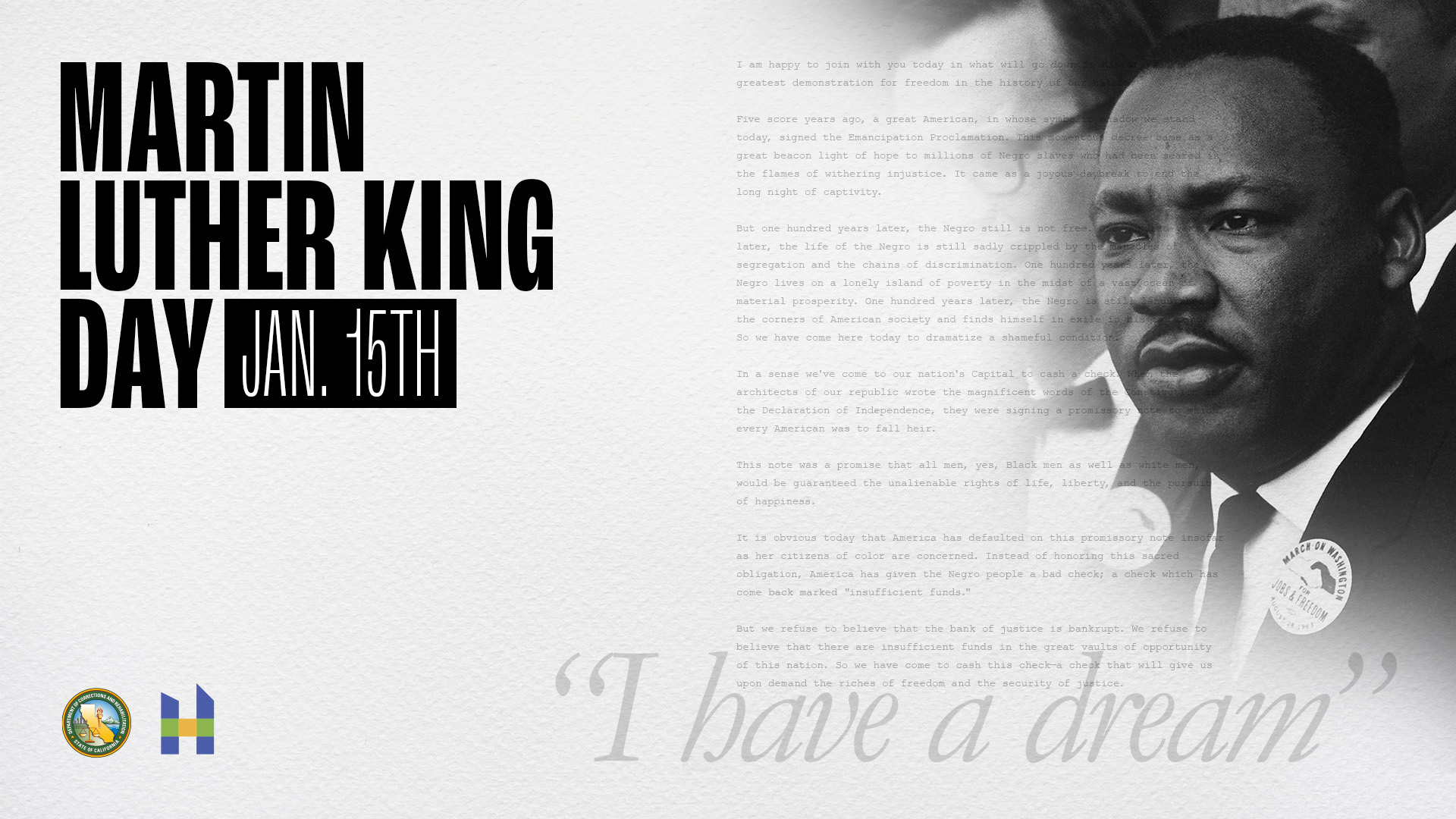
Martin Luther King Jr. Day, or MLK Day, commemorates the life and work of Dr. Martin Luther King, Jr., an African American activist who encouraged the use of nonviolent means to end racial segregation. This day honors Martin Luther King Jr.’s legacy and serves as a reminder of the journey for racial equality and non-violent social change, as well as the work still needed to achieve his dream of a world in which all humans are truly equal. What Can I Do: Address hiring practices. Seek out diverse candidates, commit to diverse interview panels, and focus on bringing diversity into departments, roles, and leadership. Support or partner with groups and organizations that strive to advance equal rights or advocate against racism. Read more about Martin Luther King Jr. and what he stands for. Read his Letter from Birmingham Jail and listen to his “I Have a Dream Speech”.
International Customs Day – January 26th
International Customs Day is celebrated on January 26 every year and was initiated by the World Customs Organization (W.C.O.) in 1983. This day celebrates all the customs officials and agencies that toil day in and day out to ensure effective world trade management. They have helped develop and implement various customs systems and procedures that guarantee our security. What Can I Do: Thank a Customs Official – show appreciation by sending a thank-you note to a customs official, recognizing their hard work in keeping things safe. Stay informed on customs rules here and those in other countries.
International Holocaust Remembrance Day – January 27th
In remembrance of the anniversary of the liberation of Auschwitz-Birkenau (January 27, 1945), the United Nations General Assembly (UNGA) designated January 27 as International Holocaust Remembrance Day. Each year, the UN honors the six million Jewish victims of the Holocaust and the millions of other victims of Nazism. International Holocaust Remembrance Day commemorates the people who were killed during the Holocaust, emphasizes the universality of human rights, and reminds us of the importance of developing educational programs to help prevent future genocides. What Can I Do: Participate in official UN Holocaust Remembrance Day events. Visit a Holocaust museum, Jewish community center, or synagogue in your area. Educate yourself on anti-Semitism and speak up against it and other forms of hate.
December





Summaries for December MS Teams Backgrounds
International Day of Disabilities – December 3rd
International Day of Persons with Disabilities raises awareness, education, and advocacy for the rights and well-being of persons with disabilities. Founded in 1992 by the United Nations, it is celebrated around the world. The purpose is to promote understanding of disability issues and mobilize support for the dignity, rights, and well-being of persons with disabilities. What Can I Do: Attend an event or conference with an organization dedicated to persons with disabilities. Volunteer with or donate to a nonprofit organization for disability advocacy and inclusion. Educate yourself on how you can better support someone with a disability. Accessibility is important – be sure to add captions to virtual and live presentations and use inclusive language. Increase awareness of the benefits of having people with disabilities in every aspect of political, social, economic, and cultural life.
International Genocide Prevention Day – December 9th
September 29, 2015, the United Nations General Assembly established December 9th as the International Day of Commemoration and Dignity of the Victims of the Crime of Genocide and of the Prevention of this Crime. This year marks the 74th anniversary of the 1948 Convention on the Prevention and Punishment of the Crime of Genocide (CCPCG) which codified, for the first time, the crime of genocide in international law. Its preamble recognizes that “at all periods of history genocide has inflicted great losses on humanity” and that international cooperation is required to “liberate humankind from such an odious scourge”. To date, 153 States have ratified the Convention. What Can I Do: Create a social media campaign raising awareness about contemporary genocide or a mass atrocity. Become a member of an organization such as the Holocaust Museum LA, that empowers individuals and communities to take action to prevent/end genocide. Contact your elected officials and learn more Link to CPPCG.
International Human Rights Day – December 10th
Since 1948, International Human Rights Day commemorates the United Nation’s adoption of the Universal Declaration of Human Rights (UDHR), an international charter promoting the rights and freedoms of all human beings. The declaration is a charter that seeks to ensure fairness and respect for all humans despite social, religious, cultural, and economic diversity. What Can I Do: Make the Human Rights Pledge: you can formally sign the pledge on the United Nations Association of the USA’s website. Watch Eleanor Roosevelt’s 1948 speech on human rights. As the first Chair of the United Nation’s Council of Human Rights, she speaks on the first Human Rights Day, emphasizing the importance of recognizing Universal Human Rights. Read the Universal Declaration of Human Rights. Found in 500 languages, including sign language, we can all learn our inalienable human rights.
International Migrants Day – December 18th
Every year on 18th December, the world marks International Migrants Day, a day set aside to recognize the important contribution of migrants while highlighting the challenges they face. Regardless of the reasons that compel people to move, migrants and displaced people represent some of the most vulnerable and marginalized groups in society, and are often exposed to abuse and exploitation and have limited access to essential services including healthcare. Despite this, migrants have proven to be a source of prosperity, innovation, and sustainable development to countries of origin, transit, and host countries. Their financial contribution through remittance offers a lifeline to families and spur local markets while their role in the labor market remains invaluable as evident on the frontline of the COVID-19 pandemic response. Their knowledge, networks, and skills have greatly contributed to the development of resilient communities. What Can I Do: Learn more about how migration has positively shaped your community and your ancestry.
November




October




September



August


July

June





May