

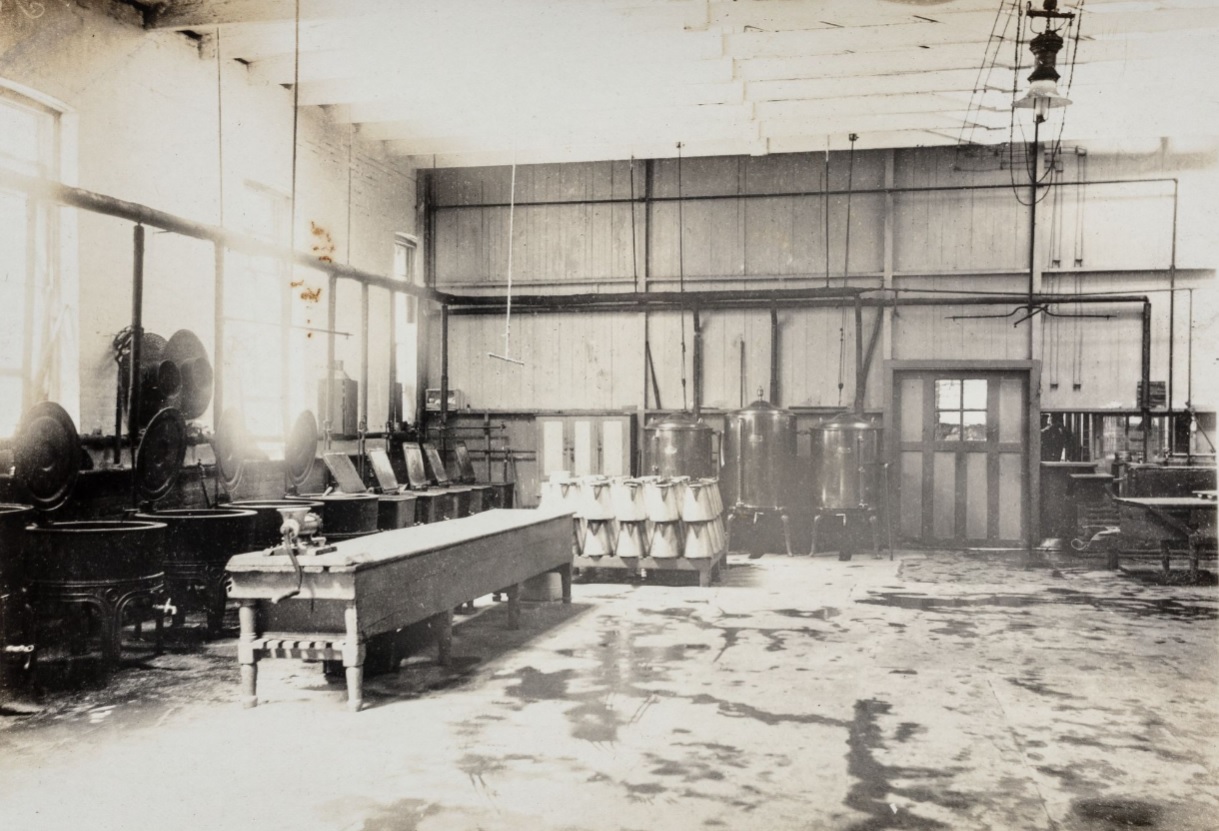
(Editor’s note: Former Correctional Officer William Conroy, who worked at San Quentin from 1903 to 1907, wrote this piece regarding food at the prison. The story was published in the Santa Cruz Evening News, Jan. 1, 1912, and gives a glimpse into life at the prison in the early 1900s. This was the fourth of a short series Conroy wrote for the newspaper. At the time this was published, he worked for the Santa Cruz Fire Department. He was also a deputy sheriff. Inside CDCR will publish his series, as originally written.)
Contractors supply prison food
By William Conroy, former correctional officer
San Quentin State Prison
All the prison food for San Quentin is purchased by contract, holding for one year and held mostly by San Francisco firms. They are supposed to furnish a certain grade of goods but sometimes some of the contractors forget what the grade is. The staples such as flour, beans, potatoes, tea, coffee, etc., are always the same. I have seen dried fruit such as prunes and peaches not what they should have been, although I think the state pays for a good article.
Fish in season
On Fridays, the prisoners are given fresh salmon when in season. It comes packed in ice and are most always in good condition. They are shipped out of the city in the morning, packed in ice, then arrive at the prison about 9 o’clock.
As far as the fish is concerned, it is almost always good and fresh. Also, it is of a different species from any I have ever seen. They are a very large fish. There also comes in the same shipment a box for the guards and officers’ mess, which is the ordinary salmon. I think this fish is supplied by the same contractor. More than 1,000 pounds of fish comes every Friday. It would be hard for the public to imagine the amount of food it takes to supply San Quentin. Therefore, I will try to give you an idea.
Can help themselves
If I remember right, it is about:
- 1,800 pounds of flour a day
- six sacks of potatoes
- about 25 pounds of coffee
- 10 or 12 sides of beef are also delivered to the prison every week.
The beef all comes in quarters from the city. Then there are oatmeal and syrup. The prison food is good, and (there is) plenty of it.
A prisoner can help himself to all he wants of bread and beans, spuds and mush. The meat, syrup and sugar are dished out to him by waiters. A prisoner gets sugar two times a week. The kind used at the prison is what is known as golden C, which is of a light brown color. It can be pressed into a cone the same as an ice cream cone.
Every sugar morning each prisoner gets one of those cones, which is about the size of a hen’s egg. That is the morning the guards in the dining room have to watch them pretty close to keep them from swiping the sugar off the tin plates as they march in. You see lots of prisoners with a piece of newspaper tucked in their pockets to (wrap) their sugar. Many of them do not use their sugar but will (use it for) trade. One ration of sugar is equal to one sack of tobacco.
Not allowed to talk
Prisoners in the solitary or incorrigible cell get their sugar the same as the others (along with) the condemned and (mentally ill). The prisoners in the main dining room are not allowed to talk while they are at meals. This rule was strictly enforced while I was there, and it is many the fellow I have seen lose his meal for breaking it. The tableware all consists of tinware and each man is equipped with a knife and fork. (There is) a waiter to every four tables (keeping) the pans all full and plenty of bread on hand also.
I saw a most comical occurrence in the dining room one morning. There were two convicts who had some trifling grievance between them at the table. One fellow threw his cup of coffee at the other. Before the rumpus could be stopped, the fellow who got soaked with the coffee deliberately picked up a big pan full of stewed beans, nice and juicy, and turned it upside down on top of the other fellow’s head. You can imagine what he looked like. The consequence was the dungeon for a couple of days on bread and water.
Jobs for prisoners
The prisoners with clerical jobs and runners of the warden’s office and the captain of the guards’ office and with office jobs, get better grub. They get their meals in what is called the red front dining room. (This room) faces the upper yard, and the night guards eat in this same dining room.
At midnight I have taken a seat side by side with prisoners at this table and eaten the same meal. Again, the cooks and waiters who cook for the guards and officers get just as good food as the guards do. The officers of the prison have a separate dining room from the guards. No common guard can eat in there, unless he has a friend or relative come to see him, then he is supposed to take him into the officers’ room to dine.
Prison food on the holidays
On Thanksgiving and on Christmas, the prisoners are given a better dinner. The prison raises quite a number of hogs. I have seen as many as 20 of them slaughtered at once for one of those feasts. I have also stayed guard with six or eight bakers (as they make) pies to feed 1,800.
You can imagine the pies it took; each prisoner gets one-half a pie; then they have their ginger cake, oranges or apples, and coffee.
Many of the prisoners do not eat this meal at the table. (Instead, they) tie it up in a paper and pack it off to their cells. Some of them trade off their pie and cake and roast pork for tobacco. Others take their pork and potatoes and, by the aid of the oil lamp in their cells, make it into a hash, which they relish very much.
Overdoing it during holidays
At those feeds a prisoner gets as much as any two ordinary men would eat. Some of them overdo their capacity, the result is that is it nothing unusual to hear the stillness of the midnight hour broken by some inmate of his cell tapping on his door to call the night guard to bring him some cramp medicine – which the doctor knows will be called for and leaves with the guards.
One Thanksgiving, Warden (Tompkins) said they could have the extra of a clam chowder if they dug the clams. So, we took out 45 or 50 prisoners to do the digging. They dug for two days. When the clams were piled up, it looked (like) enough to feed all San Francisco.
As far as the food of the prison is concerned, I think it is very good, taking it right through. True, they do not get any strawberry shortcakes or crab salads and such thing, which some of them are used to, and also which some are not. But, what they do get is good and substantial nutritious food. Many a poor struggling citizen (who) never saw the inside of a prison would be only too glad to decorate his table with.
Learn more about California prison history.
Follow CDCR on YouTube, Facebook, X (formerly Twitter). Listen to the CDCR Unlocked podcast.
Explore CDCR history
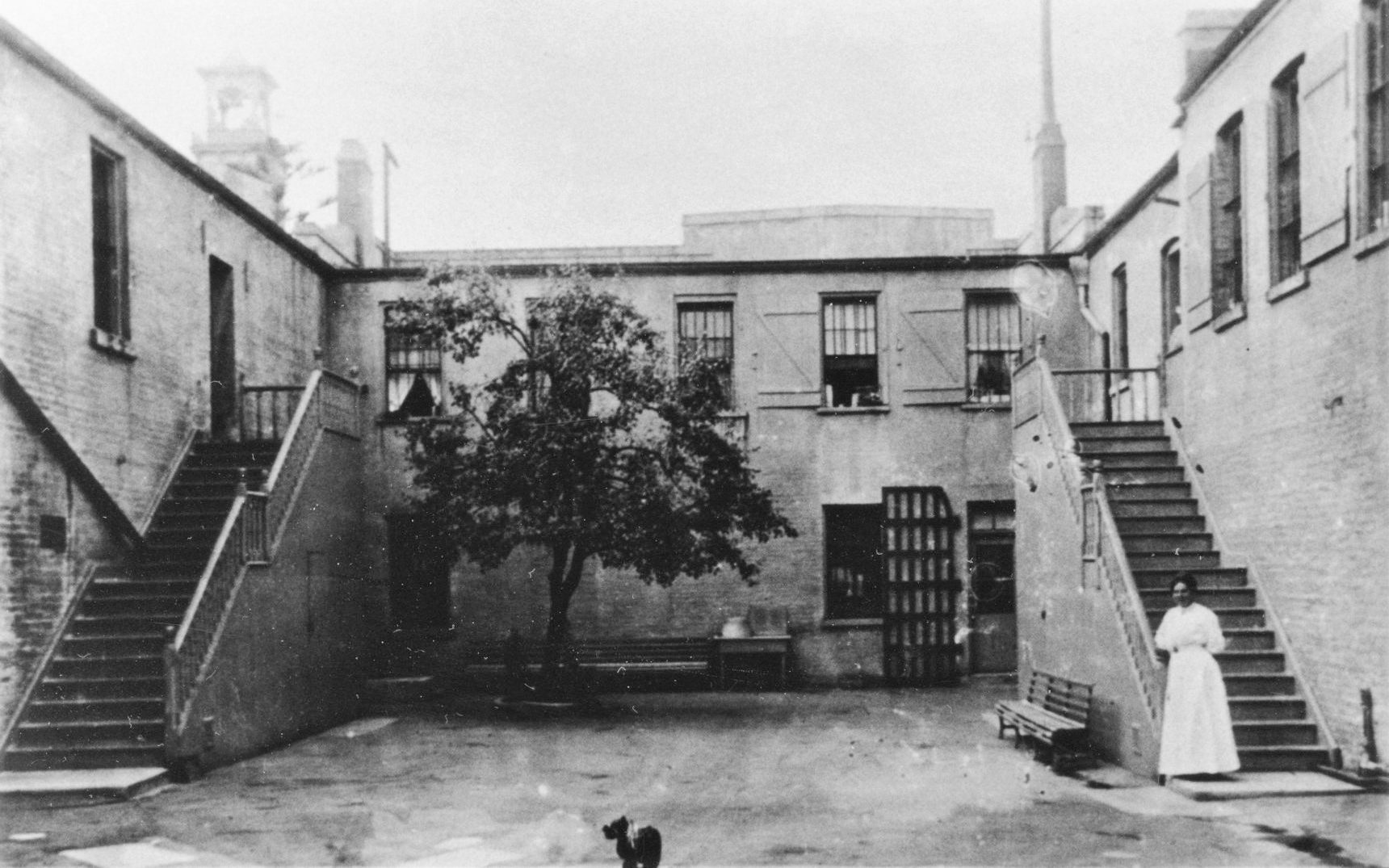
Meet the first matrons of San Quentin
With 15 women incarcerated at San Quentin in the mid-1880s, the state decided to create a matron position to oversee…
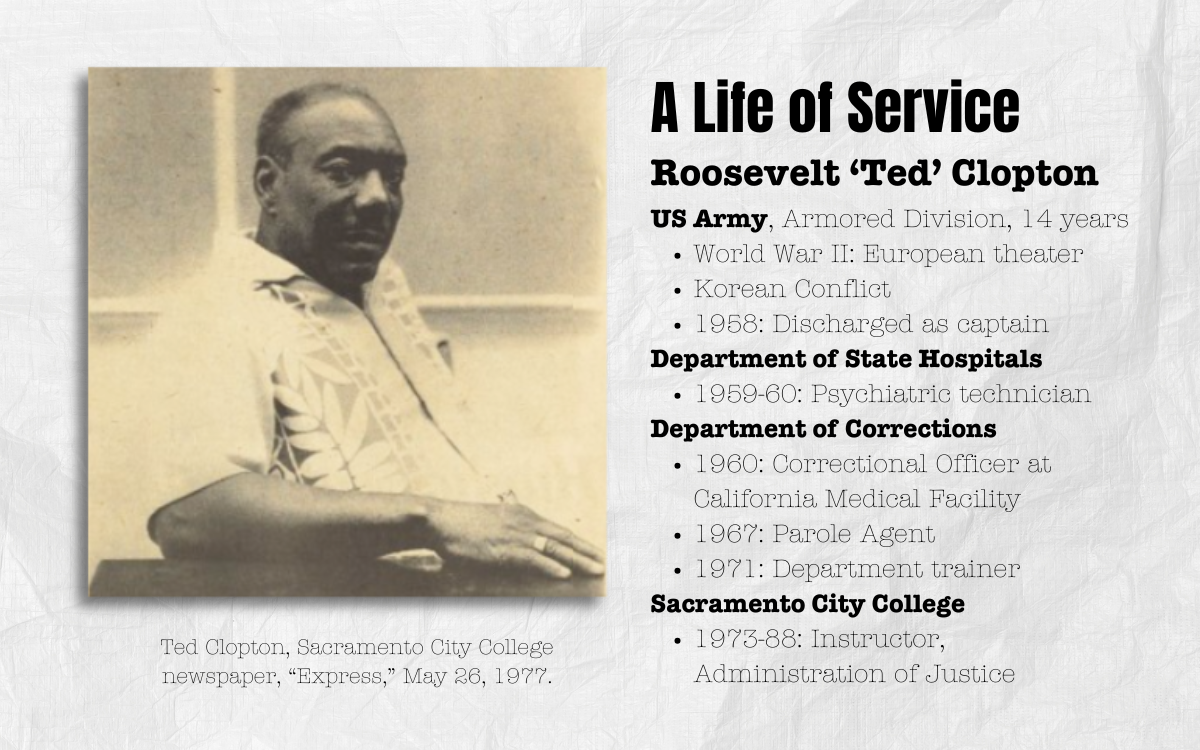
Roosevelt Clopton served state as officer, agent
For military veteran Roosevelt “Ted” Clopton, being a lifelong student guided his choices from joining the Army to becoming a…
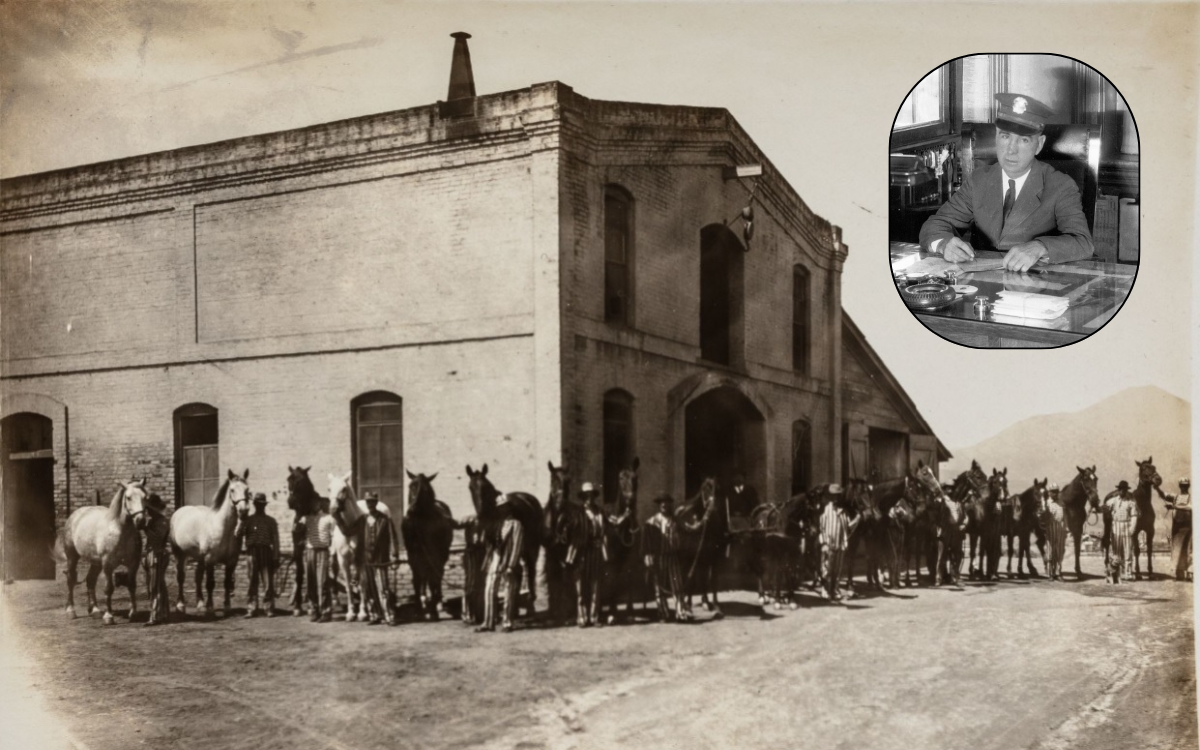
SQ Captain Rivera Smith served nearly 4 decades
Rivera Smith was the longest serving staff member at San Quentin (SQ) when he passed away in 1950, serving nearly…
Echoes from the Past: Restoring history’s missing pages
While researching stories for the Unlocking History series, we often find damaged documents, missing photos, or incomplete information. One example…
Family seeks information on 1903 counterfeiter
A recent question came across the Inside CDCR desk regarding a counterfeiter who was incarcerated at San Quentin in 1903.…