


The first K-9 Academy cohort for 2022 successfully completed their seven-week training at the former Northern California Women’s Facility in Stockton and celebrated their graduation.
K-9 officer teams are a select group of handlers who go through a unique process to be selected for this line of correctional officer duties.
“It all begins with an interview process. The vacant position is canvassed so correctional officers interested in this unique opportunity submit a letter of interest. Those selected to interview are asked very specific canine-related questions to ensure optimal qualifications and partnerships,” said Lt. Ruben Duenas, Statewide Coordinator for the CDCR K-9 Academy.
(Watch the video filmed during their fifth week of training:)
There were five canine teams in this cohort. What’s the toughest part of training? According to the handlers, the toughest part is building the bond with the dog.
Building bonds with the K-9s
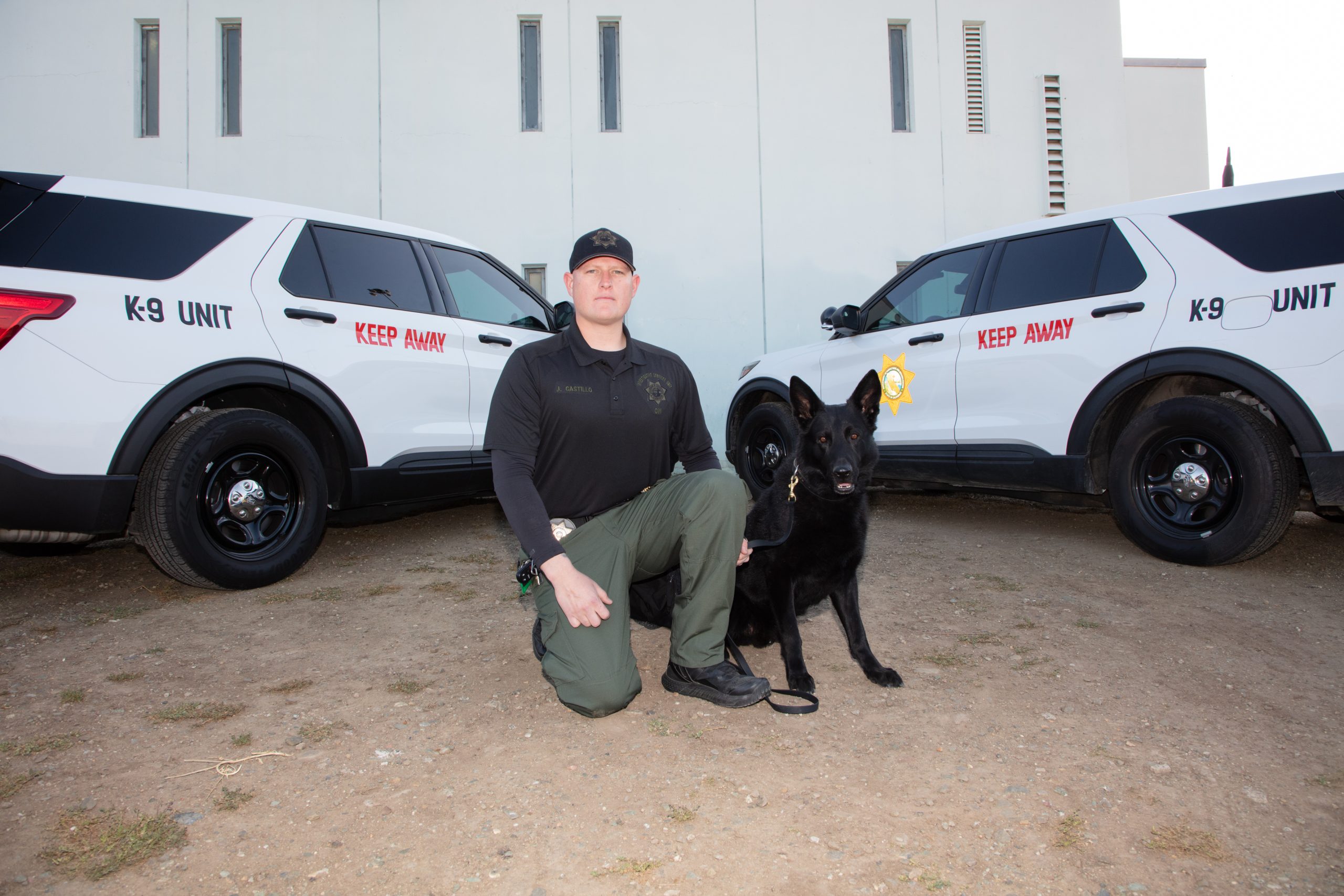
Correctional Officer Jason Castillo is teamed up with Gunner, both new to the K-9 Program but who will now be joining the team at California Institution for Men. There, they will put their new skills to use.
“During the academy, the dog and handler are green. Everything is progressive so we’re adapting to how the dog is responding,” said Castillo.
The handlers said they have been around dogs most of their lives, so they are comfortable with dogs. But this is a working relationship, much like any other law enforcement relationship involving a partner.
“Probably the most difficult thing for me was learning a new dog, learning how to be a better handler. While I have a lot of years with different breeds, this Belgian Malinois breed is a little different to me. They are super fun, excited to do it. It’s just a new learning experience,” said Correctional Officer Michael Saso from California State Prison, Sacramento. His K-9 partner is Belgian Malinois Lexi.
Contraband detection training
The dogs are trained to search out and detect contraband such as marijuana, cocaine, heroin, methamphetamine, tobacco and cell phones.
There are two canine teams at each institution with the most common breed used being Labrador Retrievers and Belgian Malinois. The dog’s sense of smell is incredible, more than 100,000 times greater than that of a human.
“(After graduating), every K-9 team is then assigned to an institution. They report directly to the Investigative Services Unit within the institution as well as provide mutual aid to other institutions,” said Duenas.
The teams also provide assistance to CDCR’s Division of Adult Parole Operations and the Office of Correctional Safety, as well as local law enforcement agencies by conducting searches of suspected drug houses during search warrant operations. Periodically, the teams provide public demonstrations at schools and youth organizations such as Scouts.
Duenas says he has great confidence in the graduates.
“I know when the time comes, they’ll be ready to accept the challenge, and make a difference,” Duenas said.
Meet the teams
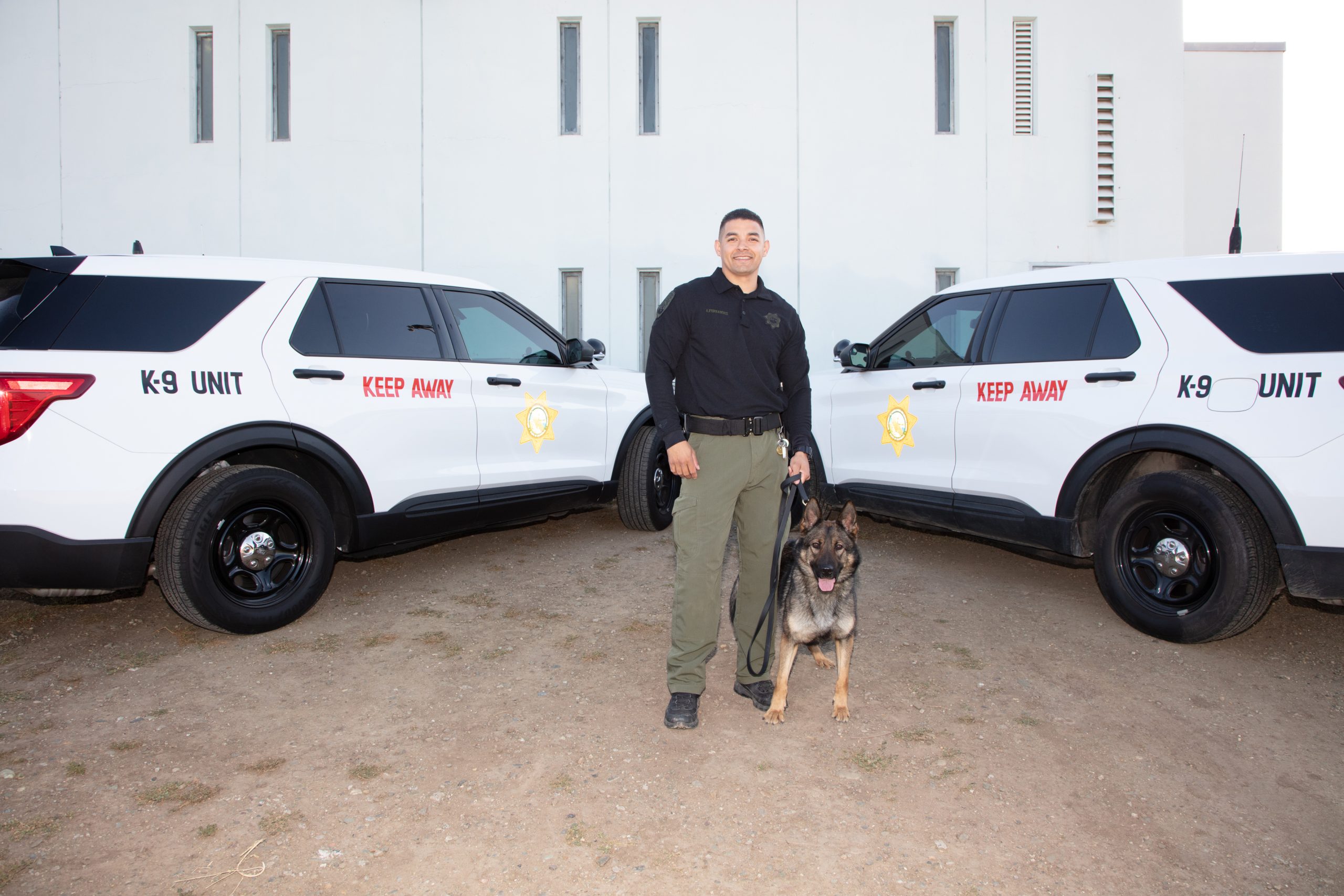
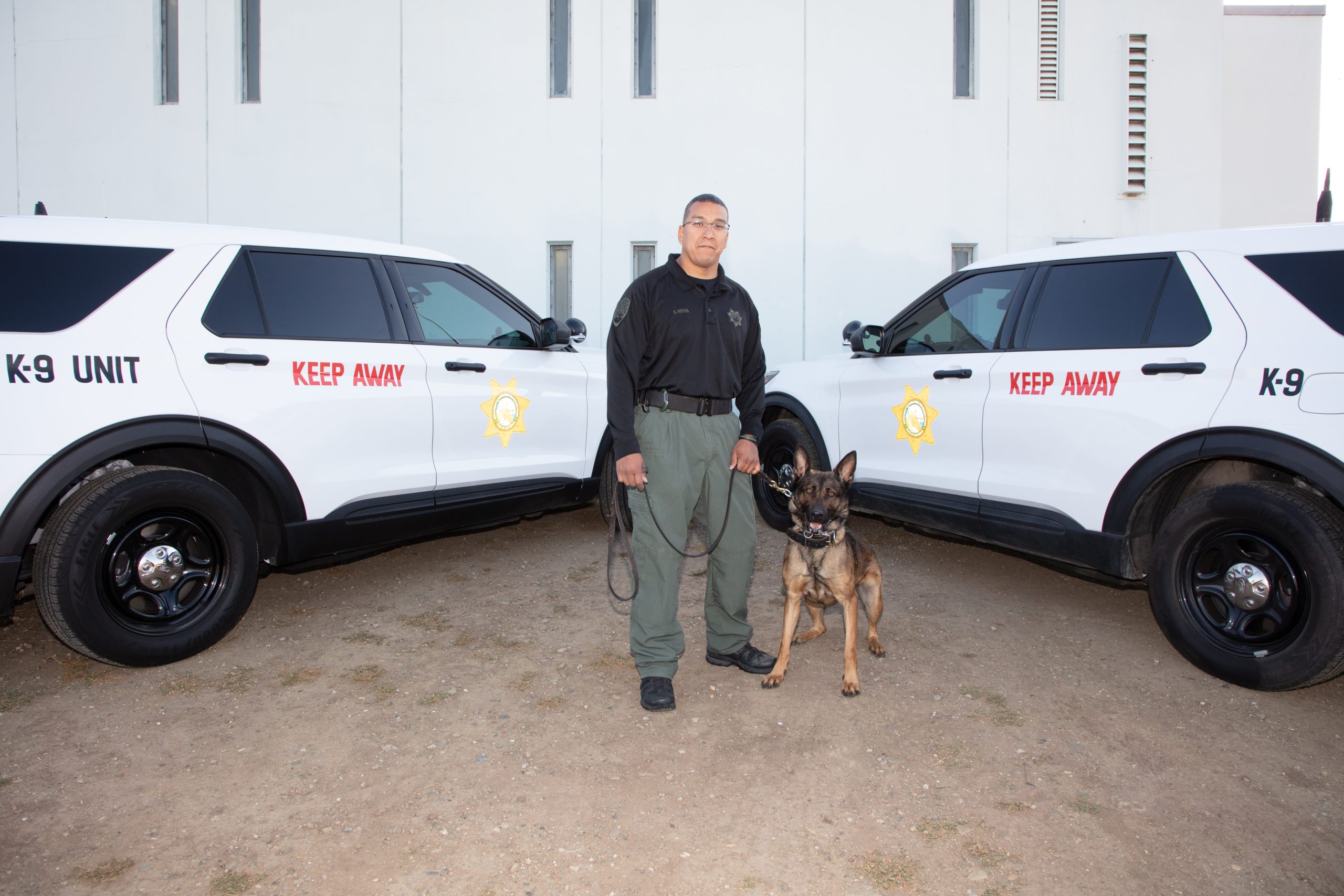
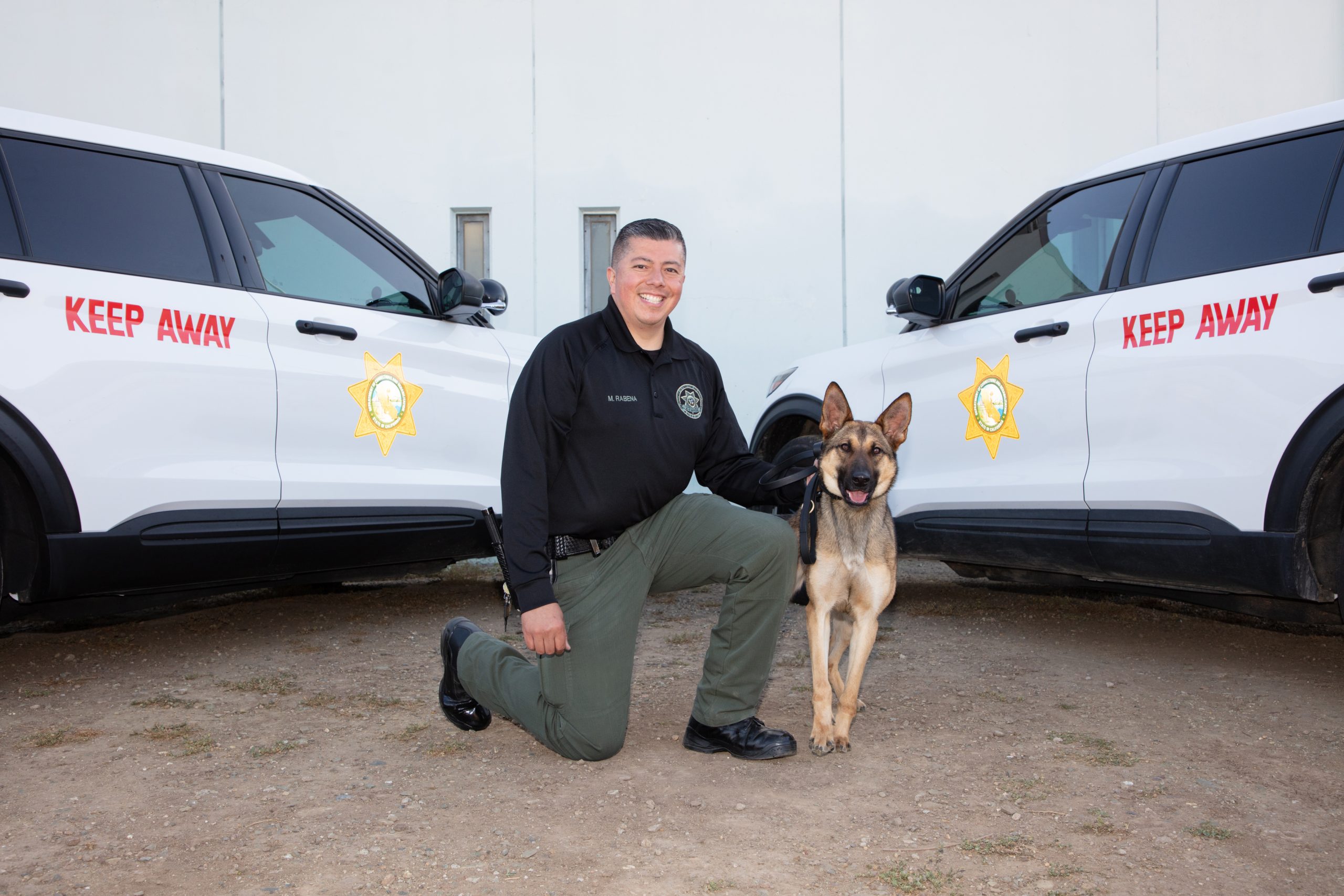
The new K-9s and their correctional officer handlers:
- Anthony Fernandez and K-9 Nala join Ironwood State Prison
- Michael Rabena and Zoe join San Quentin State Prison
- Jason Castillo and Gunner join California Institution for Men
- Christopher Reyes and Nora join California Rehabilitation Center
- Michael Saso and Lexi join California State Prison, Sacramento (photo unavailable)
Story by Joe Orlando, Public Information Officer, and Dana Simas, Press Secretary
Video by Rob Stewart, TV Specialist
Photos by Clarissa Resultan, TV Specialist
Office of Public and Employee Communications
Learn more about CDCR’s K-9 programs.
Follow CDCR on YouTube, Facebook, X (formerly Twitter). Listen to the CDCR Unlocked podcast.