

This week, San Quentin Rehabilitation Center celebrates a graduation, artists help kids with skateboards, and a look at transitional housing.
California Model
Incarcerated artists help children get skateboards
A team of incarcerated artists, community members and prison employees have teamed up to create beautiful hand-painted art on skateboards.
Once those one-of-a-kind art pieces are auctioned off, the proceeds are used to buy skateboards for children who would otherwise not be able to afford them.
The project is a partnership of several institutions, including California State Prison-Corcoran, Avenal State Prison, Valley State Prison, and Fresno Skateboard Salvage.
Visit Inside CDCR to read the full article.
San Quentin celebrates new wave of podcasters
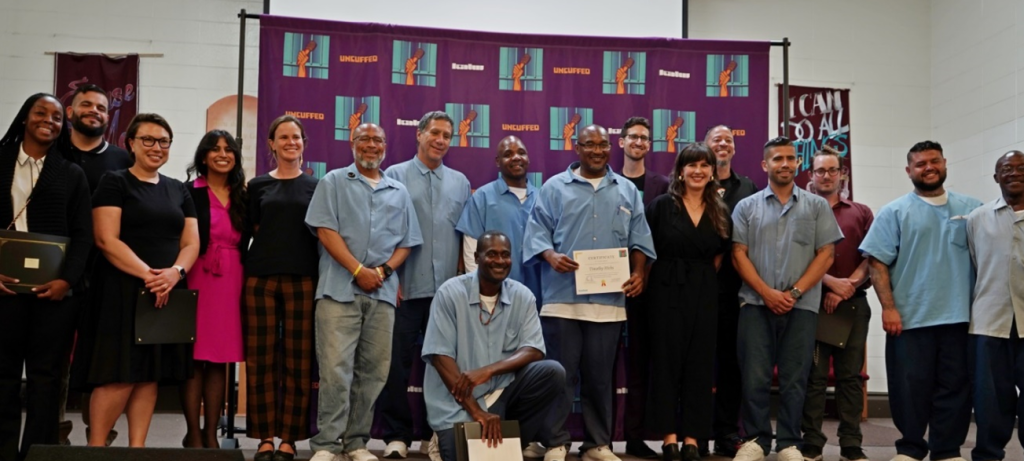
San Quentin Rehabilitation Center’s award-winning podcast, Uncuffed, celebrated their second graduation of newly trained podcasters. The celebration included the launch of their upcoming Season 3 podcast. Uncuffed podcasts are available for download on the internet. They can be heard through their Bay Area radio station sponsor, KALW 91.7 FM.
Almost a hundred administration, guests, and residents packed the prison’s Garden Chapel to celebrate the six graduates.
“The KALW voices give us [incarcerated] a voice, they represent who we are to society,” said graduate Juan Haines.
Visit Inside CDCR to read the full article.
Family visiting center promotes normalization
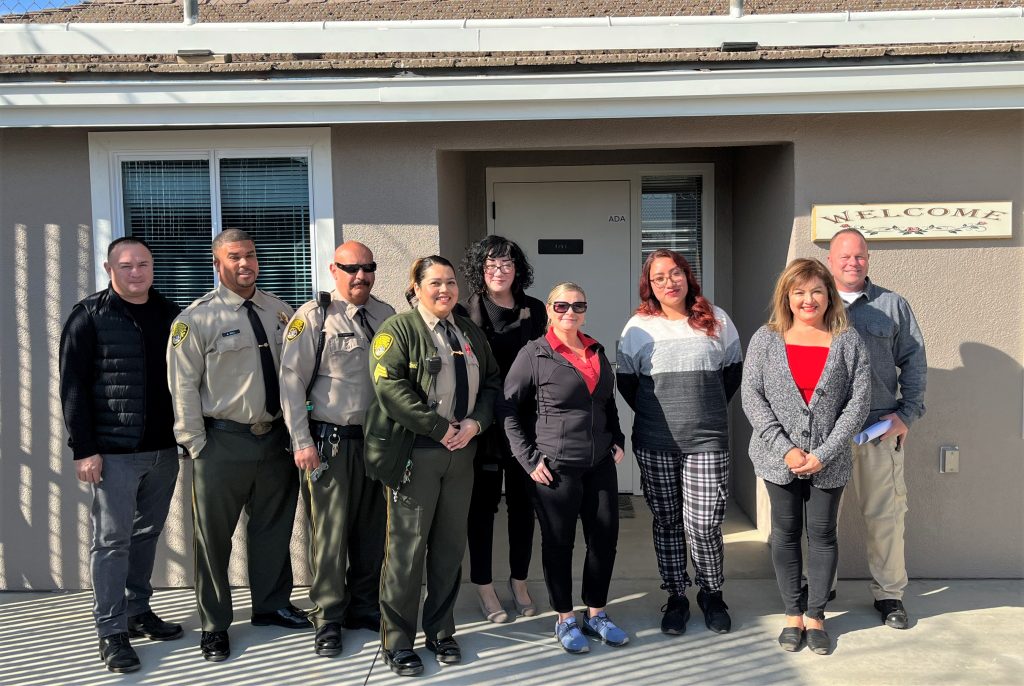
The family visiting center at Wasco State Prison-Reception Center received an update to bring it more in line with the spirit of the California Model.
In December, Warden Heather Shirley held an opening ceremony with executive staff, Visiting staff, and representative from the prison Inmate Family Council to dedicate the newly updated family visiting center.
The renovations make the visiting room accessible for those with disabilities while also offering a more family friendly environment. Some improvements include new flooring, cookware, furniture and countertops, as well as a fresh coat of paint, and decor.
Visit Inside CDCR to read the full article.
Upward Mobility
Tristan Lemon is assigned as acting Associate Director, General Population Males Mission, Division of Adult Institutions.
Patrick Eaton is assigned as acting Associate Director, Reception Centers Mission, Division of Adult Institutions.
Vinay Behl has been appointed Deputy Director, Office of Fiscal Services.
CCJBH

CCJBH releases 21st annual Legislative Report
We are pleased to announce the release of the Council on Criminal Justice and Behavioral Health’s (CCJBH) 21st annual Legislative Report. CCJBH must report the Council’s activities during the preceding year, to include recommendations for improving the cost-effectiveness of behavioral health and criminal justice programs. Below are a few highlights of the report:
- CCJBH recommendations related to Juvenile Justice and Diversion/Reentry
- Medi-Cal Behavioral Health Services Utilization for individuals released from CDCR in Fiscal Year 2019-20
- Updates on CCJBH’s 2025 Goals
- 2021 CCJBH Project Summaries and 2022 Project Plans
We sincerely appreciate the dedicated efforts of CCJBH Councilmembers, system partners, and stakeholders who contributed to the work done by CCJBH in 2022.
CCJBH Juvenile Justice Workgroup
When: Feb. 16, 2024, from 12:45 to 2:45 p.m.
Where: Virtually Via MS Teams- in accordance with Bagley-Keene changes effective Jan. 1, 2024, participants may participate in the teleconference at 1515 K St. Suite 550, Sacramento, CA 95814
Description: The meeting will feature a discussion on restorative justice for juveniles with behavioral health needs.
CCJBH Diversion and Reentry Workgroup
When: Feb. 16, 2024, from 3 to 5 p.m.
Where: Virtually via MS Teams- in accordance with Bagley-Keene changes effective Jan. 1, 2024, participants may participate in the teleconference at 1515 K St. Suite 550, Sacramento, CA 95814
Description: This meeting is the second in a two-part workgroup series that will continue to highlight initiatives and programs that are supporting workforce development opportunities for individuals who are justice involved.
Rehabilitation
Prison Church Network visits SAC
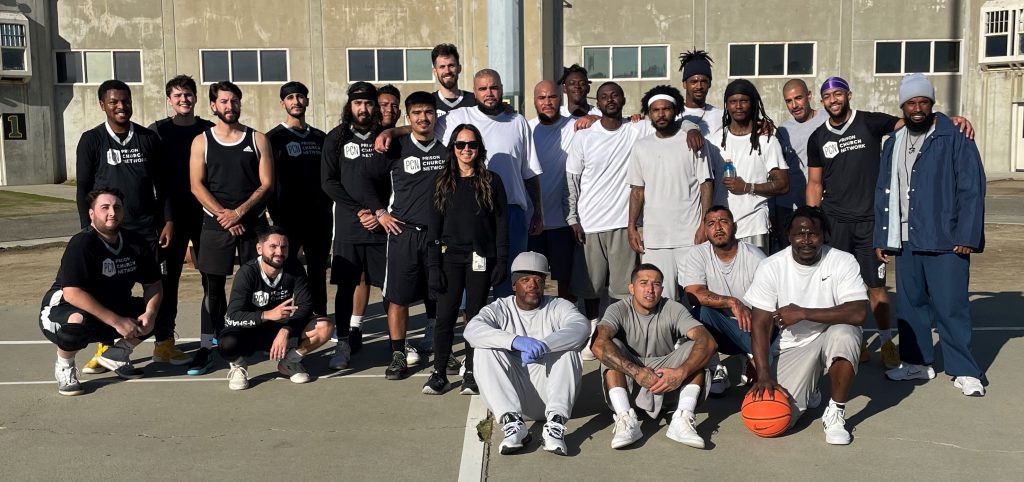
The Prison Church Network’s basketball team came to play against incarcerated population at California State Prison, Sacramento. The players of the basketball team come from The Father’s House Church in Vacaville. They have been coming to play monthly since 2022. The team’s willingness to sacrifice their time gives the incarcerated hope, inspiration, faith, and a positive message. This keeps the population pushing forward in their efforts to successfully transition back into society as productive citizens.

CIM holds second Pawz Parade
California Institution for Men (CIM) hosted their second Pawz Behind Wallz Holiday Parade. CIM staff and the incarcerated population housed attended the parade. Incarcerated person Primary K-9 handlers showcased their service dogs all dressed up their holiday outfits.
K-9 handlers and their dogs pranced around the exercise yard as they handed out candy canes to the incarcerated population and staff.

CHCF hosts ARC graduation
California Health Care Facility (CHCF) held its second graduation with community-based organization Anti-Recidivism Coalition (ARC).
One hundred and sixty-six participants successfully completed the 12-week course focusing on topics such as cognitive behavioral change, wellness, and board preparation. Over 40 family members attended the graduation.
ARC’s mission to end mass incarceration in California has had a positive impact on the participants at CHCF. ARC empowers formerly and currently incarcerated people to thrive by providing a support network, comprehensive reentry services, and opportunities to increase public awareness through advocacy for policy change.
In the Media
The Healing-Centered Approach: How art rehabilitates individuals in prisons

The moment someone sets foot in a prison is the moment that person stops living.
“In prison, the environment really makes everyone feel like they can only exist; living doesn’t seem like an option anymore,” said Frederick Griffin.
Griffin was 16 years old when he was charged with multiple offenses, including gun charges and gang enhancement. At 17, he entered the California Institution for Men in Chino, California, and immediately, he could tell a facility like this—with its soiled floors, cramped cells, and windowless walls—was designed for containment, not rehabilitation.
However, physical design was not the only unwelcoming characteristic of this prison.
“At Chino, there were these unspoken rules and expectations, ones that exist just to fuel the masculine behavior of prison culture,” Griffin said. “If you broke them, it could get you really hurt, maybe even killed.”
Visit Scot Scoop website to read the full article.
Re-entry program for former inmates provides kinder transitional housing model
According to the California Department of Correction, more than 60% of inmates released from the state’s prisons will re-offend within three years.
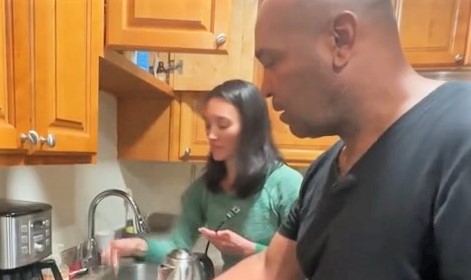
But these days, some are trying to change that by offering former inmates a smoother, and kinder re-entry into society.
For 17 years, Margus Crowell spent his days staring at a concrete wall. Now he has a room with his own window, and a whole new perspective on life.
“I sat in a six-by-nine cell that didn’t have a window, and there was no view to look at,” he said.
Visit CBS News website to read the full story.
The Most Creative Entrepreneurs Are in Prison
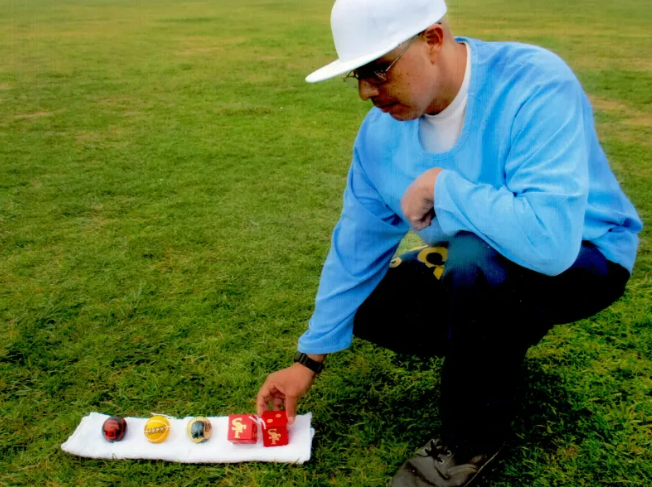
Where can you find some of the most creative professionals in California? They’re inside the state’s prisons.
We have taught ourselves to be savvy traders, fine artists, stenographers and even fiber recyclers.
We’ve had no choice.
While the economy outside reeled from COVID-19 and then inflation, the effect was magnified in the nation’s prisons, where workers have almost no options in the formal economy and wages are stagnant at abysmally low levels.
Take California, where I’m incarcerated. A worker’s wage can be as low as 8 cents an hour and maxes out at $1 an hour for jobs in state-owned correctional industries. That’s hardly enough to afford food and other basic items that help people behind bars live a slightly more dignified life. So, we have to create our own jobs, and we’ve made a flourishing economy out of our ingenuity.
Visit the Scheer Post website to read the full article.
Top Inside CDCR Stories
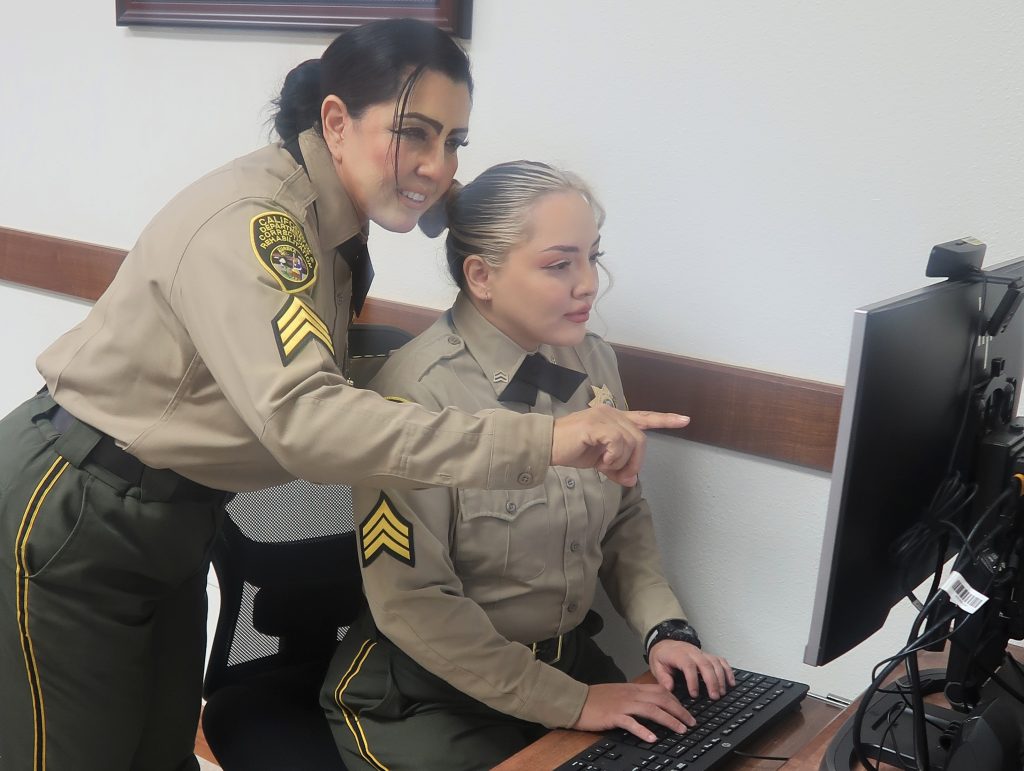
Generations of Dedication: CDCR’s Dynamic Duo
California Model in action at Valley State Prison
Staff appreciation shown during holidays
Meet Parole Agent Mitchell Tarrar
CIM hosts alarm response training
Read more Week in Review stories on Inside CDCR.
Follow CDCR on YouTube, Facebook, X (formerly Twitter). Listen to the CDCR Unlocked podcast.
Week in Review archive
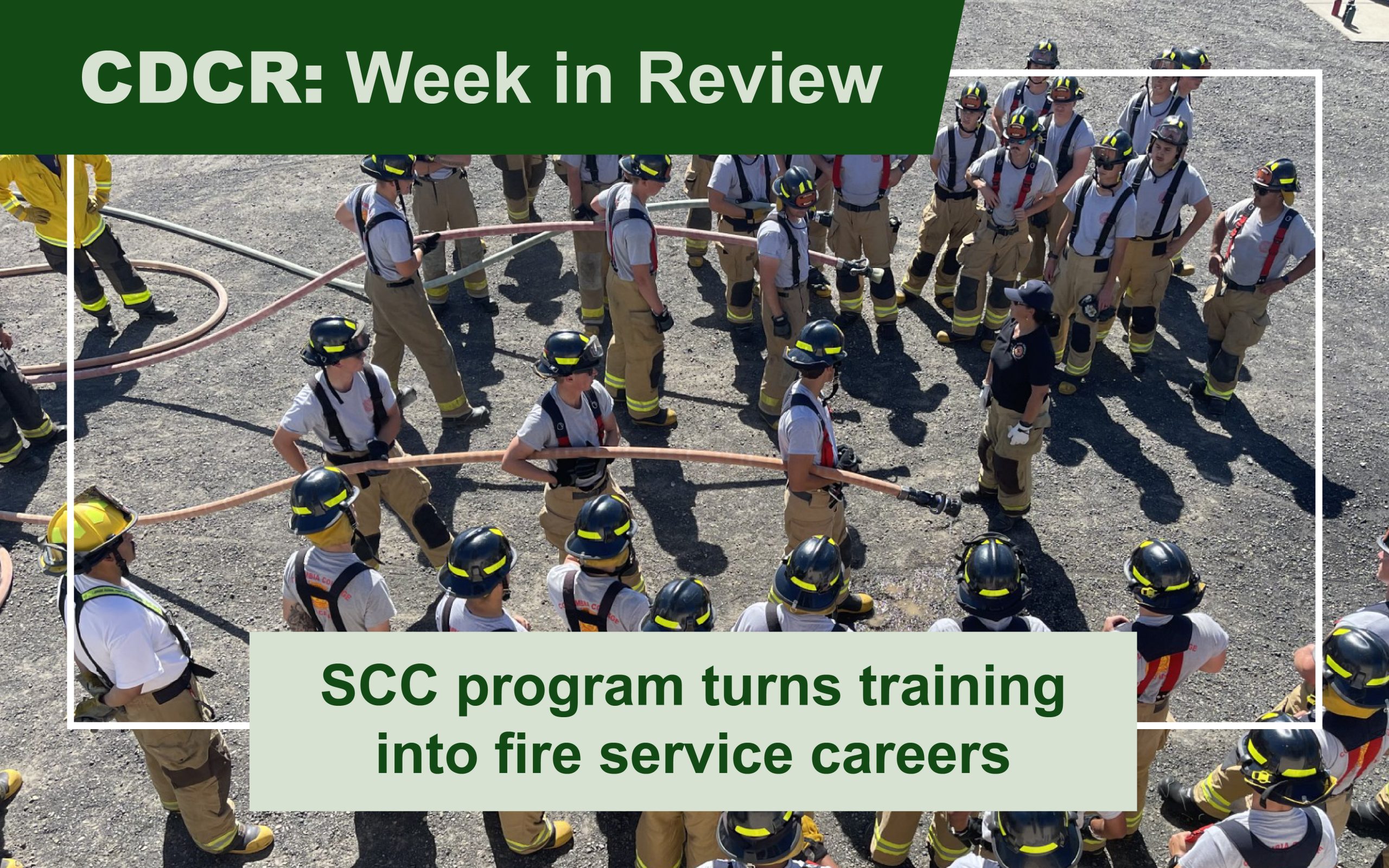
Week in Review: March 27, 2026
In this March 27 week in review, DAPO supports children at childhood cancer event, CTF hosts a fundraiser for crime…
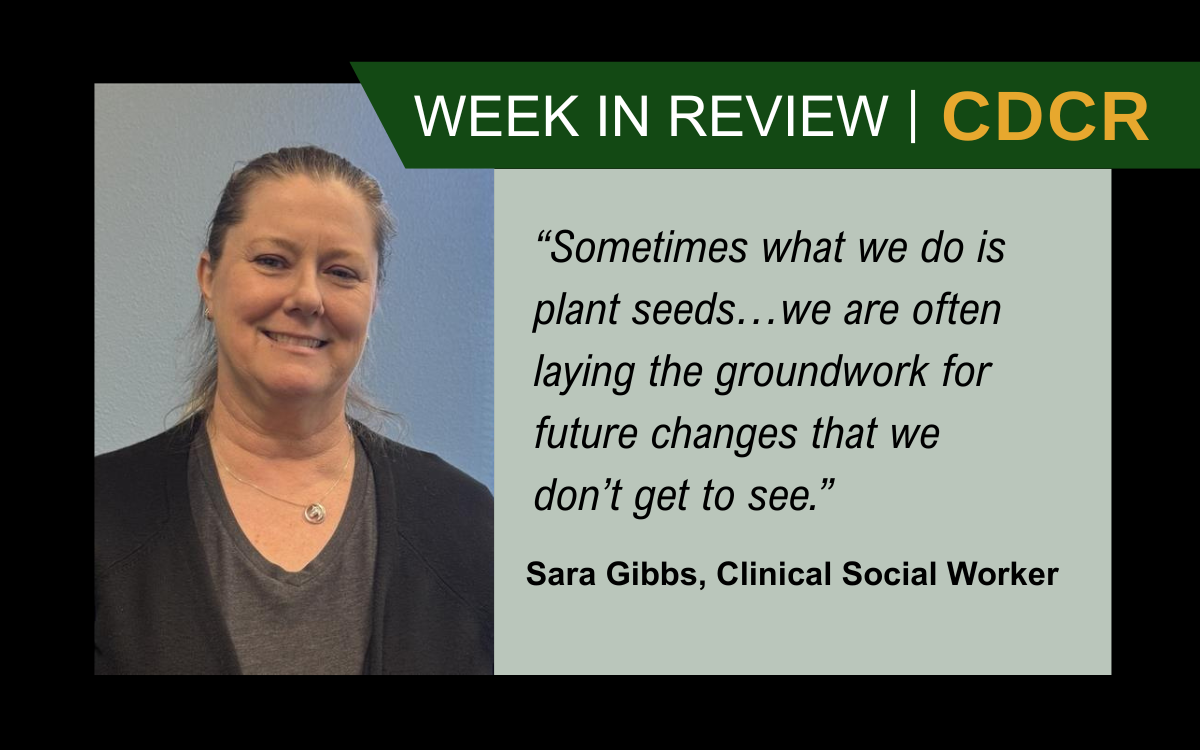
Week in Review: March 20, 2026
In this March 20 Week in Review, we spotlight Clinical Social Worker Sara Gibbs, DAPO’s Reentry Days, and upcoming cancer…

Week in Review: March 13, 2026
In this March 13 Week in Review, we spotlight RDN Tessa Gaynor, two staff graduating the Innovation Fellows program, and…

Week in Review: March 6, 2026
In this March 6 Week in Review, we spotlight Procurement Analyst Sommony Pech, PVSP staff speaking with students about careers,…
Week in Review: February 27, 2026
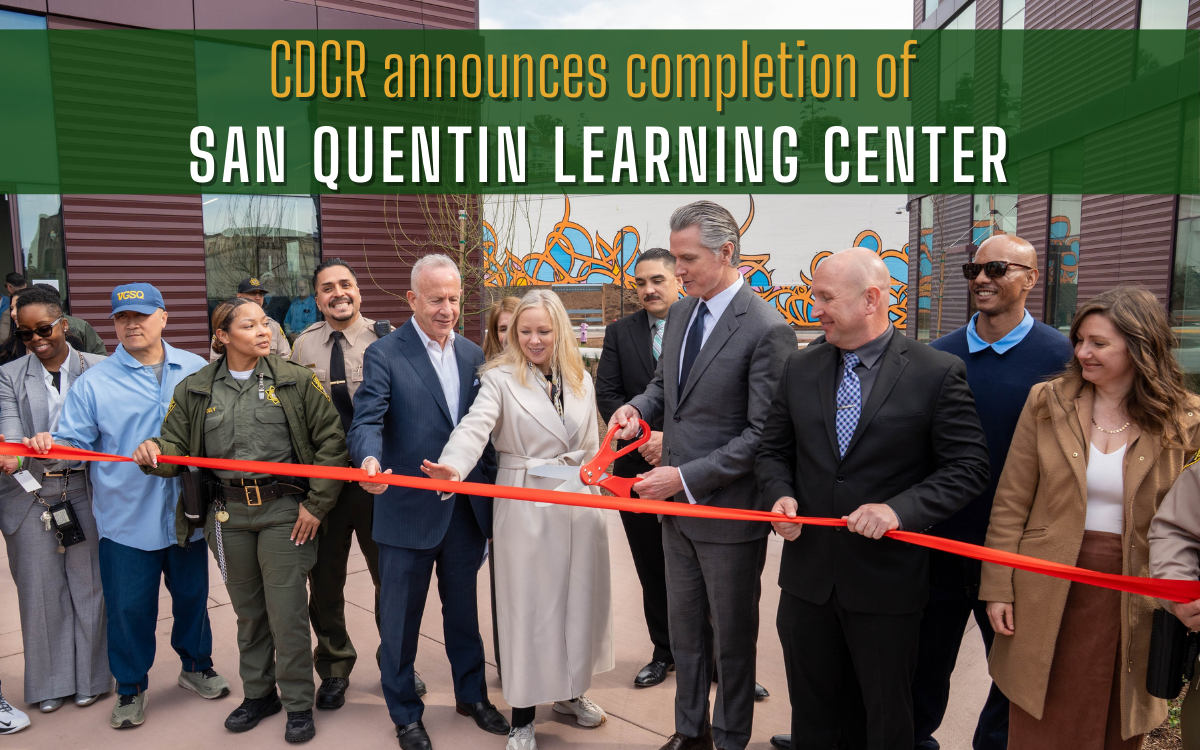
In this February 27 Week in Review, we spotlight the completion of the San Quentin Learning Center, Recreation Therapist Megan…
Week in Review: February 20, 2026
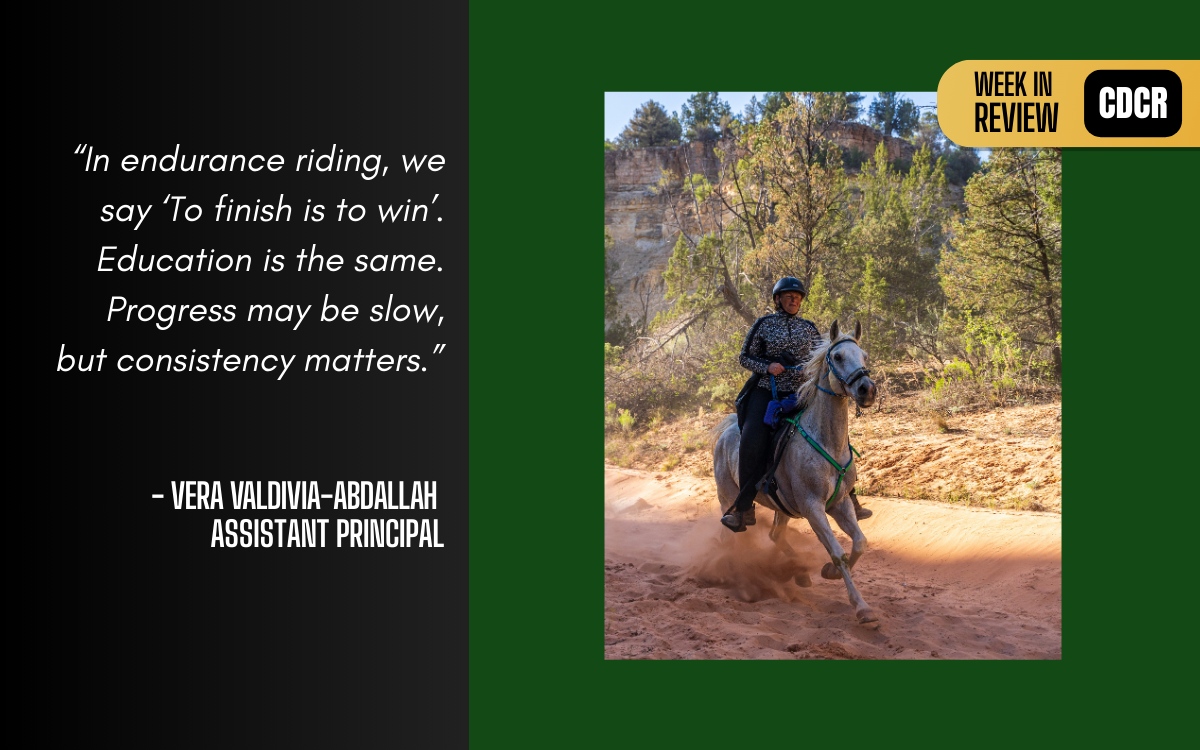
In this February 20 Week in Review, we spotlight Assistant Principal Vera Valdivia-Abdallah, SCC firefighters, and RJD officers connecting with…