

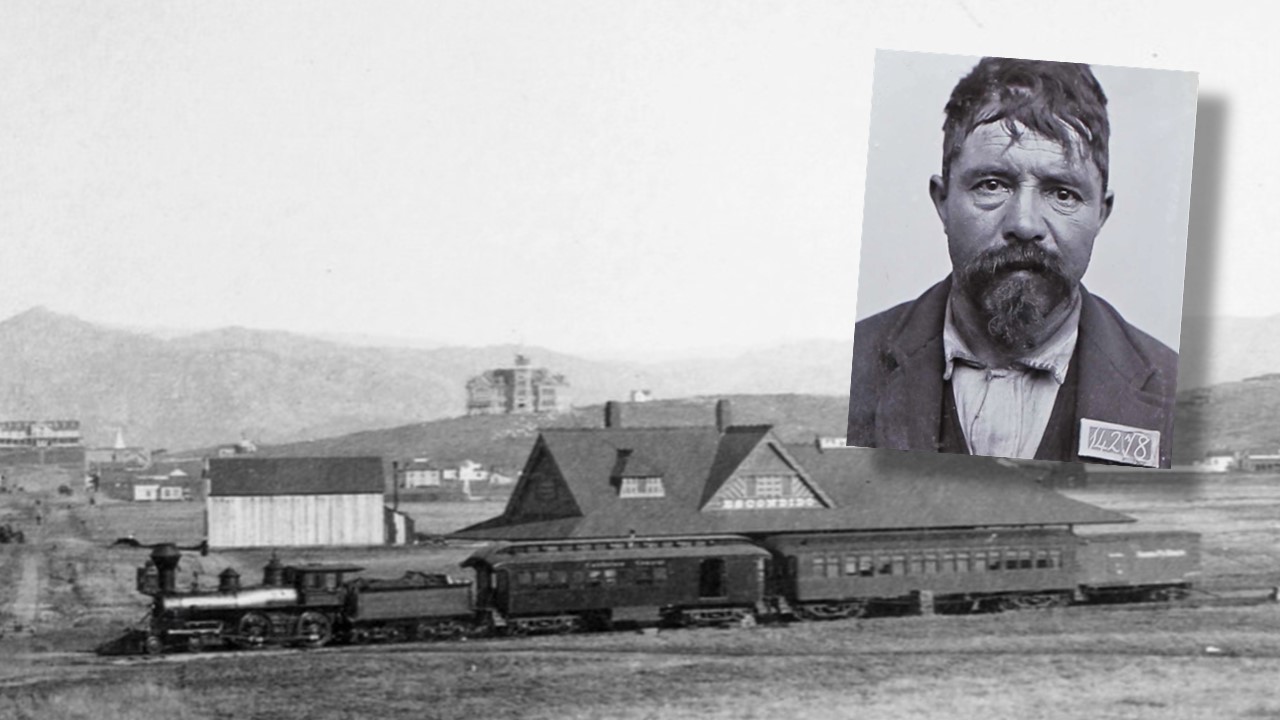
Passed in 1893, the state’s parole law was tested many times during its first year in 1894 with 15 people paroled from state prison.
The first four people were paroled in late 1893. The following year, another 11 people were paroled from San Quentin and Folsom state prisons.
At the time, those on parole were required to:
- abstain from alcohol and drugs
- report monthly to the prison warden or the secretary of the Board of Prison Directors
- and notify the warden if their place of residence changes.
Any infraction of those rules resulted in parole revocation and return to prison.
By September, 10 people had been granted parole. The following month, 12 people were out on parole. By November, the number was 15.
When one broke parole, the news made front page headlines.
One violates parole conditions during law’s first year
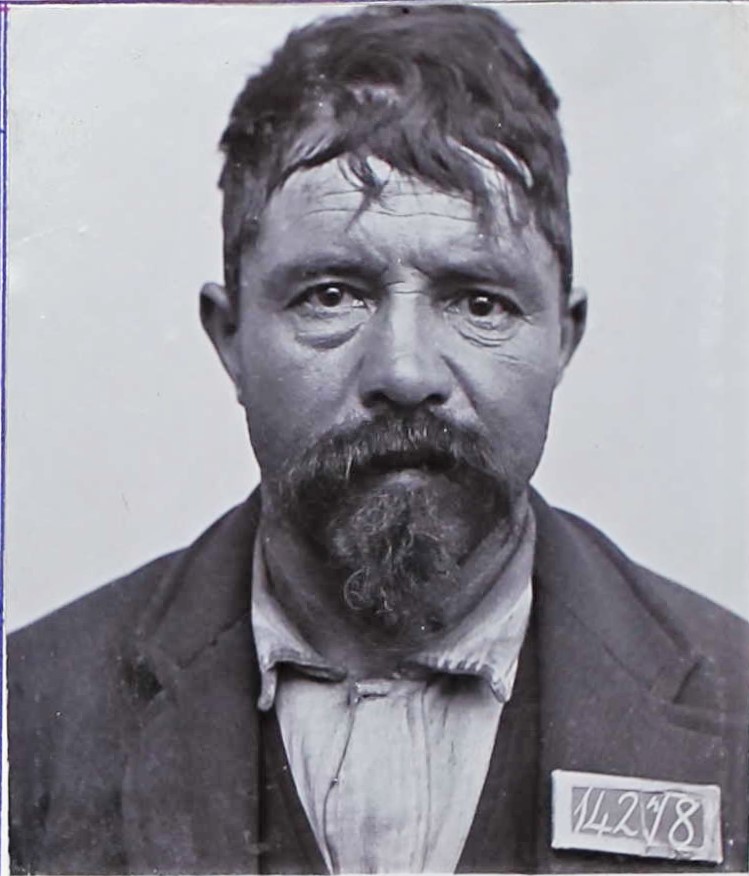
Peter Derrenhecker, a 46-year-old blacksmith, “was received at San Quentin on Sept. 23, 1890, under a sentence of 14 years for assault with a deadly weapon in Escondido, San Diego County,” according to the San Francisco Examiner, Nov. 11, 1894.
According to prison officials, he was a model prisoner. Derrenhecker, under number 14278, was well behaved and an eager worker.
He was paroled May 22, 1894, and “had scrupulously observed his parole (for seven months),” the newspaper reported.
But his reentry was rough when it came to dealing with his neighbors.
“Some of his old neighbors sneered at him. Strangers were told of his crime and the fact that he was a paroled convict, at liberty only during good behavior and the will of the Prison Directors,” according to the newspaper. For months, Derenbecker endured insults without resentment, slowly gaining the respect of many residents in town.
One of his neighbors, “who had been persistent in annoying and abusing” Derenbecker, went into “his place the other night and cut his (horse’s) harness into bits.”
Discovering the vandalism, Derrenhecker turned to alcohol, rather than reporting the crime to law enforcement. In his moment of despair, he broke parole.
Breaking parole
“He was at once arrested under instructions from Warden Hale and the Board of Prison Directors, to be held until the Warden could send an officer for him,” reported the newspaper.
Another newspaper had harsh criticism for the neighbors who tormented Derrenhecker.
“This seems extraordinarily unjust under the circumstances,” wrote the Sacramento Bee, Nov. 12, 1894. “Derrenhecker (is) a far better man than the residents of Escondido who goaded him into his intoxication. There is no law to punish them for their inhumanity, but certainly this state would be (better) if men like Derrenhecker were freed from (prison) and (those like the residents) were locked up.”
Derrenhecker was released July 23, 1899, five years earlier than expected.
By Don Chaddock, Inside CDCR editor
Office of Public and Employee Communications
Learn more about California prison history.
Follow CDCR on YouTube, Facebook, X (formerly Twitter). Listen to the CDCR Unlocked podcast.
Unlocking History
Meet the first matrons of San Quentin
With 15 women incarcerated at San Quentin in the mid-1880s, the state decided to create a matron position to oversee…
Roosevelt Clopton served state as officer, agent
For military veteran Roosevelt “Ted” Clopton, being a lifelong student guided his choices from joining the Army to becoming a…
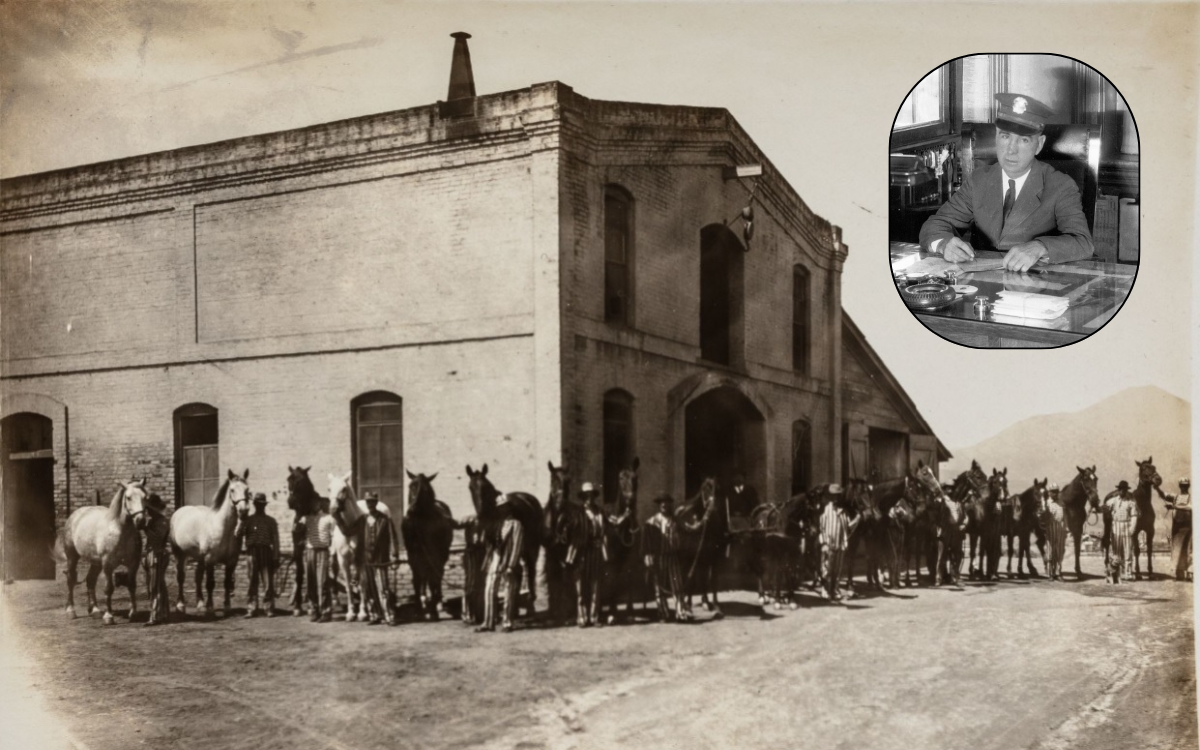
SQ Captain Rivera Smith served nearly 4 decades
Rivera Smith was the longest serving staff member at San Quentin (SQ) when he passed away in 1950, serving nearly…
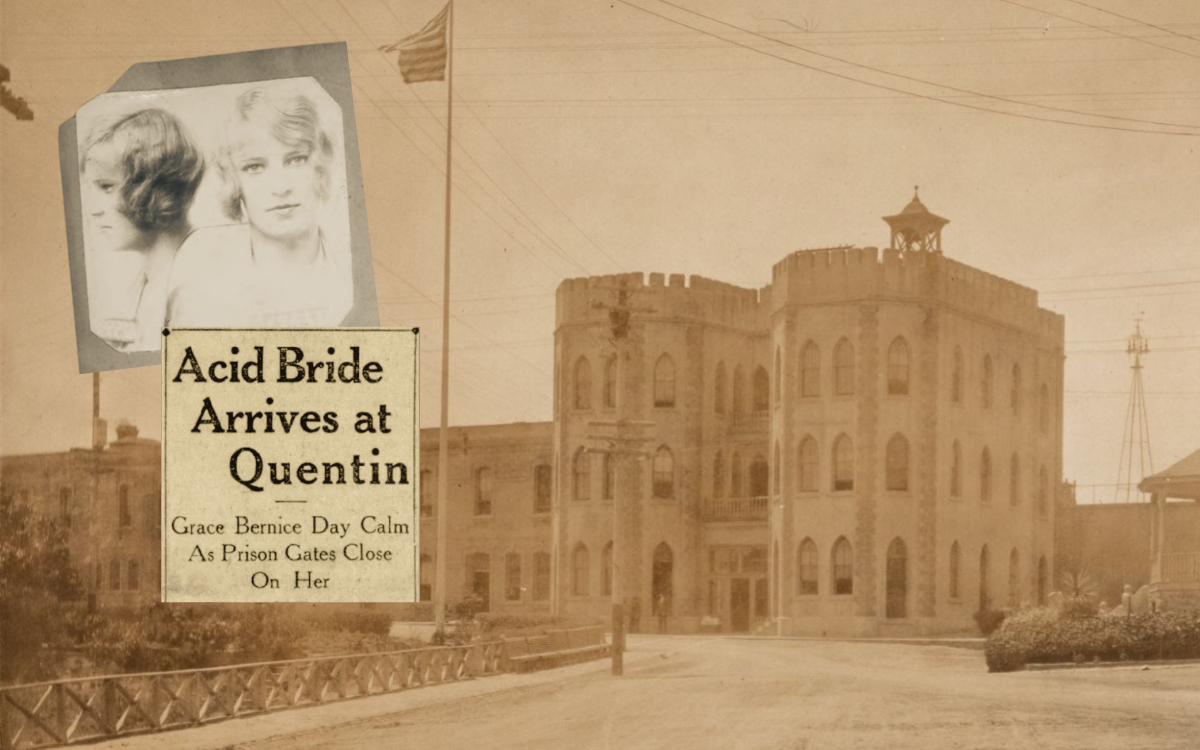
Echoes from the Past: Restoring history’s missing pages
While researching stories for the Unlocking History series, we often find damaged documents, missing photos, or incomplete information. One example…
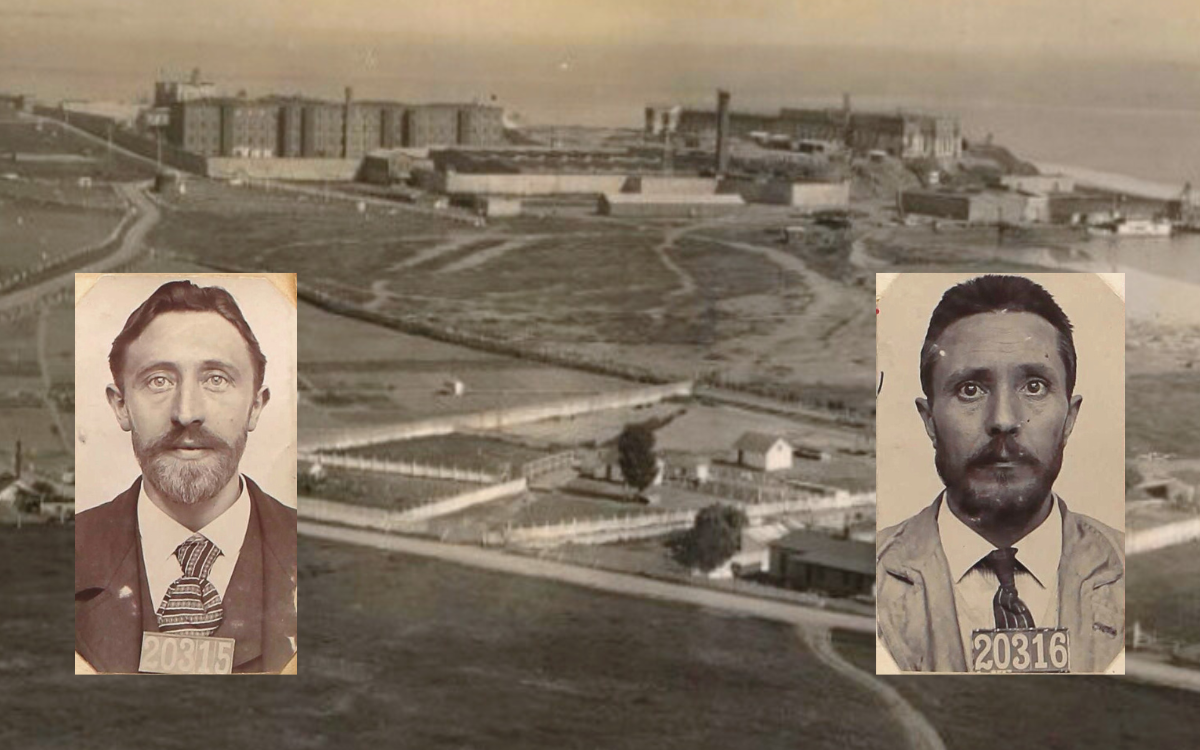
Family seeks information on 1903 counterfeiter
A recent question came across the Inside CDCR desk regarding a counterfeiter who was incarcerated at San Quentin in 1903.…

Ships shaped early California prison system
After California became a state in September 1850, the Legislature passed a law establishing all county jails would serve as…