

Early in the morning at Folsom State Prison, incarcerated participants and trainers are working together to combat diabetes and improve their health.
Watch the video (story continues below):
The goal is to reduce the high A1C levels through exercise and diet. A1C tests the amount of blood sugar levels over a few months, representing an average overall blood glucose level.
“So, we teamed up with medical (staff) to identify guys (who) had high A1C levels, and that’s how we started the program. Each participant has had an A1C blood test indicating they are either diabetic or (in danger of developing diabetes). We started this exercise group about eight years ago because we realized that there were a lot of older guys who weren’t participating in a lot of our normal sports and at the same time, we realized that a lot of the older guys were having medical issues,” said Principal Ken Spencer of Folsom State Prison’s Greystone Adult School.
Creating a program for older participants
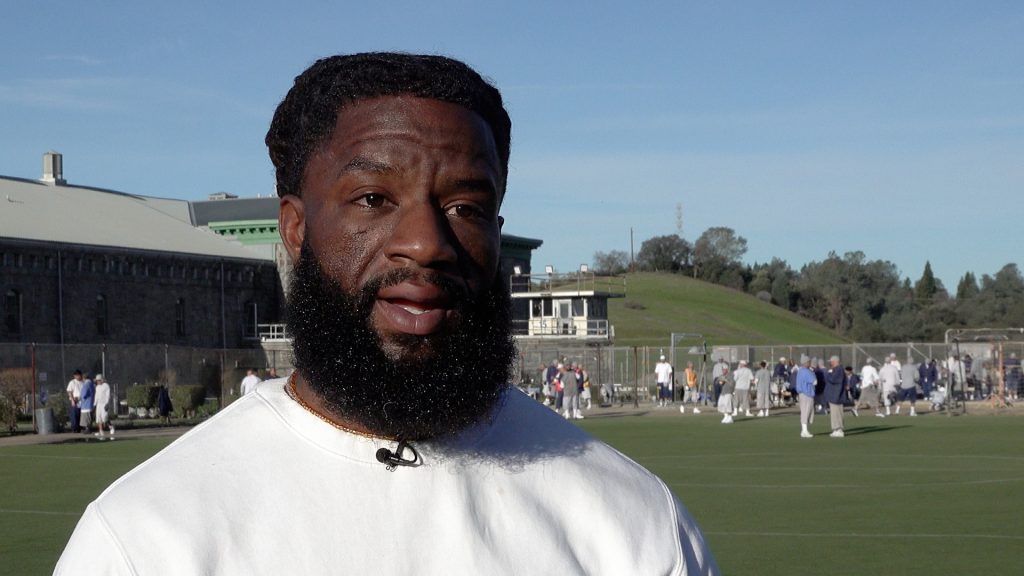
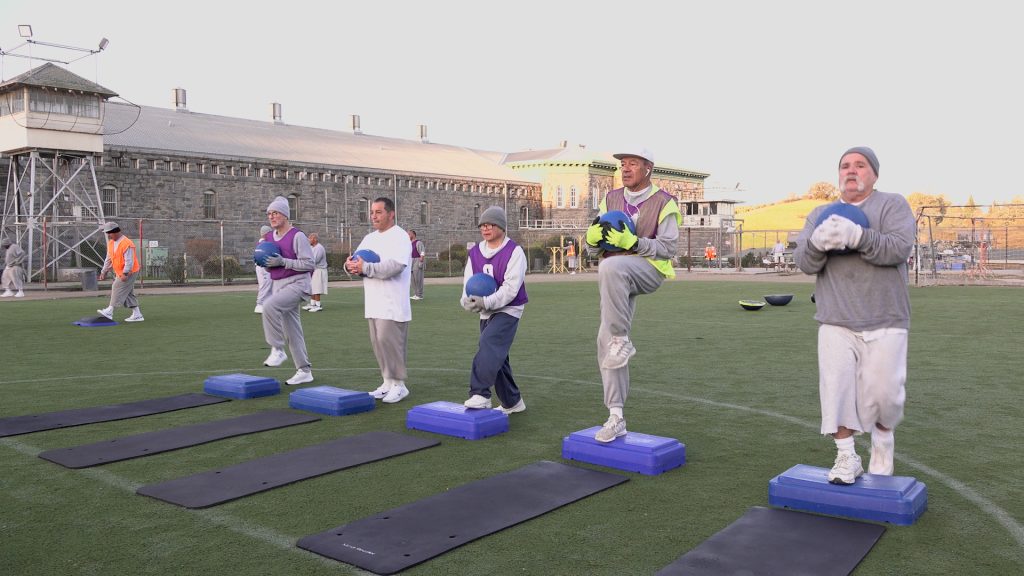

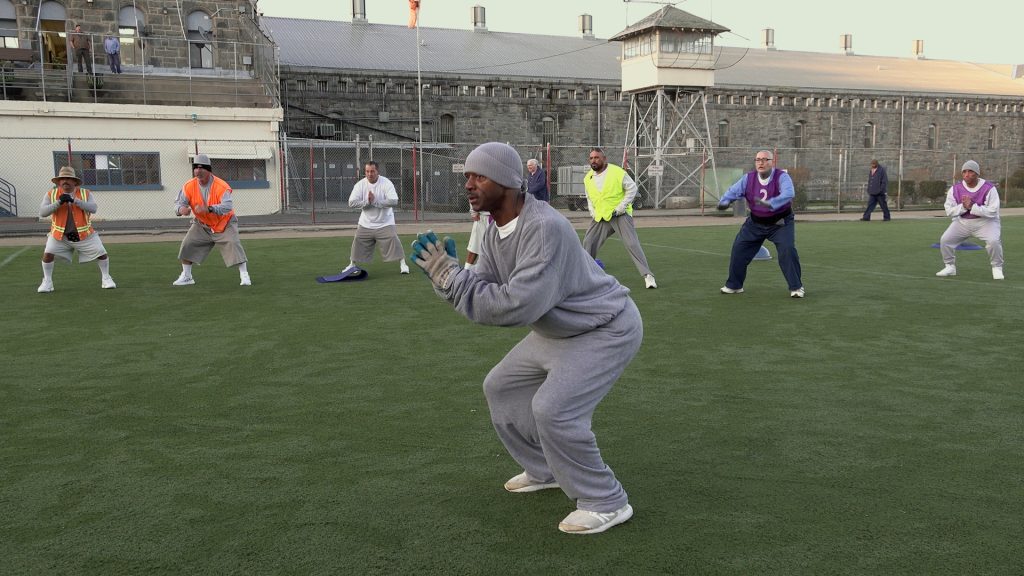
The program is run by incarcerated head trainer Virgil Wilkins. Together, he and Coach Langston, Folsom State Prison’s Recreation Coordinator, developed the special Geriatric Diabetic Circuit Training program.
Coach Langston helped Wilkins learn about dividing the training process into specific phases to increase athletic performance. It also involves having teams working together which helps individuals to peak at correct times. With this process, they have been able to build a custom program.
Because a lot of participants have injuries, whether it’s a shoulder or a hip or a lower back, they stress safety.
“Deterioration is (common) amongst the geriatric population, so we want to try to curb that. A lot of guys can’t usually do regular exercises, so we customize them to what their body can take,” said Wilkins.
The Geriatric Diabetic Circuit Training Program focuses on flexibility, agility, endurance and strength.
Coach Langston meets weekly with the trainers.
Each trainer has passed official recreation sports exams. Early on, they are educated in mechanical lifting safety. The circuit training regimen has been adapted from university and sports rehabilitation programs.
“It gives me a live client to actually practice what I’m studying. We help each other,” said Wilkins. “When they come out here and they look for me to get them motivated, it’s a great place in my heart.”
The 50-minute circuit training program is held rain or shine.
Incarcerated participant Harold said the program is helping.
“I’m going on 75 and I noticed my balance (has) really improved. I got the balance of a 20-year-old now,” Harold said. “I reduce the amount of medication I take (for) blood pressure (and my) cholesterol is good.”
Folsom prison making strides to fight diabetes
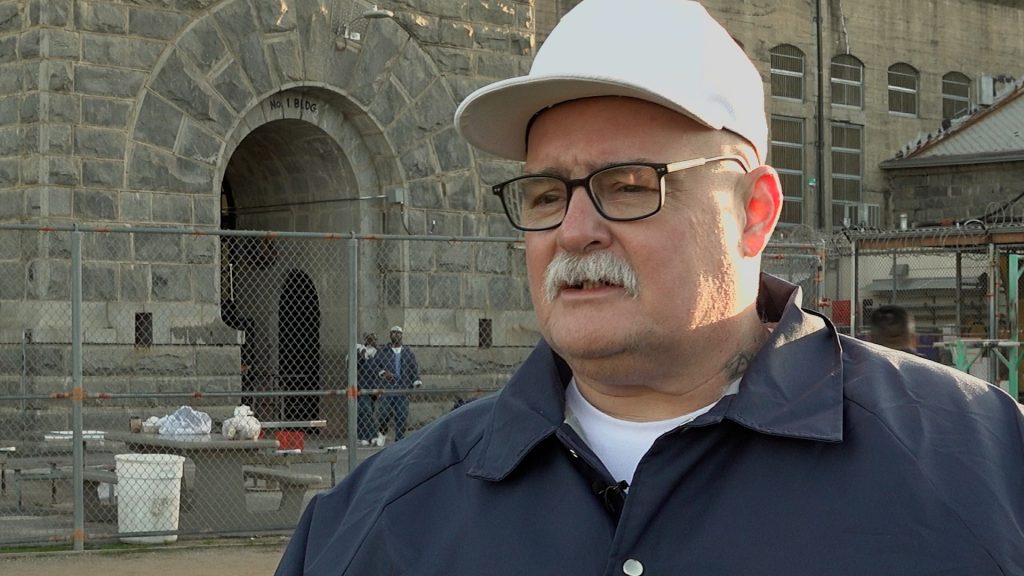
Donovan, another participant, said the program has been beneficial for physical and mental health.
“My favorite thing about this course is the different obstacles that we have, the option to walk or run or a good coach to work with us,” Donovan said. “My mental and physical attitude has changed by 100 percent. It has allowed me to work on myself and have a better outlook on life.”
Harold adds that it also helps his peers.
“It helps their health and also helps the facilities by not having as much medical problems, by people sitting around doing nothing and their backs are hurting, their legs are hurting. So, the best thing to do is to let people exercise. Those people who want to.”
Folsom State Prison has a larger, older population and their A1C average was higher than other prison populations.
According to Principal Spencer, A1C has significantly dropped among participants.
“We have partnered with medical and I’m being told that they have been able to meet their goal of a reduction in A1C by 90%.”
And Donovan is making remarkable strides.
“My A1C was at 13.5 and now it’s a 6.1,” he said. “Cholesterol is from my bad cholesterol from 80 to 35, which is below the perfect level.”
“They do a lot to get out in the morning to get here. They show up,” said Coach Langston.
“Health as wealth. Get out and start exercising. It’s very important,” Wilkins said.
These incarcerated participants exercise Monday through Friday starting at 7 am as well as other programs like a weekend running class. There is also Hip Neutral, a Friday hip mobility program catering to the geriatric diabetic participants.
Nutrition education is a key component for health
Nutrition is taught through articles shared with participants where they learn about the harmful effects of sugar, carbohydrates etc. and the benefits of low fat, high protein foods in the forms of meat and vegetables. A diabetic nurse will also spend a day in the education building instructing trainers about nutrition and diabetes.
The trainers are serious about their education and work. Virgil Wilkins is passionate about physical fitness and is on his way to get certified as a personal trainer though the ISSA – Internation Sports Science Association, they are willing to offer him assistance. For each trainer, the hope is to give each man real life training so that they can build a resume prior to leaving.
The Geriatric Diabetic Circuit Training program is popular and well received at Folsom.
Coach Langston said they would love to bring the program to other facilities. He said it would be a great opportunity to encourage and help other elderly persons to get healthy through safe customized exercises.
The hard work and commitment of the participants is acknowledged and recognized.
“We celebrate them when they lower their weight by 10 pounds. We give them a certificate showing that they’ve reached a goal that we’ve set for them,” said Langston. “When they lower their A1C by two points, we give them a certificate stating that they’ve done so and have reached their goal. When they do both of those, a 10-pound weight loss and an A1C drop, we give them an additional certificate and we call them an Iron Man.”
Video and story by Clarissa Resultan, TV Specialist
Office of Public and Employee Communications
Read more rehabilitation stories.
Follow CDCR on YouTube, Facebook, X (formerly Twitter). Listen to the CDCR Unlocked podcast.
Related content
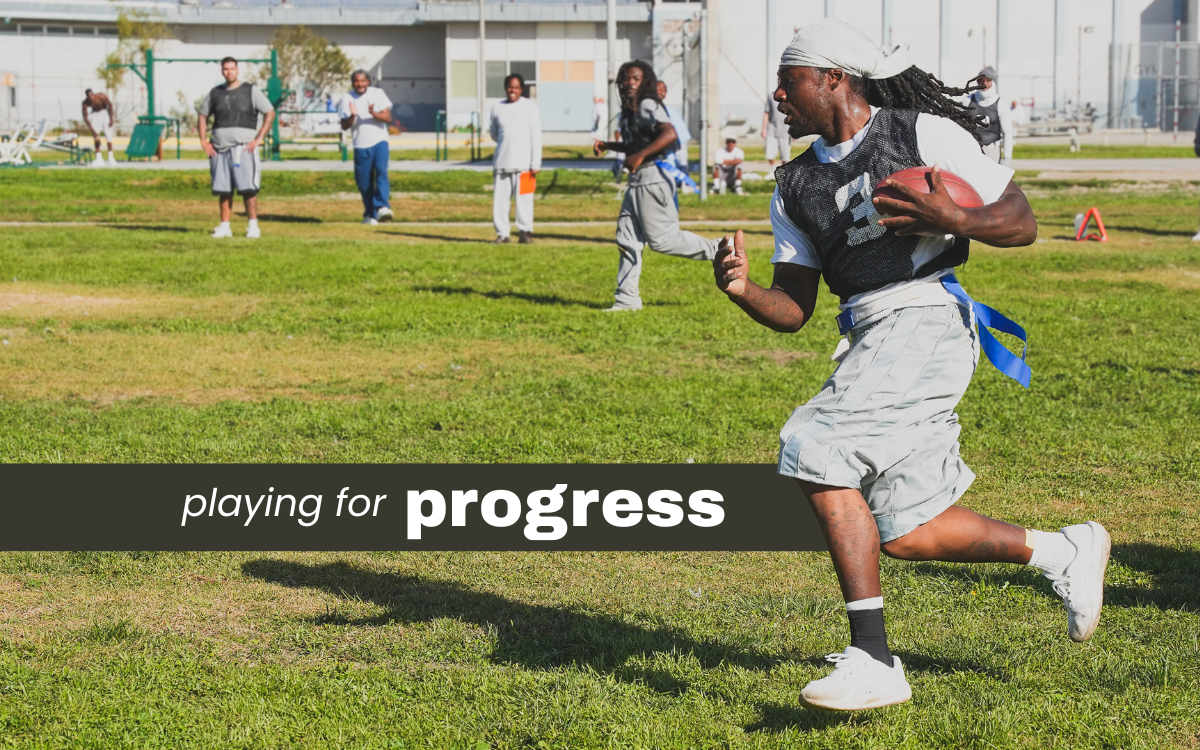
Watch: Bonding on the Field: CIM flag football
On a foggy Friday afternoon at California Institution for Men (CIM) in Chino, competition and camaraderie came together as players…
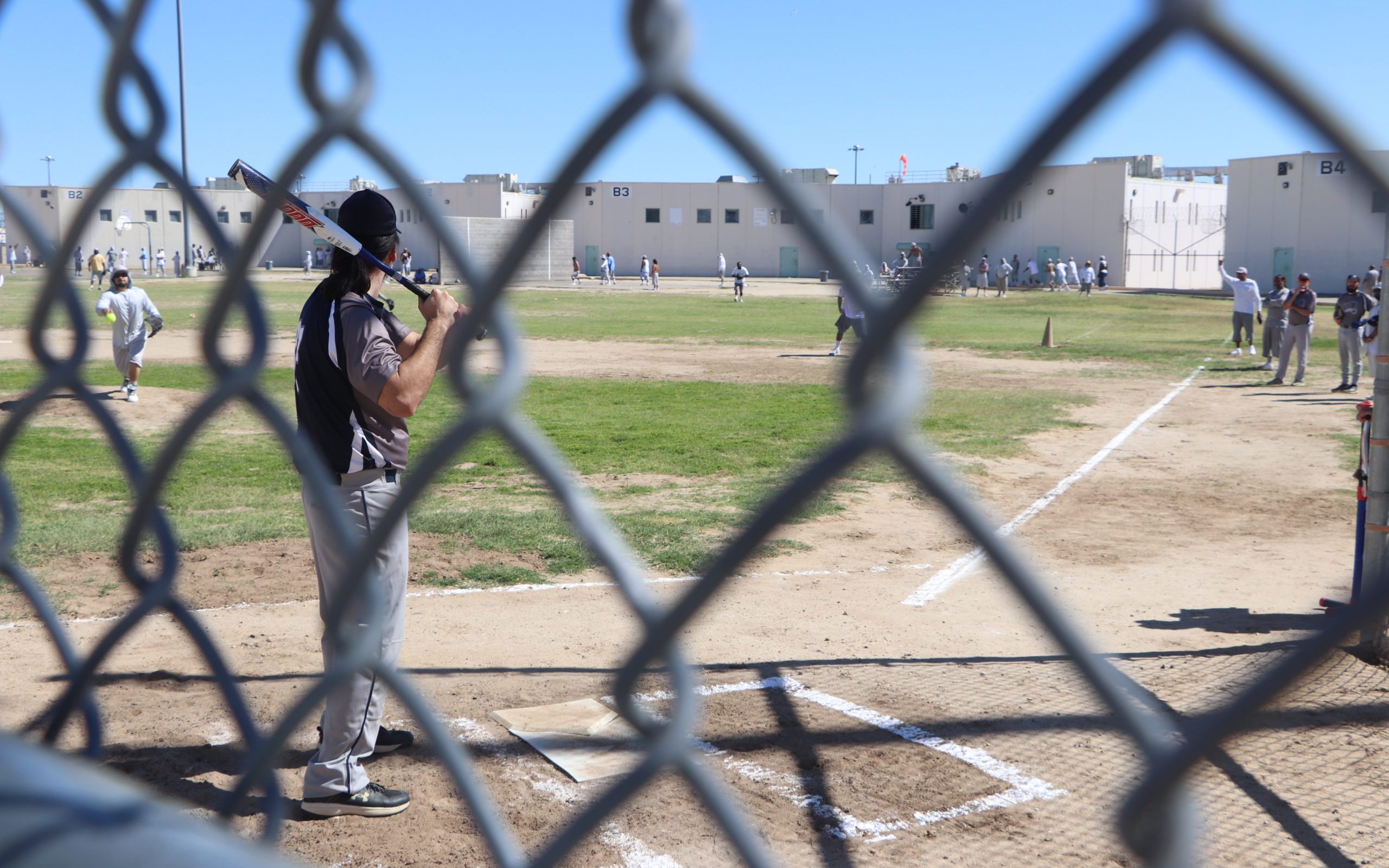
Centinela hosts Saints Prison Ministry softball
Saints Prison Ministry visited Centinela State Prison (CEN) to engage incarcerated persons on three facilities in friendly yet competitive softball…
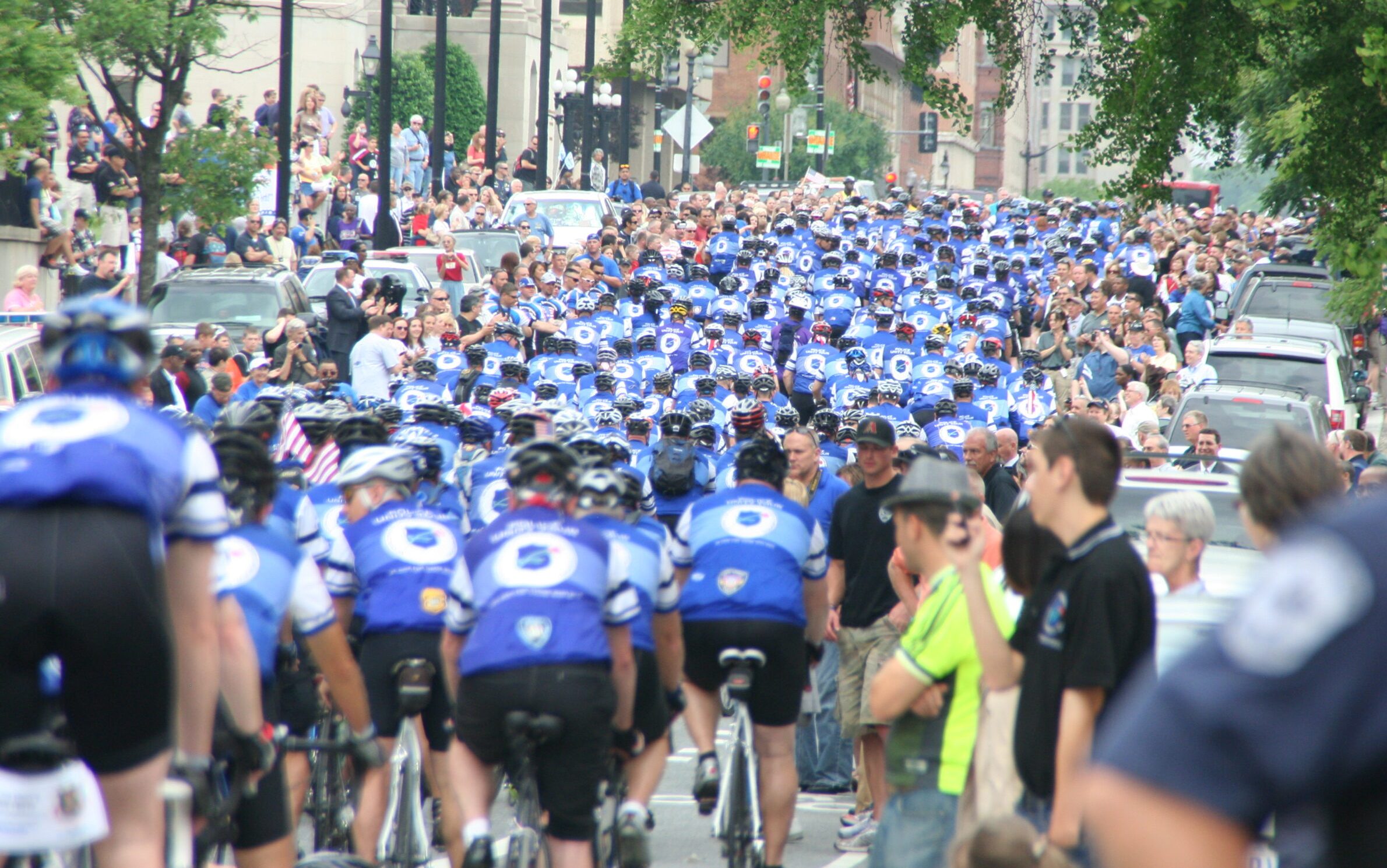
OCS special agent rides to honor Agent Byrd
For CDCR Special Agent Albert Franco, an upcoming cycling ride holds special meaning: honoring the memory of Parole Agent Joshua…
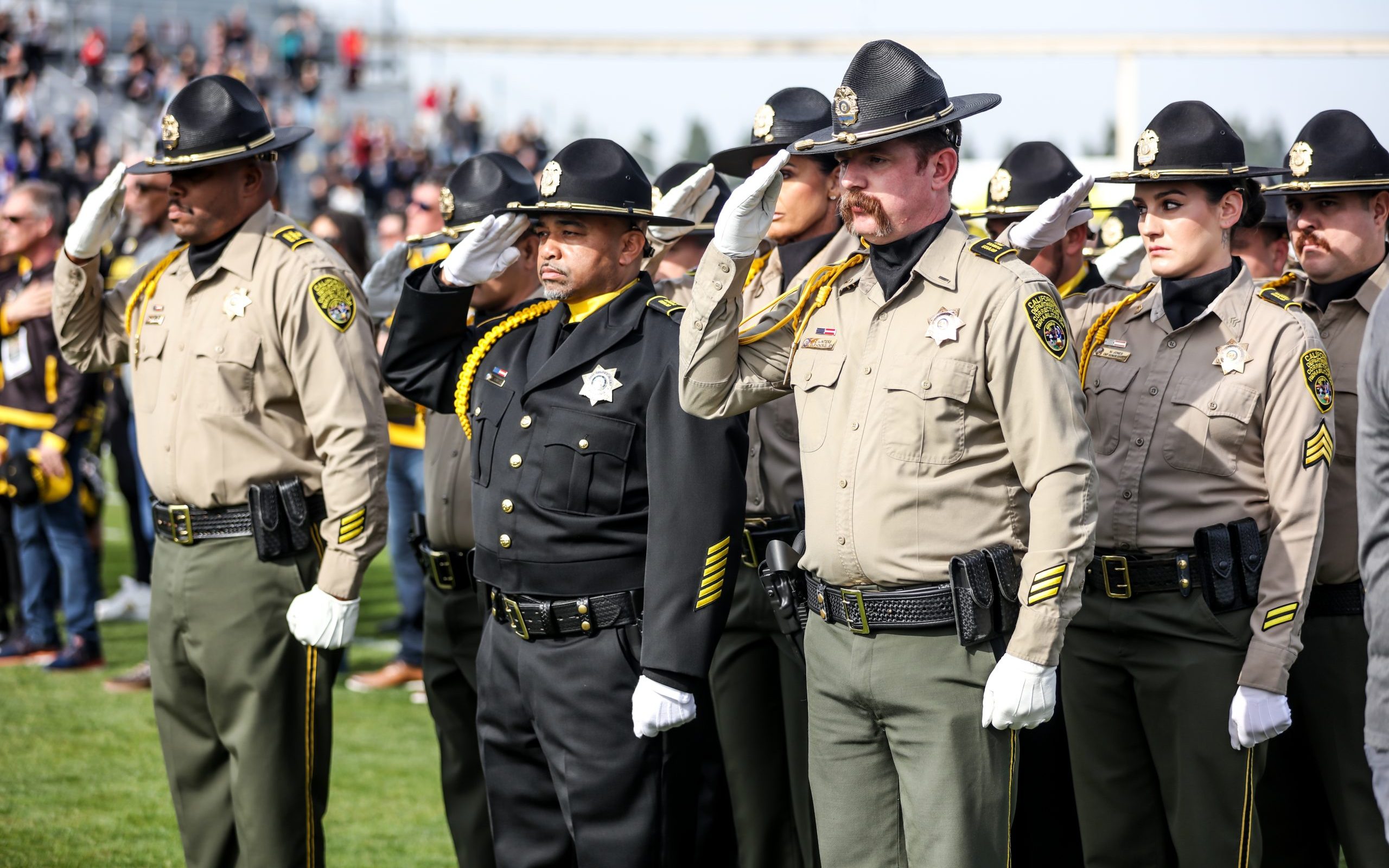
Guns and Hoses 2026 honors Parole Agent Byrd
Two years after father, husband and parole agent Joshua Byrd took the field at the Guns and Hoses football game,…

PVSP starts population flag football league
Pleasant Valley State Prison (PVSP) staff and incarcerated peer support specialists collaborated to create a population flag football league. Recreation…

Watch: Twinning Project, Angel City FC at CIW
CDCR, the Twinning Project and Angel City Football Club (FC) teamed up to launch two new cohorts of a leadership…