

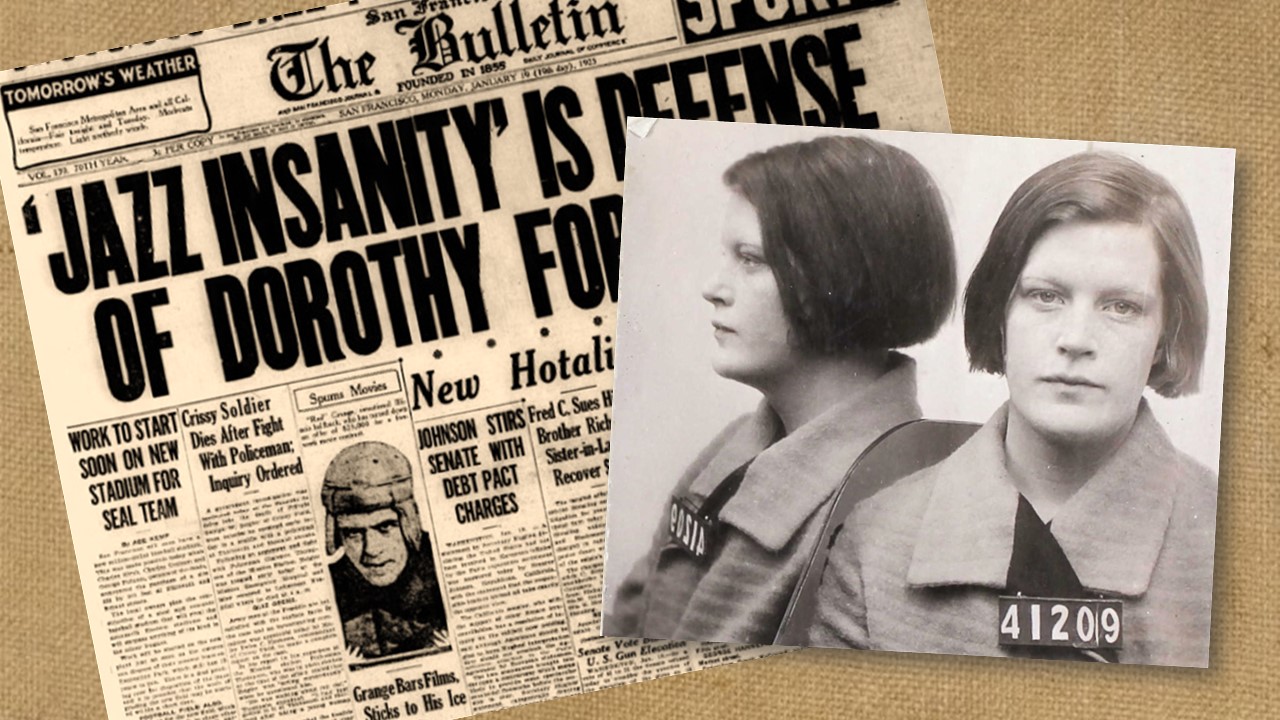
In the 1920s, a teenage girl, a mother’s murder, and jazz music made headlines when they converged in San Francisco. This is the story of how a misunderstood musical genre took center stage in a high-profile California murder trial.
- Did you know? In 2011, the United Nations Educational, Scientific and Cultural Organization officially designated April 30 as International Jazz Day in order to highlight jazz and its diplomatic role of uniting people in all corners of the globe. Learn more on their website.
‘Jazz Slayer’ Dorothy Ellingson, 16, faced murder charges
Dorothy Ellingson, dubbed the Jazz Slayer, was 16 when she admitted to murder, but music took the blame.
In January 1925, Ellingson confessed to murdering her mother.
“(Ellingson) killed her mother in a fit of jazz-mania,” news reports claimed.
An agreement between the prosecution and defense meant she would be tried in San Francisco juvenile court and sentenced to a reform school. The judge had other ideas.
A juvenile court judge refused to hear her case, instead referring it to superior court. If convicted, she’d be sent to state prison.
Her relatives claimed the culture surrounding jazz music was to blame.
“Joseph Ellingson and his son, Earl, (believe) the jazz era, and not Dorothy, is responsible for her crime,” reported the Madera Tribune, March 25, 1925.
Rounding up jazz musicians
Police began questioning musicians and their fans a few days after the murder. Initially, officers rounded up 17 jazz musicians who performed at various clubs Ellingson was known to frequent.
Her trial began in March and made national headlines. At one point, the trial was paused so she could undergo psychiatric treatment at the Napa State Hospital. In June, she was returned to San Francisco to continue her trial. By August, a verdict was in: guilty of manslaughter. Ellingson was sentenced to one-to-10 years in San Quentin State Prison.
After seven years, she was paroled.
“San Quentin prison gates swung open Monday to release Dorothy Ellingson,” reported the Healdsburg Tribune, March 1, 1932. “She fled in a race of taxis, autos and ferries to elude photographers.”
Much like most media at the time, the United Press reported on her clothing and makeup.
“She wore a brown fur-trimmed coat which her father, a tailor, made for her. Her red hair and brightly rouged lips were all that was reminiscent of (the) once bright flame of San Francisco’s dance hall and after-midnight life.”
According to prison officials, Ellingson was a model prisoner during her time at San Quentin.
Trouble follows
A year after her release, Ellingson’s name was once again in newspapers.
“The young woman, now 24, was arrested early Sunday morning on a charge of grand theft,” reported the Healdsburg Tribune, March 9, 1933.
Ellingson admitted taking jewelry and clothing valued at $560 from Mary Ellis, her roommate. In modern terms, the loot is valued at $12,500. When arrested, Ellingson gave a false name but after being booked, her true identity was revealed.
The charges were eventually dropped. Ellis decided against pressing charges, opting instead for forgiveness.
“It would be no satisfaction to me to send the girl back to prison,” Ellis said. “If she had asked me, I would have been glad to have loaned her the things.”
Jazz Slayer settles down, leaving past behind
According to the Napa Valley Register, Ellingson married Robert Stafford, Jr., and began calling herself Diane Stafford, starting a new life.
“She eventually became a mother of two children and lived a quiet life. The final newspaper notation about Ellingson was of her passing on Sept. 16, 1967,” according to the Register, March 21, 2015.
Learn more about California prison history.
Follow CDCR on YouTube, Facebook, X (formerly Twitter). Listen to the CDCR Unlocked podcast.
Related content
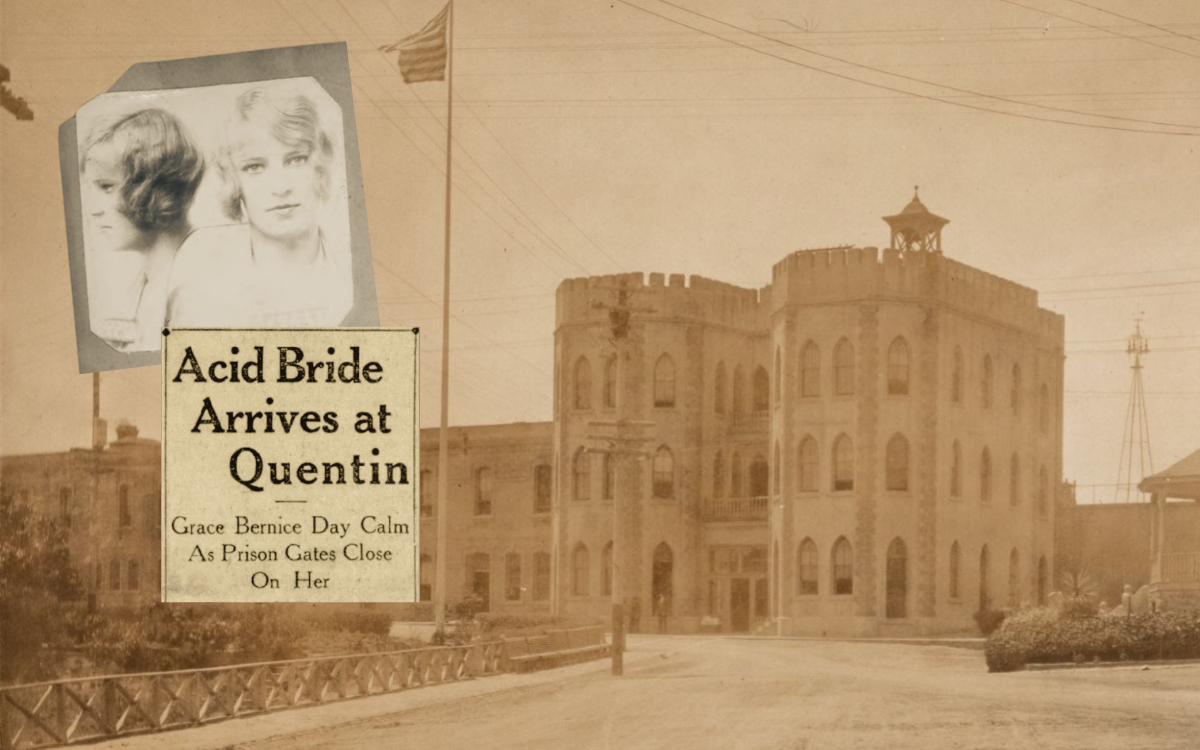
Echoes from the Past: Restoring history’s missing pages
While researching stories for the Unlocking History series, we often find damaged documents, missing photos, or incomplete information. One example…