

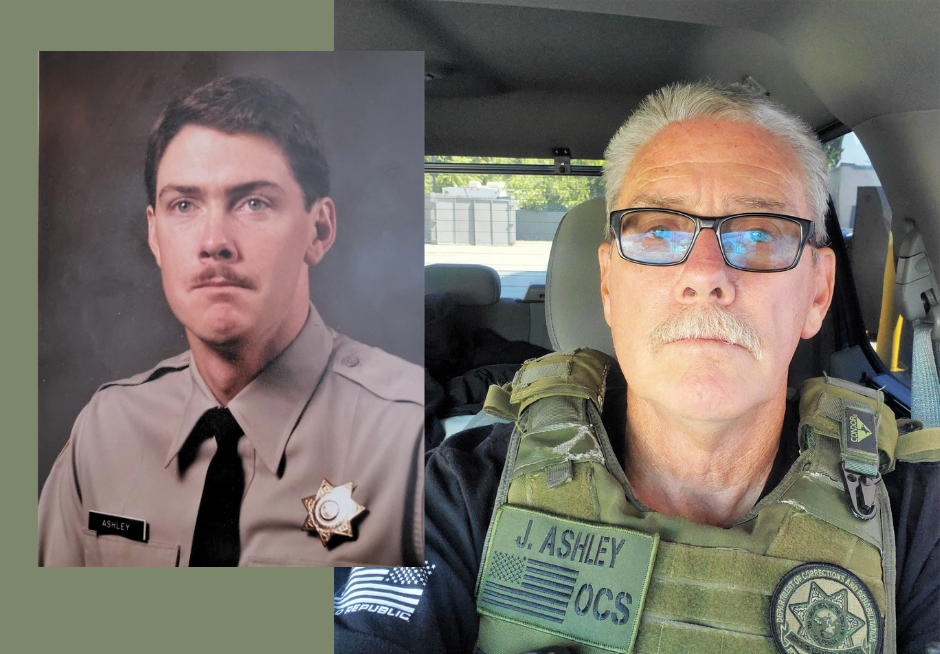
Jon Ashley, a senior special agent with the Office of Correctional Safety, has seen many changes over his nearly four decades with the department.
When he started as a cadet in September 1986, “Top Gun” and “Ferris Bueller’s Day Off” dominated the box office. After graduating in October, he reported for duty at the California Institution for Men in Chino.
He spent the first decade of his correctional career at the Chino prison, promoting to sergeant and serving as an Investigative Services Unit investigator. Ashley also attended the 22nd Basic Special Emergency Response Team (SERT) Academy, serving on the institution’s SERT team.
In 1995, he reported to the Division of Adult Parole Operations (DAPO) as a parole agent in Pomona, Victorville and as part of the Parolee-At-Large team. He spent the second decade of his career as a parole agent before transferring to the Office of Correctional Safety. Ashley began as a parole agent and worked his way up to special agent and senior special agent. He’s a tactical firearms instructor, armorer and academy instructor.
Now he’s preparing for the next chapter of his life: retirement. Inside CDCR caught up with Ashley to discuss his career and how he’s managed to balance life and work during his 38-year career.
Senior Special Agent Jon Ashley retiring after 38 years
What are some of the biggest changes you’ve seen over your years with CDCR?
When I started, everything was on paper. There were no computers, tablets, or smart phones. There was no email, electronic shared files, or servers to upload document or reports. When an incident happened, you hand wrote your report. Then, an incarcerated clerk would type the report in memo format for your signature. Cameras were still Polaroid Instant. Hard to fathom we were taking crime scene photos with a Polaroid. We have come into the technology / informational superhighway.
Central Files (C-Files) were still an actual paper file. Now we access via SOMS and ERMS from our computers in the field.
(Editor’s note: SOMS is the Strategic Offender Management System while ERMS is the Electronic Records Management System.)
I have seen the political pendulum swing both ways from three strikes and the re-start of death penalty to AB109 and zero bail for offenders. Now you’re seeing a movement to start the pendulum going back the other way for quality of life in the community. It ultimately will affect CDCR.
How do you try to achieve work/life balance?
I have been fortunate to have a long and safe career. I owe this to several things: strong family who supported me and good staff who are well trained.
As hard as it is in my position, it’s hard to just disconnect from the job. Unfortunately, it doesn’t always happen. There comes a time you must turn the phone off and leave the work at work. When I was younger, I didn’t take many vacations. As I have matured, I have realized I need and have taken longer time off. Learning point: Make time for yourself, whether that is traveling or just disconnecting from the job.
What hobbies do you enjoy?
I have always been a fix-it kind of person and get a lot of satisfaction tinkering, fixing or creating things around my property. My wife has a whole new list of items to be fixed or updated as I go into retirement.
My wife and I enjoy camping and traveling. Being foodies, we travel and seek out restaurants we see on the cable channels. So far, we have traveled to seven countries and plan to do more during retirement.
Why did you choose to join the department? Did you have a career prior to joining the department? If so, what was it?
After graduating from high school, I began working in the rental car industry at the local airport. I promoted to the general manager overseeing three locations. During this time, I began my law enforcement career by being a reserve police officer. I always wanted to be a street police officer since I grew up watching Adam 12 on TV. I had an uncle who worked at San Quentin and at Black Mt. Conservation Camp back in the late ’70s. So, I was exposed to what department was during that time.
As I was completing college, I needed a reliable job with medical insurance because I had a child being born shortly. The department was hiring as it was the beginning of the prison expansion era. There were still only 12 prisons at that time. If you wanted to work at a particular prison, you went to the main gate and dropped off an application. Back then, you did all your testing and interviews right at that prison.
What advice would you give others considering a CDCR career?
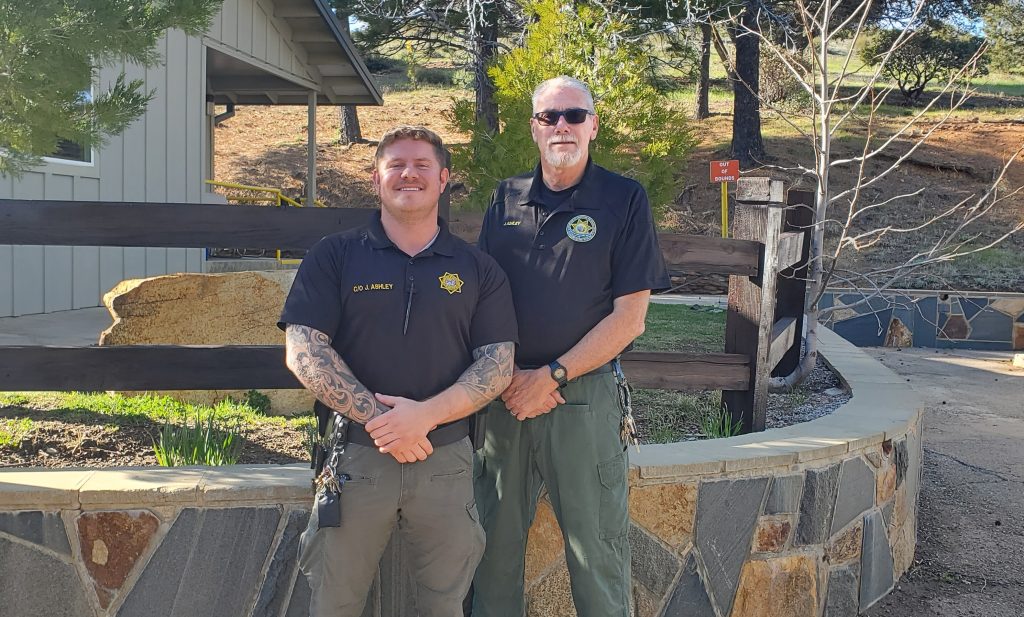
CDCR has been a great career for me and my family. I had family prior to me working for the department and my youngest son is now a correctional officer at La Cima Conservation Camp. I have always promoted the department whenever I can, telling people it offers good pay, good benefits and good vacation credits.
As a former partner once said, it doesn’t get any better than this.
I always told myself, never stay more than four or five years in one spot before promoting or transferring to another position. Stimulate your brain and learn something new.
I didn’t follow my rule while in OCS, unless you consider the position changes within the office.
Study, train hard, follow policy, and the law. You will have a prosperous career. Be honest and respect your fellow staff and incarcerated people and those on parole supervision. It will pay dividends down the road. Your word is your bond.
What plans do you have for retirement?

We are currently expecting a grandchild to be born shortly after retirement.
Also, we own a recreational vehicle and will be traveling the country. My wife and I have a map of the USA on our wall with dots of all the spots our friends live and sights we want to see.
We will be traveling across the west in 2024 and then the easter part of the country in 2025. We’ll also mix in some historical or exotic out-of-country locations to see.
Anything else you’d like to add?
I would tell new officers to stay the course, follow the policies and law. We carry out what the citizens and legislature enact. If you don’t agree, either way, get involved in your community to make a difference.
Stay healthy, stay safe and reach out to your friends, co-workers, and retirees. Let them know you’re thinking of them, and you are there if they need you. Remember tomorrow is not promised.
In my 38 years, there is only one day I wish I could have turned back and that was for my son, USMC Sgt. Joshua R. Ashley who was killed in Afghanistan. Because of my experience, I fully support RED: Remember Everyone Deployed, no matter where they are deployed to.
Read the original 2012 story on Joshua Ashley.
Story by Don Chaddock, Inside CDCR editor
See more stories highlighting CDCR/CCHCS staff.
Follow CDCR on YouTube, Facebook, X (formerly Twitter).
Related content
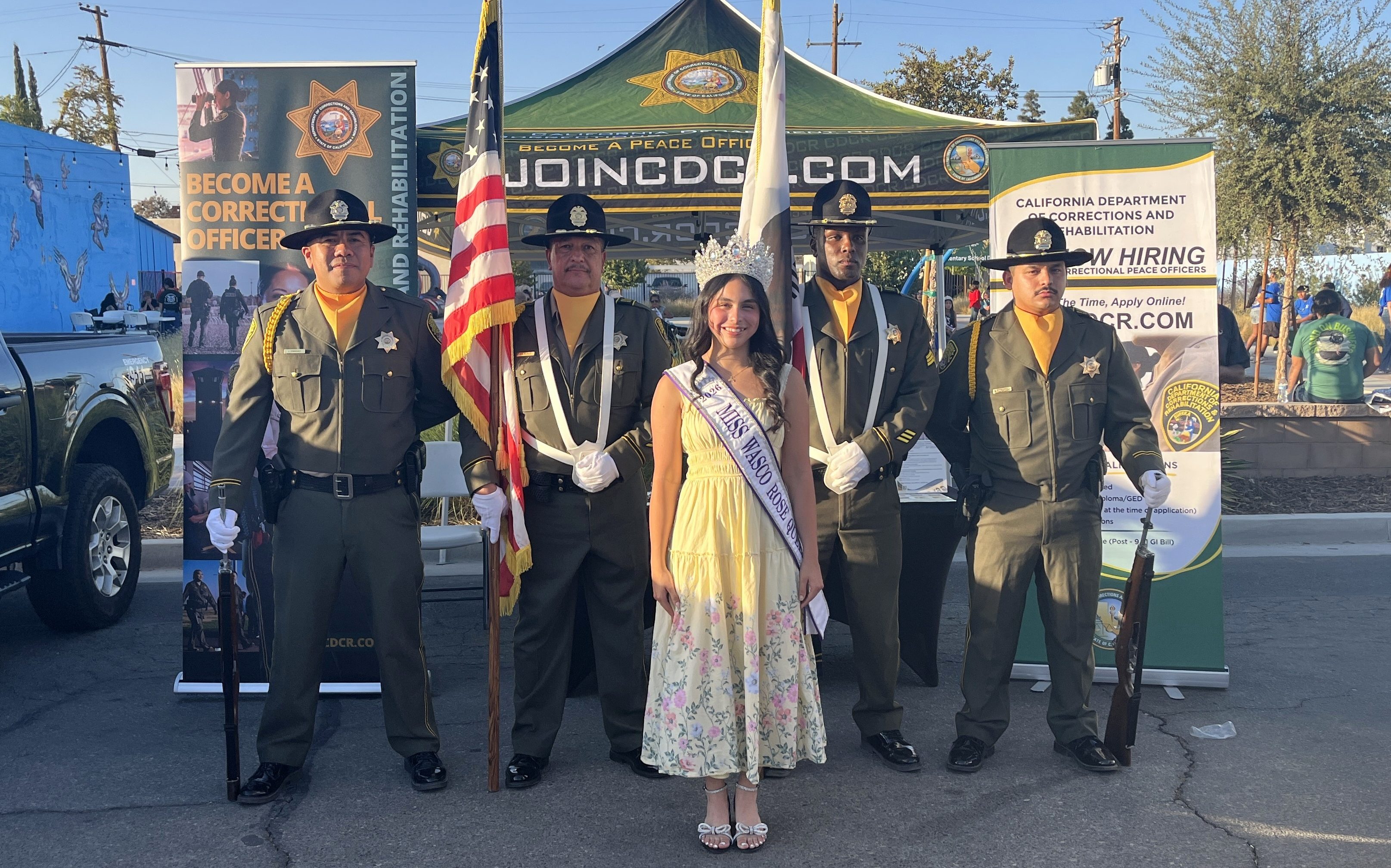
WSP‑RC staff get into fall National Night Out
Wasco State Prison-Reception Center (WSP-RC) Honor Guard and recruitment staff took part in a fall National Night Out. Hosted by…

Centinela holds first Dodgeball Tournament
The first Centinela State Prison Dodgeball Tournament was held as a fundraiser for Officer Aguilar, a staff member battling illness.…
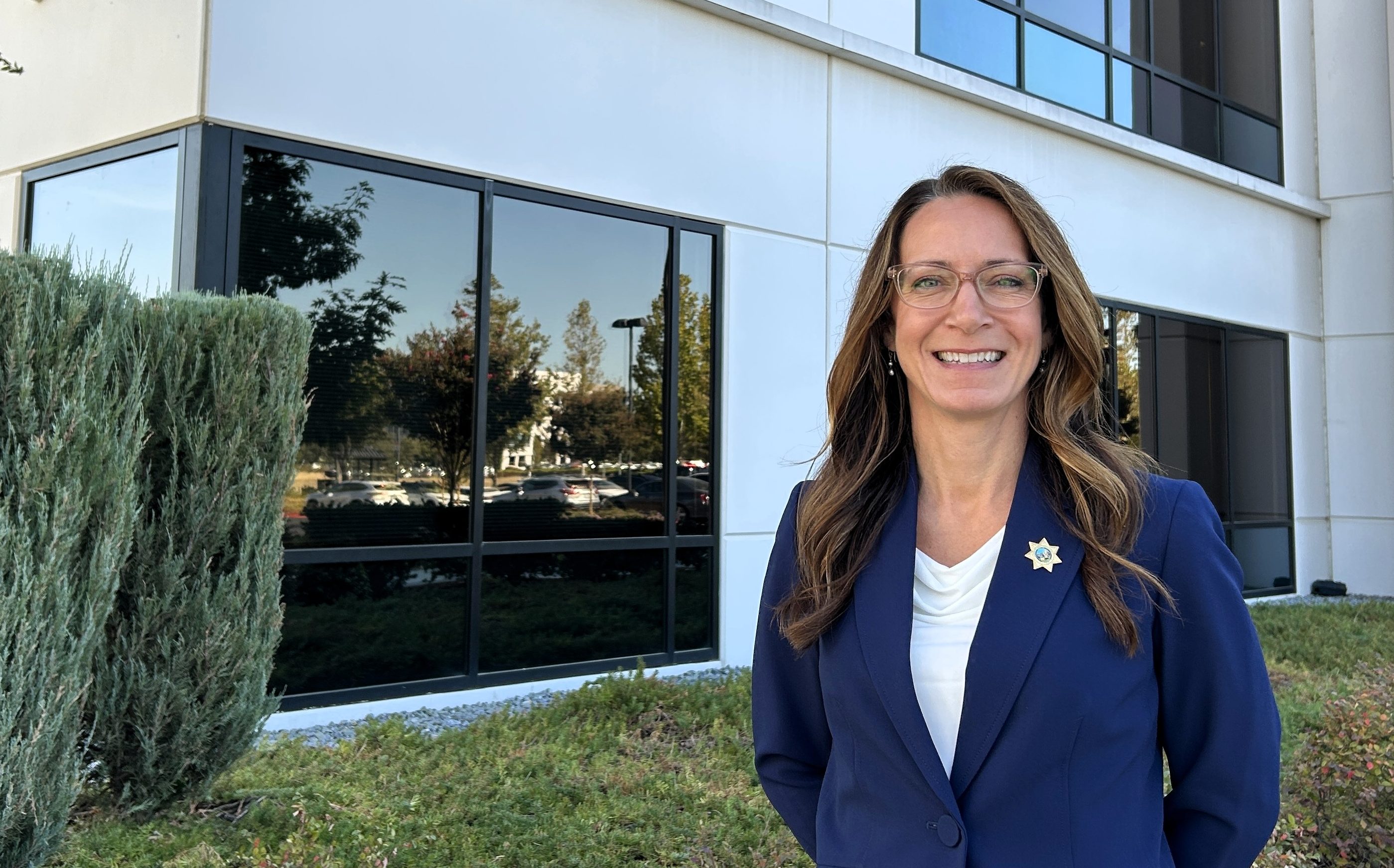
After 29 years, Undersecretary Barretto prepares for retirement
Jennifer Barretto has committed nearly 30 years to public service in California, contributing to the success of corrections and rehabilitation.…
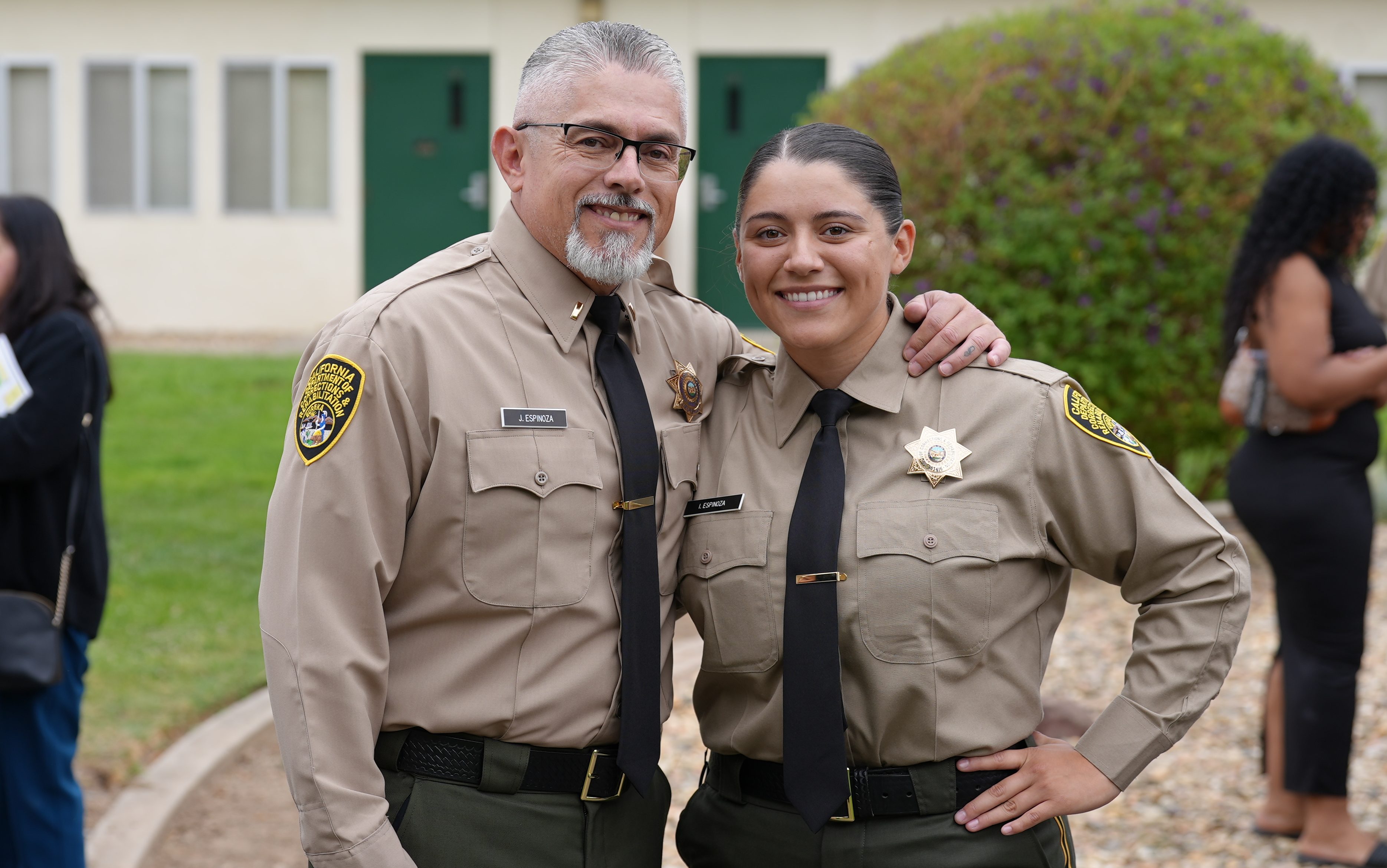
Espinoza begins CDCR career same day her father retires
Editor’s note: Isabella Espinoza graduated the academy with Class 3-26A, beginning her CDCR career the same day her father retired…
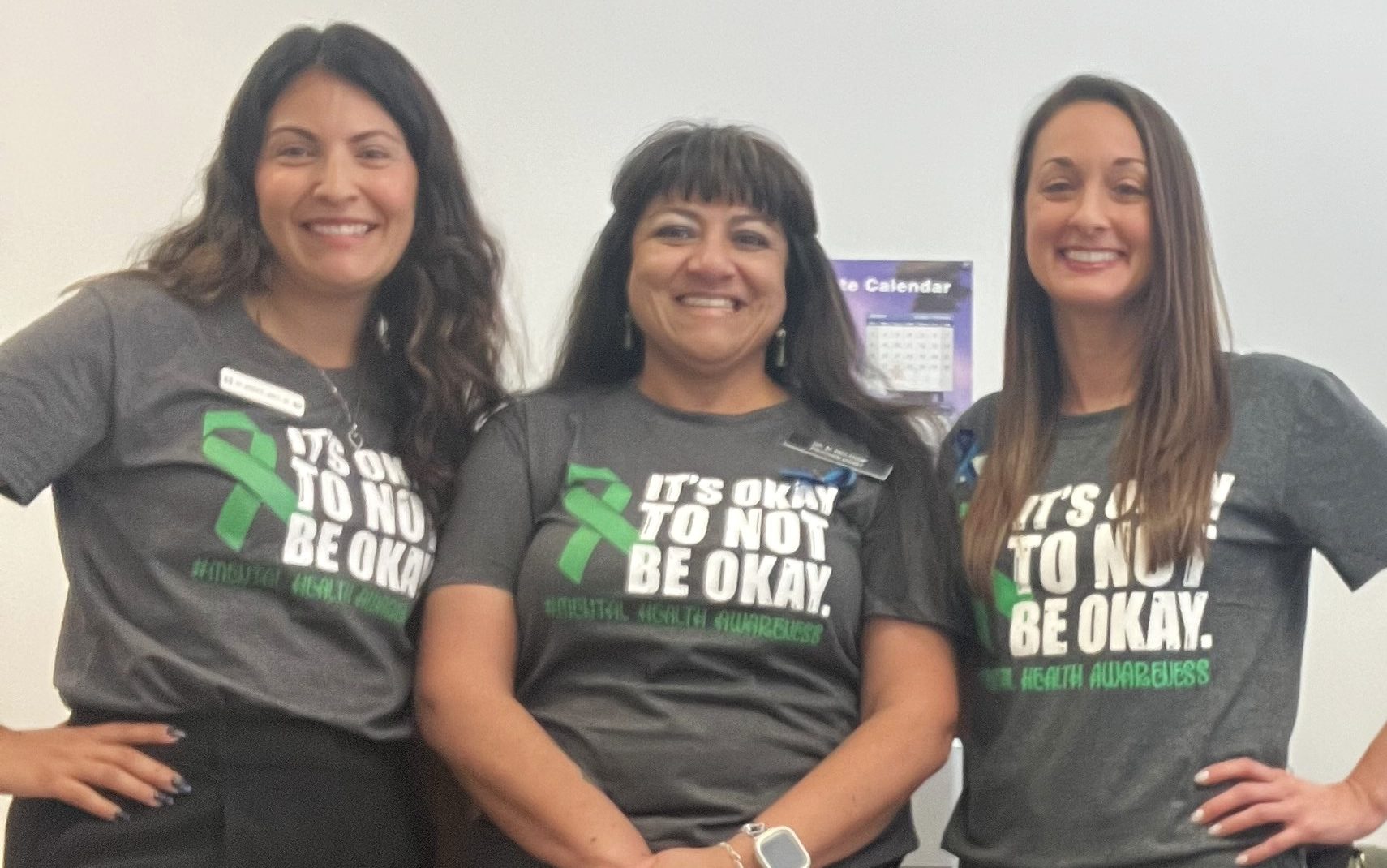
LAC hosts Suicide Awareness Month events for staff
California State Prison-Los Angeles County (LAC) staff participated in multiple initiatives to highlight Suicide Awareness Month. The observances and activities…

Pelican Bay hosts annual Employee Appreciation Day
The annual Employee Appreciation Day at Pelican Bay State Prison (PBSP) in Crescent City brought staff together for camaraderie, competition…