

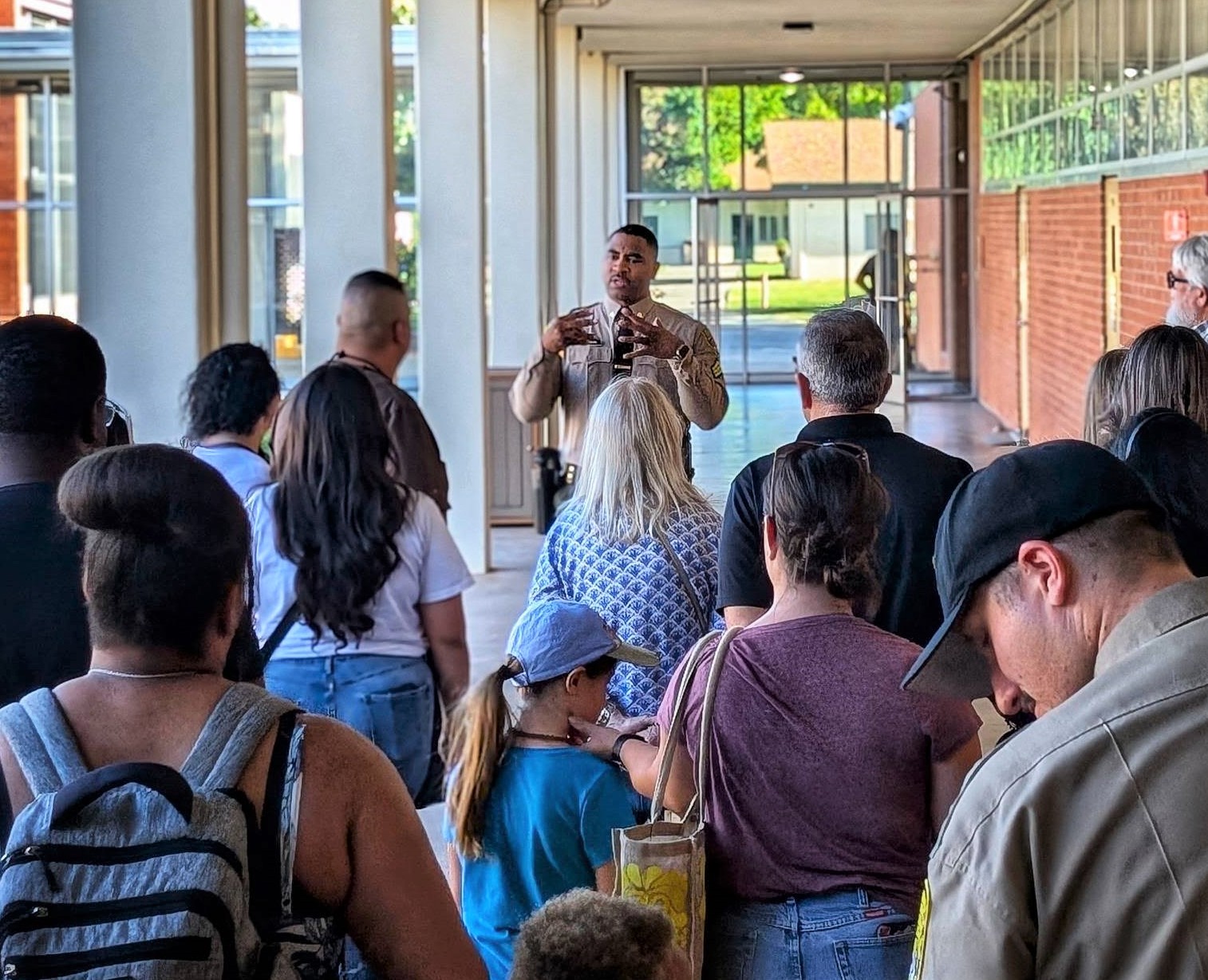
Recognizing the importance of family, CDCR is strengthening family connections for cadets enrolled in the academy.
The Office of Employee Wellness (OEW), seeing a need to keep families informed, created the Basic Correctional Officer Academy Family Wellness Initiative.
Wellness initiative includes family in cadet’s career
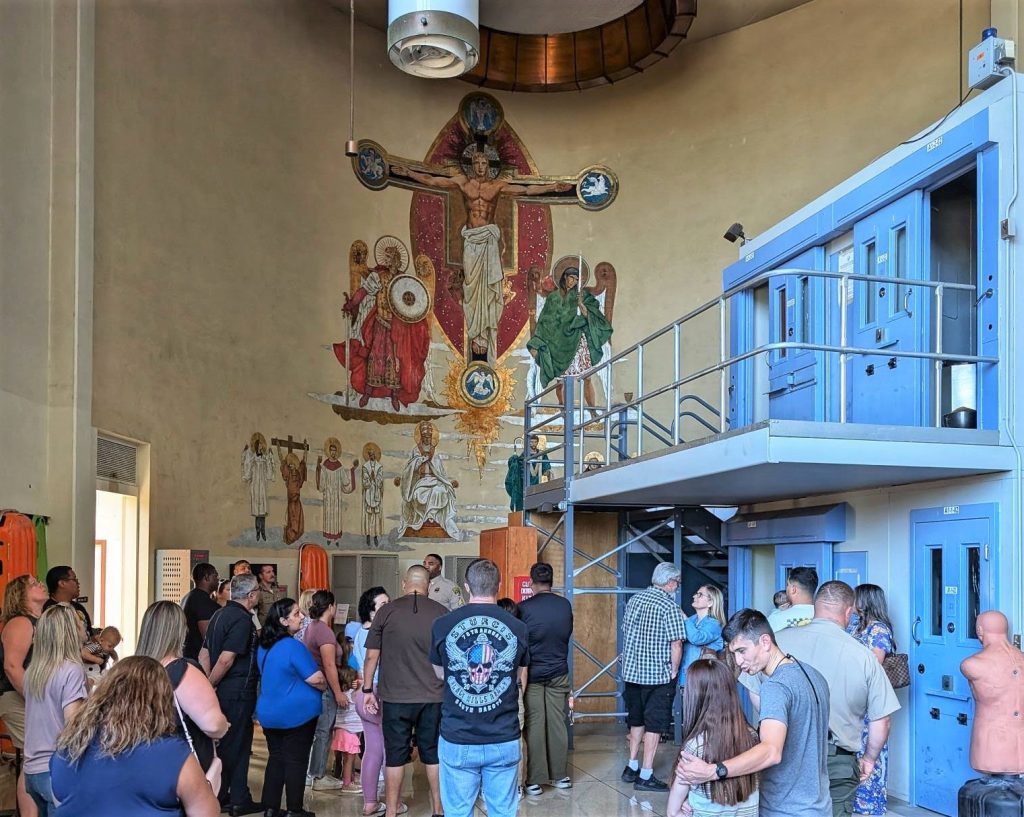
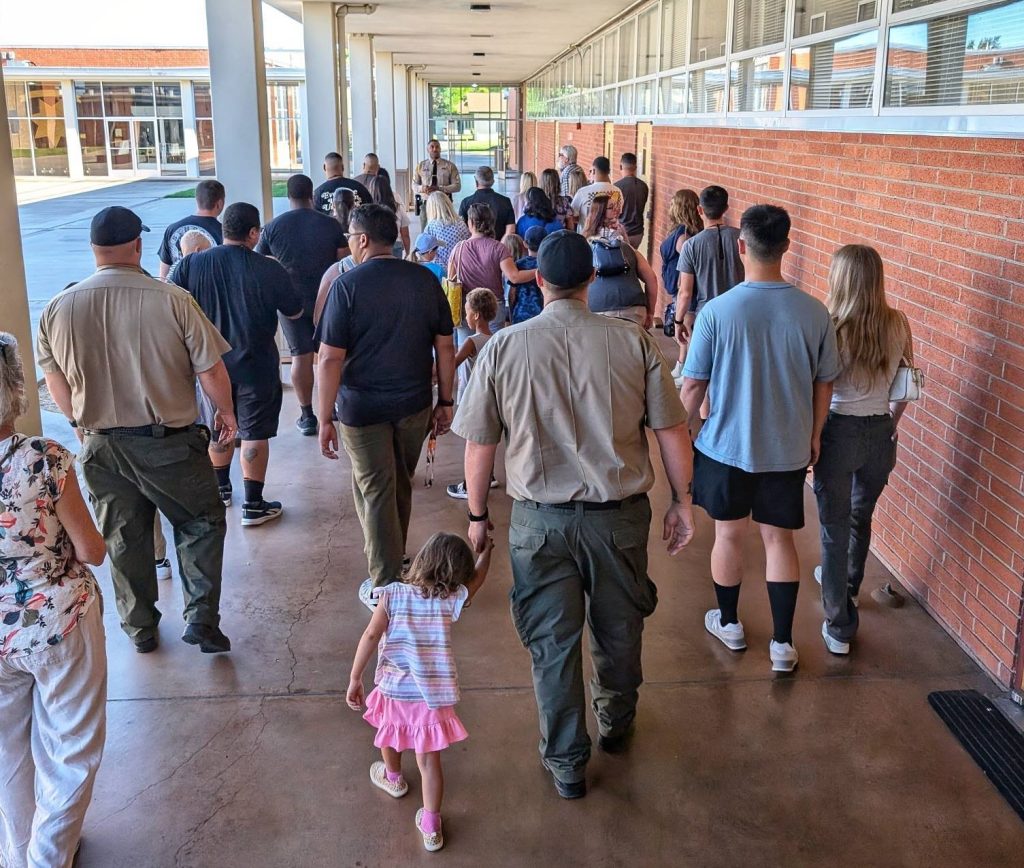
While teaching a three-hour stress resiliency course, cadets have expressed a need to provide resources and information to their families as well. They asked about informing their families about anticipated challenges and stressors the cadets will face in the correctional environment.
A team of five OEW staff are now working with the Correctional Training Center to include cadets’ families.
The academy’s family wellness team comprises a program lieutenant at the training center, two licensed clinical social workers (LCSW), a correctional officer, and an associate governmental program analyst.
The team works together, creating a newsletter for families about the graduation ceremony, questions and answers about the correctional career, and photos of the senior class.
Then, a family virtual meeting is scheduled the week before graduation, covering a variety of topics. This allows families to directly interact with the team and ask questions. On the morning of graduation, the family wellness team meets with families and provides resource materials.
Meet the team
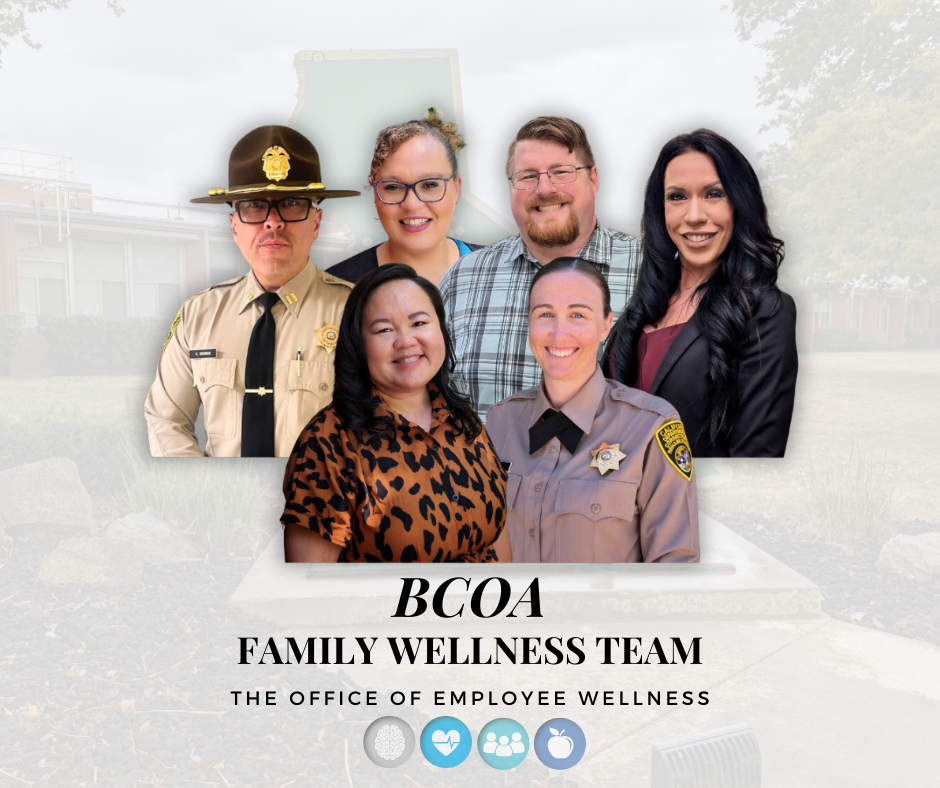
Correctional Officer Jacqueline Wall served as the Employee Assistance Program (EAP) and wellness initiative officer.
“While the cadets are in the academy for 13 weeks learning everything there is to know about their future careers, there can sometimes be a disconnect between them and their families and the impact it will have on them,” Wall said.
To be successful, she said officers need support.
“This isn’t a career that affects just the officer. By bridging the gap between the cadet and their loved ones, we are setting the tone for their future and really helping connect them before they go to an institution,” Wall said. “We help them understand the changes their cadet might experience, how their schedule may look, some commonly used terminology as well as the plethora of resources available. By bringing family members and loved ones in on the journey, we are strengthening the cadets’ support system which is setting them up for future success.”
Behavioral Health and Wellness Consultant Margot Charkow-Ross, LCSW said there have been challenges creating the program.
“The biggest challenge that we have experienced is finding the pathway to communicate with family members and loved ones. Currently, we present the family wellness initiative to cadets. Then, they voluntarily share their family (contact information),” she said.
Helping cadets who are having problems
Cadets who might be struggling have found support through the program as well as their family members.
“We are able to talk with cadets who might be struggling and let them know that we can talk and support their family members as well,” she said. “Since (we are) already at the academy to present stress resiliency, it’s nice to have other opportunities to connect with them through this program. We are with them in their classroom around week three, then we have a table set up at vendor night. This is followed with seeing us at graduation. We want them to know we are there for them throughout their career.”
Education for families and cadets
Behavioral Health and Wellness Consultant Mai Her-Holloway, LCSW,
“Our goal is to connect with cadets and their family members and educate them on topics such as the importance of reaching out for help, the role of the field training sergeants, the significance of communication with one another in hopes to better prepare cadets for their correctional career and how to maintain a healthy and supportive family core,” she said.
Lt. Ben Sherrin, Richard A. McGee Correction Training Center program lieutenant, said family members appreciate the initiative.
“I have heard directly from family members about how scared they are for their cadets. When the families hear about improvements to training and operations in the facilities directly from experienced staff members, it goes a long way in improving their morale,” he said. “The Office of Employee Wellness is the perfect team to partner with to disseminate this message. When the information comes solely from academy staff, it sounds like we are just trying to pacify an outsider. When we work together as a team, the information is more easily accepted by the everyone.”
Story by Don Chaddock, Inside CDCR editor
See more stories highlighting CDCR/CCHCS staff.
Follow CDCR on YouTube, Facebook, X (formerly Twitter).
Related content
Centinela holds first Dodgeball Tournament
The first Centinela State Prison Dodgeball Tournament was held as a fundraiser for Officer Aguilar, a staff member battling illness.…
After 29 years, Undersecretary Barretto prepares for retirement
Jennifer Barretto has committed nearly 30 years to public service in California, contributing to the success of corrections and rehabilitation.…
Espinoza begins CDCR career same day her father retires
Editor’s note: Isabella Espinoza graduated the academy with Class 3-26A, beginning her CDCR career the same day her father retired…
LAC hosts Suicide Awareness Month events for staff
California State Prison-Los Angeles County (LAC) staff participated in multiple initiatives to highlight Suicide Awareness Month. The observances and activities…

Pelican Bay hosts annual Employee Appreciation Day
The annual Employee Appreciation Day at Pelican Bay State Prison (PBSP) in Crescent City brought staff together for camaraderie, competition…

CHCF thanks staff through third annual automotive show
The California Health Care Facility (CHCF) in Stockton recently hosted its third annual automotive show. This event provides staff with…