

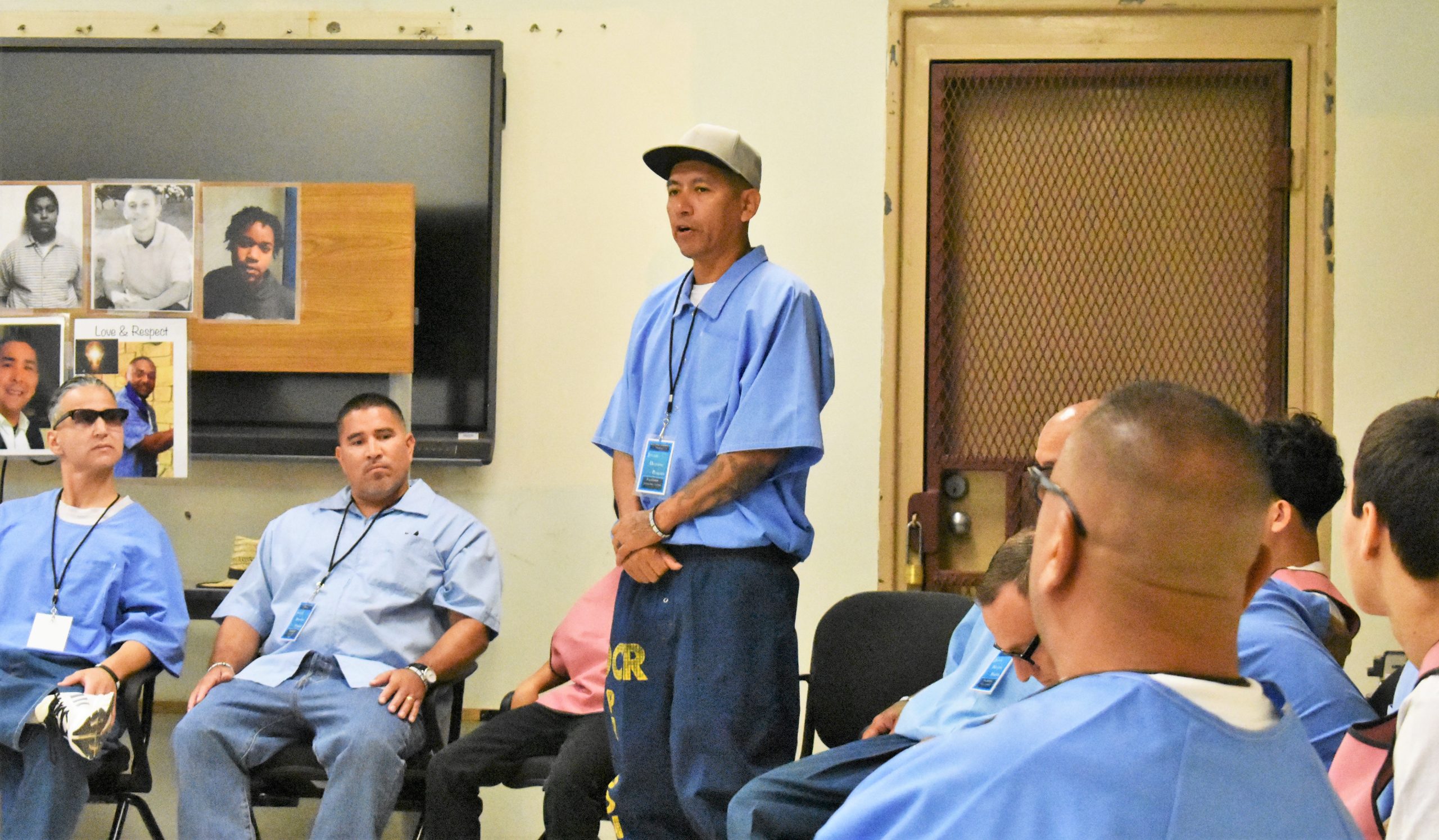
Over the weekend, six at-risk youth took part in the juvenile diversion program at Mule Creek State Prison’s Facility C.
The Mule Creek diversion program is designed to guide at-risk youth away from the traditional juvenile justice system. This program emphasizes accountability while providing educational resources to illustrate the consequences of delinquent behavior.
This program emphasizes accountability while simultaneously providing educational resources that illustrate the consequences of delinquent behavior.
By engaging the youth in constructive activities and offering personalized support, the incarcerated people foster a rehabilitative environment. This allows youth to reflect on their actions, understand repercussions, and recognize it is not too late to change.
Through mentorship opportunities and group discussions, youth gain insight into how their decisions impact themselves and others. This reflective process cultivates empathy — an essential component in promoting behavioral change.
Moreover, the program provides access to educational resources to address underlying issues contributing to delinquency, such as substance abuse or family instability. By equipping participants with coping strategies and life skills, the program empowers and challenges the participants to make informed choices moving forward.
The narrative emerging from these experiences is one of hope. They learn they are not defined by their past mistakes but rather have the capacity for growth and transformation if they choose to embrace it.
Submitted by the Community Resource Manager’s office.
Read more rehabilitation stories.
Follow CDCR on YouTube, Facebook, X (formerly Twitter).
Related content
CDCR schools ready incarcerated for reentry
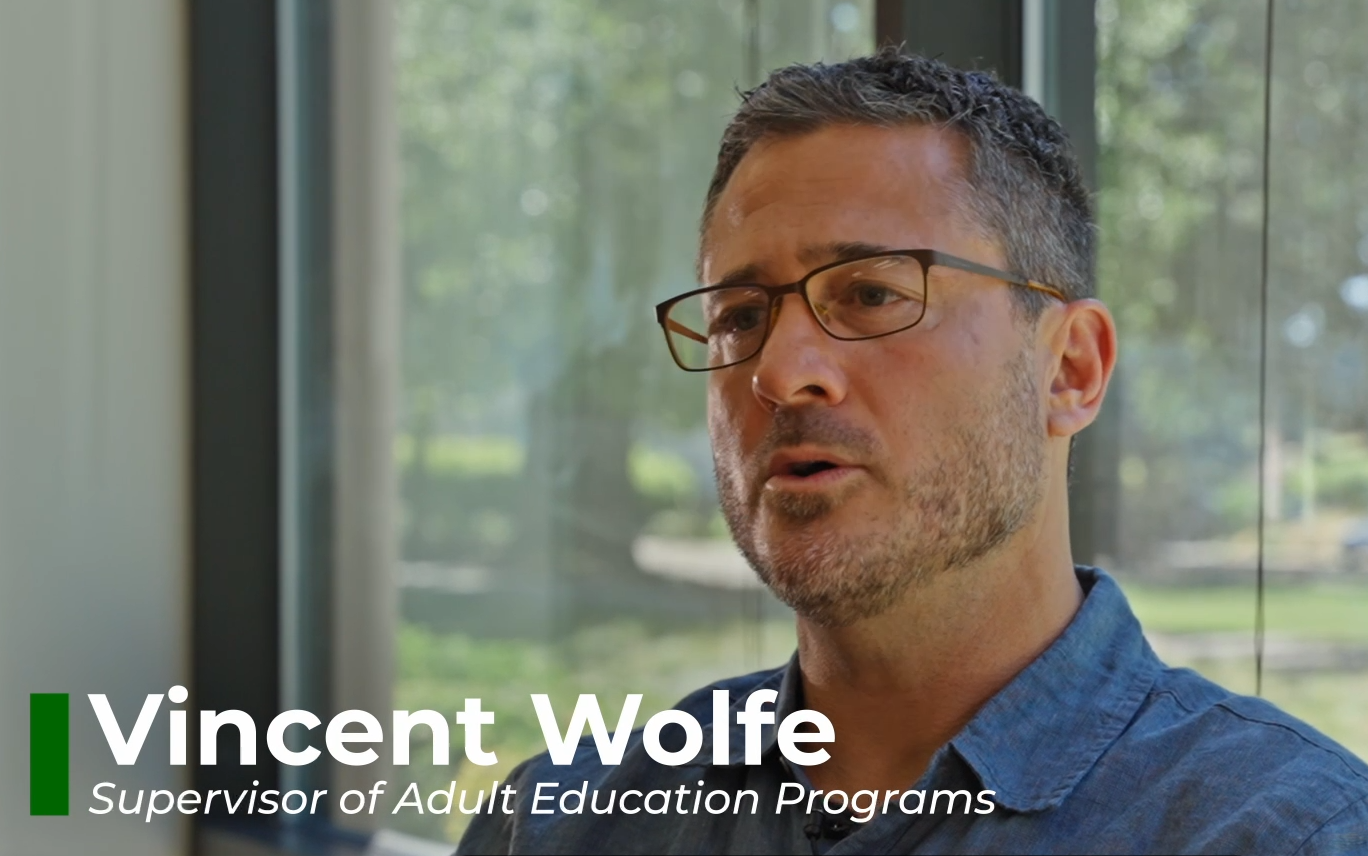
CDCR schools are helping incarcerated individuals get ready for their eventual reentry back into the community. The Adult Basic Education…
Read More
Secretary leads San Quentin Learning Center tour
CDCR Secretary Jeff Macomber recently led a tour of the new San Quentin Learning Center for Governor’s Office staff and…
Read More
Winning design becomes milestone in MCRP student’s reentry
For Angel Paredes, seeing his design on thousands of Cal Poly Pomona shirts demonstrates the progress he’s made since leaving…
Read More