

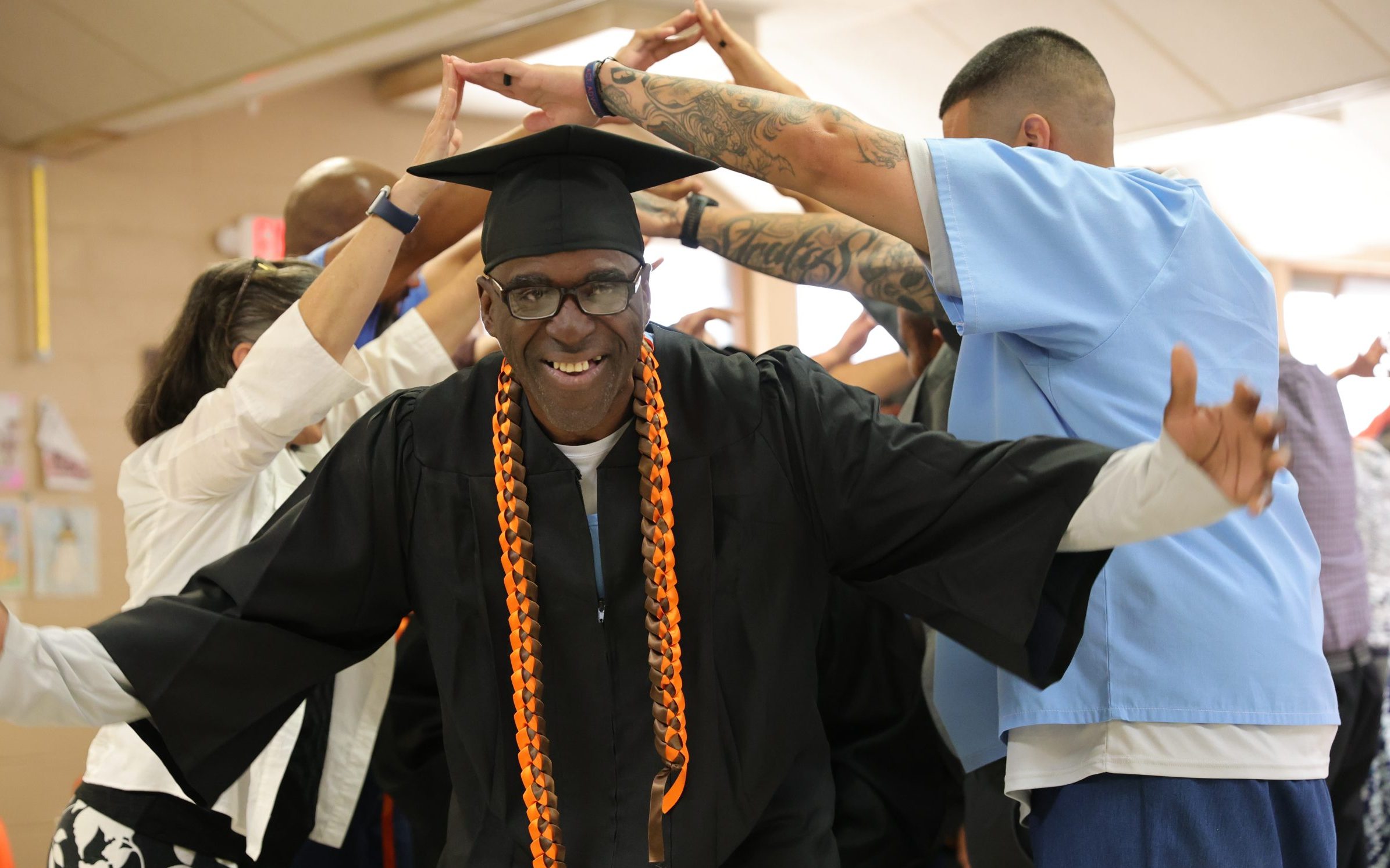
The Correctional Training Facility (CTF) at Soledad, in partnership with Guiding Rage into Power (GRIP), hosted its annual GRIP graduation ceremony for 29 program participants.
The March 26 event brought together graduates, their friends, and family members to celebrate the successful completion of the 52-week program.
GRIP is designed for individuals with a history of violent behavior.
The program focuses on helping participants:
- understand the impact of their actions
- develop emotional intelligence
- cultivate mindfulness
- build the skills necessary to interrupt cycles of violence.
GRIP participants engage in a structured curriculum emphasizing personal accountability and behavioral change.
Making efforts to change
Throughout the program, students learn to:
- Stop violent actions by developing practical tools to manage challenging situations and disrupt patterns of antisocial behavior. Participants examine the belief systems that contributed to their actions and learn to challenge those thoughts in order to make better decisions.
- Cultivate mindfulness by strengthening their ability to respond thoughtfully rather than react impulsively. These skills support resilience and improved stress management.
- Develop emotional intelligence by learning to regulate emotions and build healthier, more constructive relationships.
- Understand victim impact by exploring the consequences of their actions and developing empathy, which supports long-term prosocial behavior.
Following the ceremony, graduates, along with their friends and family members, attended a banquet in recognition of their accomplishments and commitment to personal growth.
Acting Warden C. Rojas highlighted the importance of the program and partnership with GRIP.
“CTF is proud to partner with GRIP in delivering programming that promotes accountability, emotional growth, and long-term behavioral change,” Rojas said. “The commitment demonstrated by this graduating class reflects the hard work required to complete this program and their willingness to take meaningful steps toward positive change.”
Ashley Baggett, community resources manager, said these types of programs are beneficial for all concerned.
“Programs like GRIP provide participants with the tools to better understand themselves, make informed decisions, and contribute to a safer institutional environment,” she said.
Submitted by Lt. Wil Landrum
Follow CDCR on YouTube, Facebook, X (formerly Twitter).
Read more rehabilitation stories.
Related content
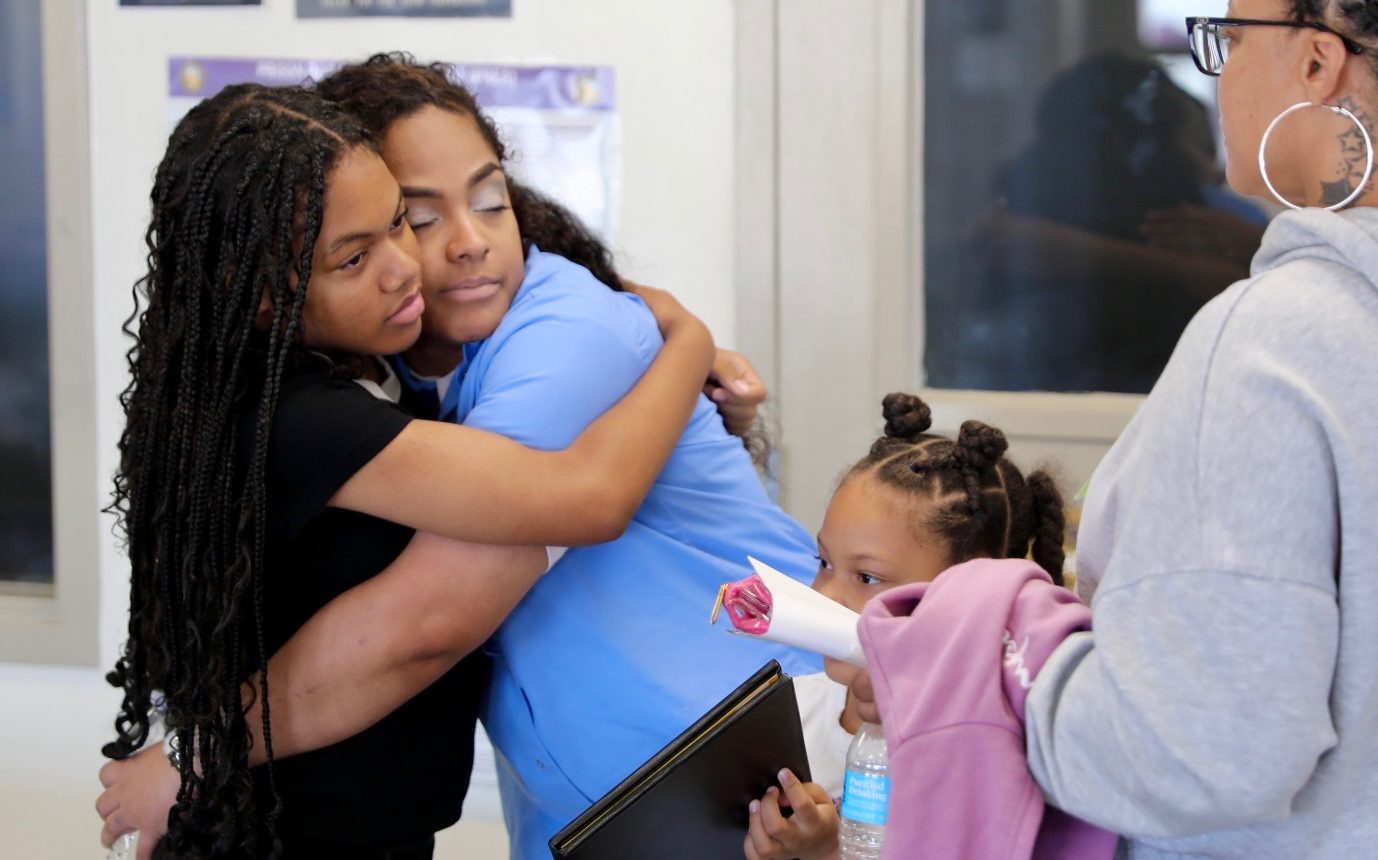
CALCTRA celebrates 56 graduates at CCWF
A milestone achievement was celebrated at Central California Women’s Facility (CCWF) in Chowchilla as 56 graduates completed the California Correctional…
Read More
Painting Over It: Healing Through Arts at CIM
Damian Reyes has converted incarceration into rehabilitation, thanks to Healing Through Arts, a program started at California State Prison, Los Angeles County.…
Read More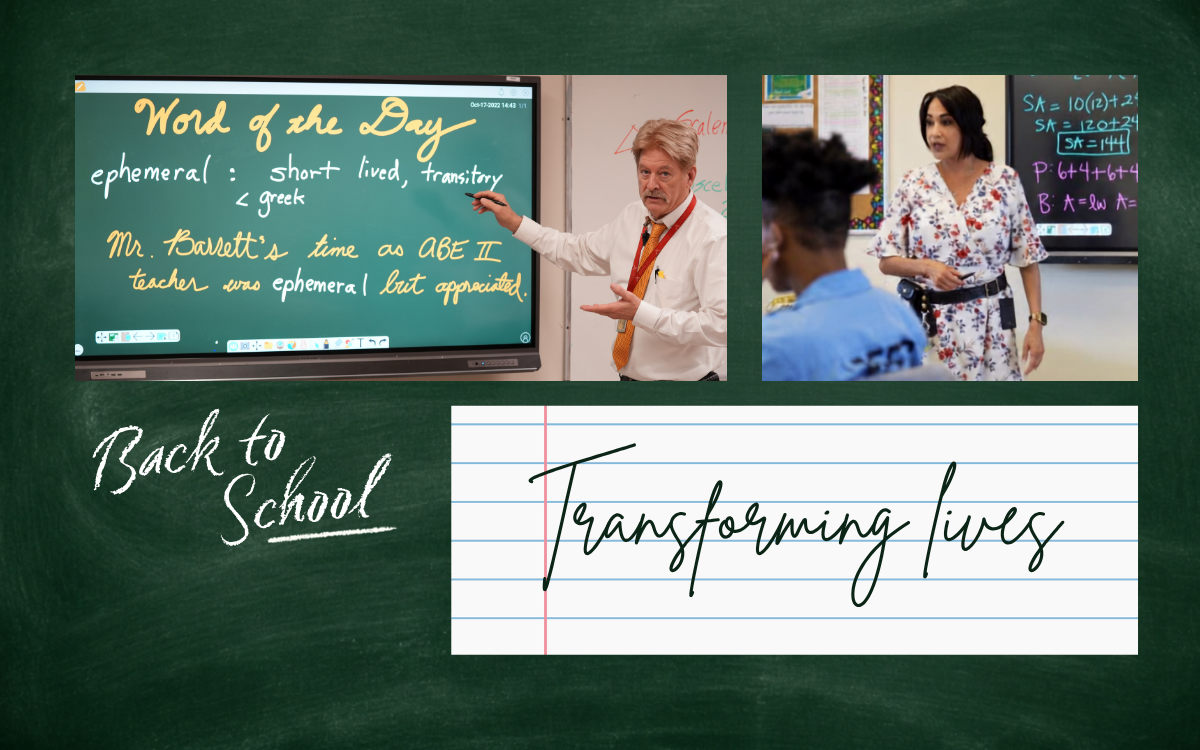
Transforming lives: How CDCR is redefining prison education
A sprawling education system, complete with accredited adult schools, college classes and career training designed to transform lives, exists within…
Read More