


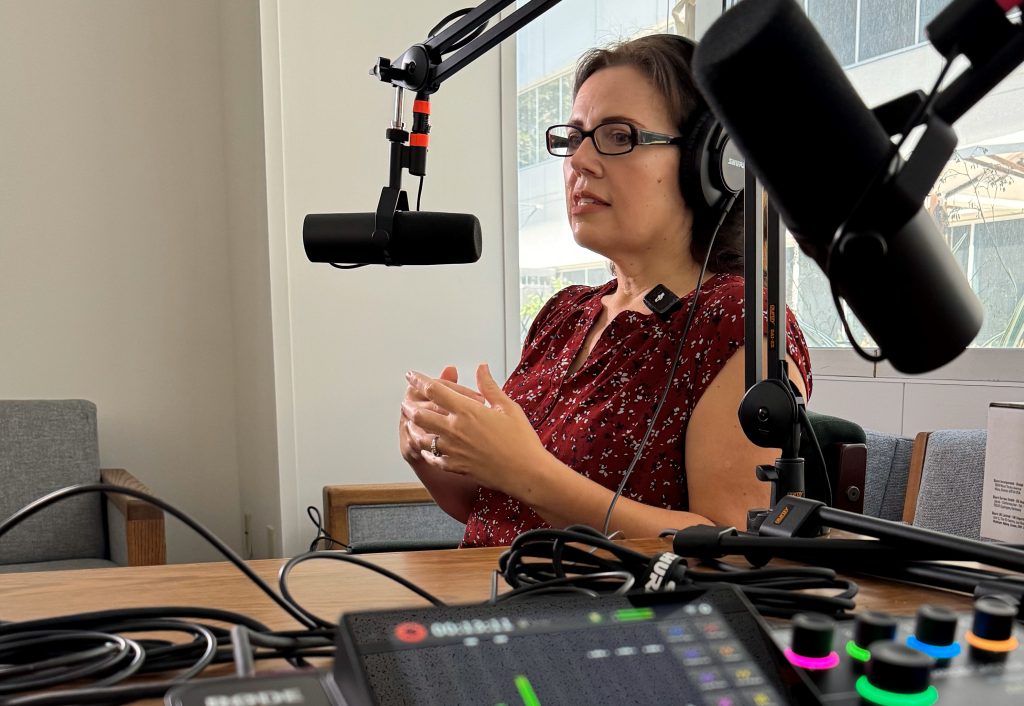
In the latest CDCR Unlocked podcast, Annette Lambert and Ashton Harris discuss the normalization pillar of the California Model.
Lambert, deputy director of Quality Management within CDCR’s health care services, discusses the changes being made within our institutions.
Harris, information officer with the Office of Public and Employee Communications, hosted the latest episode.
Listen to the latest episode of the CDCR Unlocked podcast.
Q&A with Annette Lambert on the normalization pillar
What is Quality Management?
Not everyone is familiar with what we do We are specialists in business management systems. We use analytics to try and improve operations within CDCR. Specifically, we are focused (on) healthcare but the things that we do can apply to many areas of operations. We have quality management units in every institution, and they are teams of pretty fantastic people.
What is normalization?
Really, I think about it as trying to make the prison environment and our operations as similar to the community as possible. (So,) when people are released from prison, it is not such a shock to them when (returning) to the community. They learn the skills to get by in the community (and) are familiar with the way things work in the community before they get out of prison.
Why is normalization important?
(They should know) how to apply for a job online, having a chance to practice that skill before (doing it) in the community. Like (when) an incarcerated person is working in the canteen, try to make the canteen work more like a corner store or grocery store. Teach people how to shop through their tablet system online. Because, (they will need those) skills when they are in the community. (Normalization is about) giving them that practice so it is an easier transition into the community.
What does the physical environment have to do with normalization?
(We are) trying to make the prison physical environment more like the community environment. And that means we have a setting in the prison similar to what it might look like when a person is released to a community. So, less like watch towers, fences, (and) cement. Less of a drab environment and more of an environment of what we are used to. And what we find is when we make those kinds of changes, it reduces stress for the incarcerated population (as well as) our staff and our visitors.
How does normalization help with diversity, equity and inclusion (DEI)?
When we are looking at our operations and our environment, we need the perspective of different people. It is important our leaders actively solicit the perspectives of a broad group of people including our incarcerated people.
A lot of it too is how we interact with each other. When preparing people to be successful when they go into the community, we need them to have the communication skills to (succeed) in the community.
We need to staff to maintain the high level of professionalism for their disciplines. Normalization is using those best practices in your particular discipline and how you work with people in your discipline. And, doing that means we have to consider being informed about different cultures and different populations within our system.
Learn more about the California Model on the CDCR website.
Follow CDCR on YouTube, Facebook, X (formerly Twitter).
Related content
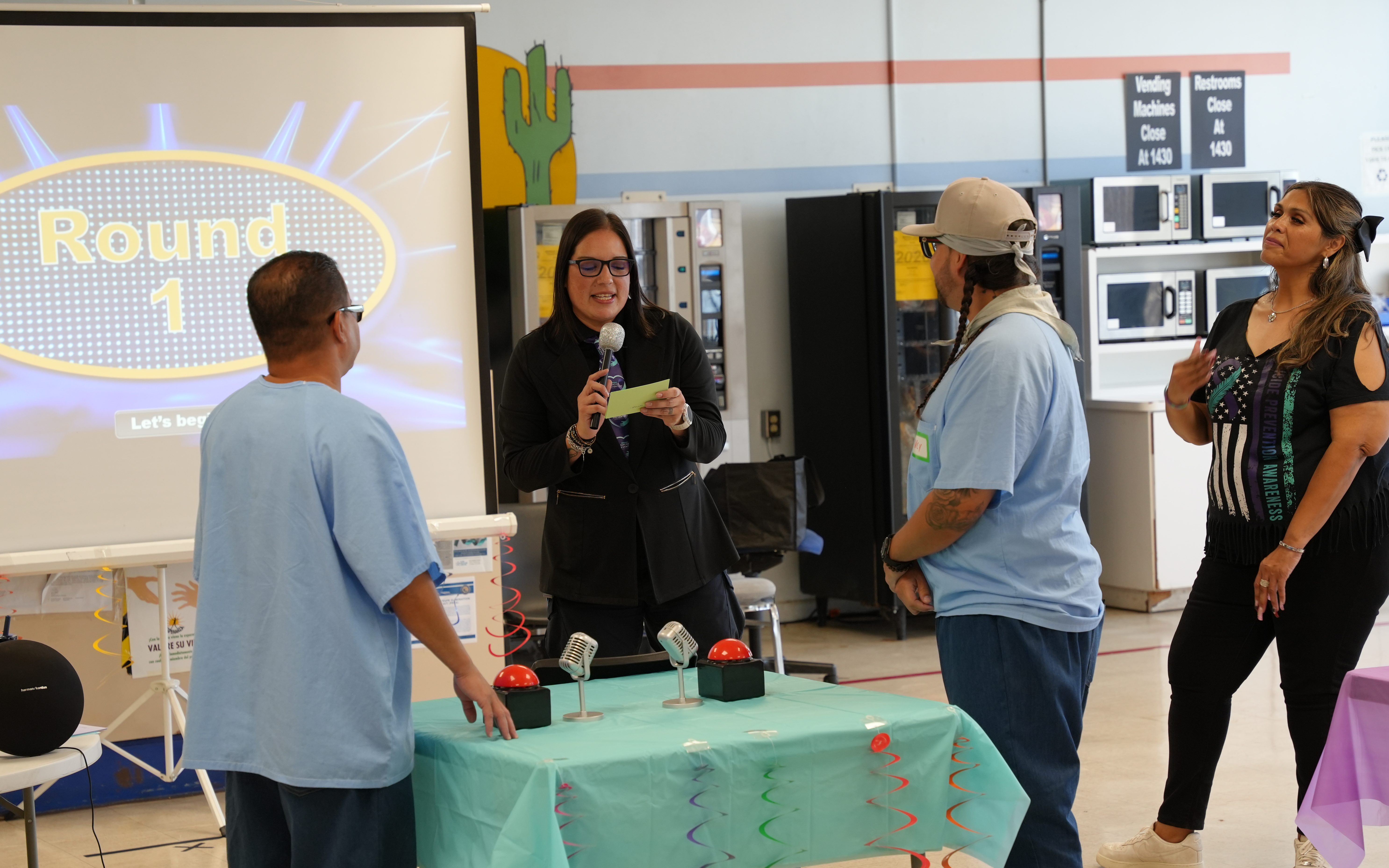
Calipatria mental health team hosts game for population
Mental health staff at Calipatria State Prison hosted a game for the population as part of Suicide Prevention Awareness Month.…
Read More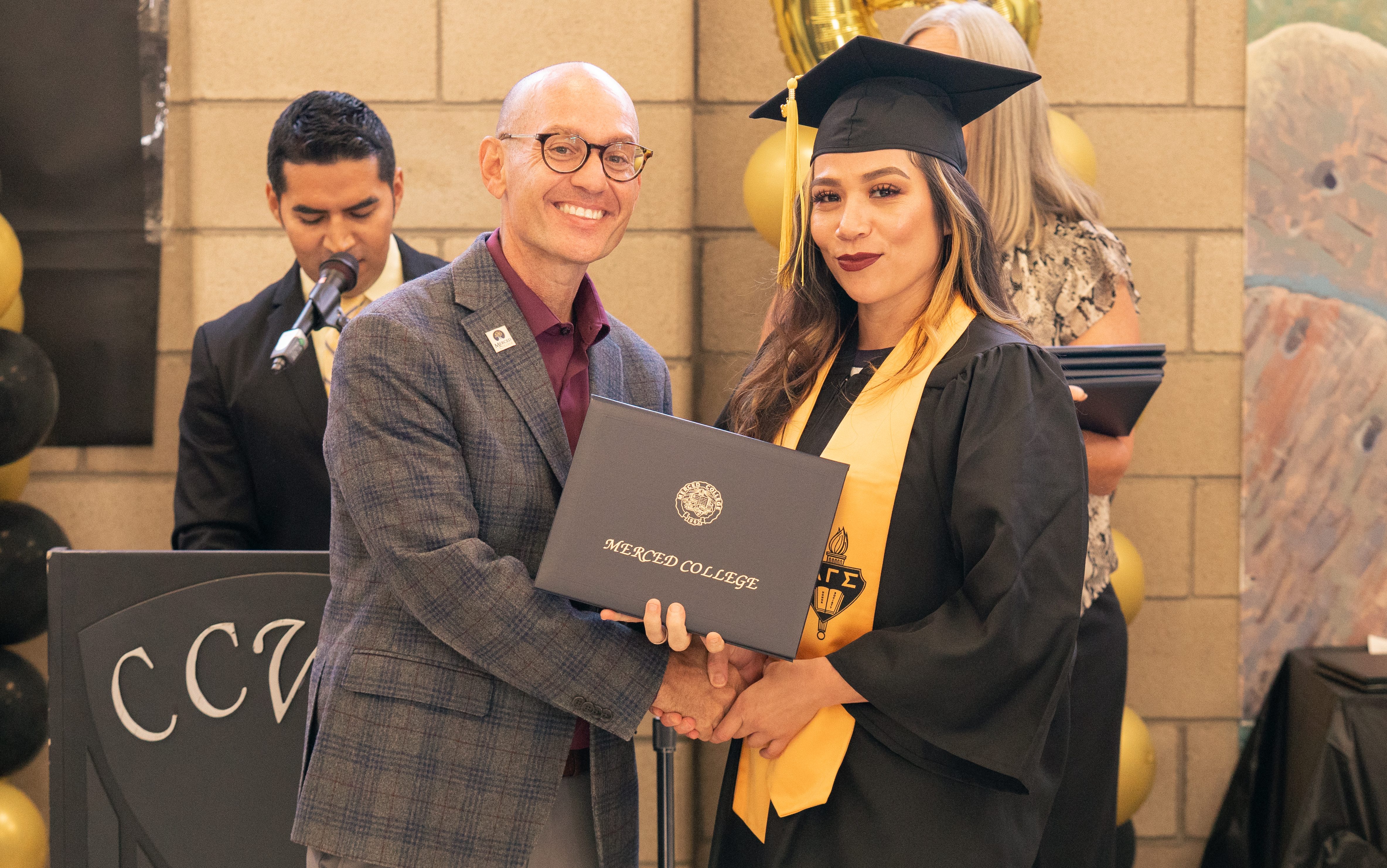
CCWF sees 59 earn college degrees
Central California Women’s Facility (CCWF) in Chowchilla held its annual college graduation for 59 earning degrees. The Sept. 30 graduation…
Read More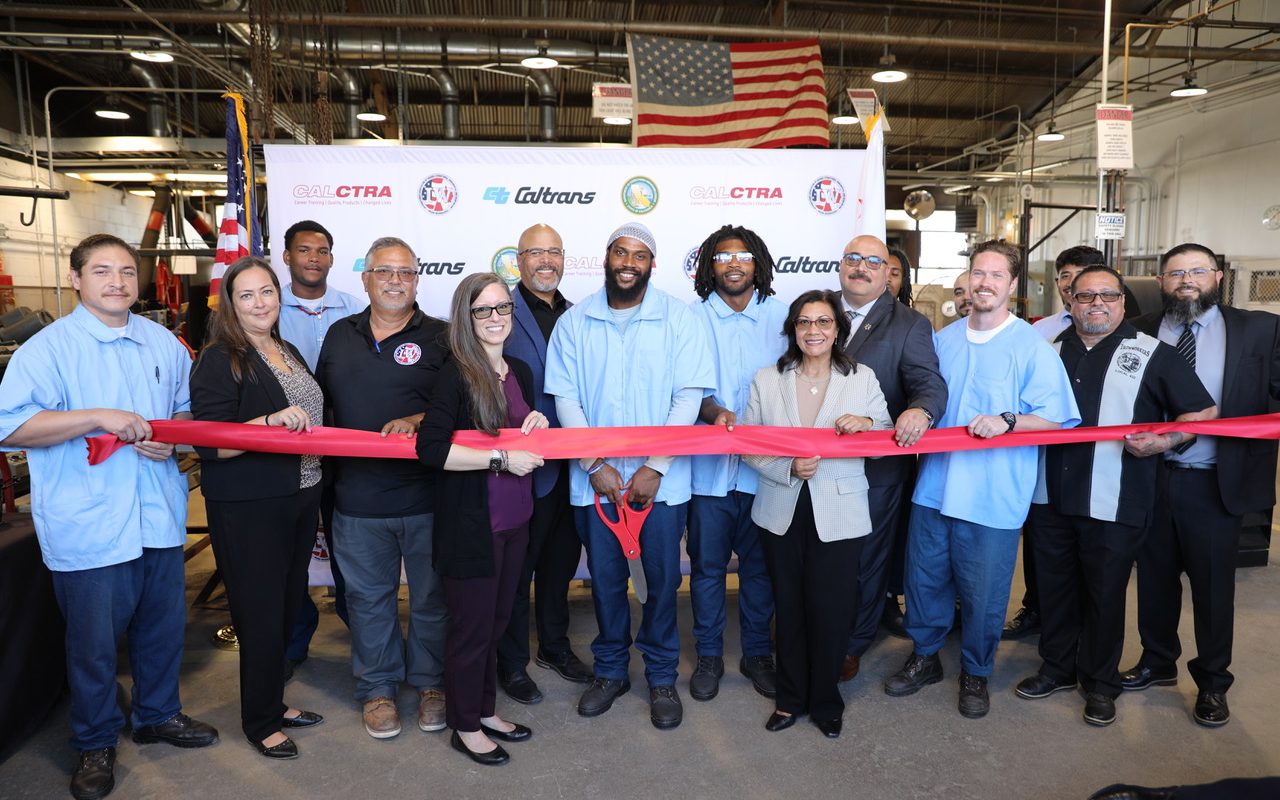
Caltrans, CALCTRA, CDCR, Ironworkers launch CIM program
The California Correctional Training and Rehabilitation Authority (CALCTRA), Caltrans, CDCR, and the Ironworkers Local Union 416 and 433, have launched…
Read More