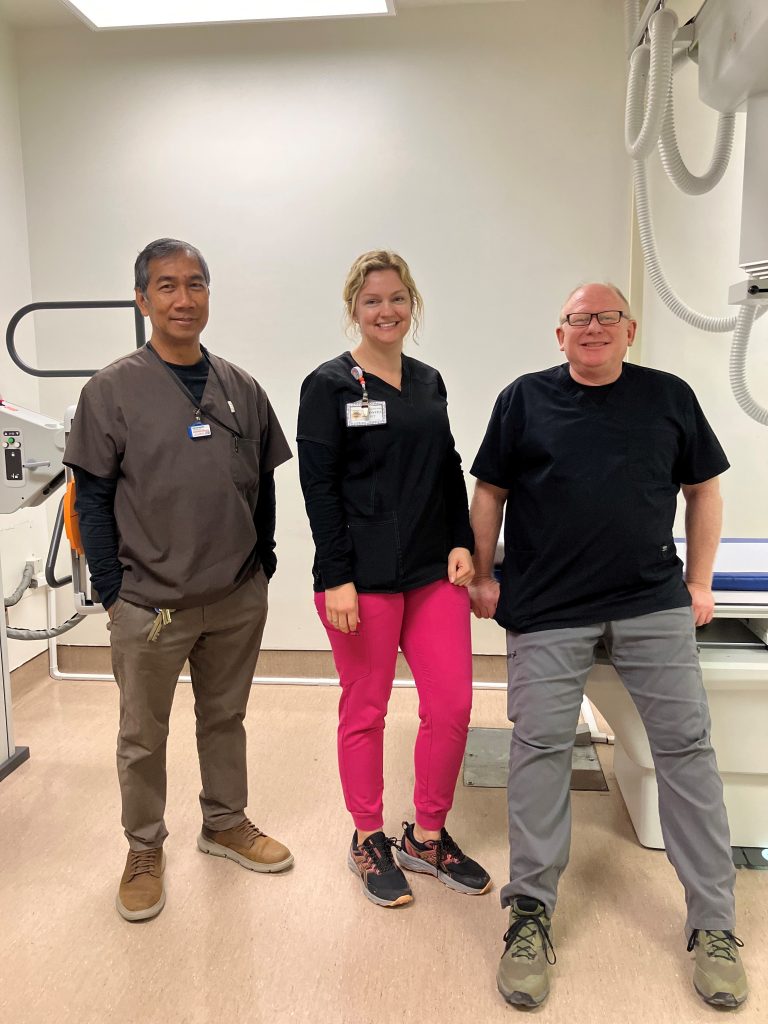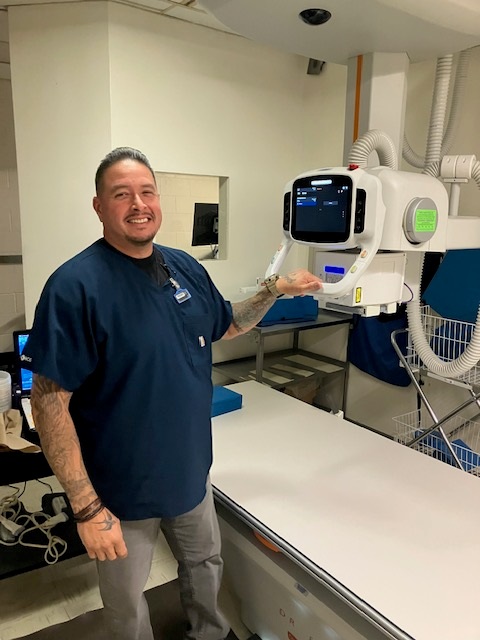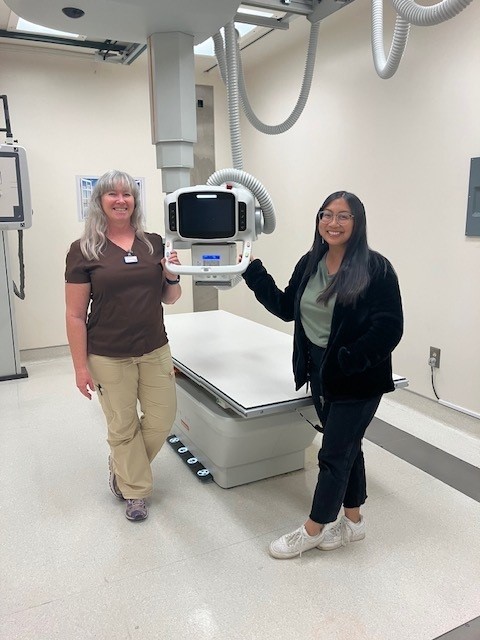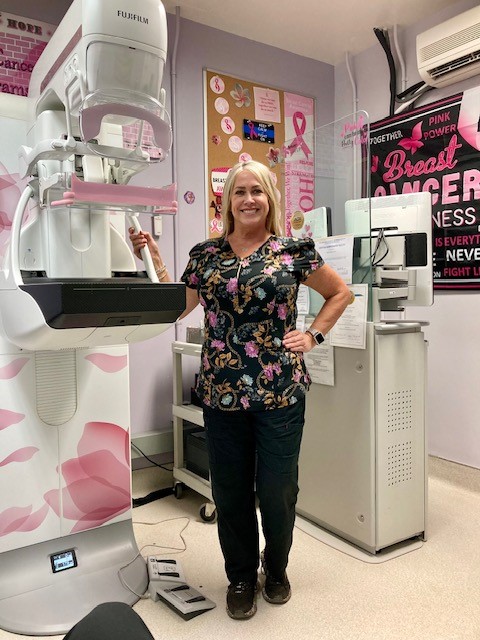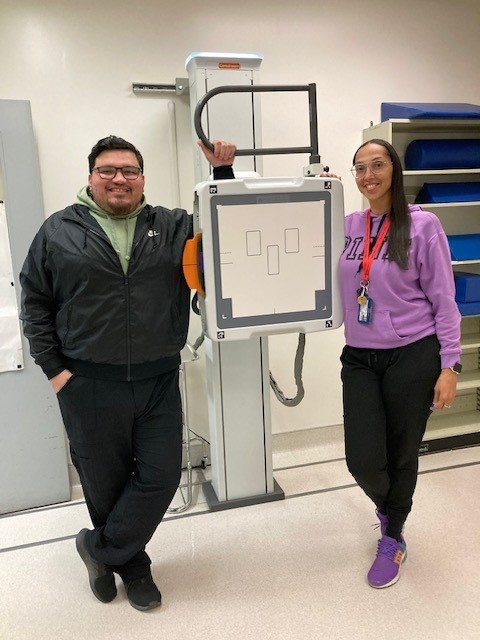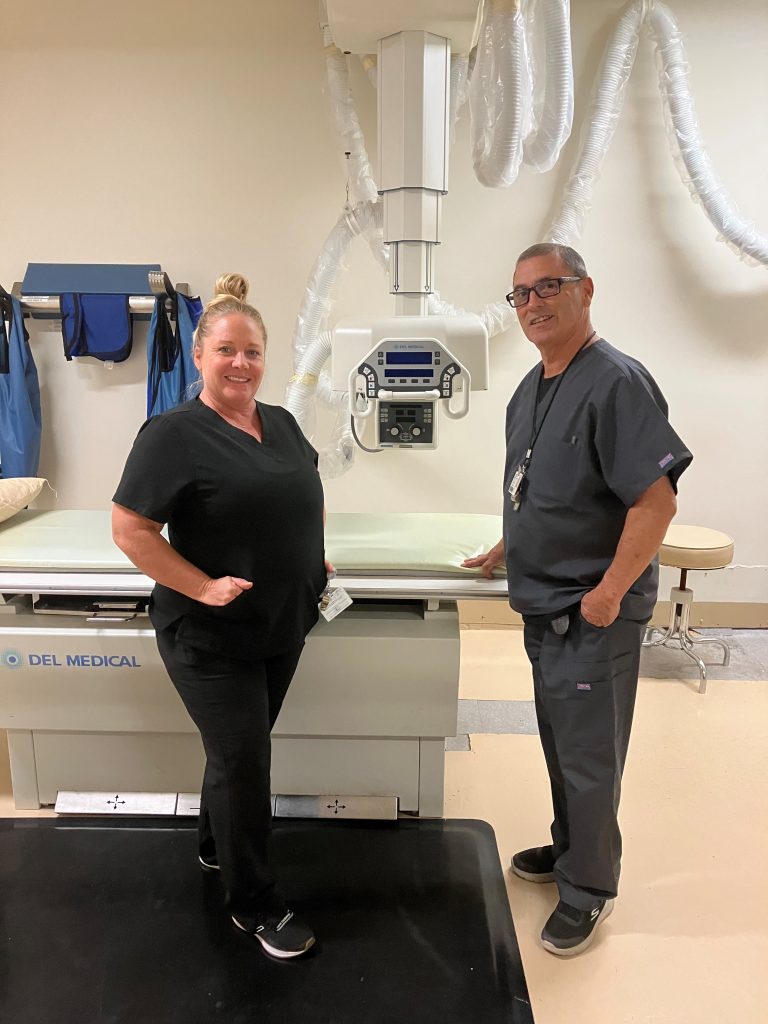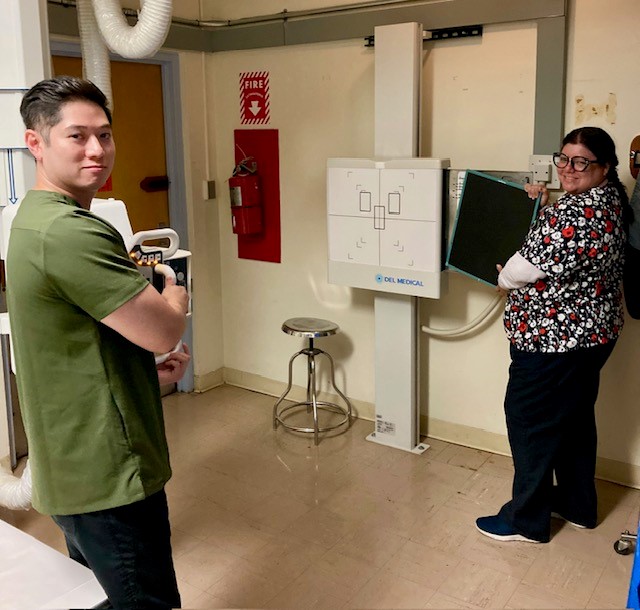


National Radiologic Technology Week (Rad Tech Week) recognizes the vital work of medical imaging and radiation therapy professionals. Rad Tech Week runs from Nov. 3-9, honoring the professionals in patient care and health care safety. This year’s theme is: It’s time for us to be seen.
Staff spotlight on Senior Rad Tech Brandi Abshire
Brandi Abshire, Senior Radiology Subject Matter Expert for the Medical Imaging Headquarters Program, was nominated to be spotlighted by Kash Kanani, CCHCS Statewide Chief of Medical Imaging Services.
He expressed gratitude to the 23-year radiology field expert.
“Brandi has been tirelessly working with me for the past eight years to rebuild the program to what it is today,” Kanani said. “Without her support, we would not be where we are today.”
Inside CDCR caught up with Abshire to learn more about her career, aspirations and challenges.
Can you describe a typical day in the life as a senior Rad Tech?
I perform a variety of different tasks for the medical imaging program. Primarily, I consult with local radiologic technologists (RTs) statewide to provide guidance on workflows, policies, procedures, and other standardized processes. I also provide guidance to local staff regarding deficiencies identified by their RT competency evaluations.
At the program level, I assist in the planning, development, implementation, evaluation, and monitoring of medical imaging services’ projects. This includes developing workflows, testing orders within our systems, providing specialized trainings, and field support on new processes. Lastly, I consult directly with the Chief of Medical Imaging services regarding RT support any program areas that may have potential for improvement.
What inspired you to become a rad tech?
When exploring careers, radiologic technologists seemed to be a very rewarding career, and it was encouraging that I didn’t have to go on a waiting list. I realized medical imaging is at the core of patient care. It is a craft and not just pushing a button. When radiologic technologists provide great images, it assists the radiologist with a quality diagnosis and can be impactful on the quality of one’s life.
I am constantly amazed at how fast technology is advancing in the medical imaging field. Sometimes I think, where would the medical field be without medical imaging? It is a reminder that I am so grateful to be a part of this profession and there is no other career path that I would rather be in.
What has been your career journey?
My first position out of the radiology program was 23 years ago at Central California Women’s Facility in Chowchilla. From there I wanted to expand my knowledge in other modalities and learned the inner workings of the radiology department. In my career I have had many opportunities to work with several different types of imaging equipment, applications, facilities, and even mobile imaging. I have served as a lead technologist supporting the imaging director, clinical coordinator working with interning radiology students, and one of the imaging supervisors for the radiology department at our local Valley Children’s Hospital.
I have come full circle back to CCHCS-CDCR due to the birth of my miracle child. A weekly workday schedule allows me to have a better balance in my work/home life. All the opportunities I have had throughout my career have assisted in preparing me for my current position as the EHRS-Radiology SME for the Medical Imaging HQ program.
Can you describe some of the positive change at CCHCS?
In the past eight years, there has been a focus on working relationships with other headquarters programs. When Mr. Kanani and I joined the headquarters team, there was a need to prioritize our training and onboarding practices. I took on the task of developing the Radiology and Mammography competency checklist. This serves as a tool for new technologists as well as assisting with training evaluation processes.
I have worked with the education program and the Leaning Module System (LMS) developing step-by-step guides on medical imaging processes and medical imaging learning modules available to staff statewide. Also, I have collaborated with our electronic health records system team to create workflows. I am continuously working to update outdated practices and policy.
Through the years, the medical imaging program has met so many goals with application updates, implementing radiographic and mammographic equipment, standardized medical imaging practices and policy review. (This) ensures we stay up to date on the newest information and changes to assist the field technologist with the tools to be successful.
I am thankful to have the recent addition of my colleague Mitchell Fuller as well as the four additional regional senior Rad Tech positions. We have a great team, and it takes what each one of us brings to this program for continued success.
Story by Amanda Spangler, communications analyst
California Correctional Health Care Services
Rad Tech Week, Nov. 3-9, 2024