

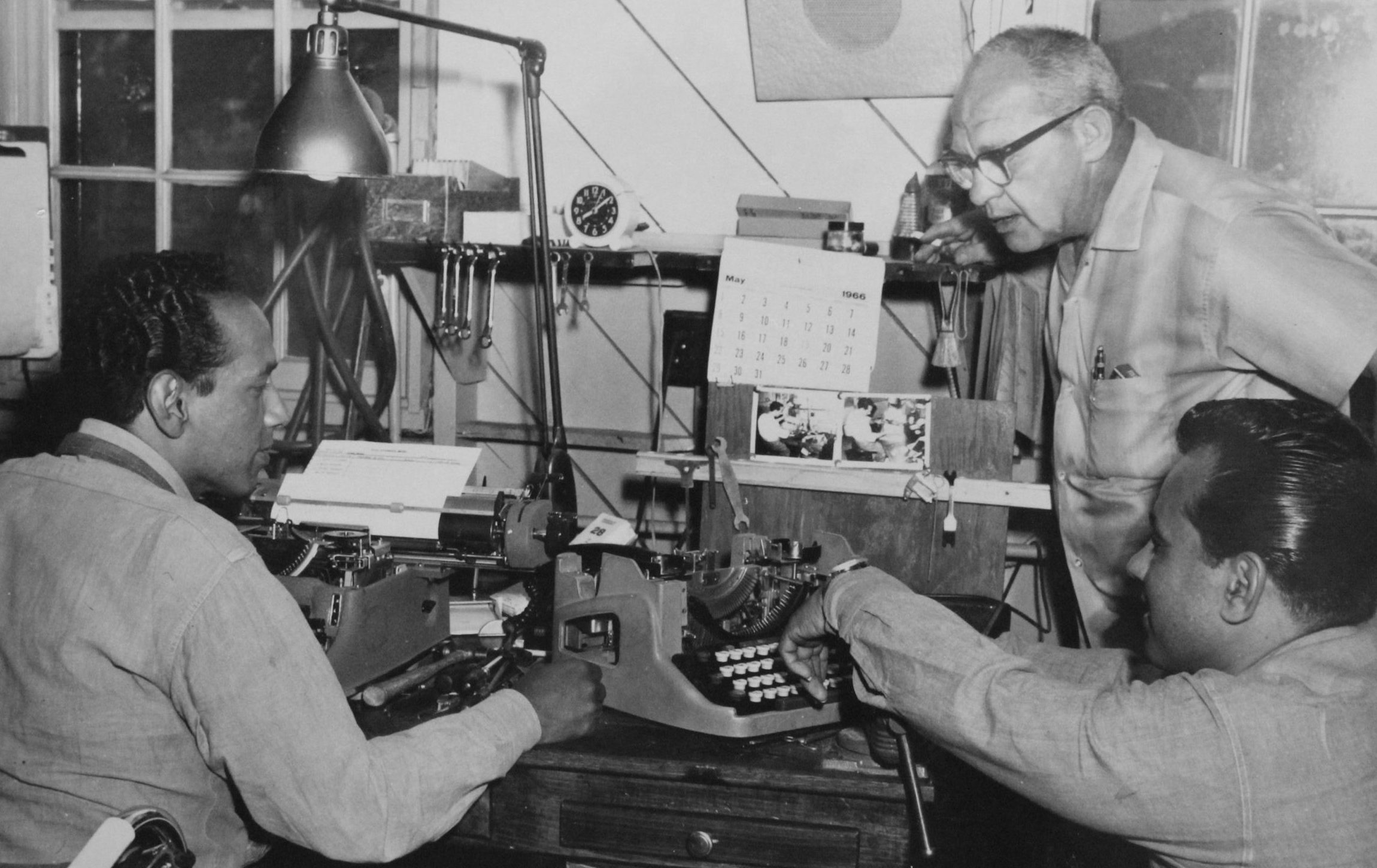
After two years of interviews and data collection regarding vocational training and reentry, the department issued the findings of their study in 1971.
Dubbed Administrative Abstract No. 40, A Study of Vocational Training in the California Department of Corrections, the department’s Research Division found job skills improved overall reentry chances. They also found drugs and alcohol played a significant role in those who were unable to maintain steady employment after release.
This issue highlighted the need for a comprehensive rehabilitative approach addressing underlying substance use issues.
The Research Division study was authored by Robert Dickover, Verner Maynard, James Painter.
Research study findings of vocational training efforts
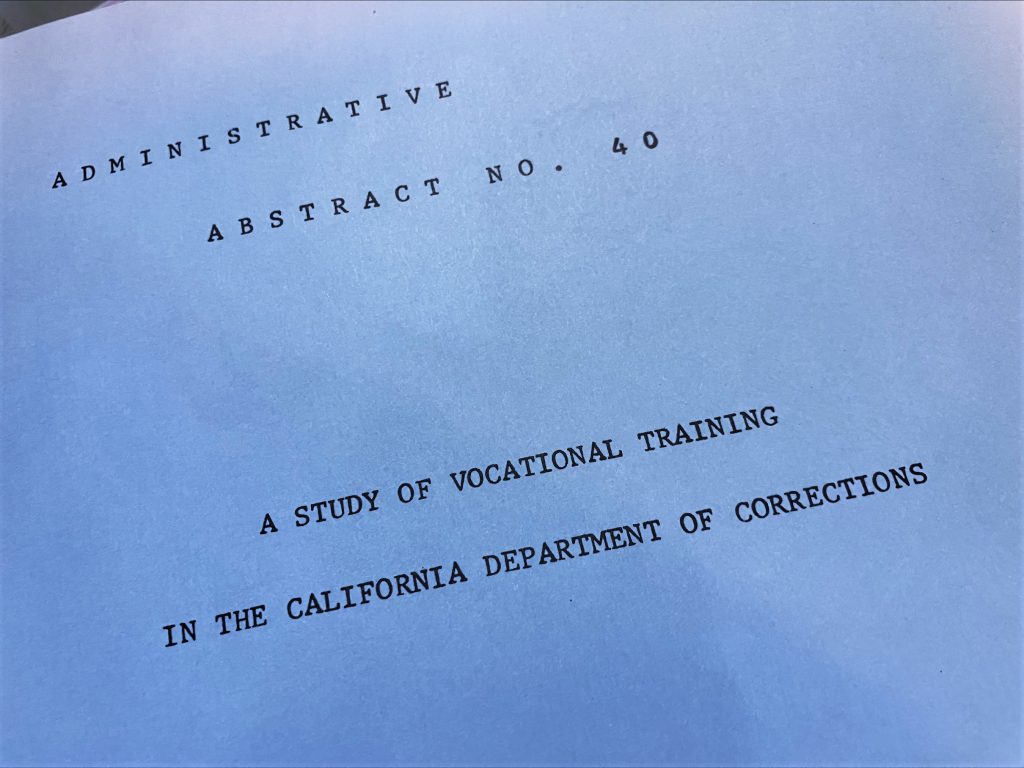
In their summary, the researchers concluded “a system of vocational training in prisons (is) advocated as a means of providing (incarcerated people) with the job skills they need … to function in a non-criminal way in society. The problem becomes one of determining how effective these programs are and how improvements can be made.”
They interviewed 729 people who had paroled in fiscal year 1967-68. To be part of the survey, the vocational trainees, as the report refers to them, needed to have “at least 200 hours of training with grades of C or better.”
Findings:
- 35 percent of this group obtained their first jobs on parole in the trades in which they were trained.
- Approximately the same percentage were employed in their trades at six months and 12 months after release on parole.
- Individuals with a greater number of hours of training were more likely to find employment in their trade.
- Those who received higher grades were more likely to obtain jobs in their trades.
- Those who (completed) training closer to their date of release were more likely to obtain jobs in their trades.
Interviews with vocational trainees
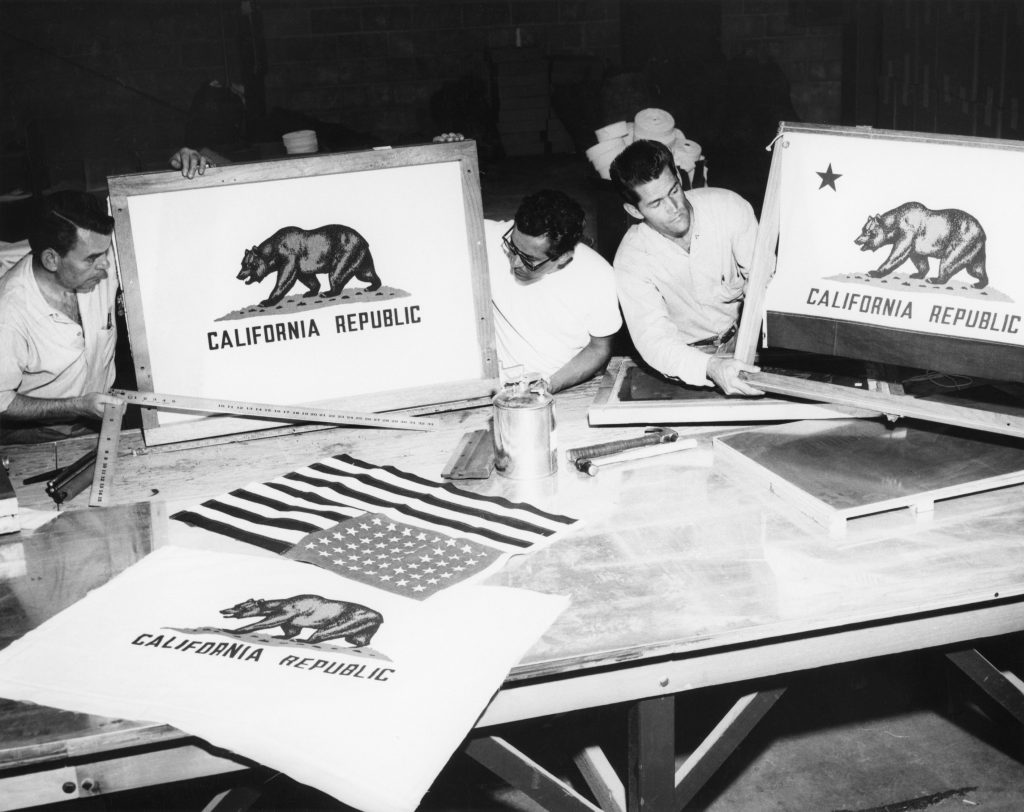
To gather more information about their job experiences, researchers interviewed vocational trainees as well as their parole agents and employers. They interviewed 107 people on parole supervision.
These are their findings:
- There was considerable job turnover with a dozen of the sample group holding six or more jobs while on parole. The maximum time they could have held a job was 30 months at the time of the interviews.
- 60 percent of those who had been employed in their trades asserted the wages were below what they expected.
- Despite this, 63 percent said they were still interested in pursuing careers in their trades.
- 18 percent indicated their parole agents helped them find employment while 64 percent claimed friends or relatives helped them land jobs.
- 90 percent said they had been successful in their chosen trades or could have been successful if given an opportunity.
Interviews with parole agents
Interviews were conducted with 106 parole agents for the purposes of this study.
Findings:
- More than half of the time agents devote to direct case activities is spent in contact with parolees, case recording, and travel, according to a time study now underway. Meanwhile, 3 percent of the time expended in direct services was allotted to contacts with employers regarding jobs for specific parolees.
- 61 percent of agents in this group believed the parolees had gone through vocational training so they could provide for themselves after release as opposed to having something to do while in prison.
- Agents listed various hurdles to placing parolees in jobs including inadequate training cited by employers, union regulations and the stigma of a prison record.
- 95 percent of agents interviewed said employers were generally receptive to vocationally trained parolees.
Interviews with employers
- 82 percent stated their vocational trainee employees were as well prepared for the job or better prepared than the average person with experience.
- 42 percent said they gave their employees a better beginning job because of their vocational training.
- 61 percent asserted their vocationally trained employees had advantages in terms of promotion and upgrading because of their training.
- 30 percent of parolees had been with the employer for anywhere from 13 to 18 months.
- The principal problems reported by employers included absenteeism for those associated with drugs and alcohol. Meanwhile only three instances of a lack of skill were cited as reasons for problems. Absenteeism was the principal factor underlying terminations.
Story by Don Chaddock, Inside CDCR editor
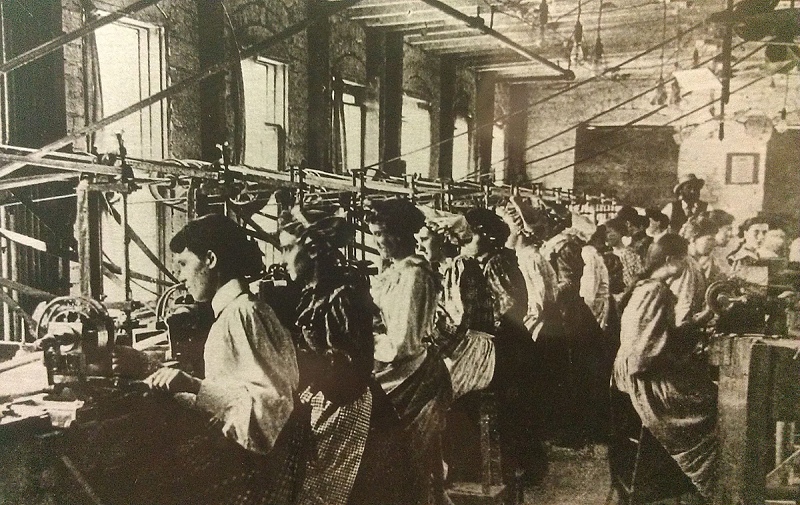
Amalgamators, button makers and vaqueros: Jobs lost to time
An 1887 San Quentin report reveals jobs lost to time.
Learn more about California prison history.
Follow CDCR on YouTube, Facebook, X (formerly Twitter). Listen to the CDCR Unlocked podcast.