

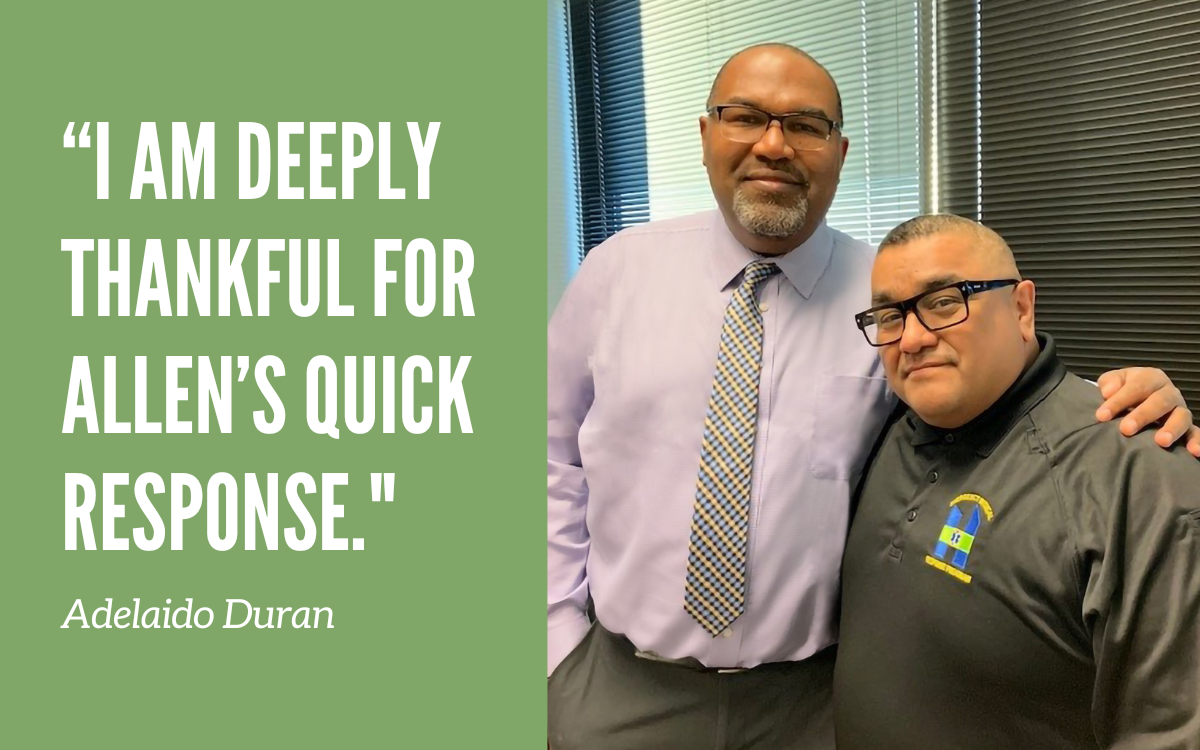
A dinner between two nurse coworkers took a serious turn recently when one began choking.
In a remarkable display of calm under pressure, two California Correctional Health Care Services (CCHCS) nurses demonstrated the life-saving power of quick thinking and professional training during the incident.
CCHCS nurses share story of choking incident
The event took place during a dinner at a hotel restaurant. Nursing Consultant Program Review (NCPR) Adelaido Duran, newly assigned to the Emergency Medical Response Program (EMRP), was enjoying a meal with Allen Francis, a seasoned lead NCPR nurse. What started as a routine conversation over dinner quickly turned into a life-threatening emergency when nurse Duran began choking on a piece of food.
“I thought I could cough it out at first, but when I realized I couldn’t, I immediately gave Allen the universal sign for choking — both hands on my throat,” Duran recalled.
The panic was unmistakable, but Duran managed to remain composed, remembering his training and relying on nonverbal cues to communicate the urgency of the situation. Francis, who had only known Duran for about a month, didn’t hesitate.
“I saw Adelaido grab his throat with a sense of urgency and panic,” Francis said. “It was clear this was a medical emergency. I immediately performed the Heimlich maneuver, and it worked to dislodge the food.”
His 30 years of experience in emergency nursing, community emergency medical services, and law enforcement training kicked in.
“Medical emergencies can happen anywhere — not just with patients.”
Allen Francis, Nursing Consultant Program Review lead
“I was just fortunate to be in the right place at the right time,” Allen said, adding that basic lifesaving skills taught in Basic Life Support (BLS) training are essential for anyone in healthcare.
The hotel staff quickly gathered around to check on Duran’s condition, offering support while he recovered. Though Duran didn’t need to call 9-1-1, the incident highlighted the critical importance of BLS training for healthcare workers.
“Medical emergencies can happen anywhere — not just with patients,” Francis said. “It’s vital to be ready to respond to these situations, whether with patients, coworkers, or family.”
Duran, who has 26 years of nursing experience, including seven years with CDCR/CCHCS, reflected on the incident with gratitude.
“I am deeply thankful for Allen’s quick response,” he said. “His nursing experience gave me the confidence I needed to stay calm.”
Both nurses emphasize the importance of being prepared for the unexpected. It’s a skill that could save a life, whether in a medical setting or at a dinner table.
This incident serves as a powerful reminder that in emergency situations, BLS training and the ability to act quickly with whatever resources are available can make all the difference. It’s a lesson Francis is passionate about sharing:
“It’s not about what you can’t do, but about what you can do with what you have,” he said.
Story by Amanda Spangler, communications analyst
California Correctional Health Care Services
Read more stories of staff going above the call.
Read more stories related to prison health care.
Follow CDCR on YouTube, Facebook, X (formerly Twitter).
Above the Call stories
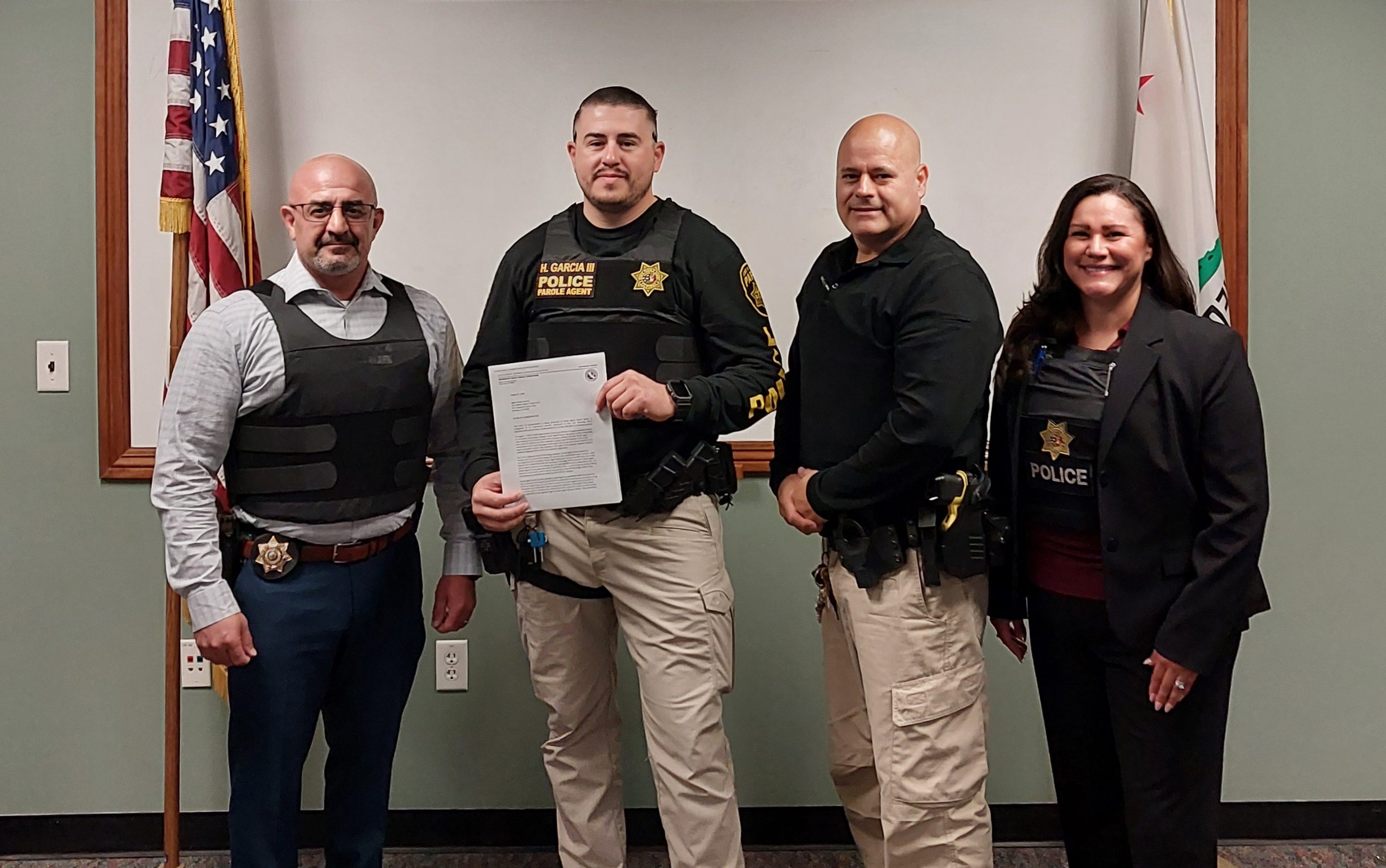
Parole Agent Garcia saves teenager
Thanks to recently graduated Parole Agent Hector Garcia, a teenager is safe after threatening self-harm. Parole Agent Hector Garcia was…
Read More
CDCR, CCHCS staff gather for 40th Medal of Valor
CDCR and CCHCS staff gathered at the academy in Galt for the 40th annual Medal of Valor Ceremony. The Sept.…
Read More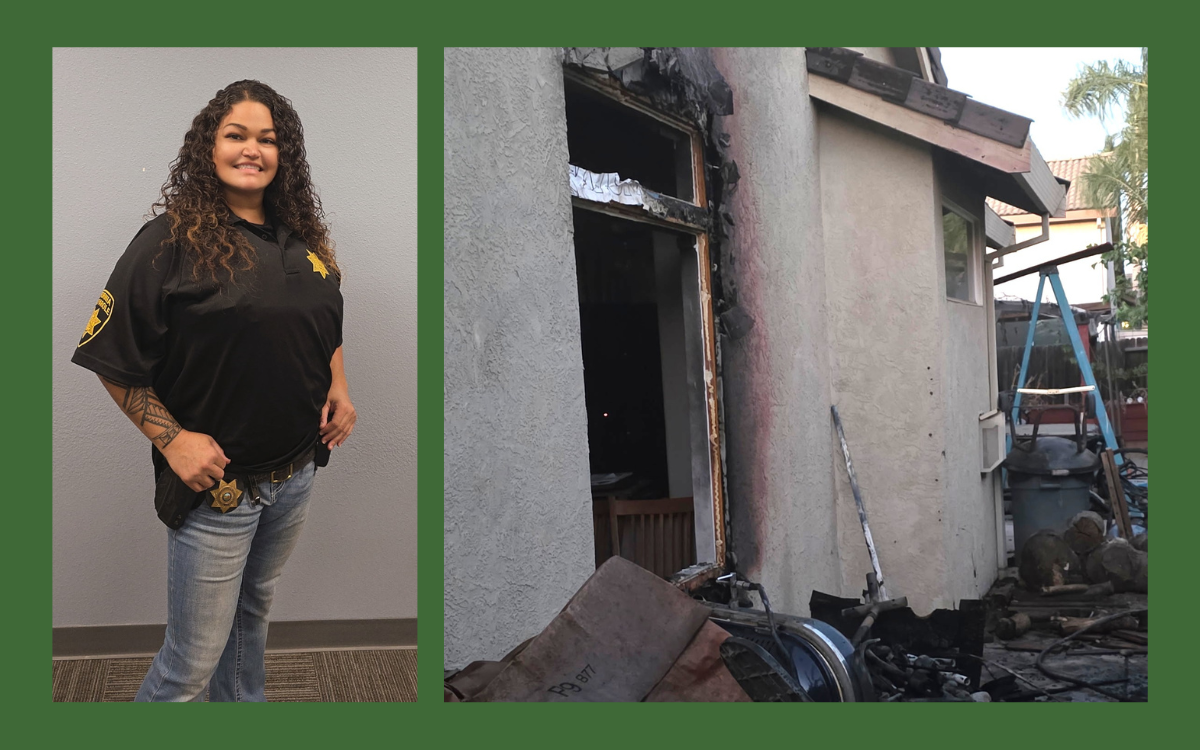
Parole Agent Madri Sherman saves two from house fire
Madri Sherman, a parole agent based out of the Ceres Parole Office, entered a smoke-filled house, saving two mobility-impaired residents…
Read More