

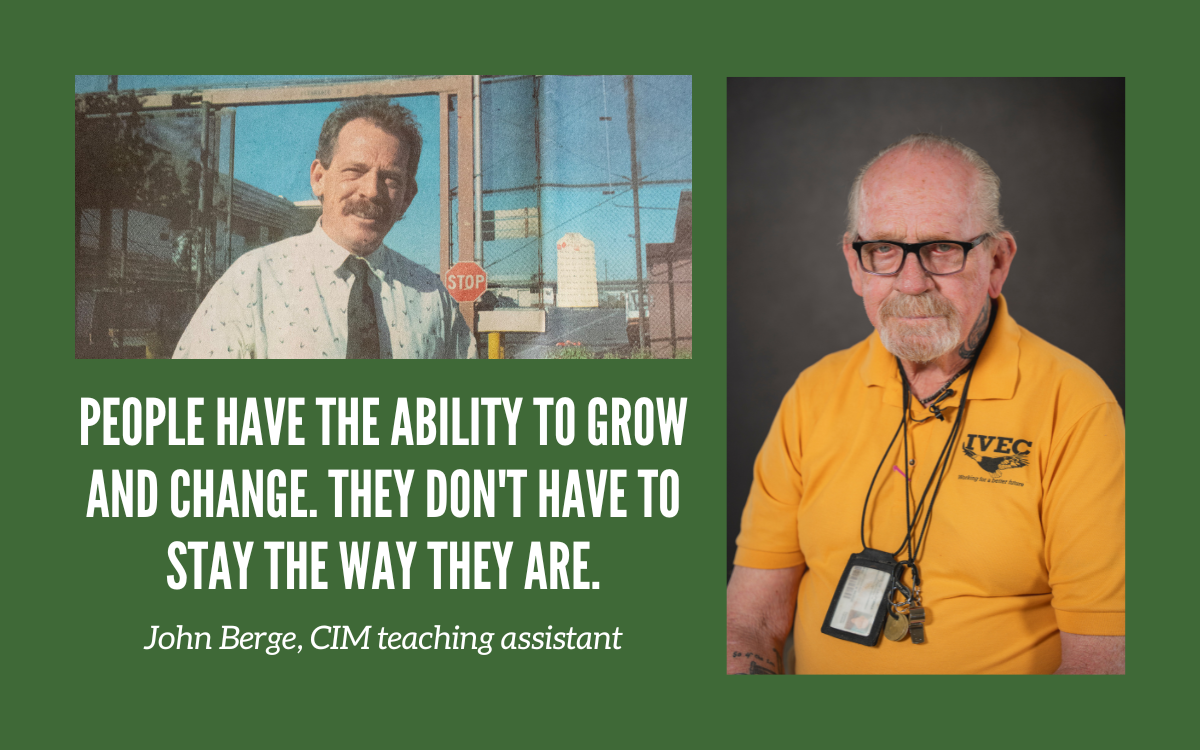
John Berge, a teacher’s aide at California Institution for Men (CIM), knows something about incarceration since he was once incarcerated as a youth.
“I guess I didn’t feel very good about myself,” he said of his time before incarceration. “I always had a chip on my shoulder and felt life had dealt me a bad hand.”
He said he blamed others for his troubles, rather than looking at his own poor decisions. It took incarceration and getting on the other side of parole before he realized he only had himself to blame. This is the kind of message he now tries to instill in others who are serving sentences in California state prisons.
Berge: ‘I was going to begin taking responsibility’
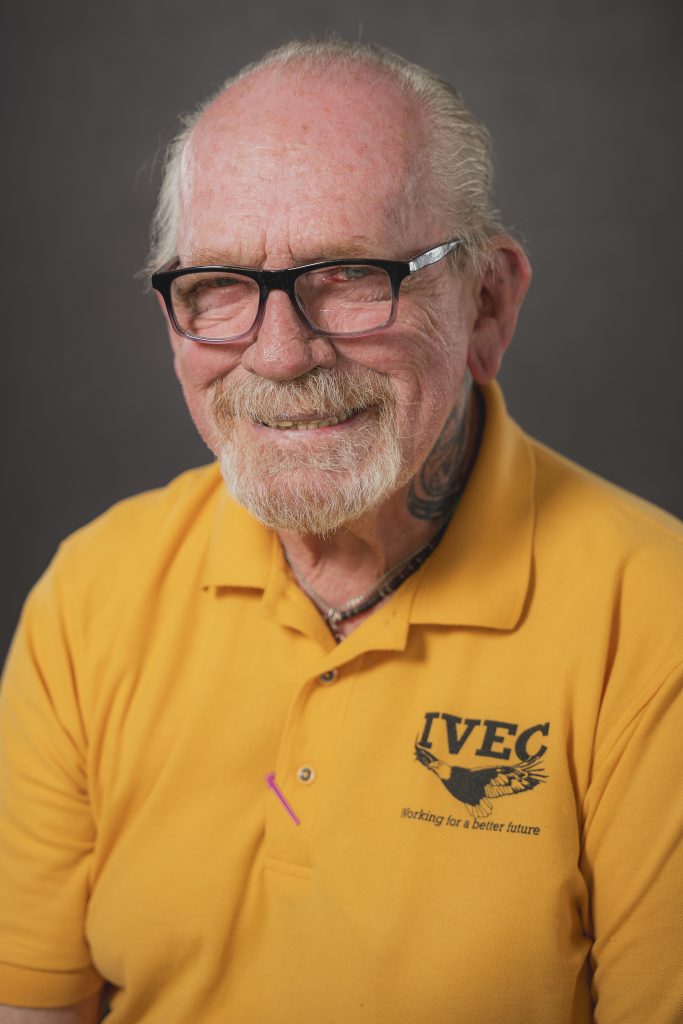
“I realized over time, by the time I was paroled, it was my responsibility,” Berge said. “So, I decided I was going to begin taking responsibility for all of my actions at that point.”
Rather than taking from his community, he chose to add value to the community through volunteerism.
“I volunteered within the community working with at-risk youth,” he explained.
This led him to begin volunteering as a tutor at the youth correctional facility where he was once incarcerated.
Because he was once right where they were, he shared a unique bond with the youth. He found they needed someone to listen.
“(The) wards just wanted somebody to talk to,” Berge said. “(To) let them know they had worth as individuals (and) can contribute to their community,” Berge said. “That’s a concept I’ve kept with me all these years. People have the ability to grow and change. They don’t have to stay the way they are.”
He said this basic idea is something everyone working in corrections should embrace.
“It’s important for us who work in the system (to) recognize incarcerated persons as people,” he explained. “(They are people) who have the ability to grow and change.”
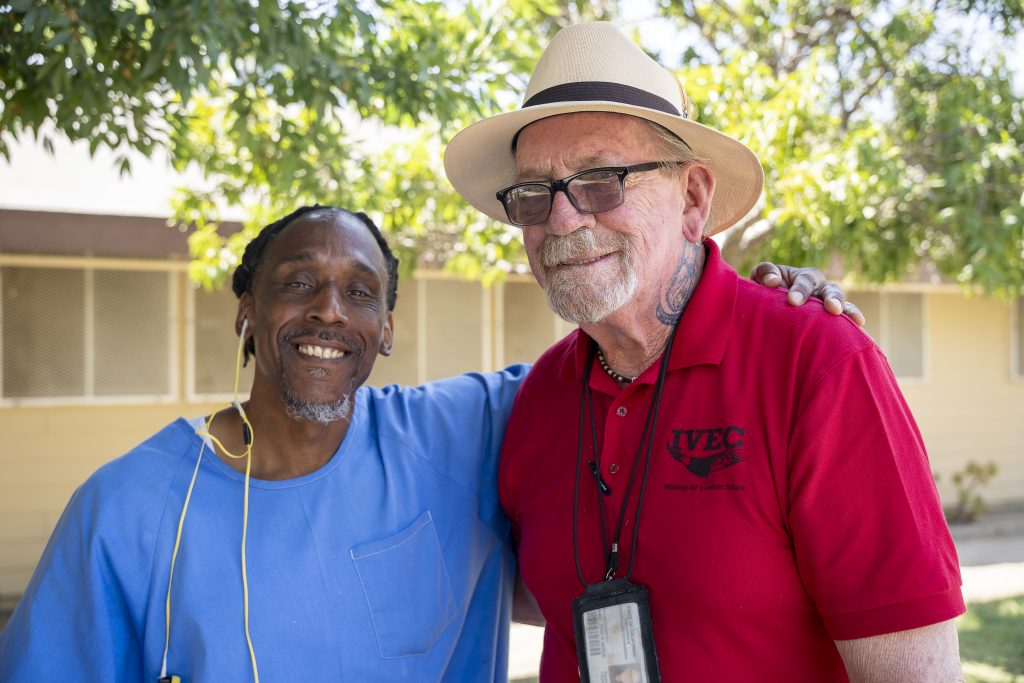
Students appreciate Berge
Students at CIM said their lives have changed for the better because of Berge.
David Patterson is one such student.
“When he took his time and spent hours with me, I didn’t think it was real,” he said. “(I was surprised) someone could sit down, take their time to really educate you. He gave me hope.”
For Berge, those poor decisions made five decades ago helped shape who he is now.
“(Those choices) helped to created who I am today and today I’m good with who I am,” he explained. “I know I make a difference every day. I wake up every morning and get in my car and can’t wait to get down here to the institution. It’s because I know I’m making an impact. (I’m) encouraging somebody who may be (feeling) a sense of encouragement for the first time.”
What drives Berge is knowing his work at CIM is helping people.
“If I make a difference in someone’s life, that’s an important thing,” he said.
Watch the full video (story continues below):
Video by Ryan Herrera, CIM TV specialist
Story by Don Chaddock, Inside CDCR editor
In John Berge’s own words: My time at CIM
During New Employee Orientation at CIM in October 2023, the group I was with began an institution walking tour. We arrived at Central, Bravo Yard. Walking up the steps to the gated living units where various tree-named housing units are located, Birch, Oak, Sycamore, Cypress, Palm, etc., I stopped and gazed at the Inmate/Visiting phone bank and was flooded with memories.
I recall a reluctant father sitting solemnly and staring at me through a reinforced window that divided us. It’s like he had an expectation I would somehow say to him, “This is all a joke, a terrible mistake.” Right before we walked out of this place, this prison, laughing heartily and embracing, with the knowledge that this would never be our fate. Yet, this was my reality, sentenced at San Bernardino County Superior Court in 1969.
I was remanded to the custody of San Bernardino County Sheriff who had the responsibility to ensure I was delivered to California Department of Corrections. I was convicted of a DUI where my passenger, a friend, had sustained great bodily injury.
A few days after I checked into Sycamore unit, my father was at the visiting area to see his second-born follow in the footsteps of his older brother.
Five decades since entering prison
As our group continued walking to the gate for entrance to the Living Units, I counted the steps – 55, 56, and 57 steps brought me to the locked gate. It was a relatively short walk but. An entire lifetime had brought me to this moment. Has it really been 54 years?
The group continued, through the gate and out to a corridor that seemed football fields long. Once in the corridor, we walked by a room designated “Chapel” and then by a classroom. It’s a classroom I recognized. It’s where, in 1969, I took TABE (Tests of Adult Basic Education) to determine my academic standing. This was about a month before I boarded a bus to be sent to Deuel Vocational Institution at Tracy. Once there, I began my time in the Youthful Offender Program on K yard.
I stayed at Tracy for about six months before being transported to the California Youth Authority’s Youth Training School, or “TS” as it was known by the inmates who called it home. I paroled from the facility in 1974, after having successfully served my commitment to the Youth Authority.
Returning as a staff member
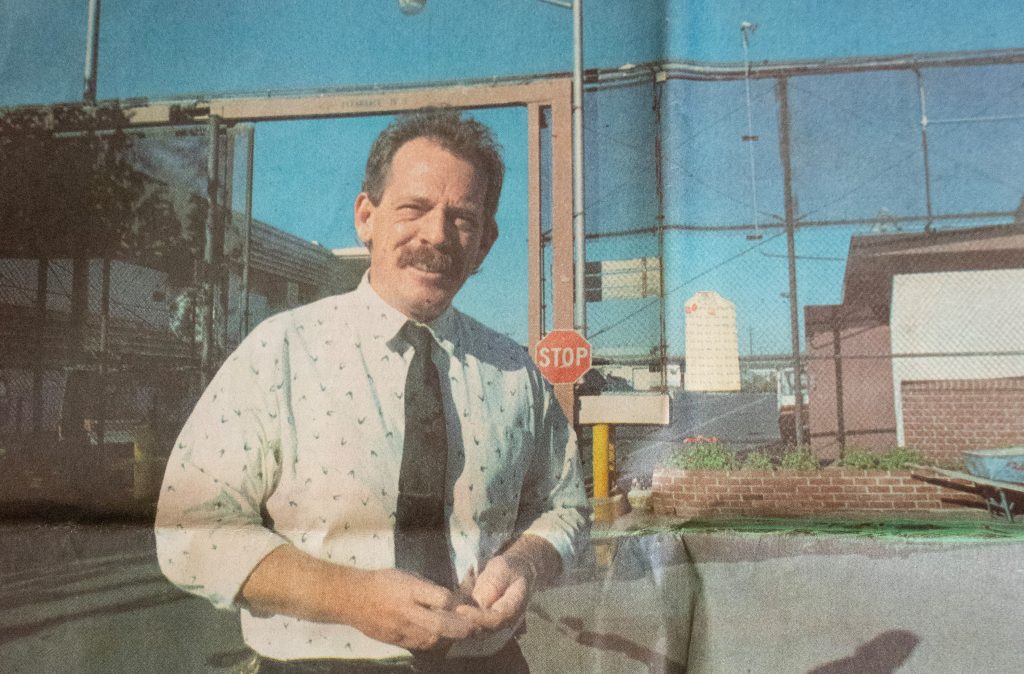
Ten years after my successful discharge from parole, I interviewed for a job at the facility. Then, I received a job offer to teach Warehousing and Logistics to wards of the state, just as I had been when I paroled in 1974.
I was flooded with thoughts of gratitude and accomplishment as I surveyed the empty classroom. I knew only too well my life could have taken a more dismal and unrelenting trajectory.
My heart and mind were flooded with memories of bits and pieces of the 16 years I spent as a teacher at TS as well as the two years I spent as the Institutional Gang Investigator. Being the gang investigator was a job I gladly accepted. I was the only non-peace officer in the history of the department to have taken on the role.
I also reflected on the years I spent as an adjunct professor in the Administration of Justice program at Mt. San Antonio College in Walnut.
(Learn more about the program on the college’s website.)
Then I thought of the notoriety I experienced when my Institutional Gang Intervention Program was highlighted as a promising program in “The Gang Intervention Handbook,” edited by Goldstein and Huff, University of Chicago Press, 1993. Then I also thought of the new opportunity I now have, to add value to the lives of incarcerated students, in my new role as a full-time teaching assistant in the Resource Specialist Program at CIM’s Inland Valley Education Center.
Kenyon Scudder’s ‘Prisoners are People’ book
I wondered if Kenyon Scudder had a fella like me in mind when he envisioned the establishment of this prison in 1941. Or maybe when he wrote the 1952 book “Prisoners are People.”
There is one thing I know for sure – back in 1969, I would never have thought I would be back in these classrooms 50-plus years later. Now I’m assisting incarcerated students in the Resource Specialist Program as a permanent full-time teaching assistant.
I thoroughly enjoy my role in the classroom where, in collaboration with general education teachers, I assist students in identifying and meeting individualized student learning needs, goals, and objectives relative to established CCR standards. In short, my role as a teaching assistant is rewarding, adding value to the ongoing success of CIM. In a sense, I play a small part in carrying on the legacy of Scudder and the ideal that “Prisoners are People.”
Since my own parole in 1974, I have vowed to add value to the community. I believe I have been successful thus far and what I offer my students is an example of “lived experience.”
See more stories highlighting CDCR/CCHCS staff.
Follow CDCR on YouTube, Facebook, X (formerly Twitter). Listen to the CDCR Unlocked podcast.
Related content
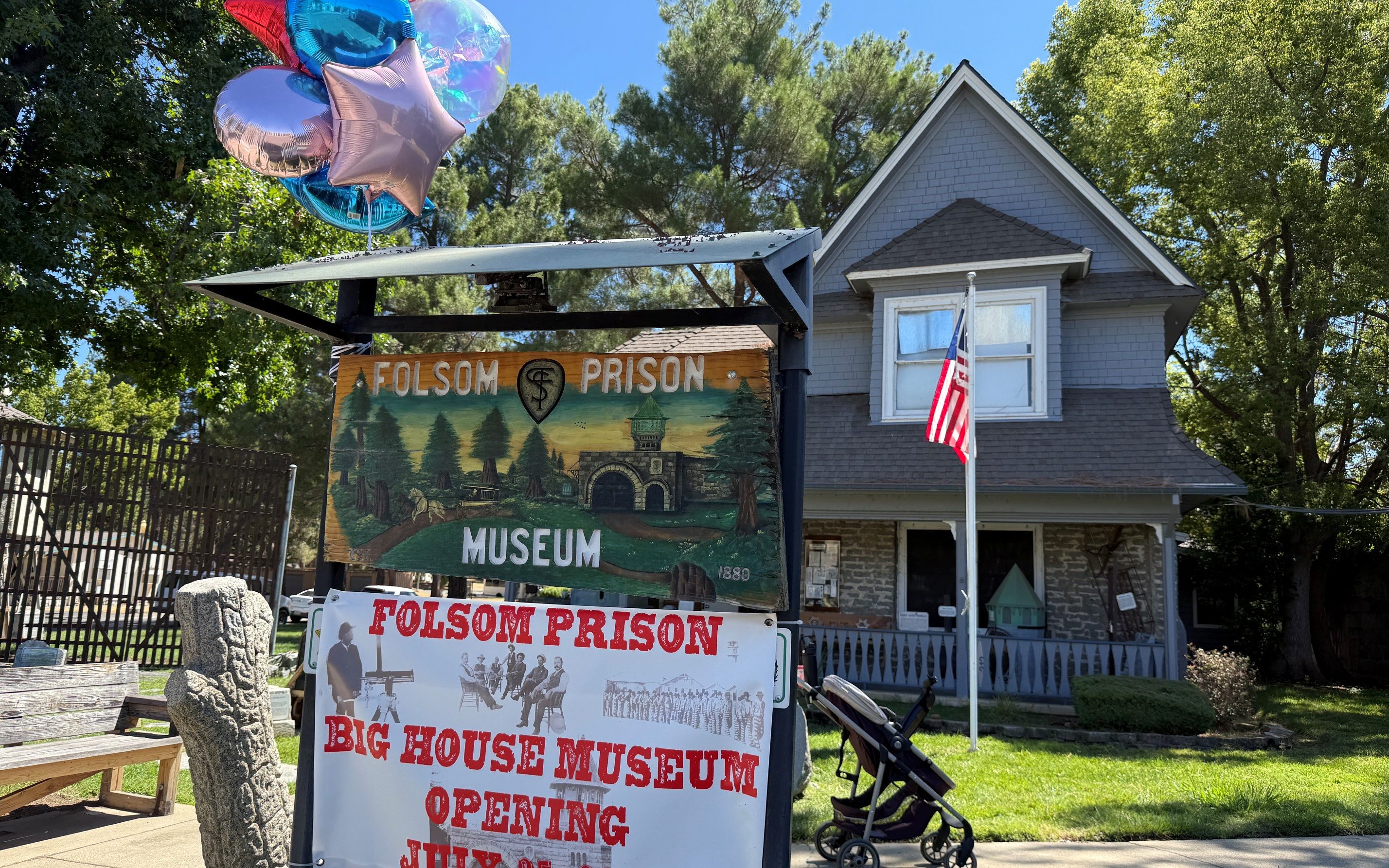
History on display: Folsom Prison Big House Museum re‑opens
The Big House Museum at Folsom State Prison re-opened its doors to the public Saturday, July 25. The museum will…

San Quentin Jailblazers capture back‑to‑back gold
A team of correctional professionals from San Quentin Rehabilitation Center (SQRC) and California State Prison, Solano, defended their title at the…

DAPO softball game pitches in for Special Olympics
CDCR’s Division of Adult Parole Operations (DAPO) hosted its second softball fundraising event July 11 to support Special Olympics Northern…
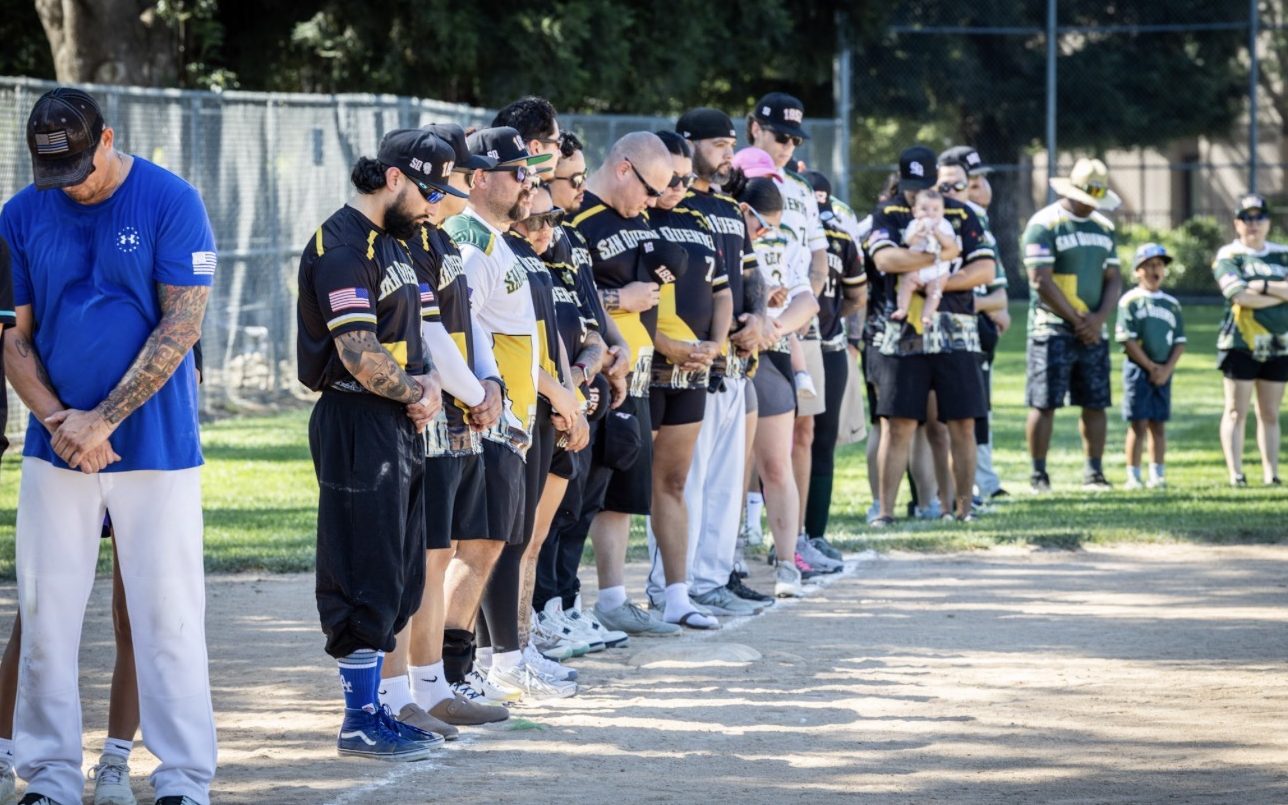
Solano Fallen tourney raises over $12,500 for staff, families
Correctional professionals, law enforcement partners and community supporters came together to raise more than $12,500 during the recent Solano Fallen Resource…

Staff triumph at first Solano Fallen Resource Fund Tournament
CDCR correctional staff from various institutions claimed victory at the first Solano Fallen Resource Fund Softball Tournament held June 13-14.…
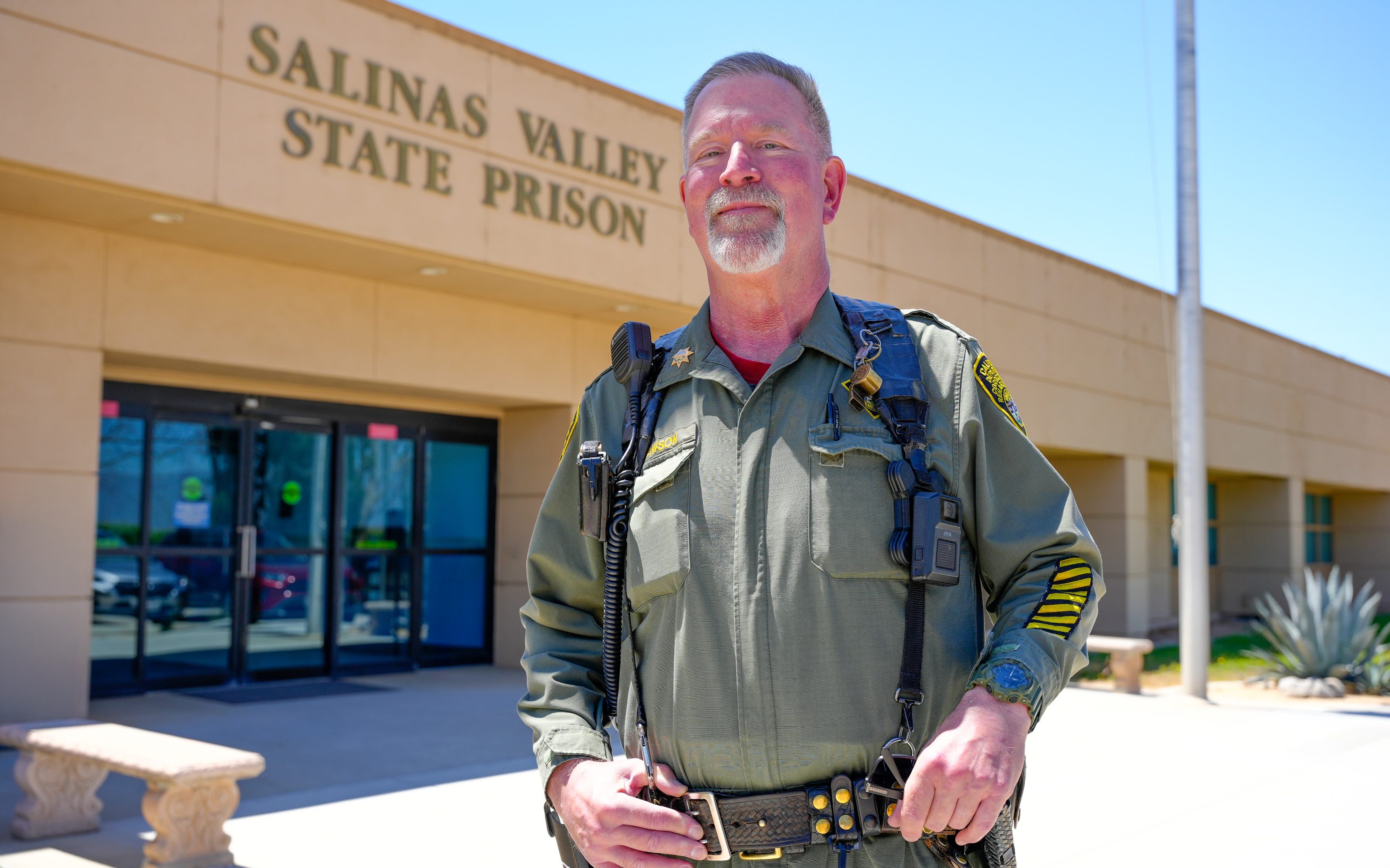
Officer Scott Lawson hangs up duty belt after 30 years
When Correctional Officer Scott Lawson began working at Salinas Valley State Prison in May 1996, the institution was still under…