


After years of work raising awareness of deaths, this year’s International Overdose Awareness Day will be focused on the connections we make and the connections one decision can break.
One dose can end a life, shatter a community
Institutions across the state are spreading the word about overdose awareness this week under the theme “One Big Family, Driven by Hope.” It’s about extending outreach beyond family to a shared community. It drives home the importance of watching out for more than just our closest connections.
The immediate impact of overdose is easy to see as a life cut short. But what is harder to see are the threads cut by that loss. Families are left to grieve, and their communities lose someone who could have made an impact.
While IOAD is officially Aug. 31, events to raise awareness and raise voices are happening throughout the week. These events will share knowledge about the Integrated Substance Use Disorder Treatment program and Medication Assisted Treatment for those seeking help with substance use disorders. They will also educate on the warning signs of a possible overdose and the availability of Narcan in CDCR institutions.
KNOW THE SIGNS OF AN OPIOID-RELATED OVERDOSE
- Severe difficulty breathing or not breathing at all
- Small, constricted “pinpoint pupils”
- Falling asleep or losing consciousness
- Slow, weak, or no breathing
- Choking or gurgling sounds
- Limp body
- Cold and/or clammy skin
- Discolored skin (especially lips and nails)
HOW TO RESPOND TO AN OPIOID OVERDOSE
- Give naloxone and call 911.
- If needed, provide a second dose of naloxone (using a new naloxone container) after 2-3 minutes.
- Keep the person awake and breathing.
- If the person is not breathing and you are trained, perform rescue breathing or CPR.
- Lay the person on their side to prevent choking.
- Stay with the person until 911 responders arrive.
(Source: California Department of Public Health)

If you or anyone you know is struggling with substance use disorder, visit FindTreatment.gov to find help and a treatment facility near you.
CDCR staff and their families can find help through the Employee Assistance Program, the CDCR Wellness App and more. For more information, please visit the CDCR Health and Wellbeing And Family Resource Guide.
Submitted by Kyle Buis, information officer
California Correctional Health Care Services
Read more stories related to prison health care.
Follow CDCR on YouTube, Facebook, X (formerly Twitter).
Related content
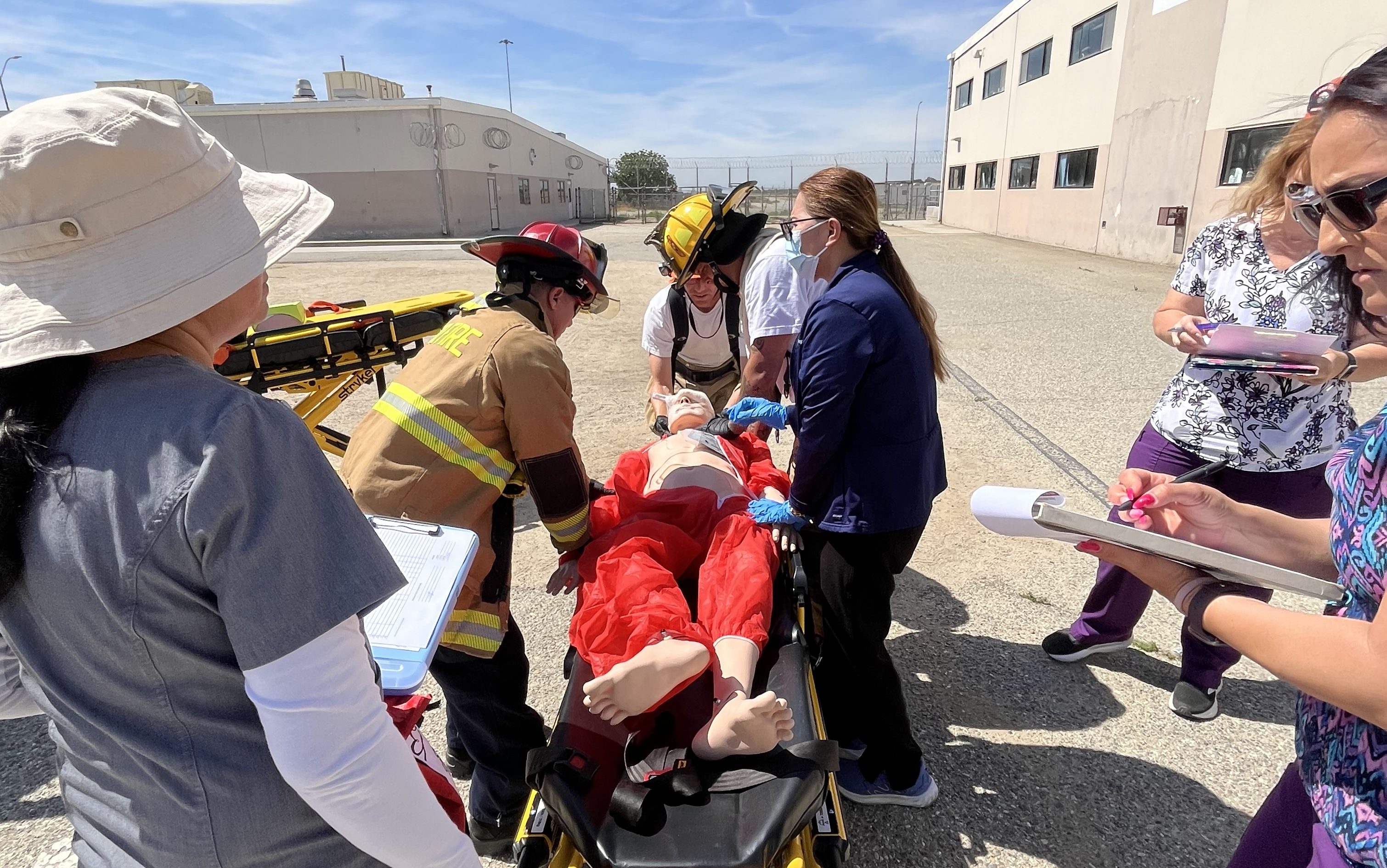
WSP‑RC holds joint emergency responder training
Wasco State Prison-Reception Center (WSP-RC) held simulated lifesaving medical emergency responder training. The drill was held in the minimum support…
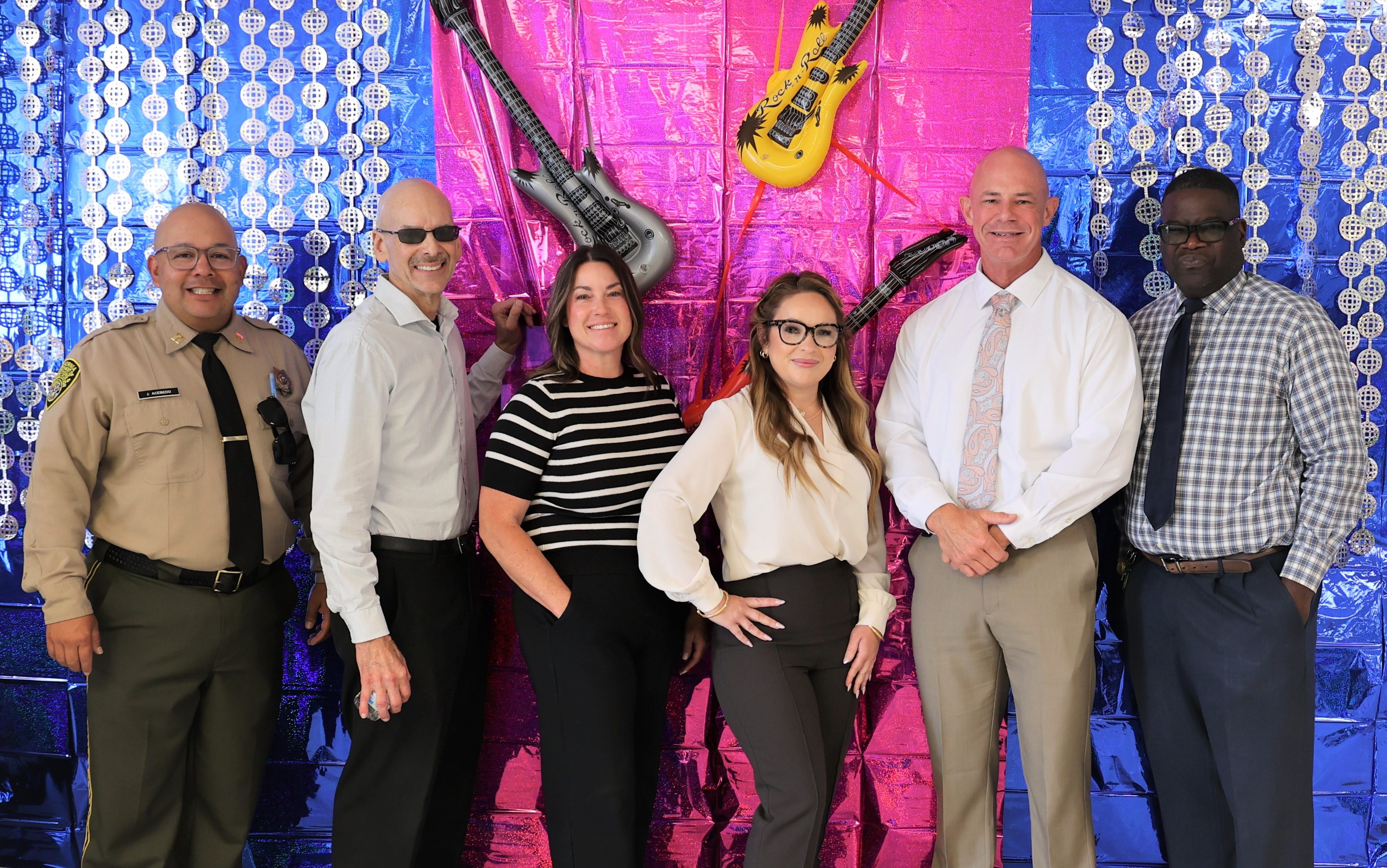
Kern Valley State Prison celebrates Nurses Week 2026
Kern Valley State Prison (KVSP) in Delano recently celebrated Nurses Week 2026 with food, fun and entertainment. According to organizers,…
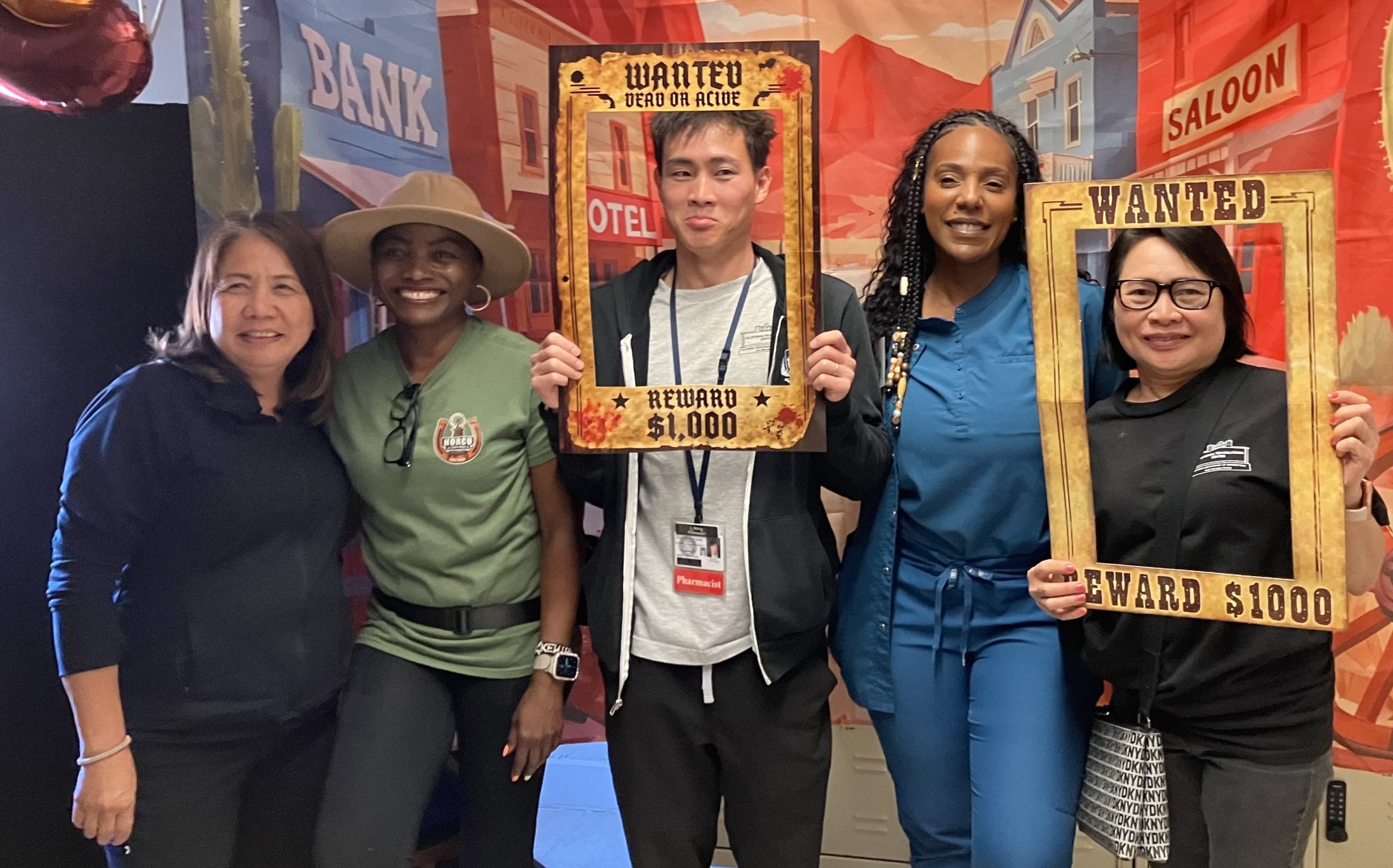
CRC‑Norco hosts Last Rodeo for Nurses Week celebration
The California Rehabilitation Center (CRC) at Norco recently hosted the Last Rodeo in honor of National Nurses Week. CRC showed…