

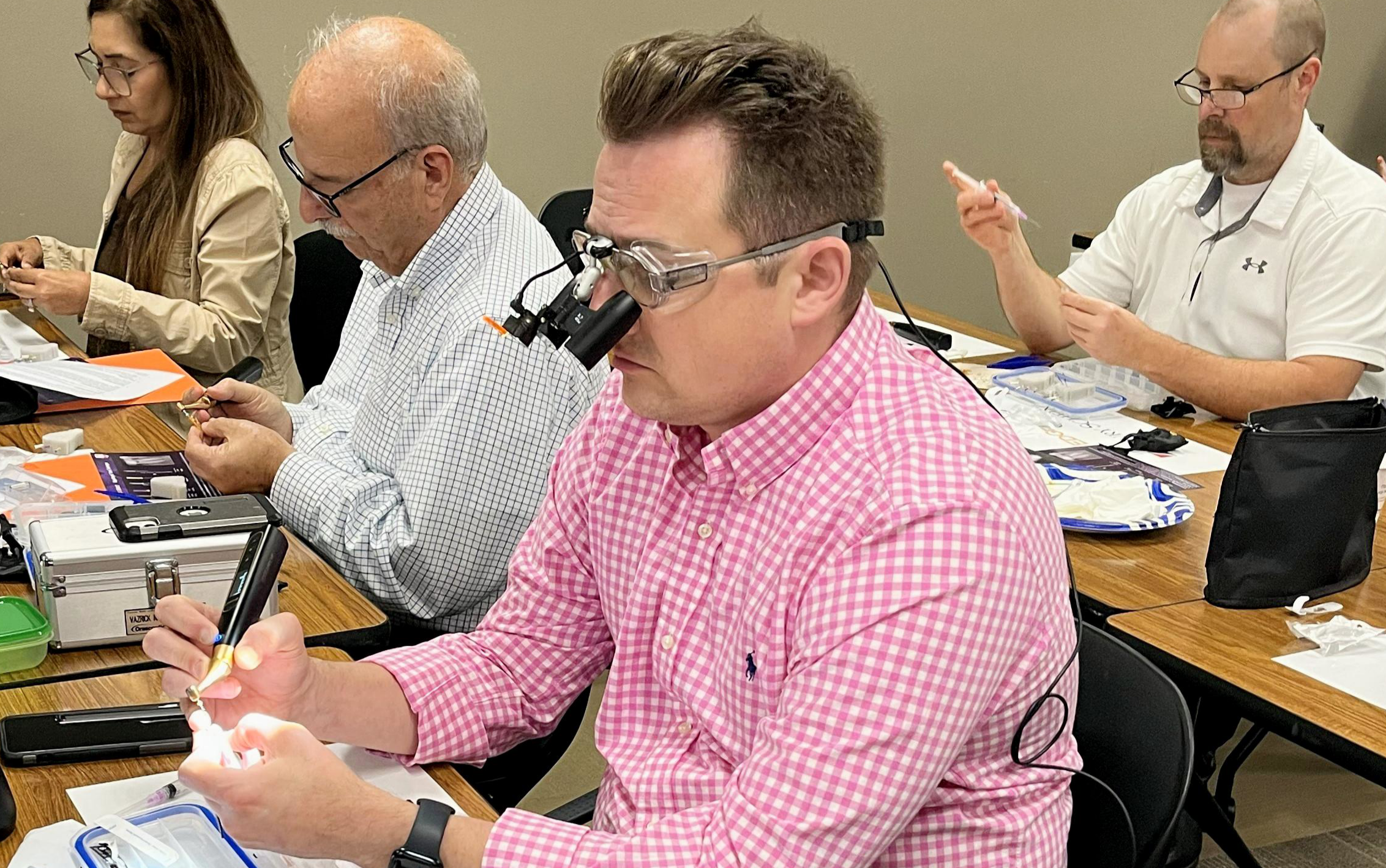
Access to root canal treatment is expanding across California Correctional Health Care Services (CCHCS) dental clinics. Dentists and dental assistants are now performing procedures once rarely available in correctional settings.
This statewide initiative empowers dental teams to provide molar and premolar root canal therapy, treatments which historically defaulted to extraction. With the introduction of state-of-the-art equipment and hands-on training, CCHCS dentists can now offer patients more comprehensive care. They can do this while utilizing specialized skills developed during their professional training.
“There can only be positive outcomes when we’re able to restore a tooth as opposed to removing it. By allowing us to complete non-surgical root canal therapy on teeth that we previously would have removed, we are treating our patients with humanity and dignity. Smiling puts out the good vibes, and we could all use more of those,” said Peter Vandewalker, DDS, dentist at CCWF.
For many years, damaged molars and premolars were often removed. This was due to restrictive policies, limited equipment, and lack of standardized training for posterior root canal therapy.
While CCHCS has long delivered a broad range of dental services, the ability to perform these more complex procedures required tools and clinical competencies not available across the state’s approximately 175 dental clinics.
Technology meets training
Recent advancements in dental technology have changed that landscape. Modern rotary systems and improved clinical techniques have streamlined the process. These make root canal therapy more efficient and predictable in busy institutional clinics.
Recognizing these advancements, dental leadership introduced the CCHCS Endodontic Initiative—an effort designed to expand access to molar and premolar root canal treatment across all institutions.
“Although posterior root canal treatment is generally excluded under Title 15, Adult Correctional Dental Care (ACDC) has created a pathway for approval on certain teeth that were once considered candidates only for extraction,” said Vance Fonnesbeck, DDS, at Centinela State Prison. “This is an important step forward in preserving both form and function for our incarcerated population and allows us to provide a higher level of care. It is a privilege to serve in a setting where that kind of impact is possible.”
Statewide training supports dental teams
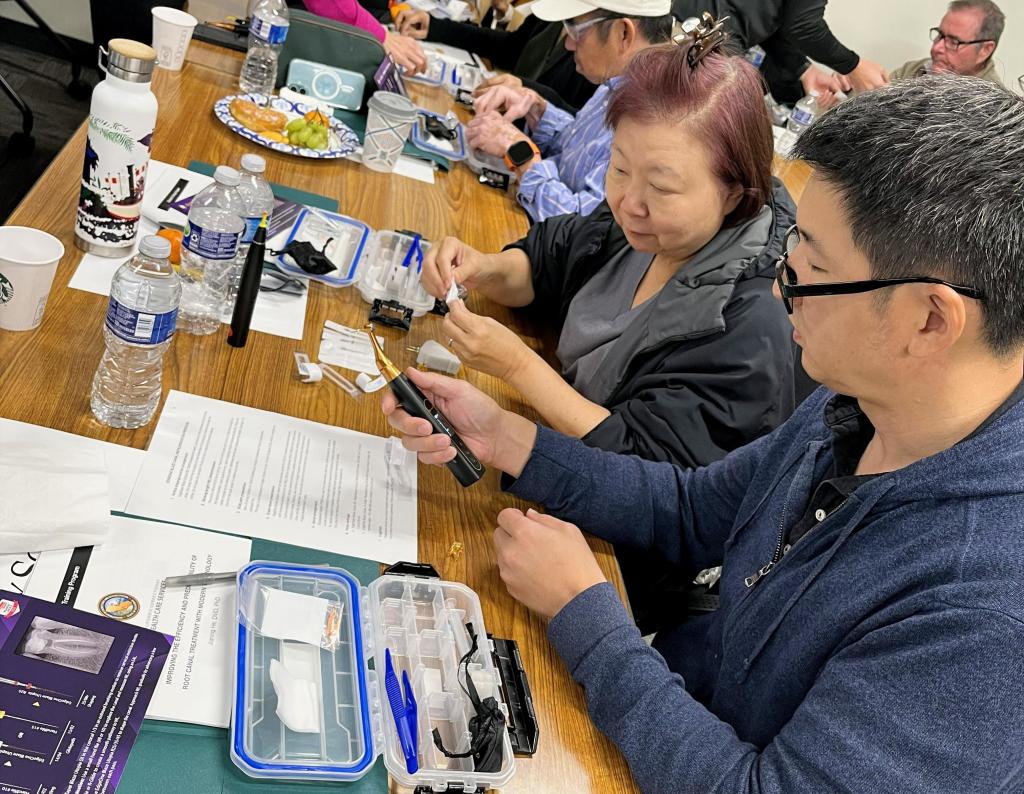
Launched in 2025, the Dental Professional Development Unit provided extensive hands-on instruction led by Dr. Jenny He. A nationally recognized endodontist, Dr. He has published more than 50 peer reviewed articles and contributed to four textbooks. The doctor also serves as an Adjunct Professor at Texas A&M University College of Dentistry while maintaining a full-time endodontic practice.
The training emphasized the use of new endodontic equipment and modern clinical techniques while helping dental teams integrate these procedures into their daily workflows.
Dental leadership partnered with regional dental directors, procurement teams, vendors, and IT staff to ensure clinics received the equipment and resources necessary to deliver this elevated level of care.
Through standardized equipment and coordinated statewide training, dentists are now able to perform more complex root canal procedures within their own clinics. This expands access to comprehensive care for the patients who need it.
Dental staff make the difference
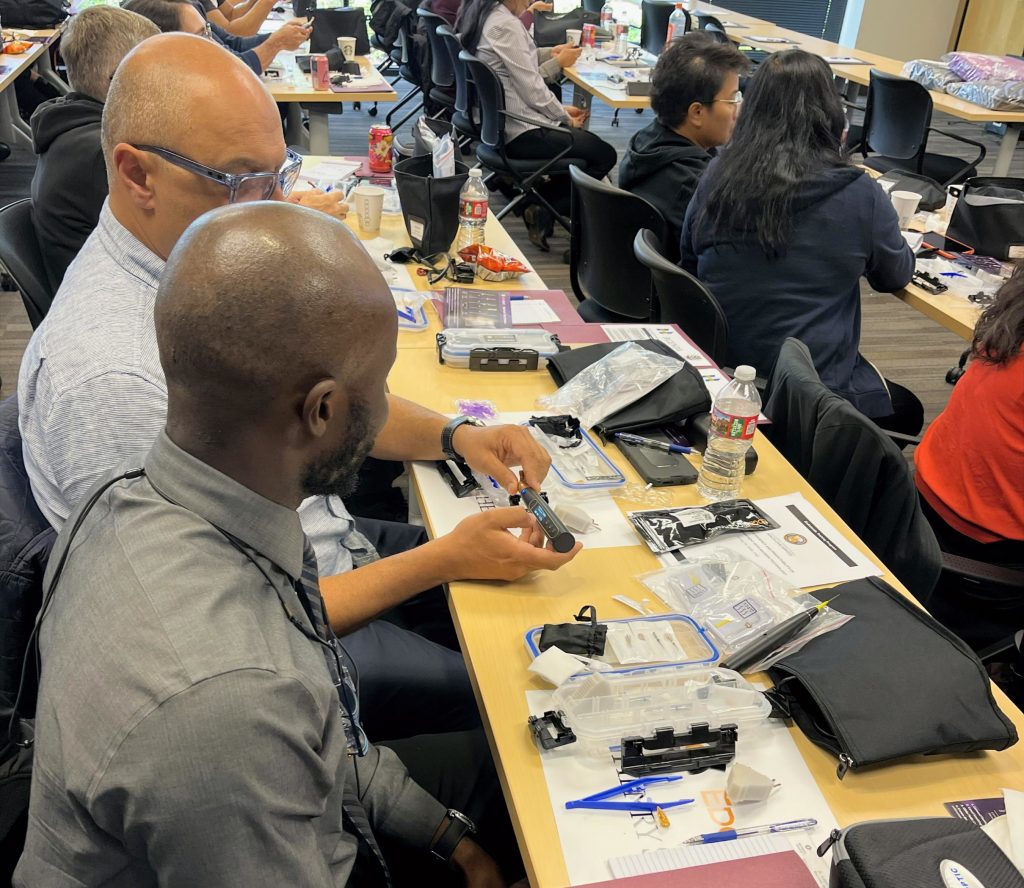
Behind every root canal treatment is a dedicated and coordinated team.
Dentists provide the clinical expertise, while dental assistants ensure every procedure runs smoothly. They prepare instruments, organize equipment, maintain supply levels, ensure infection control compliance, and offer essential chair-side support. Their precision and professionalism help create a safe, efficient clinical environment for both staff and patients.
For many dental professionals, this initiative has opened new doors. It has revitalized skills that were previously underutilized in correctional settings and expanded their clinical impact.
“Despite the common perception that correctional dental care is limited, this initiative expands access to root canal treatment to preserve natural dentition, reduce extractions, and improve long-term outcomes—reflecting our commitment to patient-centered care, staff training, and clinical excellence. Here at Valley State Prison, we truly appreciate HQ’s continued efforts to advance care and support our teams in delivering higher standards of treatment,” said Harjind Sidhu, DDS, supervising dentist.
Expanding treatment options
The Endodontic Initiative is also helping reshape public perception of dental care in correctional environments. While extractions have historically been common, CCHCS is prioritizing procedures to preserve natural teeth whenever possible. This mirrors modern standards in community dental practices.
By integrating advanced endodontic capabilities into institutional clinics, CCHCS dental teams are giving patients access to treatment options previously out of reach.
Program in early stages
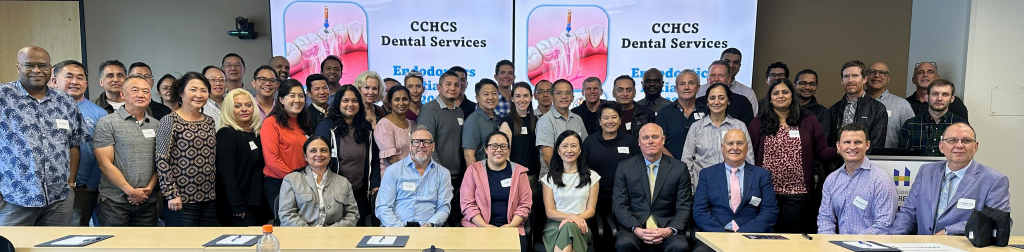
Although still in its early phases, the impact of this initiative is already visible. Initial cases have already been completed. As additional clinicians gain experience, dental leadership anticipates steady growth in the number of procedures performed statewide.
For the dedicated dental professionals driving this effort, the Endodontic Initiative represents far more than a new service. It reflects a shared commitment to expanding access to quality care and strengthening dental services across all CCHCS institutions.
Story by Amanda Spangler, communications analyst
Office of Public and Employee Communications
Follow CDCR on YouTube, Facebook, X (formerly Twitter).
Read more stories related to prison health care.
Related content
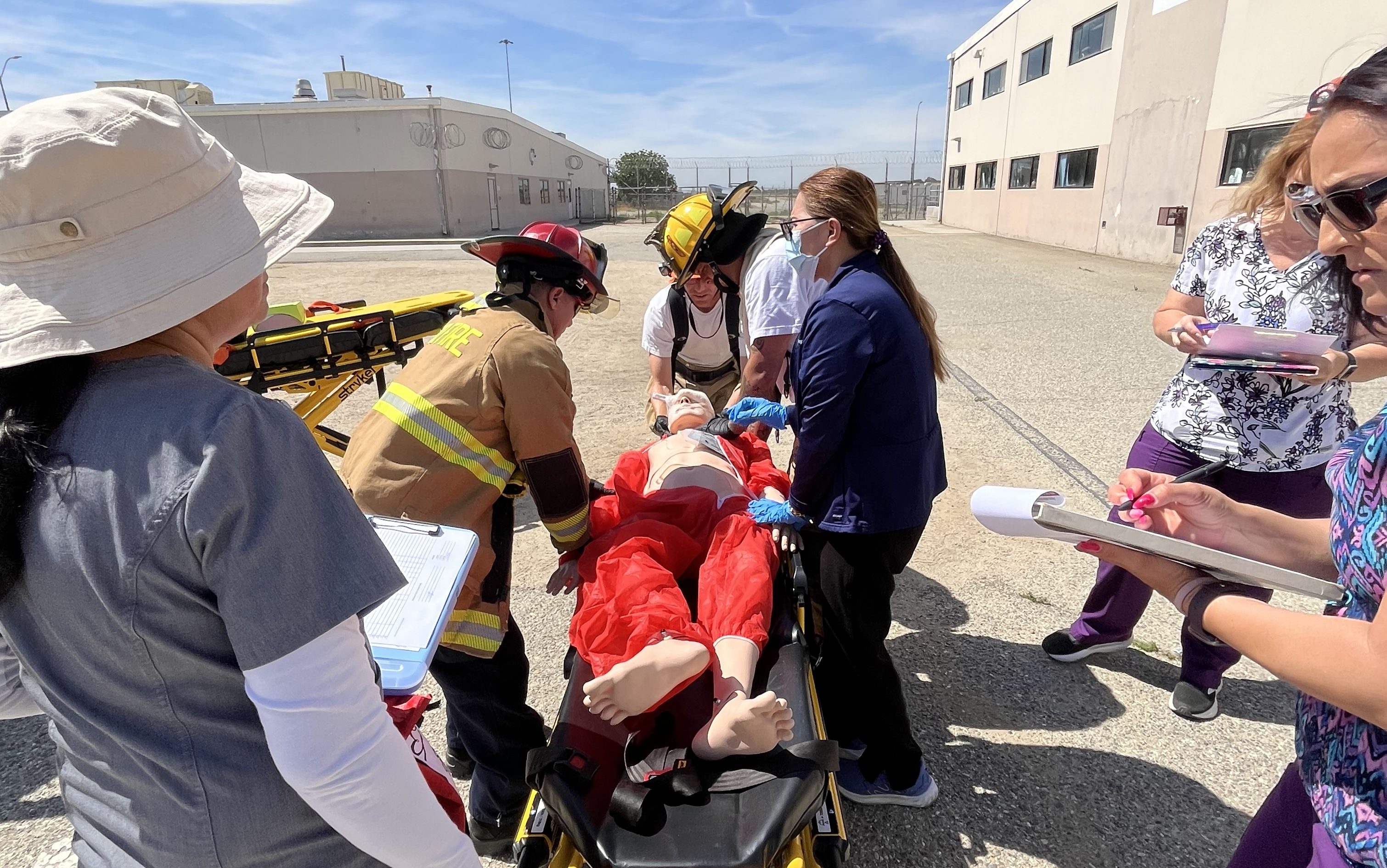
WSP‑RC holds joint emergency responder training
Wasco State Prison-Reception Center (WSP-RC) held simulated lifesaving medical emergency responder training. The drill was held in the minimum support…
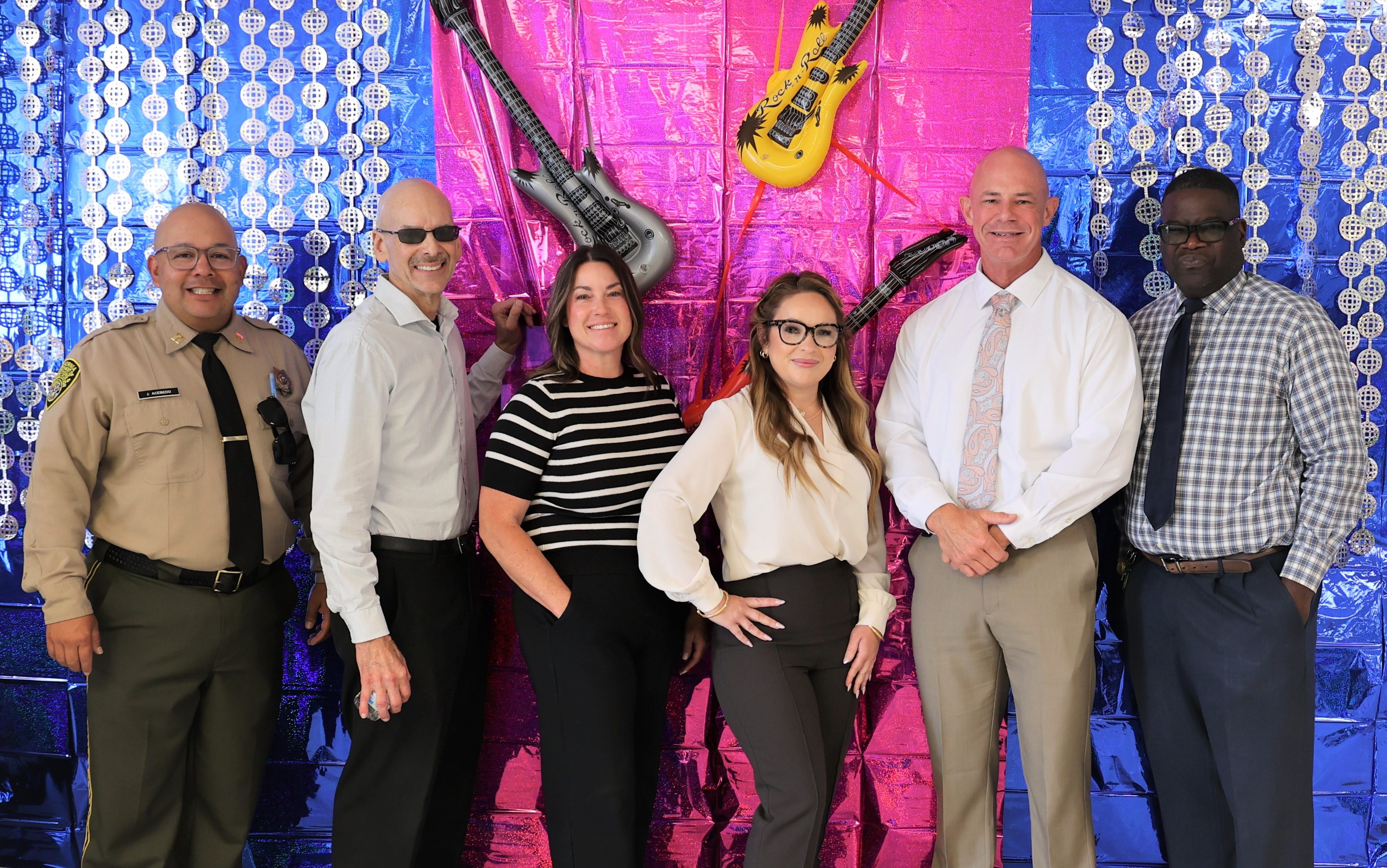
Kern Valley State Prison celebrates Nurses Week 2026
Kern Valley State Prison (KVSP) in Delano recently celebrated Nurses Week 2026 with food, fun and entertainment. According to organizers,…

CRC‑Norco hosts Last Rodeo for Nurses Week celebration
The California Rehabilitation Center (CRC) at Norco recently hosted the Last Rodeo in honor of National Nurses Week. CRC showed…