

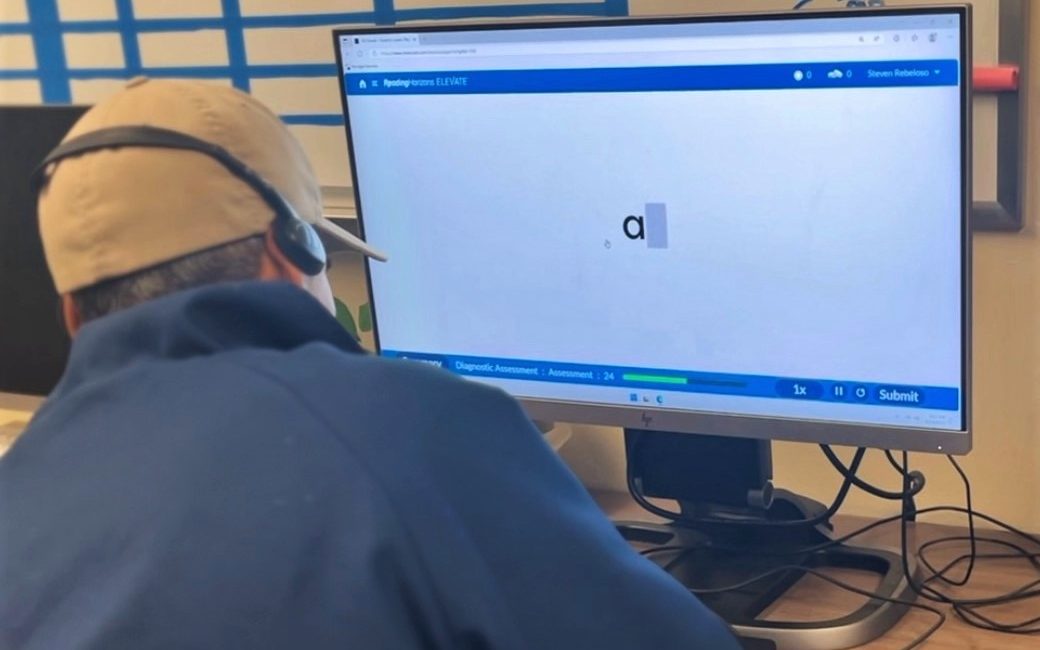
Paul Bodenshot, a CDCR special education teacher, sees benefits to providing educational opportunities to developmentally disabled incarcerated people.
Bodenshot is part of a team of educators making a difference at California Men’s Colony (CMC) in San Luis Obispo.
“The students are so thankful for us to help them learn and move toward getting their GED,” he said.
Known as the Developmental Disability Program (DDP), this resource is offered at 10 CDCR institutions across the state.
DDP provides equal opportunities for developmentally disabled incarcerated persons. This gives them access to participate in programs, services, and activities within CDCR. As of August 2025, there are 213 incarcerated students enrolled in DDP at CDCR institutions.
When an incarcerated person arrives at an institution, they are given a mental health assessment to determine their DDP status.
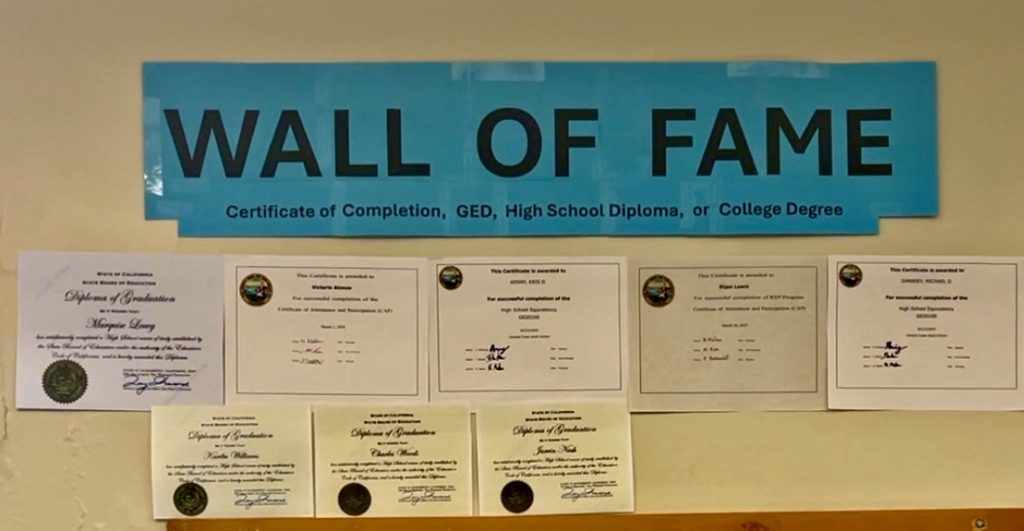
Developmental Disability Program offered at 10 CDCR institutions
In December 2001, the State agreed to a Remedial Plan that established the Developmental Disability Program, also known as the Clark Remedial Plan. Clark is a federal class action lawsuit filed on behalf of persons with developmental disabilities.
Bodenshot, who has taught at CMC for six years, said even if an incarcerated student is designated as DDP, participation is optional.
“We make contact with them, explain our services, give them a tour of our room and explain how we can help them if they want the help. If they decline our services, that is fine too. They can change their mind at any time during their academic career,” said Bodenshot.
“We have a pull-out program where we take them out of the classroom from anywhere between one and three hours a week. We help them with whatever they are working on in the classroom or areas where we have given them an assessment.”
How DDP works
CMC has three DDP teachers assisting students in one room. The environment is more intimate than typical classroom settings, with three to six students at a time working from the lowest level of education to the highest.
Students can come in for help with class work, can work on computers, or teachers can do a direct lesson on the board.
“We have some high functioning guys who have had some kind of trauma who maybe are not able to pick up something as quickly. But we also we have a lot who’ve earned their GEDs and that is really rewarding,” Bodenshot said.
New ways to learn
One DDP student who was in special education classes prior to coming to CMC was apprehensive about participating.
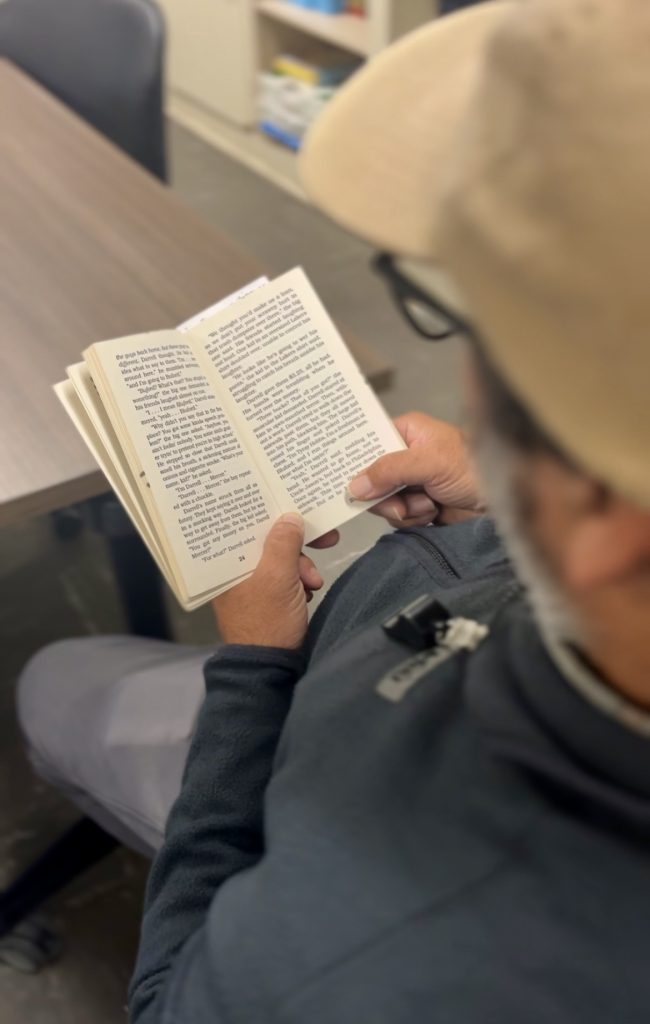
“The old feelings I had about education crept up,” he said. “(Such as) easily giving up (or) not taking it seriously. That behavior was still there, saying ‘I can’t do this,’ but these teachers believed in me. They kept encouraging me more and more and more.”
While at CMC, he learned he had more difficulty than others comprehending what he was learning.
“It’s not that I am incapable of learning,” he said. “I had to learn a different method to help me to retain it. Having that one-on-one with the teachers, spending the time, asking them to help me if I didn’t understand things, I built a real rapport with them.”
Earning his GED is major milestone in his journey back into the community, “Hopefully within the next couple of years I’ll be back out there. Then I can continue on to college,” he said. “I want to be a minister and must go to school for that. Having my high school diploma is a step to the next thing.”
Setting goals
Another student who has ADHD and a hearing disability, spoke about her experience with DDP, and her motivation to pursue education.
“When I came into class I didn’t even know how to turn on a tablet,” she said. “My generation did everything on paper and pencil, so I had to start from the ground up. They are very patient with me, and they work well with me.”
Her motivation to pursue education spoke volumes.
“I don’t want to die in prison. I came in at 17-and-a-half, so prison is all I know.”
She said her goal is to continue this academic path and hopes to start college in 2026.
Story by Ashton Harris, information officer
Office of Public and Employee Communications
Read more rehabilitation stories.
Follow CDCR on YouTube, Facebook, X (formerly Twitter).
Related content
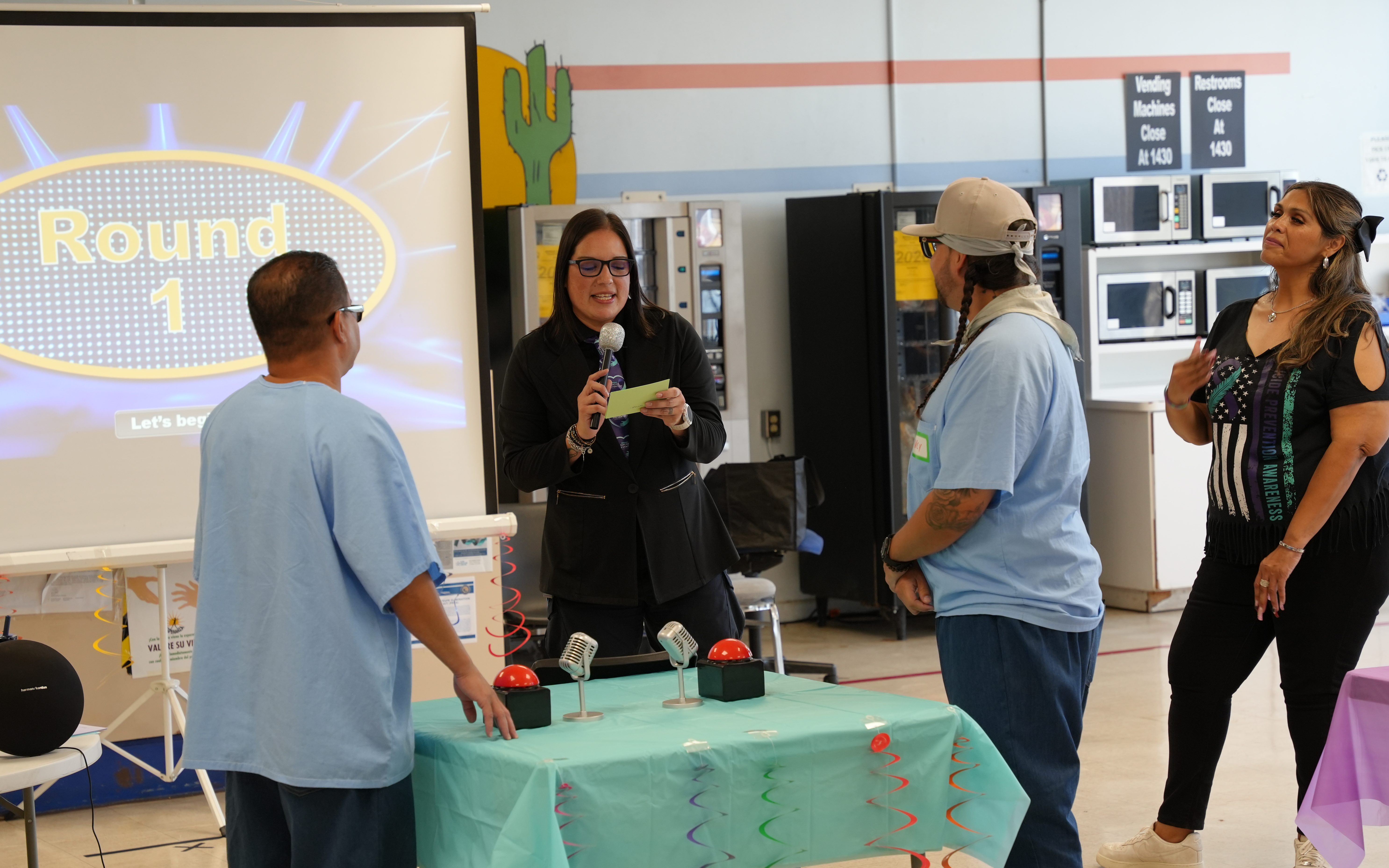
Calipatria mental health team hosts game for population
Mental health staff at Calipatria State Prison hosted a game for the population as part of Suicide Prevention Awareness Month.…
Read More
CCWF sees 59 earn college degrees
Central California Women’s Facility (CCWF) in Chowchilla held its annual college graduation for 59 earning degrees. The Sept. 30 graduation…
Read More
Caltrans, CALCTRA, CDCR, Ironworkers launch CIM program
The California Correctional Training and Rehabilitation Authority (CALCTRA), Caltrans, CDCR, and the Ironworkers Local Union 416 and 433, have launched…
Read More