

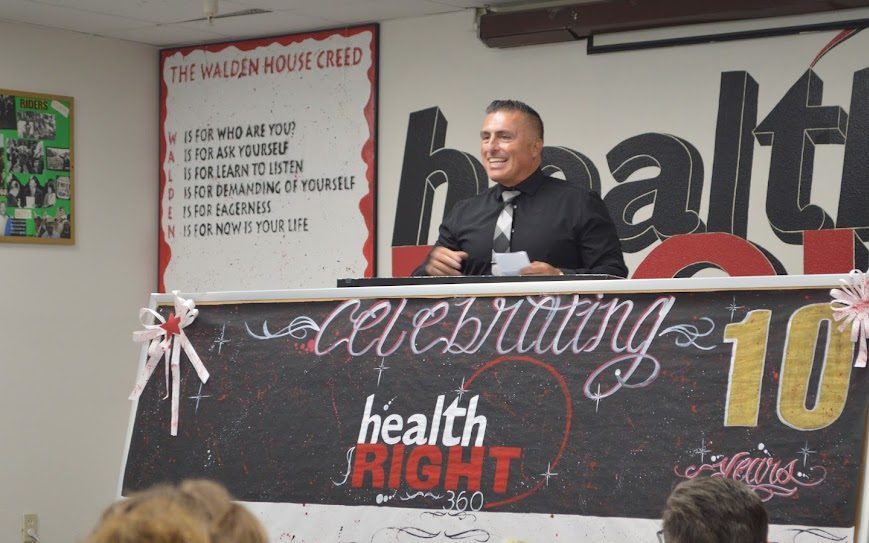
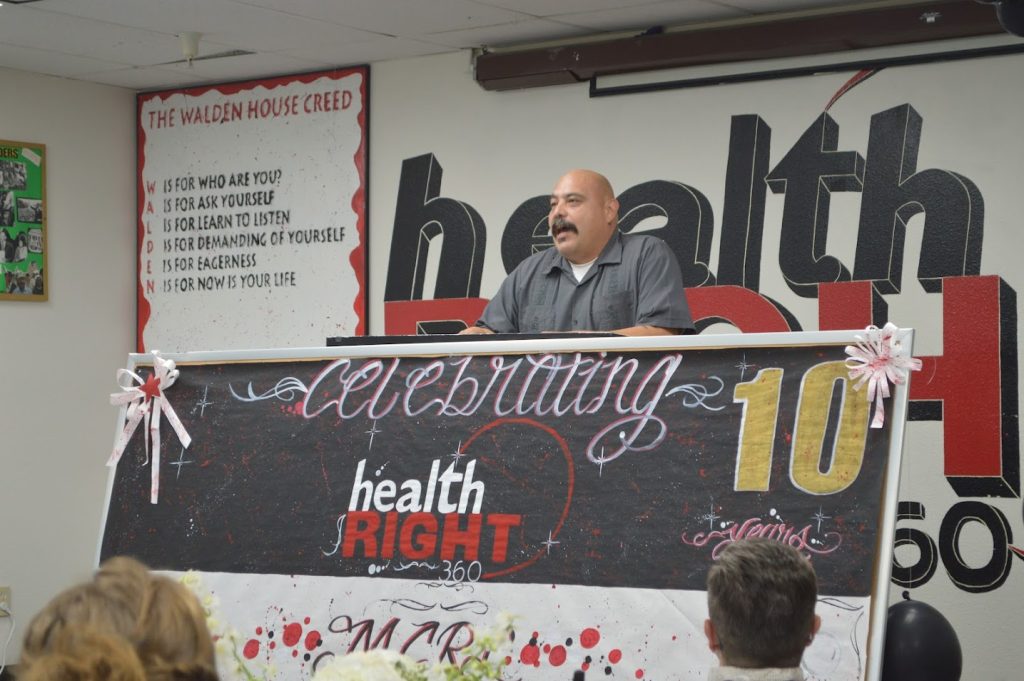
CDCR recently celebrated the 10-year anniversary of its first Male Community Reentry Program (MCRP) established in the state.
The celebration featured former MCRP participants who shared stories about how the program helped them prepare for their post-release lives. Two of the alumni are employed as chefs, one at UCLA and the other at the MCRP, while another is pursuing a degree in aircraft maintenance.
“This is an important milestone that underscores the positive impact CDCR reentry programs have on the participants and the communities they return to,” said Jorge Moreno, associate warden over community reentry programs. “They equip participants with the tools they need to thrive when they are released.”
Lower recidivism rate for participants
A recent report shows that incarcerated men who participate in the state’s community reentry programs are 34 percent less likely to reoffend and return to prison than those who did not participate; women are 44 percent less likely to reoffend.
The MCRP, one of CDCR’s two locations in Los Angeles, houses up to 190 incarcerated men. Since its opening in 2015, approximately 3,150 men have participated in the program at this site.
The MCRP and its companion Female Community Reentry Program (FCRP) are voluntary for eligible men and women with two years or less left on their prison sentence. The program allows them to complete the remainder of their sentence in a community-based facility. Once participants complete a certain level of in-house programming, they are eligible for off-site leave for approved purposes such as work or attending college.
Structured programming in more than a dozen locations
With 13 locations and approximately 1,200 current participants, MCRP and FCRP provide incarcerated participants with structured programming to support successful reintegration into the community.
This includes access to:
- employment readiness
- education and vocational training
- healthcare services and recommended treatment
- as well as family reunification support.
By Mary Xjimenez, information officer II
Office of Public and Employee Communications
Read more rehabilitation stories.
Follow CDCR on YouTube, Facebook, X (formerly Twitter).
Related content
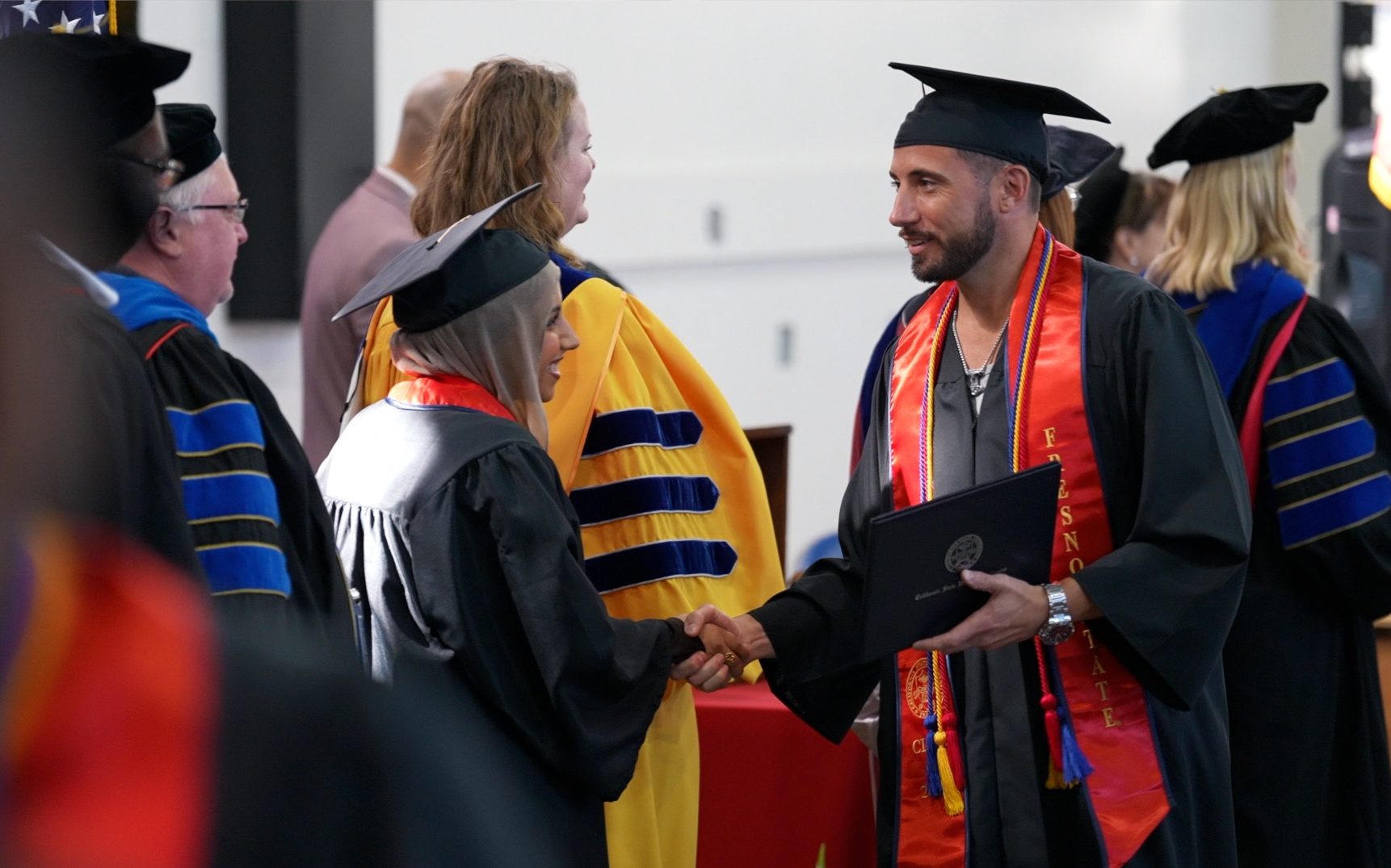
Watch: VSP students earn college degrees
Valley State Prison (VSP) saw 27 earn bachelor’s degrees and another six earn master’s degrees from two colleges. In partnership…
Read More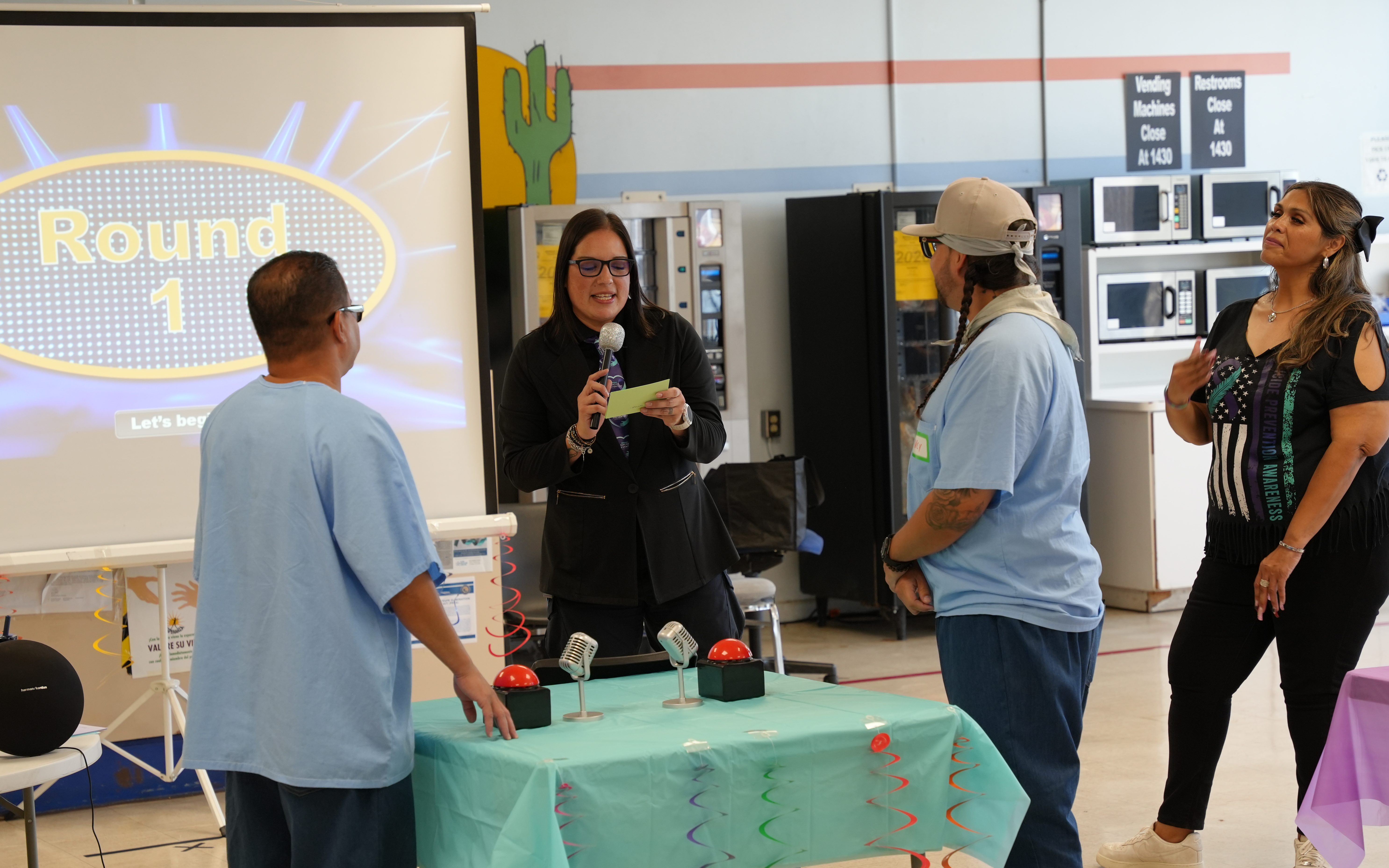
Calipatria mental health team hosts game for population
Mental health staff at Calipatria State Prison hosted a game for the population as part of Suicide Prevention Awareness Month.…
Read More
CCWF sees 59 earn college degrees
Central California Women’s Facility (CCWF) in Chowchilla held its annual college graduation for 59 earning degrees. The Sept. 30 graduation…
Read More