

In our third installment of this month’s Cemetery Tales, we look at a drifter with a long criminal record dating from 1905. J.E. McKim’s story ends at Folsom State Prison in 1931, one of the many people buried in the prison cemetery.
Drifter served time in three western states
Joseph Edward McKim was a drifter, serving time in prisons in all three western coastal states in addition to South Dakota. His charges usually related to grand larceny and forgery.
McKim had criminal history almost as long as his list of aliases: Frank Toland, Jack McKim, Edward McKim, E.H. Lackman, J.F. Ainsley, and Frank Ainsley.
The California native began landing in the state’s prisons in 1905 at 21 years old. McKim, it seemed, had a penchant for purloining the possessions of others. During his first arrest in Fresno, McKim confessed to being unable to control himself if he saw something he wanted.

“(McKim is) wanted in five counties for nine different felonies,” reported the San Francisco Chronicle, March 30, 1905. “(He) beseeches officers of the law to send him to the penitentiary (so) he may commit no more crimes.”
He was arrested by Deputy Constable F.R. Fanning near Madera in possession of a horse and buggy stolen from the Cobb brothers.
Despite thievery, the newspaper claimed McKim had “no bad habits and is of a gentle disposition, yet, by what he declares is an uncontrollable (form) of insanity, he is led to commit crime.”
Once word was received of McKim’s arrest, law enforcement officers from the across the state requested holds on the suspect.
Crimes from Sacramento to Los Angeles
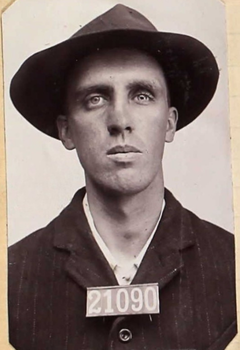
In Sacramento, McKim was wanted for two forgeries and grand larceny. He also forged a check in Hanford. Los Angeles authorities filed two felony charges against him for grand larceny. Meanwhile, in Santa Ana and Pasadena, he stole horse rigging gear as well as a horse and buggy.
From Pasadena, he drove the horse and buggy to Bakersfield, where he then sold them. McKim confessed to all the charges.
He was sentenced to two years out of Los Angeles County on grand larceny. He was received April 9, 1905, at San Quentin and given the number 21090. McKim was released Dec. 9, 1906.
Freedom for three months
Three months following his release, he was again a wanted man.
“Constable Hainline of Davis (was in pursuit) of a man who hired a buggy and two horses (but) failed to return them,” reported the Woodland Daily Democrat, March 12, 1907. “The constable ascertained that at Vallejo, McKim shipped the horses and obtained a shipping receipt in the name of D.O. Judy of Winters.”
Hainline quickly notified the San Francisco chief of police before returning to Davis for back-up. The following day, he traveled to San Francisco with Del Grieve. There, they found McKim had received the horses and buggy, again using the name D.O. Judy.
“They next visited the police headquarters but learned nothing. Then, they visited the horse markets, thinking he might attempt to sell the horses,” the paper reported. “At a Jackson street stable, they found one of the horses and the stableman told hem McKim had (recently) taken the other horse out for a ride. The stableman also said they would find the buggy at a carriage house nearby.”
Plain clothes police staked out the stable and carriage house all day, but McKim didn’t return.
“(The next morning,) while walking near Pacific and Powell, (the constable) saw McKim driving by, hailed him, and (quickly apprehended him),” the newspaper reported.
When he was returned to Davis to face the justice of the peace, “McKim was anxious to plead guilty and get his sentence today, but officers are of the opinion he has a bad record.”
Details of early life
The real D.O. Judy spoke on behalf of his friend.
“He has known McKim for several years,” reported the Woodland Daily Democrat, March 16, 1907. “He says it seems like a pity to send the young man to a state prison. Some kind of reformatory would be a more suitable place for him. When McKim was only 3 years of age, he came near dying with brain fever. His case was so desperate it was necessary to remove one eye in order to save the other. He is a confirmed kleptomaniac and can no more help stealing than he can resist the inclination to eat when he is hungry.”

Several prison documents throughout the years note McKim had a glass eye.
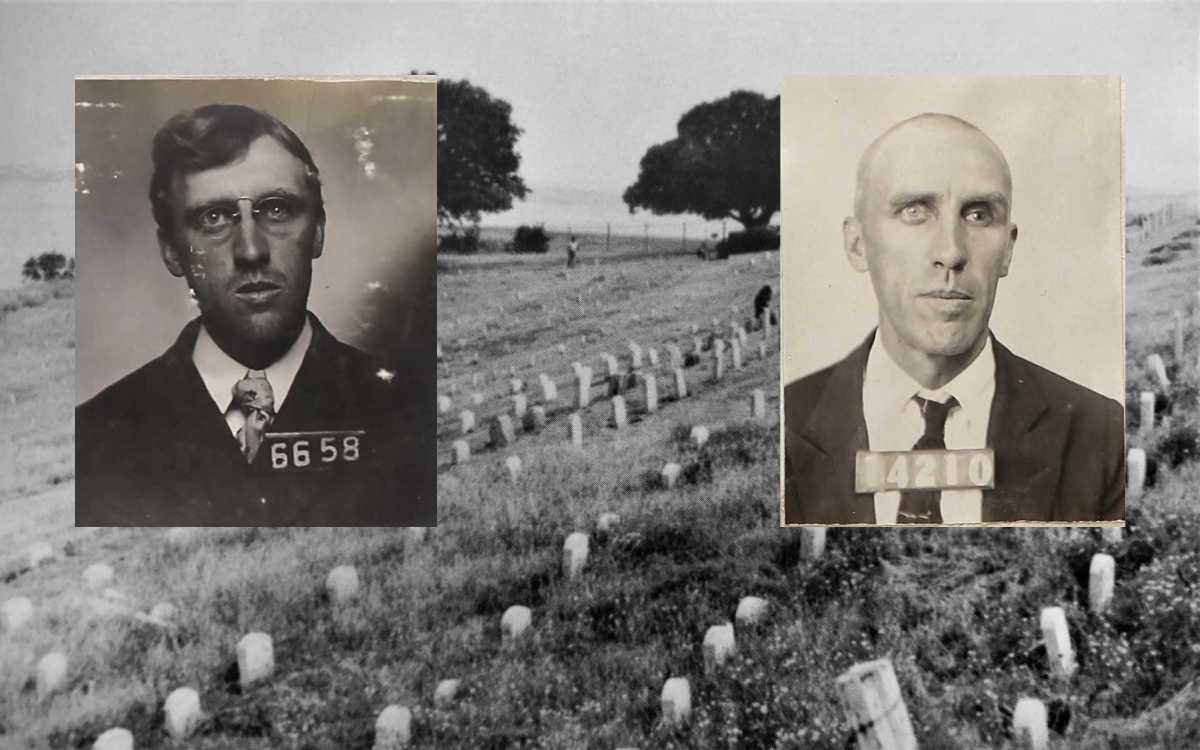
Judge Post sentenced McKim to five years at Folsom State Prison. He was received March 16, 1907, and given the number 6658. He was discharged Oct. 16, 1910.
New horizons in Washington, Oregon
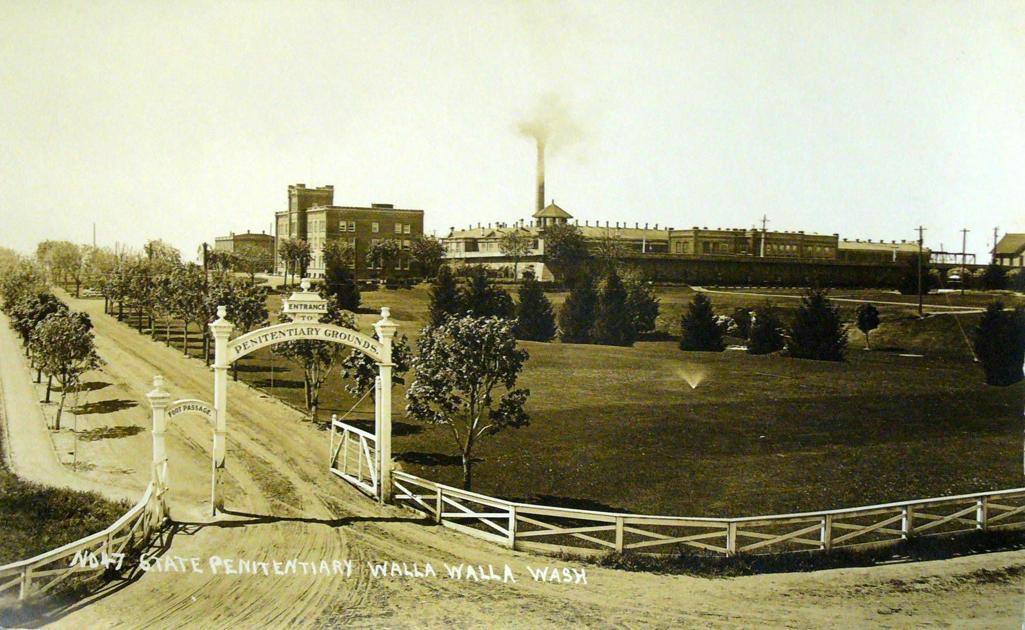
A fresh start might have been why he ended up in Washington. A month after his release from Folsom, he was charged with grand larceny and sentenced to one to 15 years in Washington State Prison. He was received Nov. 29, 1910, and assigned the number 5905. McKim was discharged Aug. 13, 1913.
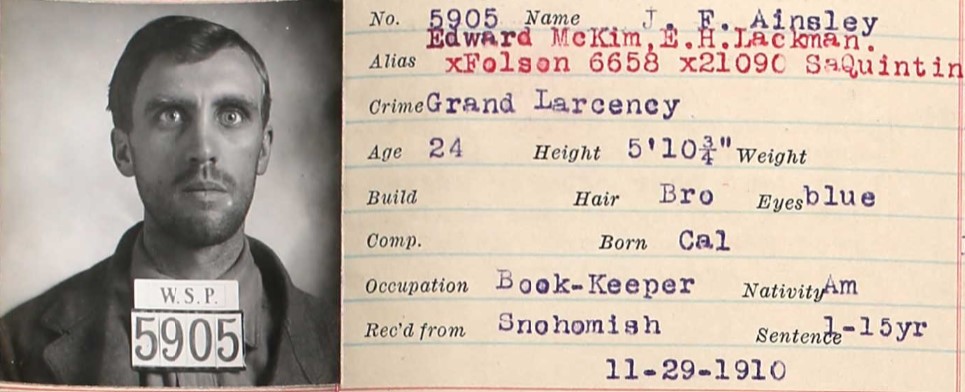
Later the same year, he again faced felony charges, this time in Oregon going by the name Frank Toland.
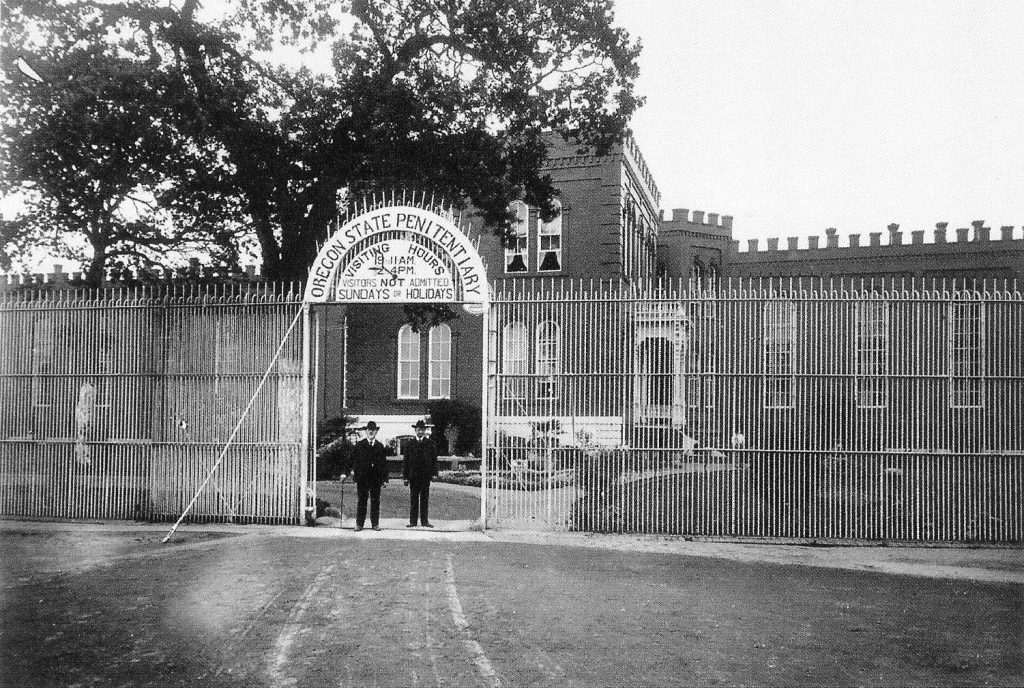
In 1913, he was sent to Oregon State Penitentiary, assigned number 6928. He was sentenced to one to 10 years for grand larceny but paroled three years later.

Next up on his tour of state prisons was South Dakota where he was sentenced to three years for forgery. He was received May 30, 1919, and given the number 3537. He only served a year, paroling in 1920. Poor choices again landed him in the South Dakota State Prison for violating parole. He was received June 1, 1923. McKim was discharged in October.

Story ends at Folsom State Prison
Having had enough of South Dakota, he returned to California and landed in Folsom State Prison for second-degree burglary out of San Mateo County. He was received May 28, 1926, to serve a one-to-15-year sentence.
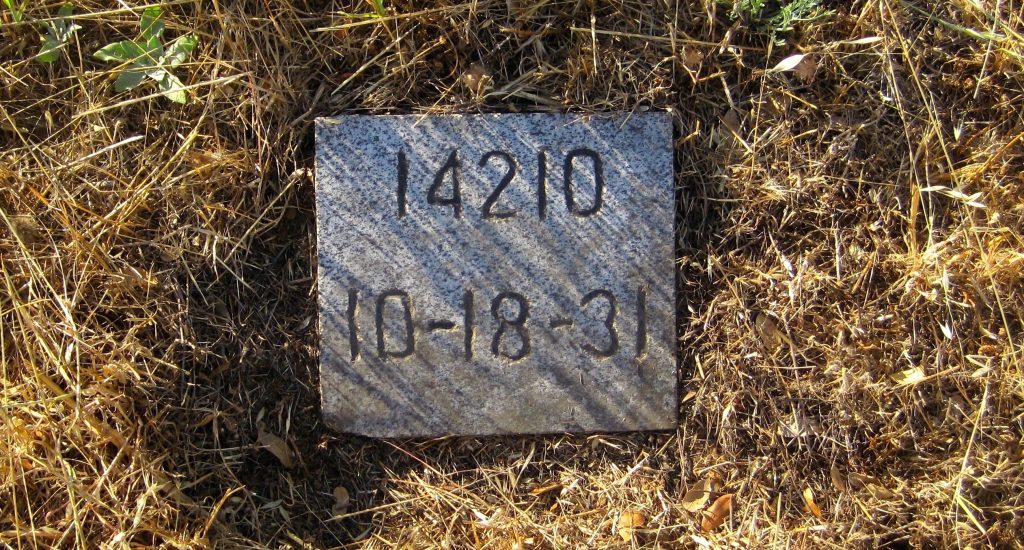
Five years into his sentence at Folsom, he passed away Oct. 18, 1931. His body unclaimed, McKim was laid to rest at the prison cemetery. The marker bears his number, 14210, and his date of death. He died at 47 years old after spending most of his adult life in prison.
By Don Chaddock, Inside CDCR editor
Office of Public and Employee Communications
Learn more about California prison history.
Follow CDCR on YouTube, Facebook, X (formerly Twitter). Listen to the CDCR Unlocked podcast.
Cemetery Tales
Cemetery Tales: Harry Stewart, Fresno embezzler
In our final Cemetery Tales of the season, we look more closely at Harry Stewart, early 1900s embezzler, thief, and…
Cemetery Tales: Meet JE McKim, thieving drifter
In our third installment of this month’s Cemetery Tales, we look at a drifter with a long criminal record dating…
Cemetery Tales: Raymond Blade and Henry Hunt
The second installment of this month’s Cemetery Tales looks at two incarcerated people at different stages in their lives when…

Cemetery Tales: John Beebe and Joseph Balado
The first Cemetery Tales story for 2025 looks at the lives of career criminal John Beebe and Joseph “Jose” Balado,…

Cemetery Tales: Estranged husband and a robber
In this month’s fifth installment of Cemetery Tales, we examine the stories of an estranged husband and a robber who…
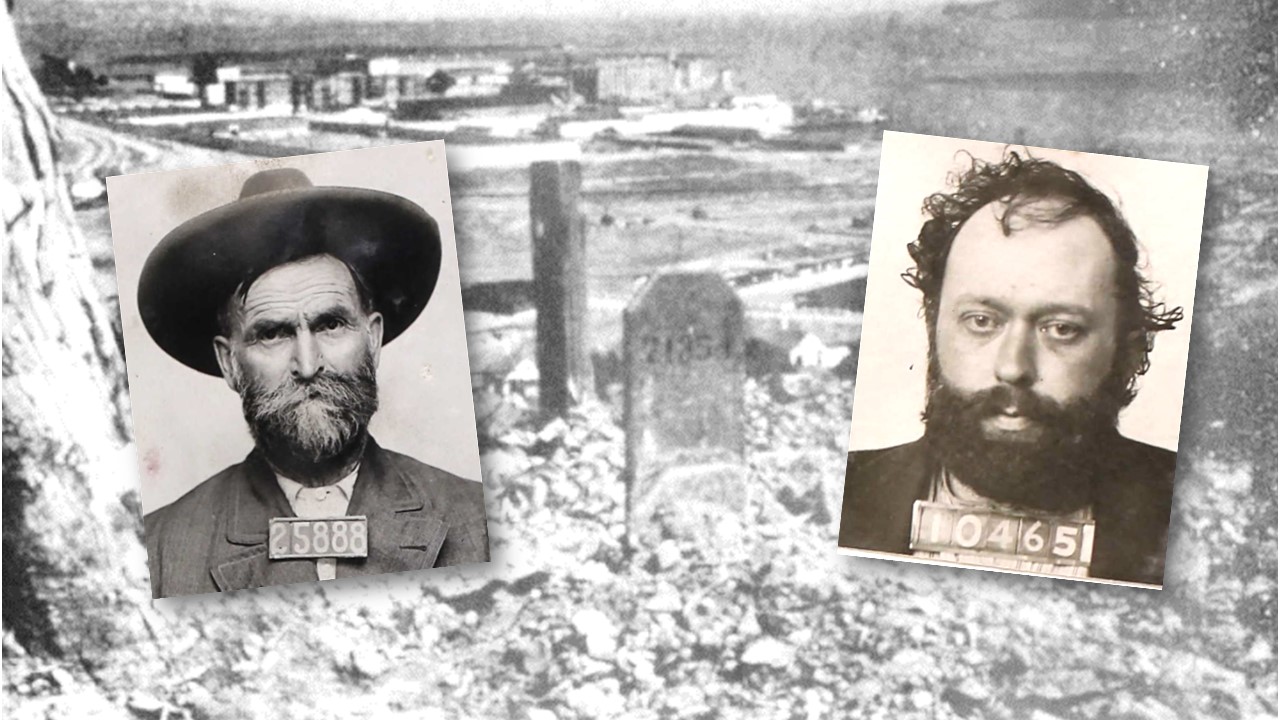
Cemetery Tales: The farmer and a self‑appointed king
Our fourth Cemetery Tales looks at farmer-turned-double-murderer George Biggs and Judah Benjamin, a self-proclaimed king. Both men ended up in…