

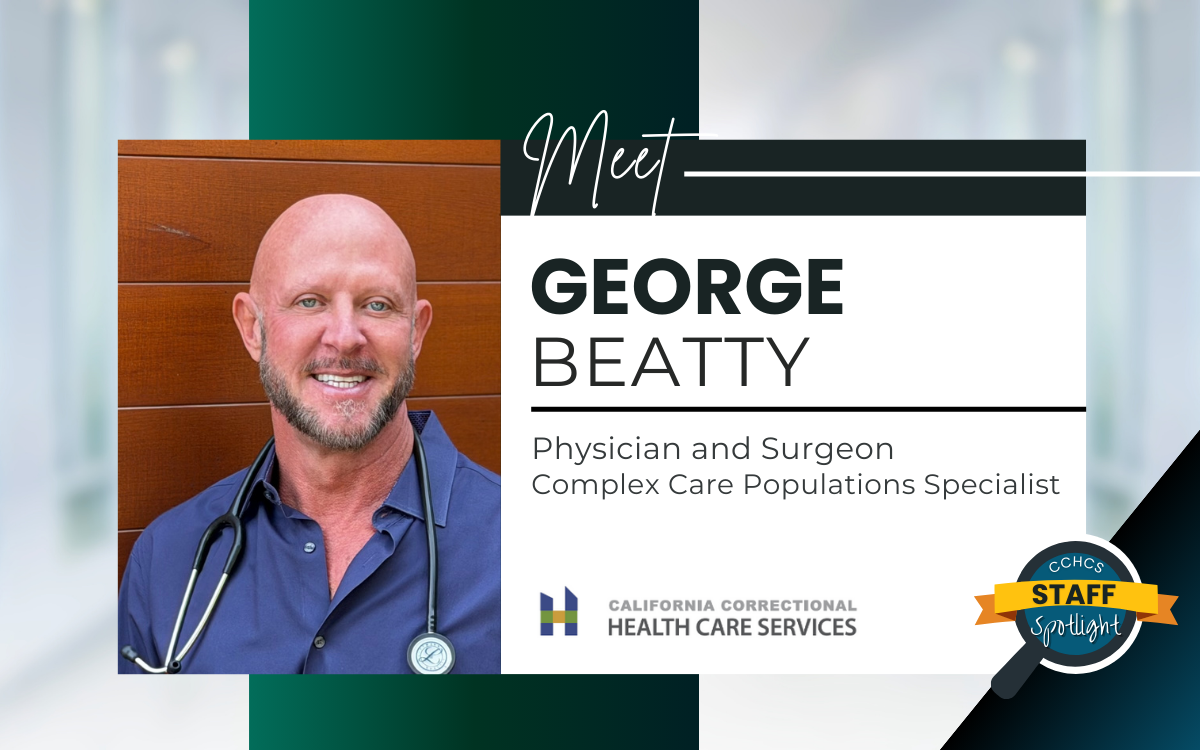
Editor’s note: In honor of World AIDS Day, Inside CDCR caught up with George Beatty, a physician and surgeon with California Correctional Health Care Services.
George Beatty thought about going into neuroscience. He considered doing expedition medicine, too. Instead, he found his life’s passion.
As an undergraduate at the University of North Carolina at Chapel Hill, Beatty saw first-hand the impact of HIV and AIDS in the 1990s.
Watching friends and acquaintances exposed to the deadly disease slowly wither away, he knew he couldn’t pursue any other path in medicine.
“It would have been like dusting the shelves while the house burned down,” he said. “It had an immediacy and an urgency. I just didn’t feel like it’s something you could ignore.”
In 1995, he made it out west to do his residency at the University of California, San Francisco.
“We had a complex patient population. We had a lot of homelessness, a lot of dual- and triple-diagnosed patients, a lot of substance use and psychiatric disease,” he said.
Making strides in treatment
At first, he would see patients come in with uncontrolled HIV with a slim chance of survival. But as the years went on, hope started to build. Advances in medical science would give medical staff the chance to take control of the disease and give patients a fighting chance.
“It was completely transformative in terms of practice experience,” Beatty said. “Being able to drag people back from the jaws of death was a lot of fun, especially after years of basically helping people die.”
Beatty took that hope overseas in the mid-2000s as part of the U.S. President’s Emergency Plan for AIDS Relief (PEPFAR). He spent more than five years traveling to sub-Saharan Africa to research and help launch treatment options for patients.
“It was an extremely effective program, and I felt fortunate to be part of that,” he said.
Beatty: Working with patients is key
No matter what part of his career you ask him about, one thing stays the same. The part he enjoys the most is working with patients and improving their lives. In 2014, he started at San Quentin Rehabilitation Center working in general care, but he also helped manage HIV patients. He stayed there until 2021 but came back to CCHCS at the beginning of 2024.
Now he helps manage the statewide population of patients living with HIV in the CDCR/CCHCS system, providing guidance to the nurse practitioners who see those patients. The Headquarters central HIV program is highly successful, providing high-quality standardized care for patients living with HIV. Viral suppression at CCHCS is 97 percent, much higher than in the community.
“When I looked back at what I valued, it was the impact you have on a patient’s life. CDCR is one of those places where you see people coming in who really have been out of care,” he said. “One of the reasons I came to corrections was there was a lot of work that needed to be done.”
Now three decades since the worst of the AIDS epidemic, it would be easy to say that work is nearly done. While it may have faded into the background, Beatty still sees the threat of unknown or neglected disease.
World AIDS Day is Dec. 1
Monday marks the 38th World AIDS Day, and there’s been a lot of progress since it started in 1988. The treatment options modern medicine has to control the effects and transmission of HIV have improved, while the stigma of the disease remains. But suffering in silence isn’t an option.
“There’s no reason in this day and age to get sick from HIV,” he said.
Beatty said many patients with HIV coming into our system are completely unaware of their diagnosis. They also have damaged immune systems. It’s satisfying for physicians to be able to help get patients back to health.
He is sounding the call for patients and providers to step up their testing in patients at risk. A positive test isn’t the death sentence it was 30 years ago. Once a patient is confirmed HIV positive, there are treatment options that can make the risk of passing it to others nearly impossible. In this modern era of highly effective medications, staying engaged in a treatment plan can keep patients’ immune systems healthy.
By Kyle Buis, information officer
Office of Public and Employee Communications
Follow CDCR on YouTube, Facebook, X (formerly Twitter).
Read more stories related to prison health care.
Related content
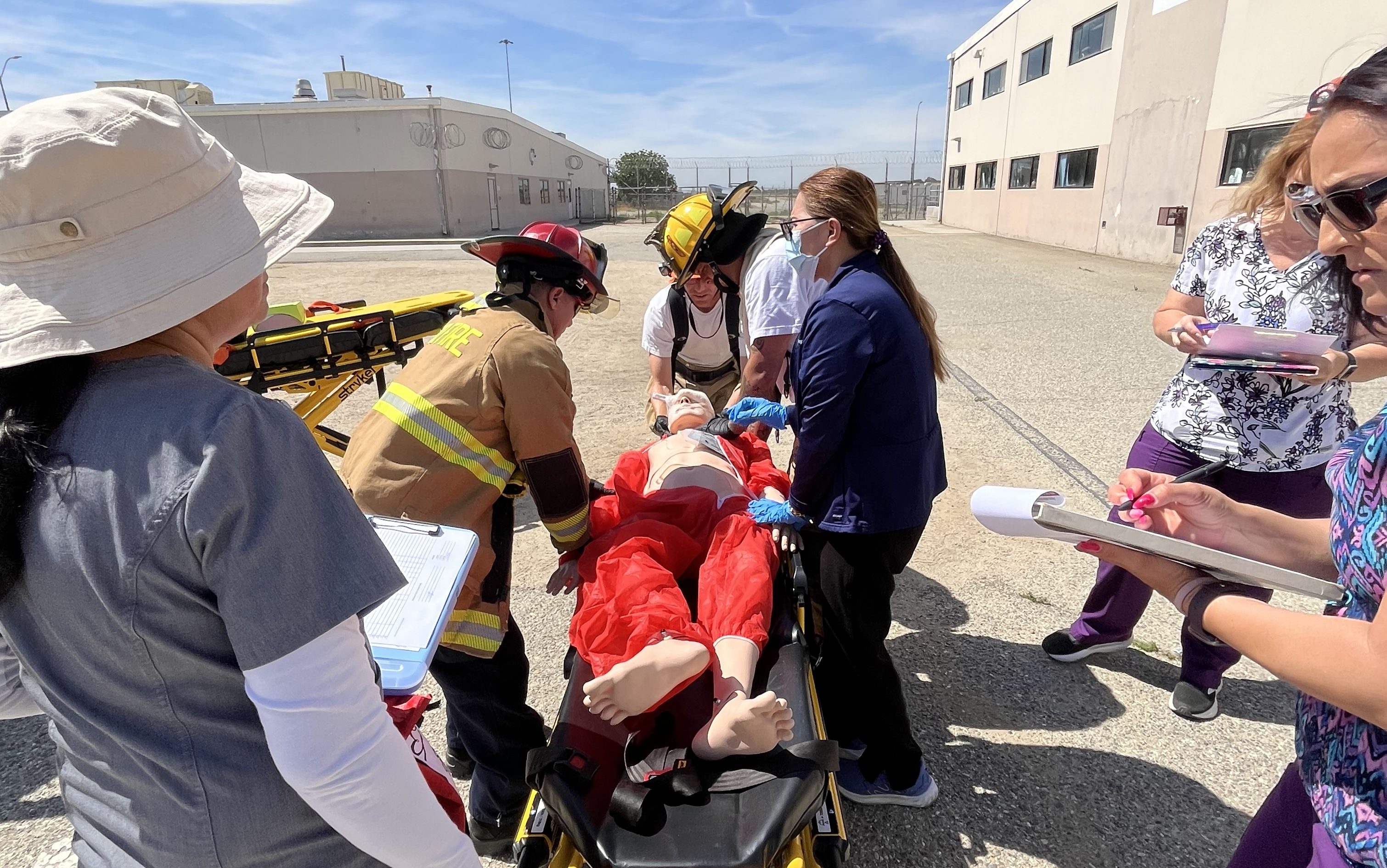
WSP‑RC holds joint emergency responder training
Wasco State Prison-Reception Center (WSP-RC) held simulated lifesaving medical emergency responder training. The drill was held in the minimum support…
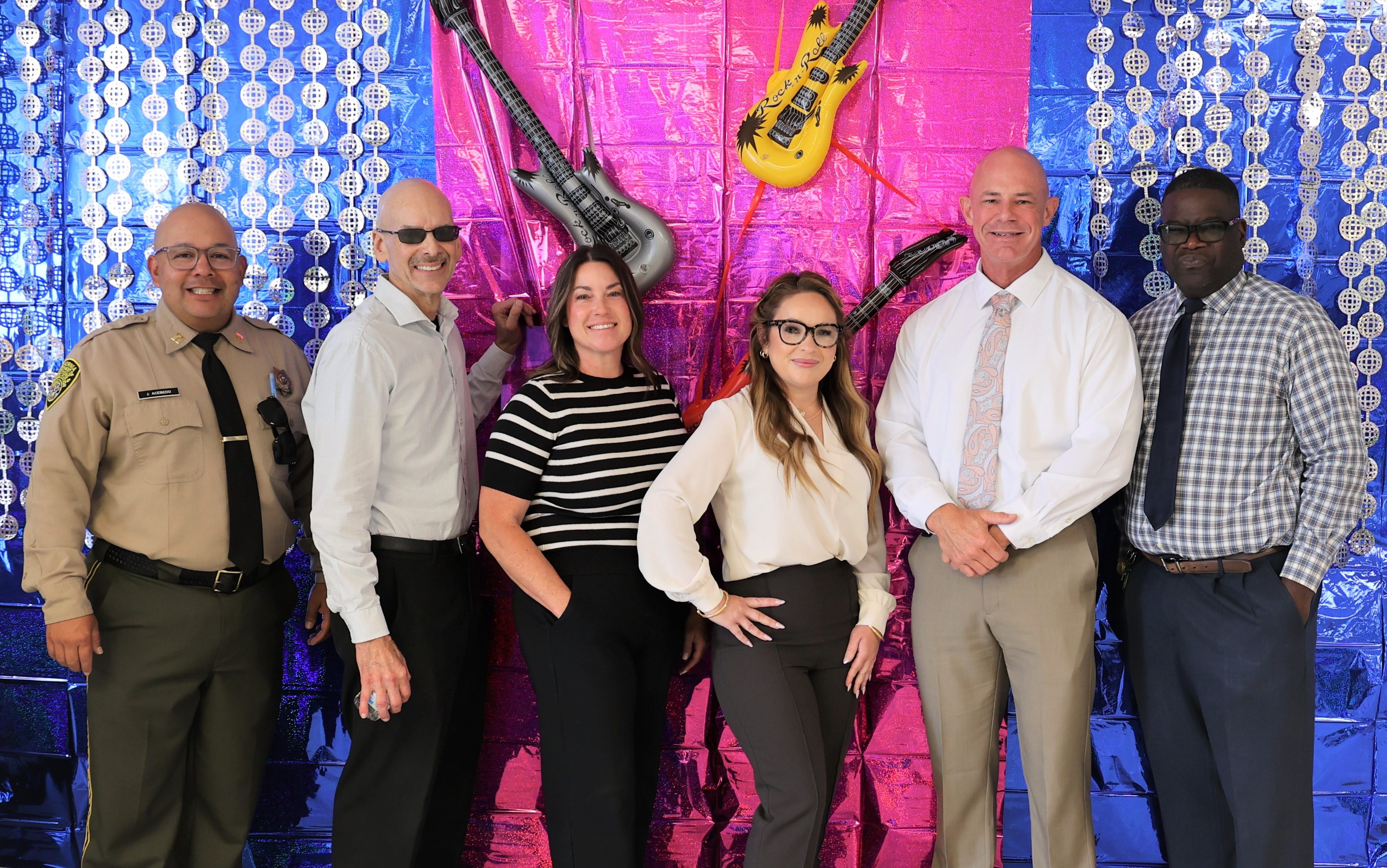
Kern Valley State Prison celebrates Nurses Week 2026
Kern Valley State Prison (KVSP) in Delano recently celebrated Nurses Week 2026 with food, fun and entertainment. According to organizers,…

CRC‑Norco hosts Last Rodeo for Nurses Week celebration
The California Rehabilitation Center (CRC) at Norco recently hosted the Last Rodeo in honor of National Nurses Week. CRC showed…