

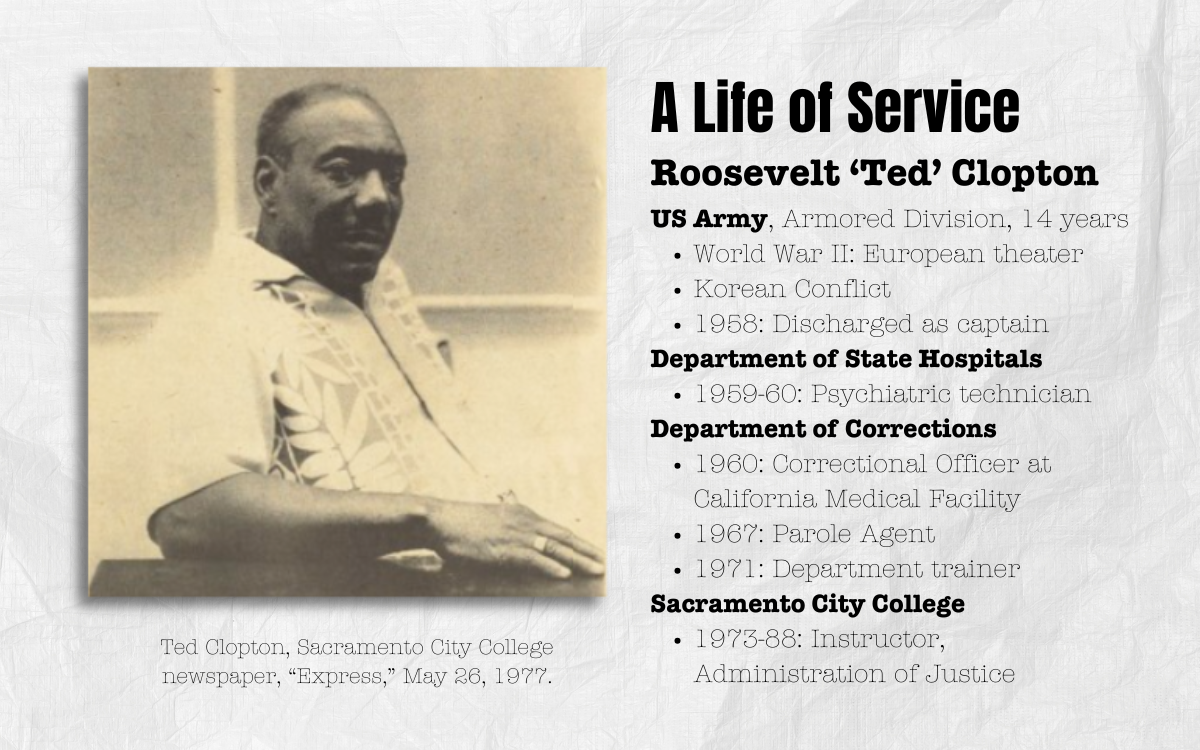
For military veteran Roosevelt “Ted” Clopton, being a lifelong student guided his choices from joining the Army to becoming a correctional officer and parole agent.
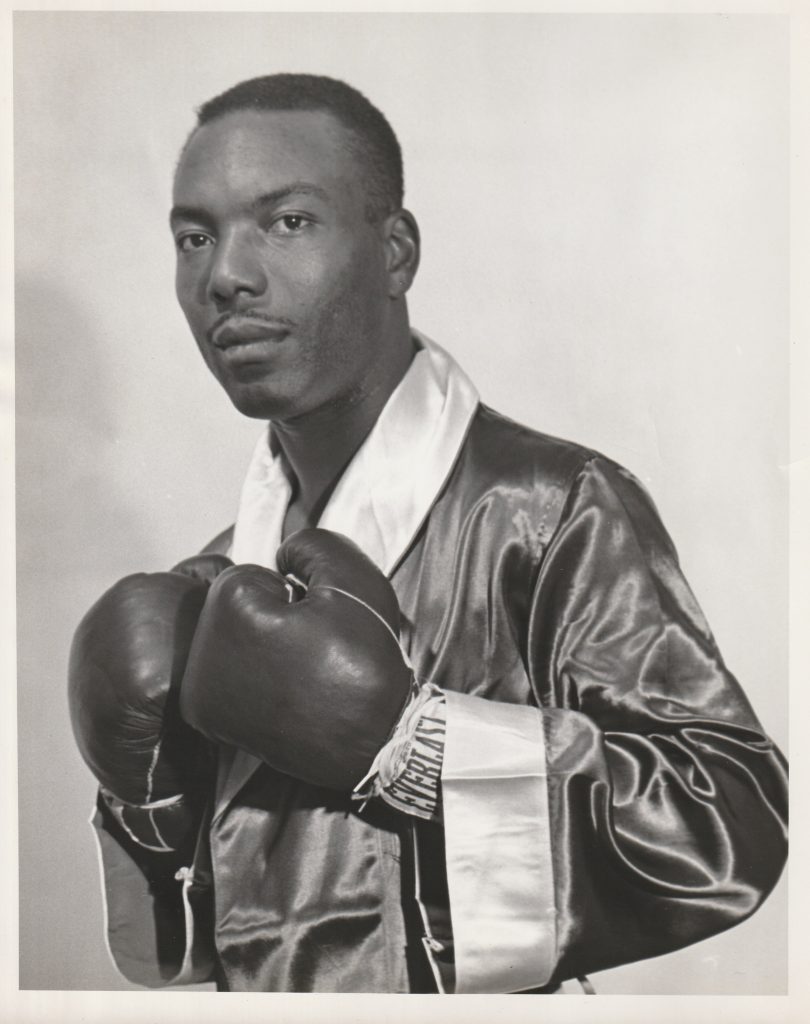
Raised in Texas, he enlisted in the military toward the end of World War II. He served 14 years in the US Army before being discharged as a captain in 1958.
After his military career, he went to work as a psychiatric technician at Patton State Hospital in Southern California. Then, Clopton joined the California Department of Corrections in November 1960 as a correctional officer at California Medical Facility in Vacaville.
According to records, he was one of a half-dozen black correctional officers employed at the institution.
He later went on to serve as a parole agent in Riverside and an instructor at Sacramento City College.
Editor’s note: Special thanks to Barbara Clopton for supplying photographs and offering her thoughts on her father’s long career.
Roosevelt ‘Ted’ Clopton: ‘Man of many hobbies’
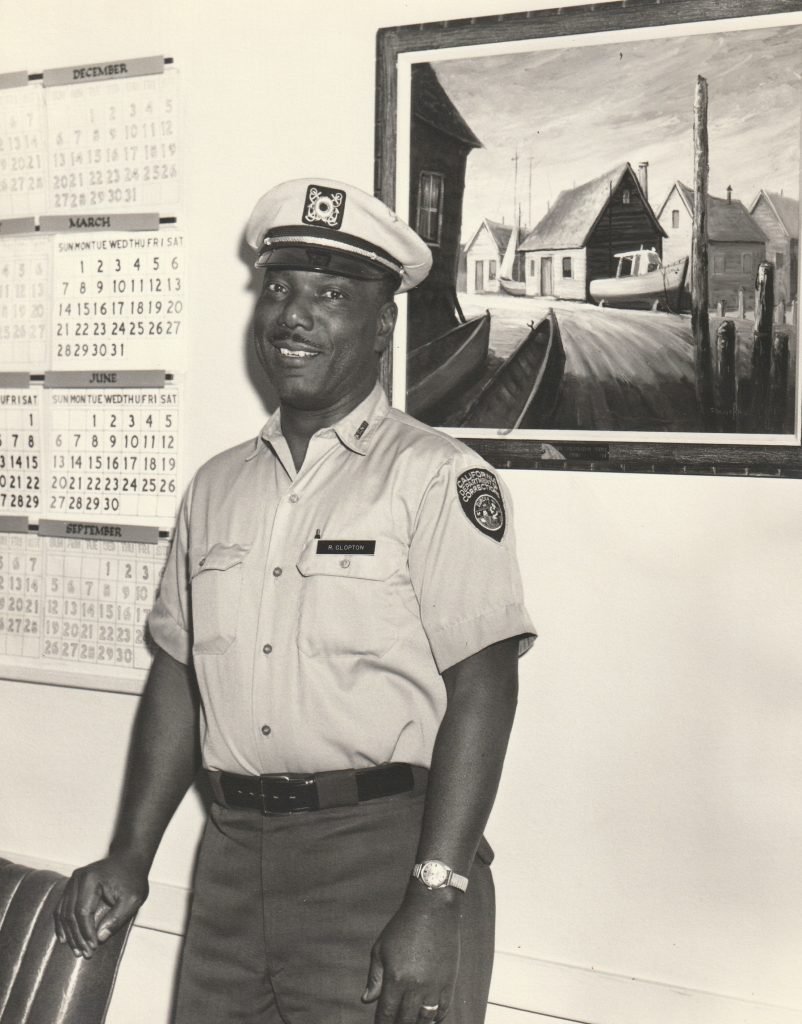
According to news accounts, Clopton enjoyed many outside activities.
“A man of many hobbies is Roosevelt Clopton, who is busy redecorating the apartment he has taken in Vacaville before the arrival of his wife, Minnie, from their former home in San Bernardino,” reported the Vacaville Reporter, Feb. 5, 1961.
“Clopton has a deep interest in photography, doing his own developing, printing and enlarging. In what spare time he has, he enjoys flying and has held a private pilot’s license for four years.
“He is planning to teach Mrs. Clopton to fly after her arrival here. (Clopton) has also enrolled at Vallejo Junior College for the spring semester.”
He also participated in creative endeavors, such as performing in a 1963 theatrical production of “Aria de Capo,” a play highlighting differences among individuals.
Graduating with other department staff
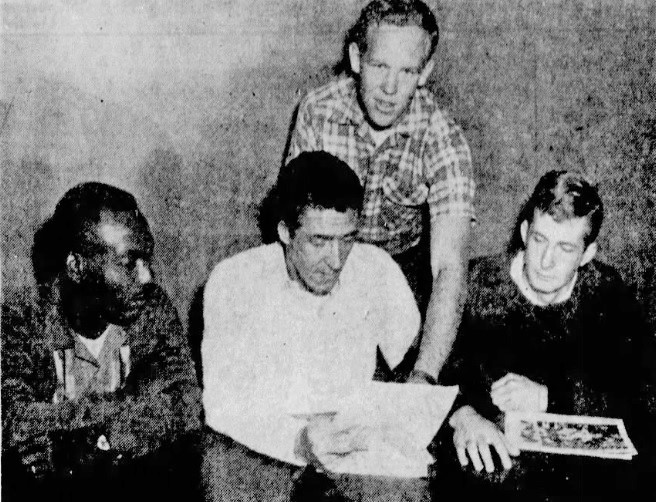
While attending college, he served as assistant editor for Viva, the college’s student newspaper.
Three years later, he and four other CMF employees received associate degrees from the college.
“(Clopton and four other employees) were commended by the institution’s superintendent, Dr. William Keating, Jr.,” reported the Vacaville Reporter, June 20, 1963. “The five men completed college training under an employee program utilized by the (department) that encourages staff members to further their educations in their career specialties. All received individual commendations from Dr. Keating.”
Clopton, Medical Technical Assistant S.N. Rosata and Sgt. Wayne Livesay earned associate’s degrees.
In addition to those degrees, Sgt. K.V. Martin and Personnel Training Officer D.J. McCarthy also earned bachelor’s degrees in correctional work and administration from Sacramento State University.
Working in parole
By the mid-1960s, Clopton had become a parole agent.

“Correctional Counselor R.E. Doran and Roosevelt Clopton, a parole agent from Riverside, addressed the Fontana Rotary Club at its meeting this week,” reported The Sun, Aug. 9, 1967.
At the time, there were 14 institutions and 37 conservation camps.
The pair shared information about rehabilitation inside the institutions and those in the community.
According to Clopton, “community centers, half-way houses, short-term return, greater use of local resources, work furloughs, and differential parole supervision” were correctional trends.
“Clopton explained (there are) three parole officers (who) serve the Fontana area: one in Ontario and two in Riverside,” the newspaper reported.
“He enjoyed his job working with parolees with the goal of reducing recidivism,” said his daughter, Barbara Clopton, who is also a state employee. “This was in the 1960s, before ankle monitors. He chased a lot of clients who missed their appointments.”
She recalled one time during her eighth birthday party when her father had to leave early.
“A parolee was drunk in a bar. He let my father’s card slip out of his wallet (so) the bar owner called my father to come pick him up,” she said.
Clopton was devoted to his family and his career.
“He was dedicated to his job. He once had to fly to Hawaii to escort his parolee back to California when the man was apprehended after robbing a bank in Honolulu,” Barbara said.
Meanwhile, Minnie Clopton served as a social worker for San Bernardino County and was heavily involved in organizations combating hunger.
Continuing education as an instructor
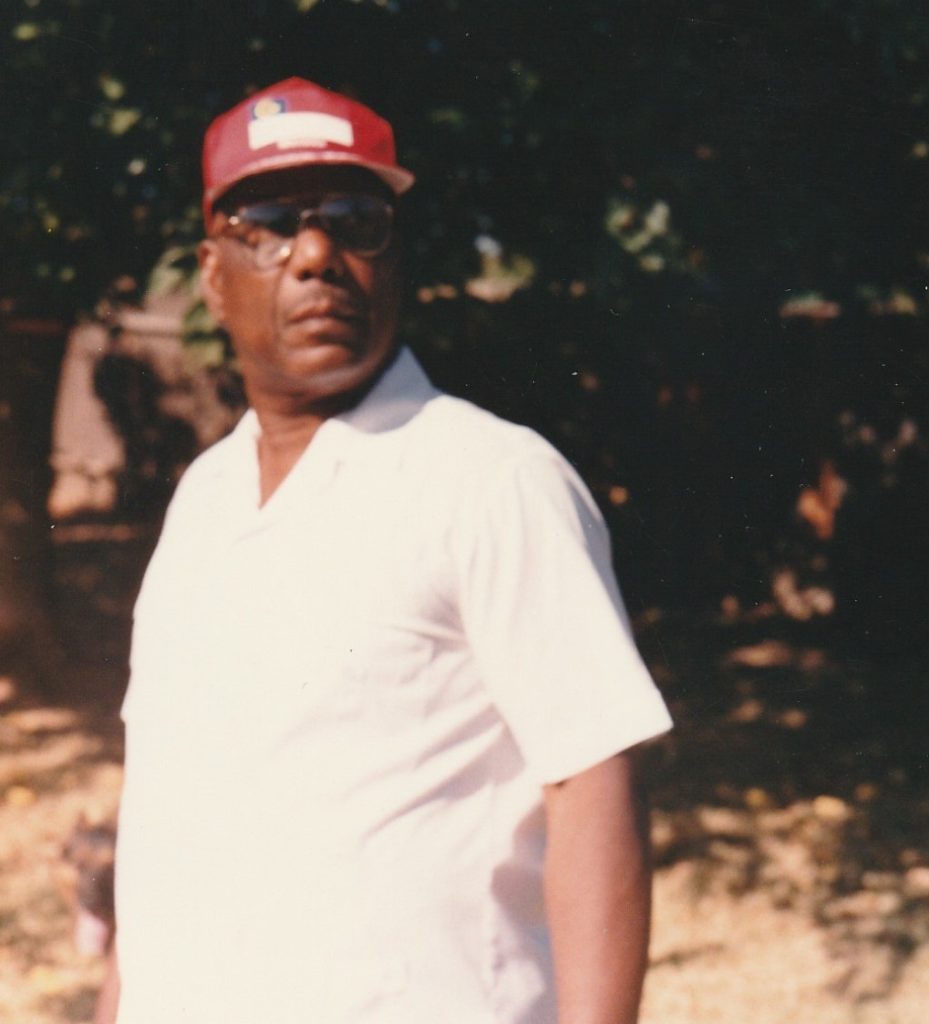
Around 1971, he transferred to headquarters in Sacramento where he served as the departmental training officer. His interest in education continued when Sacramento City College came knocking.
The college chose to expand their police course, rebranding it as the administration of justice department. As someone with years of experience, the college turned to Clopton for advice.
“Some of the staff members at the college asked questions about what should be added or what would I recommend,” he said in a 1988 recorded interview found on the Internet Archive. “After (this) was done, they invited me out to lunch one day. I thought it was just a sort of a thank-you gesture. (Instead), the suggestion was made that I put in an application to work (at the college).”
In 1972, Clopton became one of the instructors for the college’s administration of justice program, helping shape the next generation of law enforcement and correctional staff.
Shifting demographics during college career
“(In) the first class I had (there was) one woman and 34 men (with only) two or three black students,” he explained. “The rest were all white males. This was just a traditional thing in this field. Many of (them) were sheriff’s deputies already in service who were going to school to upgrade their education and to get pay incentives. Many were Vietnam veterans for the purpose of the GI bill.”
By 1988, when he was interviewed by the college just before his retirement, he said the composition of his classes had shifted. Very few were military veterans, most were not current law enforcement, and more than half the class was female. Also, he said more than half the class was part of an ethnic minority.
The state’s first female sergeant, Bonnie Gariby, was one of his students, he told the college newspaper in 1977. She worked at the Correctional Training Facility in Soledad. By May 1977, he had already helped place 25 former students into correctional officer positions at Folsom, Soledad, and Vacaville.
Looking ahead after retiring from college
Clopton encouraged his students to consider correctional careers.
“Many students who probably would not have looked at corrections as a career or job opportunity have done so because of having had classes with me,” he explained.
Clopton also coached students to help them through the application and hiring process.
“There are literally hundreds of people working in the field of corrections who would not have been had they not come through my classes,” he said.
Looked forward to serving others after retiring
Rather than being involved in professional organizations throughout his long career, he said his focus was always more on service groups, including Kiwanis.
According to his daughter, Clopton loved music, particularly jazz and country.
“His favorites being Dizzy Gillespie, Johnny Cash and Willie Nelson. When I asked him what got him into country music, he replied, ‘I listened to the music my clients listen to,'” Barbarba Clopton said.
In retirement, he planned to work with children through the Pearl S. Buck Foundation, today known as Pearl S. Buck International. The organization is dedicated to bridging cultures and improving the lives of children worldwide.
He said it would take 18 months to onboard with the foundation and dig into what he would be doing.
Unfortunately, Clopton passed away July 9, 1991, at age 64. He is buried at the East Lawn Memorial Park cemetery in Sacramento. His wife, Minnie, passed away in 2012 at age 77. She is buried by his side.
“From the cotton fields of Texas and enlisting as a teenager to cross the Atlantic Ocean in a battleship at the end of World War II, to becoming a respected civil servant and beloved professor, Ted Clopton was a remarkable man,” his daughter said. “I thank CDCR for giving him the opportunities and experiences which helped shape him into the man he became.”
By Don Chaddock, Inside CDCR editor
Office of Public and Employee Communications
Follow CDCR on YouTube, Facebook, X (formerly Twitter). Listen to the CDCR Unlocked podcast.
Learn more about California prison history.
Explore CDCR history
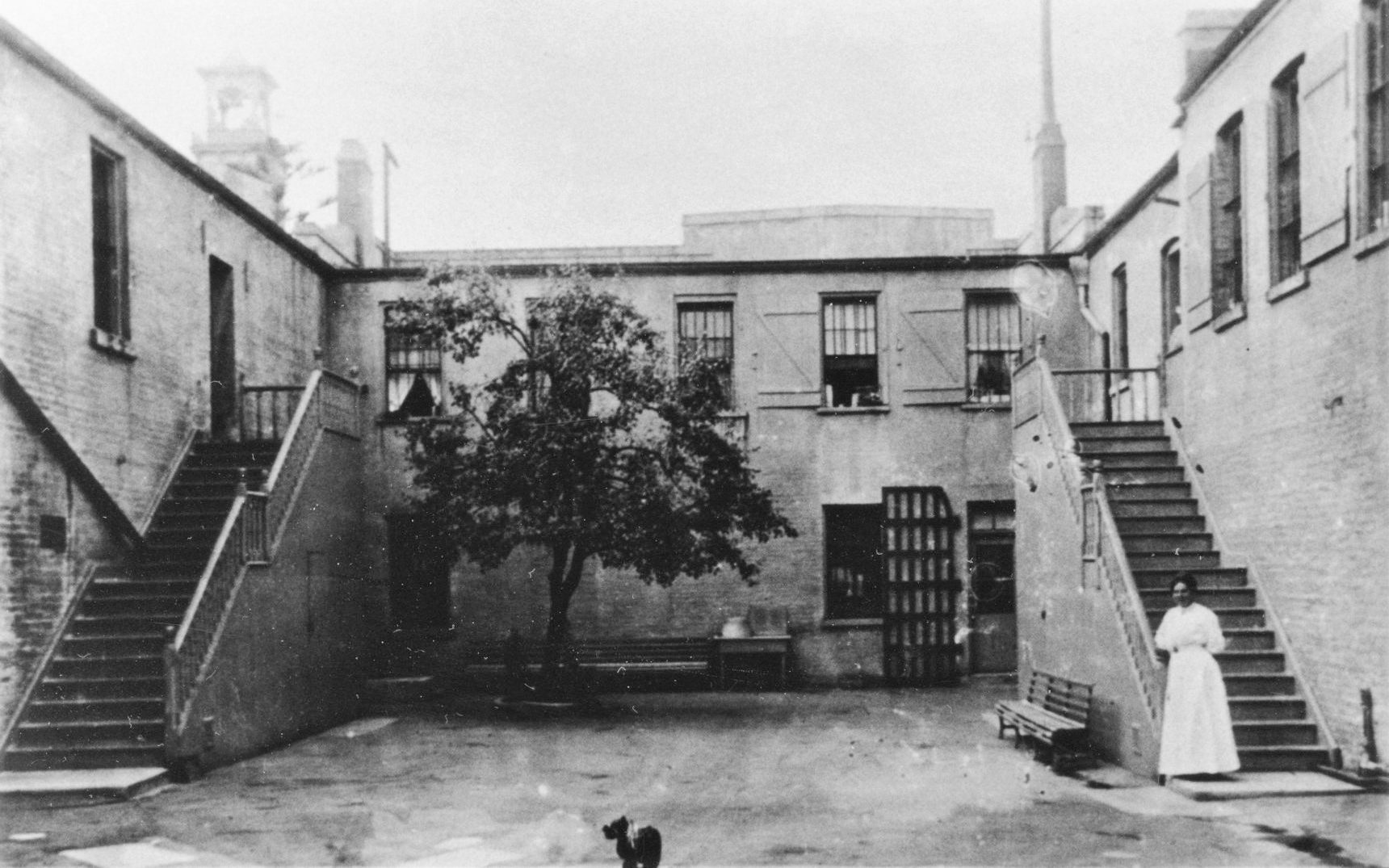
Meet the first matrons of San Quentin
With 15 women incarcerated at San Quentin in the mid-1880s, the state decided to create a matron position to oversee…
Roosevelt Clopton served state as officer, agent
For military veteran Roosevelt “Ted” Clopton, being a lifelong student guided his choices from joining the Army to becoming a…
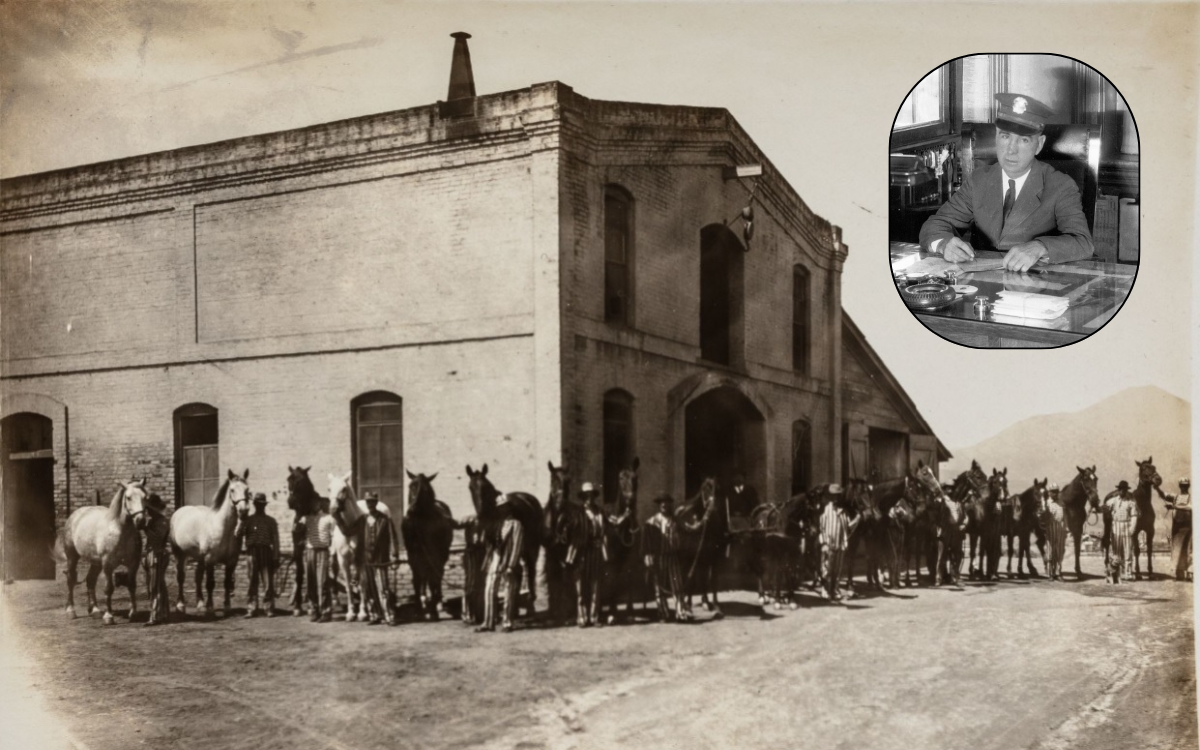
SQ Captain Rivera Smith served nearly 4 decades
Rivera Smith was the longest serving staff member at San Quentin (SQ) when he passed away in 1950, serving nearly…
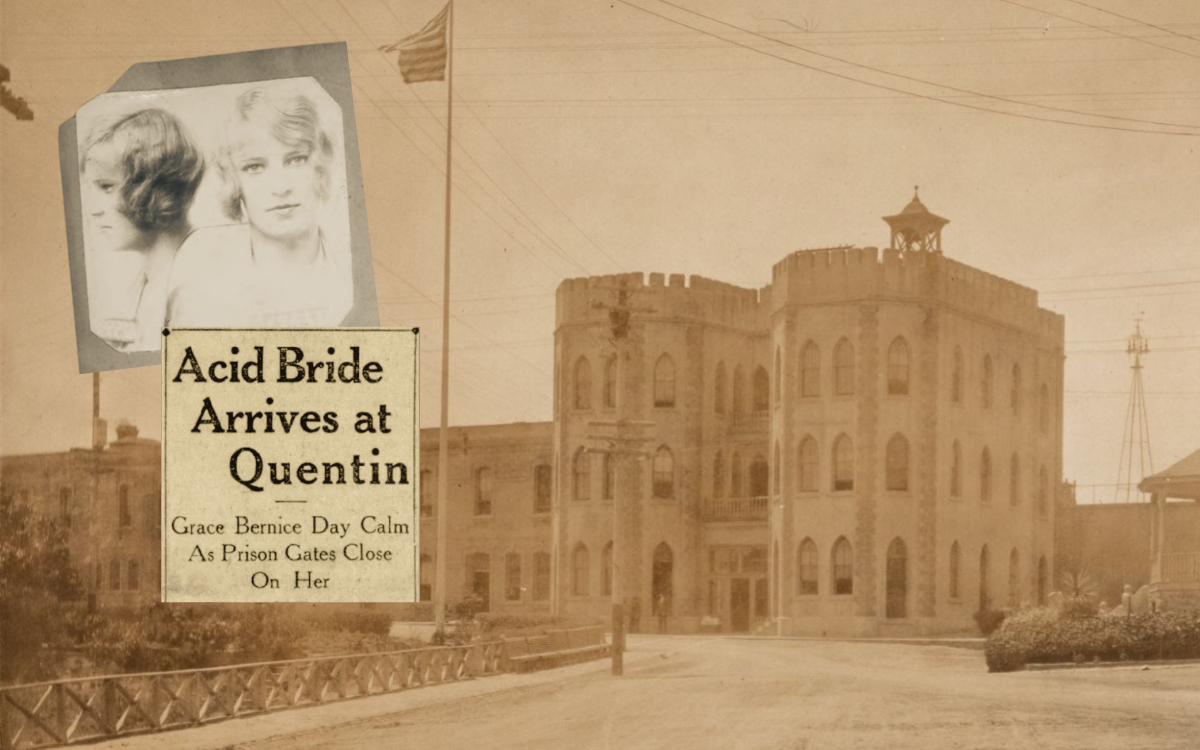
Echoes from the Past: Restoring history’s missing pages
While researching stories for the Unlocking History series, we often find damaged documents, missing photos, or incomplete information. One example…
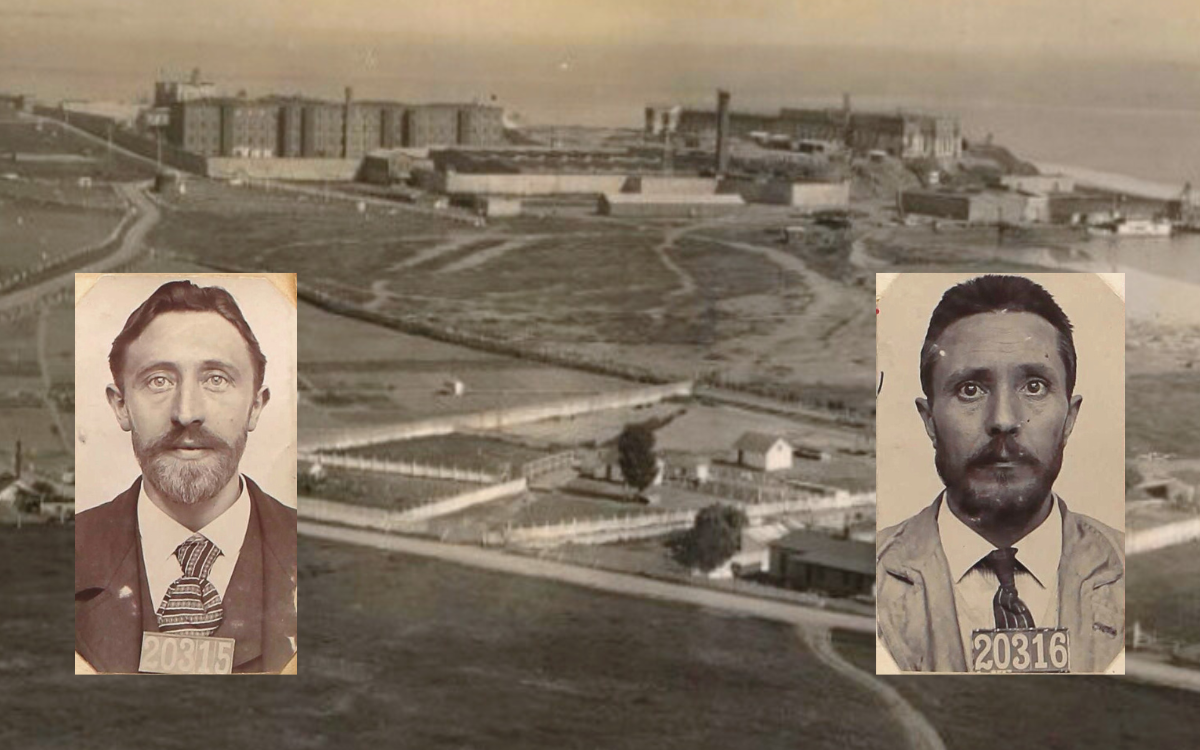
Family seeks information on 1903 counterfeiter
A recent question came across the Inside CDCR desk regarding a counterfeiter who was incarcerated at San Quentin in 1903.…