

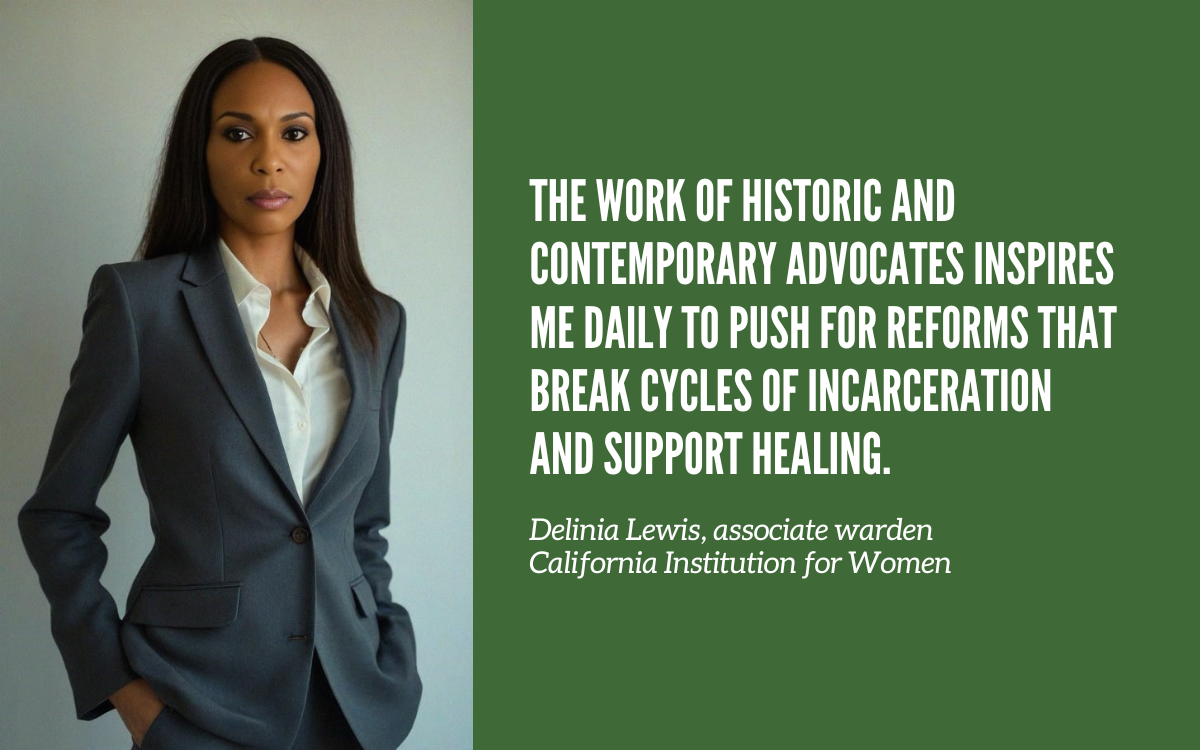
For Associate Warden (AW) Delinia Lewis, Black History Month holds special meaning as a woman of color who has risen to the role of correctional administrator within CDCR.
“This is a time to honor the legacy of Black leaders and to reflect on my journey through a historically challenging landscape, both as a woman and as a person of color in corrections leadership,” Lewis said.
Since 2008, Lewis has helped the department fulfill its mission of achieving public safety through rehabilitation. Today she’s associate warden of Custody Operations, Housing and Program Services at California Institution for Women in Corona.
Inside CDCR caught up with Lewis to discuss her career and the importance of Black History Month.
Q&A with Associate Warden Delinia Lewis
What positions have you held in the department?
My career path within CDCR has involved serving in critical roles, including correctional administrator at the California Institution for Women (CIW) and the Richard J. Donovan Correctional Facility in San Diego. I have also served as acting chief deputy administrator at CIW.
What have you learned from serving in such a mix of roles?
Each position has challenged me to navigate complex institutional dynamics, foster collaboration with diverse stakeholders, and address difficult issues. These could range from institutional programs to employee relations. These experiences have strengthened my ability to lead strategic, impactful initiatives serving the internal CDCR community as well as those we are entrusted to care for and rehabilitate.
A pivotal opportunity afforded to me by CDCR was the chance to participate in the California Peace Officer Standards and Training (POST) Command College program. This prestigious 14-month, master’s-level leadership program equips law enforcement and correctional leaders with a forward-thinking mindset focusing on futures forecasting, innovation, and organizational leadership.
The experience deepened my education and broadened my perspective on leading in complex environments, enabling me to better anticipate challenges and implement strategic solutions. Command College’s emphasis on collaboration across agencies and exposure to contemporary issues has been instrumental in enhancing my leadership capacity.
AW Lewis: Black History Month is ‘reminder of pioneering spirit’
Why is it important to observe Black History Month?
Black History Month serves as a powerful reminder of the resilience and pioneering spirit of Black individuals who paved the way in the face of systemic barriers and injustice. In the corrections system, with a complicated history intertwined with racial disparities, my leadership role carries the responsibility to promote equity and offer meaningful opportunities for rehabilitation and growth.
The work of historic and contemporary advocates inspires me daily to push for reforms that break cycles of incarceration and support healing.
My role requires managing a broad scope of programs, correctional, educational, medical, and rehabilitative, to shape better outcomes for incarcerated individuals. Recognizing that many people we serve face systemic challenges, including disproportionate impacts on communities of color, I am committed to fostering programs that address underlying needs such as substance use treatment, education, and vocational training. Such efforts are crucial in reducing recidivism and improving reentry pathways, which aligns with CDCR’s rehabilitative mission.
Moreover, as a woman-of-color leader, I recognize the importance of representation and mentorship. Black History Month inspires me to uplift others, especially women and people of color aspiring to leadership within corrections or public service. Seeing leadership that reflects one’s identity can transform aspirations into achievements. My journey is a testament that dedication, resilience, and the cultivation of strong relationships with stakeholders can create pathways for lasting impact.
‘Honor the past while shaping the future’
Anything else you’d like to add?
Ultimately, Black History Month is a call to honor the past while actively shaping a more just and equitable future. It empowers me to continue this vital work within the correctional system, embodying leadership that not only manages but transforms. It also reinforces my commitment to strategic and compassionate stewardship of the CDCR, striving every day to create positive change within California’s correctional institutions and communities.
In this way, Black History Month is profoundly personal and professionally motivating, for it connects my story to the wider history of struggle, achievement, and hope for a more equitable justice system.
Story by Don Chaddock, Inside CDCR editor
Follow CDCR on YouTube, Facebook, X (formerly Twitter).
See more stories highlighting CDCR/CCHCS staff.
Related content

Pelican Bay hosts annual Employee Appreciation Day
The annual Employee Appreciation Day at Pelican Bay State Prison (PBSP) in Crescent City brought staff together for camaraderie, competition…

CHCF thanks staff through third annual automotive show
The California Health Care Facility (CHCF) in Stockton recently hosted its third annual automotive show. This event provides staff with…
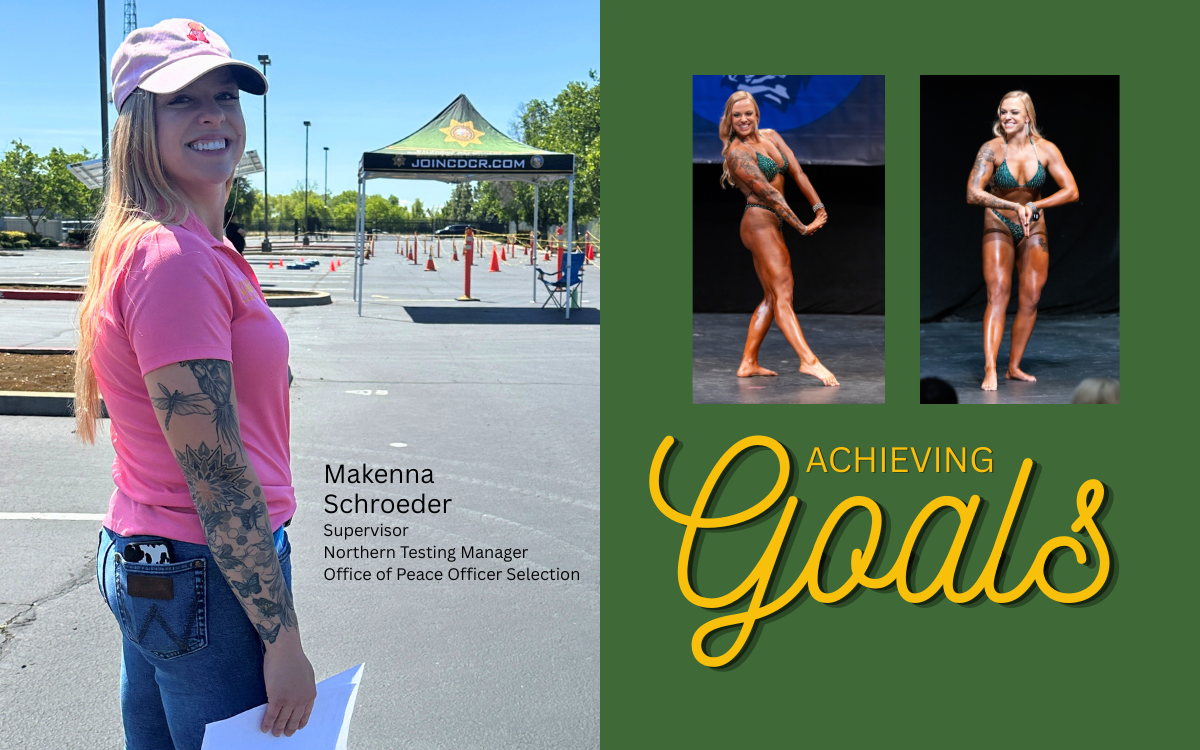
Meet Makenna Schroeder, OPOS northern testing manager
Makenna Schroeder, a supervisor serving as the northern testing manager for the Office of Peace Officer Selection (OPOS), strengthens CDCR’s…
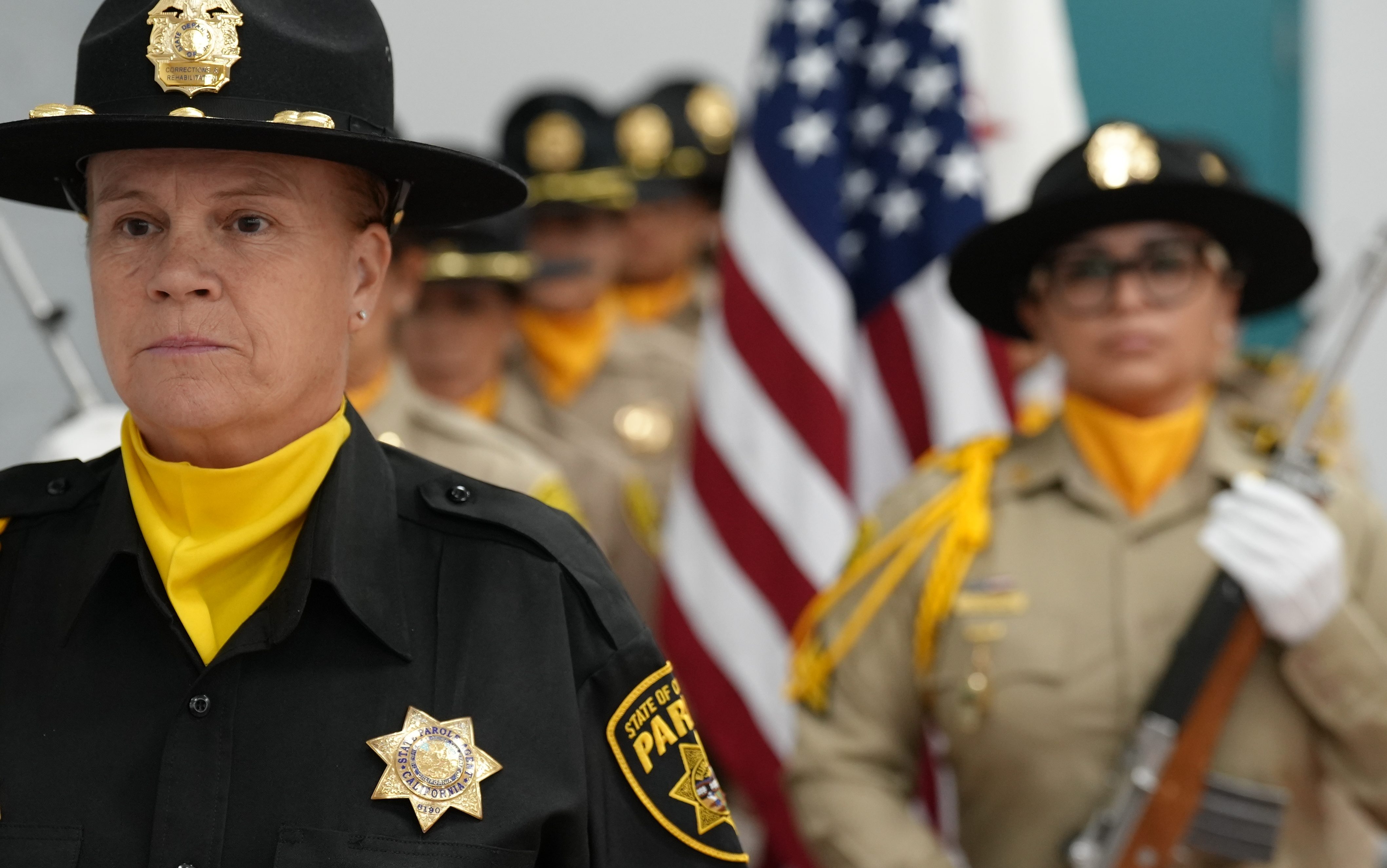
CCWF leaders host Women in Law Enforcement Symposium
Leaders from Central California Women’s Facility (CCWF) in Chowchilla hosted the second Women in Law Enforcement Symposium. Wendy Enos, chief…
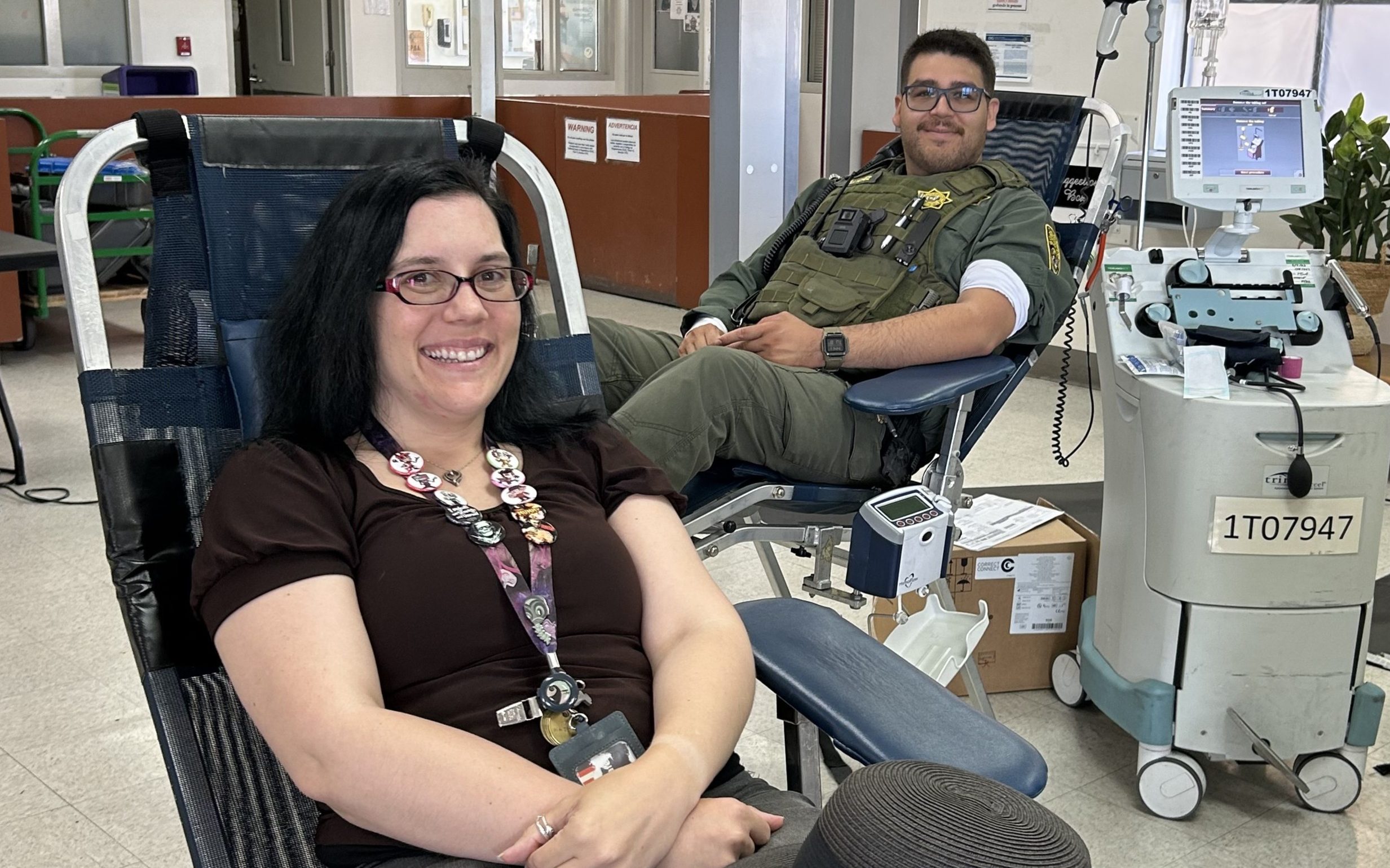
RJD staff roll up sleeves to donate blood
RJ Donovan (RJD) Correctional Facility staff members rolled up their sleeves to support the community by donating life-saving blood to…
California Men’s Colony hosts staff Family Day
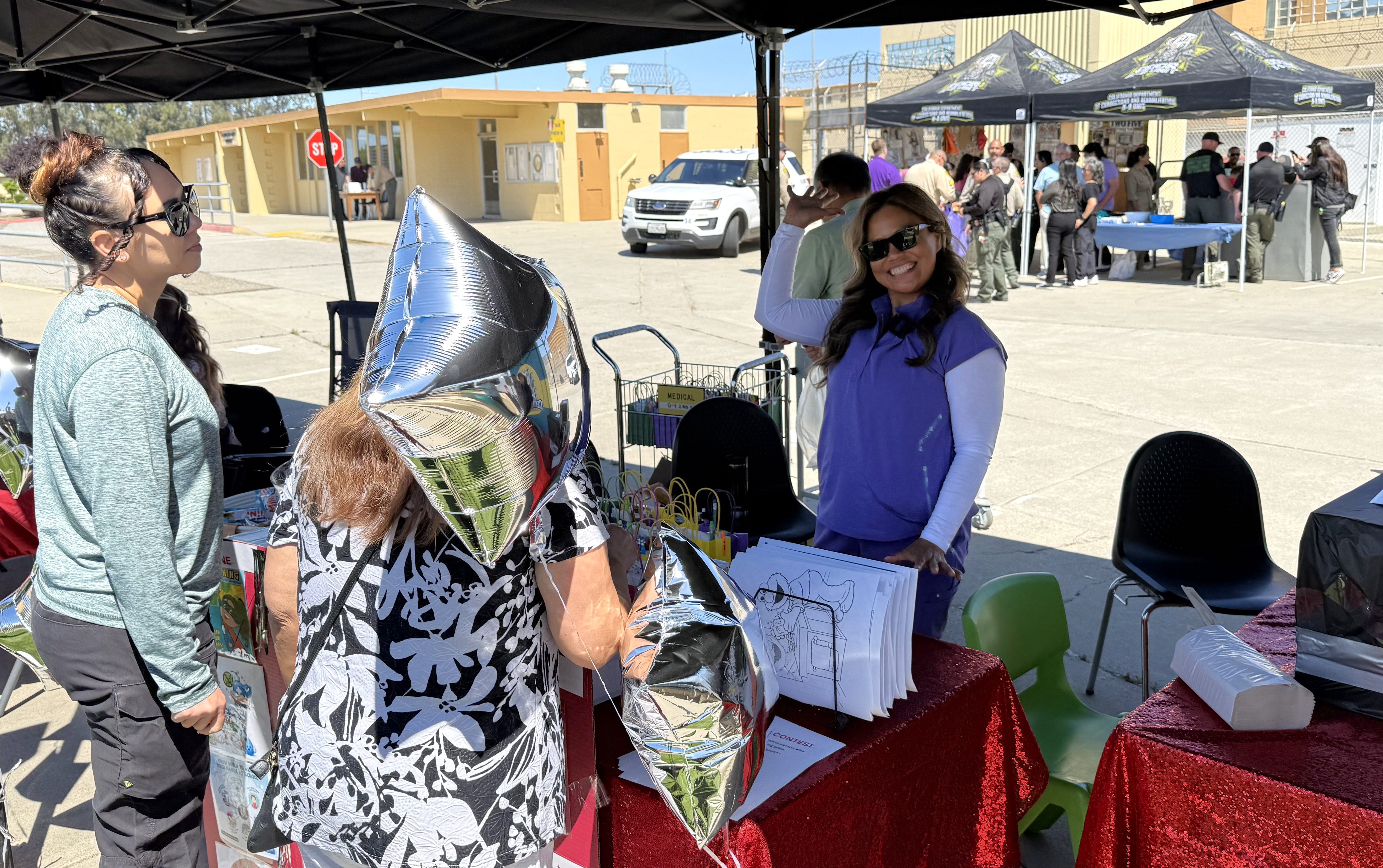
California Men’s Colony (CMC) in San Luis Obispo hosted staff Family Day, offering families a closer look at the institution.…