

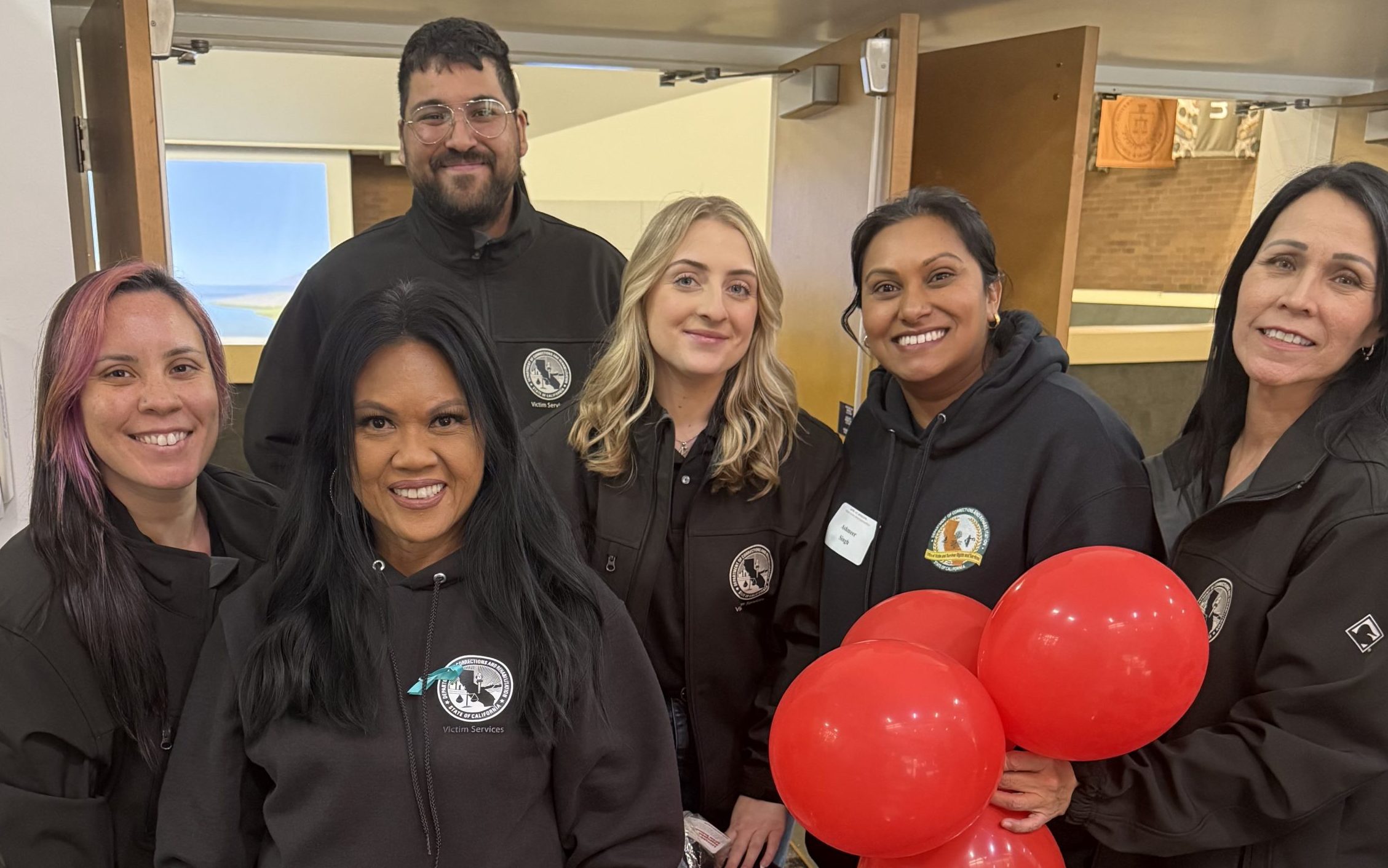
Since 1988, CDCR’s Office of Victim and Survivor Rights and Services (OVSRS) has worked to bridge gaps in accessing information about legal rights for victims and their families. This often requires direct, hands-on support for victims to overcome personal obstacles, including language barriers and limited technological accessibility.
OVSRS staff member Ana Mejia recalls supporting the family of a victim who wanted to tell their story during an upcoming parole hearing.
“I assisted an elderly victim who only spoke Spanish and was very interested in participating in the hearing,” Mejia said. “I registered her, explained the parole hearing process, and went over the Victim Services Liaison support role. We scheduled a videoconference to ensure she could participate virtually.”
Office offers support
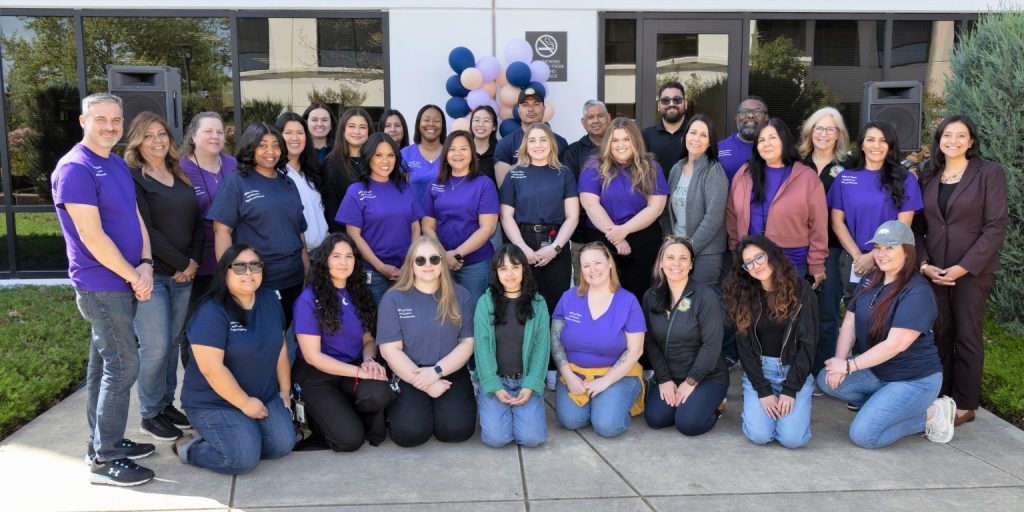
OVSRS’s top priority is supporting crime victims, survivors, and their families. The team makes certain victims are treated with respect and have access to resources and services fostering healing, accountability, and justice.
Even in cases where the victim has not been identified, OVSRS works to ensure victims and communities receive the support they are legally entitled to.
OVSRS staff member Kenya Dogon was able to assist a victim who was unaware of their right to restitution.
“In an unknown case, there was about $22,000 owed to a victim of fraud. I located her through an outside system and sent her an unknown victim letter from our restitution unit,” Dogon said. “She responded a couple of weeks later and I was able to confirm she was the correct victim. She said she thought she would never get her money back.”
OVSRS helps crime victims, survivors and their families enforce their rights and access services. These include opportunities to participate in parole hearings, as well as collect restitution and other services. In 2025, OVSRS was in contact with more than 40,000 victims and families.
Story by Kamarri Dates, information officer
Office of Public and Employee Communications
Follow CDCR on YouTube, Facebook, X (formerly Twitter).
Read more stories on the Office of Victim and Survivor Rights and Services.