

Folsom State Prison (FSP), Represa CA
Main Phone: (916) 985-2561
Physical Address: 300 Prison Road, Represa, CA 95671 (Directions)
General Mailing: P.O. Box 910, Represa, CA 95671
Inmate Mailing (all facilities): P.O. Box 715071, Represa, CA 95671
Visiting an incarcerated person: learn how to visit an incarcerated person at our institutions.
Other Resources: explore family & friends resources, including how to contact or send packages to those incarcerated in our institutions.
- PIA: License Plate Factory, Sign Shop, Furniture Shop, Metal Fabrication, Print Shop and Digital Services (Mapping).
- PIA Modular Building Enterprise and Pre-Apprenticeship Program.
- Vocational: Masonry, Building Maintenance, Office Services, Welding, (AWS Standards), and Auto Mechanics (ASE Certification).
- Academic: Adult Basic Education (ABE), General Education Development, (GED), Adult High School (AHS), English as a Second Language.
- Other Programs: Correctional Learning Network (CLN), Community Crews, Self Help Groups (AA/NA), Youth Diversion, Parenting, Fitness For Life, Healthful Living, Parenting, Library, correspondence courses, Military Veteran’s Group, and college programs.
- Alpha Re-Entry Program: Offers life skills that include parenting, celebration of recovery, alcohol, drug and other addictive behaviors, preparing inmates for re-entry into their families and communities.
- California New Start Prison to Employment Transition Program: A pre-release employment program for eligible inmates. The program consist of a 4 week 70 hour curriculum consisting of: transition planning, job search techniques, job applications, resume writing, interview preparation, financial literacy and One Stop Career Center orientation.
DRP Programs
Integrated Substance Use Disorder Treatment (ISUDT)–Overview
On January 21, 2020, the California Department of Corrections and Rehabilitation (CDCR) and California Correctional Health Care Services (CCHCS) implemented ISUDT. ISUDT is a comprehensive and evidence-based cross-divisional program with pathways to treatment through DRP Cognitive Behavioral Interventions (CBI) programs referred to as:
CBI-Intensive Outpatient (Medical Classification T1, SOMS assignment code ISI) 2-hours/day, 5-days/week, 52-weeks completion
CBI-Outpatient (Medical Classification T2, SOMS assignment code ISO) 2-hours/day, 3-days/week, 14-weeks completion
CBI-Life Skills (Medical Classification T3, SOMS assignment code CB2) 2-hours/day, 3-days/week, 29-weeks completion
All participants will be assessed by medical and referred to one of the CBI classes.
Family Liaison Service Specialist
CDCR provides through a contract with a community-based organization an on-site Case Manager as a family reunification liaison for inmates and family members, to assist with an inmates pre-release preparation; and conduct Parenting and Creative Conflict Resolution classes for inmates. Please call the Institution to contact the Family Reunification Liaison.
Voted the best place to raise a family in a 2016 survey, Folsom is the home of historic Folsom State Prison. A few minutes away is Folsom Lake and Folsom Dam, great outdoor locations to boat, swim, hike and picnic, along with the most scenic and demanding bike trails in Northern California. Also, because of Folsom’s central location, it provides residents easy access to both the snow and winter fun of South Lake Tahoe and the cool ocean breeze and big city atmosphere of San Francisco. All of these perks come together making Folsom a great place to live, work, and play!


DETAILS
Folsom State Prison A Facility houses medium custody inmates. Folsom State Prison also includes a Minimum Support Facility.
HISTORY
California’s second oldest prison, Folsom State Prison (FSP), primarily houses Medium Security General Population Level II and Level III male inmates. Additionally, Folsom houses Minimum Security Level I male inmates within a minimum security facility located just outside of the main security perimeter. Folsom offers Rehabilitative programs, to include academic courses and career technical education, which are provided through Folsom’s Greystone Adult School.
The California Legislature authorized the construction of Folsom State Prison in 1858. Twenty years later, in 1878, construction began on one of the nations first maximum-security prisons. On July 26, 1880, Folsom received its first 44 inmates. The inmates were transferred by boat from San Quentin State Prison to Sacramento and then by train from Sacramento to the prison.
Folsom State Prison’s location was selected due to an unlimited amount of native granite stone for building the prison. Also, the American River offered ample water and formed a natural boundary. Inmate laborers built the first dam and canal on the American River, which led to the first hydroelectric power generation for the Sacramento area.
Originally designed to hold inmates serving long sentences, habitual criminals, and incorrigibles, Folsom State Prison quickly gained the reputation of being the end of the line. Prior to the completion of the granite wall in the 1920’s, the prison witnessed numerous escape attempts; the first one occurring shortly after the first inmates arrived in 1880. Throughout Folsom’s violent and bloody history, numerous riots and escape attempts have resulted in both inmate and staff deaths.
The Folsom Museum is located near the entrance of Folsom Prison. Run solely through the support of volunteers, the museum contains an abundance of documents and artifacts from throughout Folsom’s long and colorful history.
Folsom State Prison is California’s second-oldest prison, and one of the nation’s first maximum-security prisons built in the decades following the California Gold Rush.
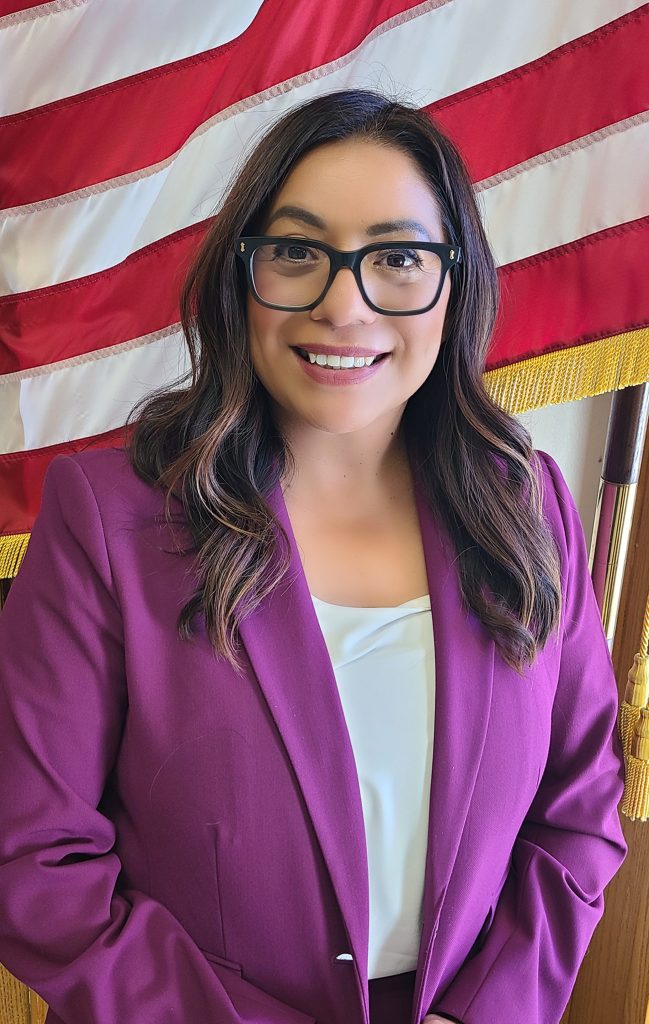
Rosalinda Rosalez serves as the acting Warden at Folsom State Prison. Prior to her new role, she held the position of Chief Deputy Warden at the San Quentin Rehabilitation Center and the Centralized Allegation Resolution Unit (CARU).
Rosalez began her career in corrections when she was 22 years-old, providing legal services to the condemned population at the formerly known San Quentin State Prison. She later served as a policy consultant for prison reform in the California State Senate, addressing overcrowding, racial segregation, conditions of confinement, and juvenile justice. In 2007, she promoted to the role of Ombudsman for adult facilities and the Division of Juvenile Justice (DJJ).
In 2012, Governor Edmund G. Brown appointed Rosalez to the Office of Legislation regarding juvenile justice affairs and in 2015, she was appointed to oversee adult operations. One year later, she served as Special Assistant for Ralph Diaz in both his role as Undersecretary of Operations and Secretary. Her leadership on youth offender laws such as AB 1276, Proposition 57, and the Condemned Inmate Transfer Program regulations reflects a sustained commitment to reform.
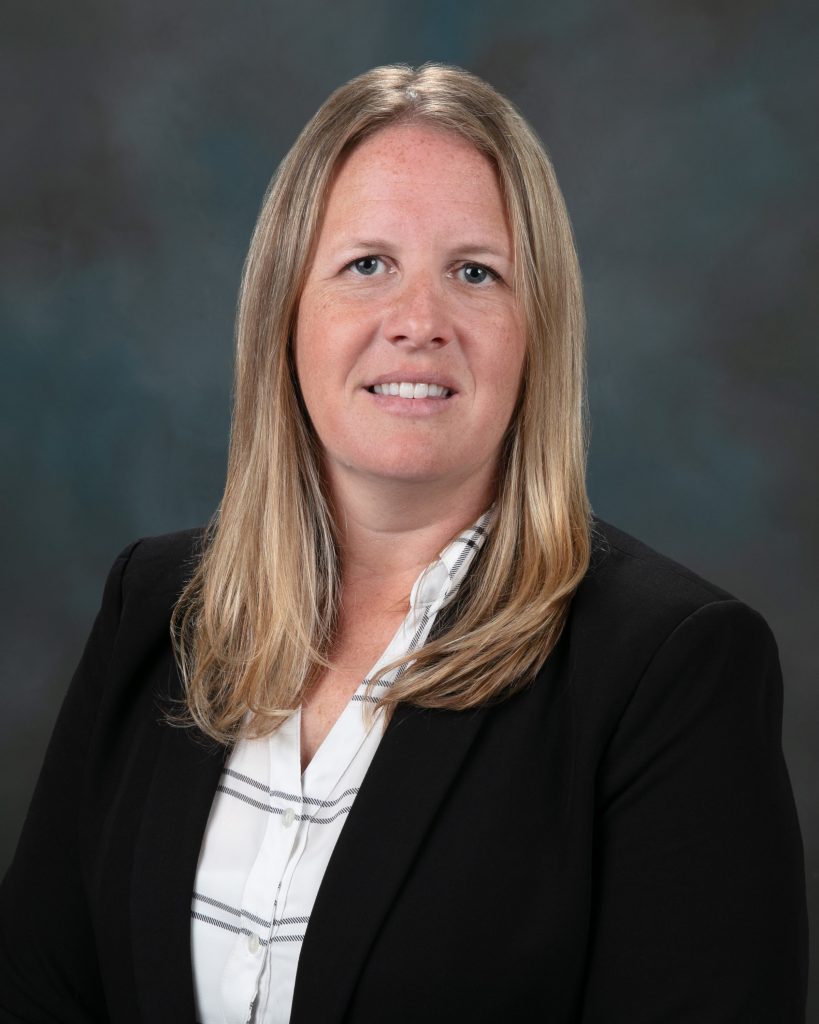
Stefanie Keenan embarked on her career at FSP in 2010, initially serving as an Office Assistant. Her extensive experience in Correctional Health Care spans various areas, including Health Records, Medical Scheduling, Specialty, Dental, and Mental Health. Throughout her tenure at FSP, Stefanie has held several key positions, demonstrating her versatility and commitment to the organization, Office Services Supervisor II, SSA/AGPA, Health Program Specialist I, Correctional Health Services Administrator I (A) and Chief Support Executive.
Stefanie holds a Master’s Degree in Administration of Justice and Security, reflecting her commitment to maintaining safety and order within the correctional environment. Additionally, Stefanie earned a Master’s in Public Administration, equipping her with the knowledge and skills necessary for effective public service. Furthermore, Stefanie is a certified Lean Six Sigma Black Belt, demonstrating her dedication to process improvement and efficiency. Her multifaceted expertise and commitment to excellence make her a valuable asset to FSP and the field of Correctional Health Care.
Local Inmate Family Councils (IFC’s) are a gathering of family and friends of the incarcerated who meet regularly with Wardens to support visiting since keeping strong family connections with loved ones is a powerful rehabilitative tool. These IFC’s promote visiting by clarifying rules and regulations as well as discussing health, education, vocational training, packages, books, and related issues. For more information on connecting with a local IFC, please visit the Statewide IFC website.