

Kern Valley State Prison (KVSP)
Main Phone: (661) 721-6300
Physical Address: 3000 West Cecil Avenue, Delano, CA 93216-6000 (Directions)
Staff Mailing Address:
- P.O. Box 3130, Delano, CA 93216-6000
Inmate Mailing Addresses (by facility)*:
- Facility ‘A’, P.O. Box 5101, Delano, CA 93216
- Facility ‘B’, P.O. Box 5102, Delano, CA 93216
- Facility ‘C’, P.O. Box 5103, Delano, CA 93216
- Facility ‘D’, P.O. Box 5104, Delano, CA 93216
- Facility ‘M’, P.O. Box 5105, Delano, CA 93216
- ASU1, P.O. Box 5107, Delano, CA 93216
- ASU2, P.O. Box 5106, Delano, CA 93216
* Make sure to include inmate’s name and CDCR number as well as last known housing.
Visiting an incarcerated person: learn how to visit an incarcerated person at our institutions.
Other Resources: explore family & friends resources, including how to contact or send packages to those incarcerated in our institutions.
Career Technical Education: Auto Mechanics, Computer Related Technologies, Electronics, Electrical Works, Masonry, Plumbing, Small Engine Repair, and Welding.
- Assessments: General Educational Development (GED) and Test of Adult Basic Education (TABE).
- Certifications: Automotive Service Excellence (ASE), Microsoft Office User Specialist (MOUS): Word, Excel, and Power Point, Outdoor Power Equipment Specialist Association (OPESA), and National Center for Construction Education and Research (NCCER).
Academic: Adult Basic Education (ABE) I, II, III, and GED.
- Assessments: Comprehensive Adult Student Assessment Systems (CASAS), GED, and TABE/
Library: Law and Recreational services available.
Physical Education: Indoor and outdoor tournaments and special events solely for those inmate participants over 55 years of age.
Television Specialist: Monitors the closed circuit television system approved for inmate entertainment, information, and education
DRP Programs
Integrated Substance Use Disorder Treatment (ISUDT)–Overview
On January 21, 2020, the California Department of Corrections and Rehabilitation (CDCR) and California Correctional Health Care Services (CCHCS) implemented ISUDT. ISUDT is a comprehensive and evidence-based cross-divisional program with pathways to treatment through DRP Cognitive Behavioral Interventions (CBI) programs referred to as:
CBI-Intensive Outpatient (Medical Classification T1, SOMS assignment code ISI) 2-hours/day, 5-days/week, 52-weeks completion
CBI-Outpatient (Medical Classification T2, SOMS assignment code ISO) 2-hours/day, 3-days/week, 14-weeks completion
CBI-Life Skills (Medical Classification T3, SOMS assignment code CB2) 2-hours/day, 3-days/week, 29-weeks completion
All participants will be assessed by medical and referred to one of the CBI classes.
Family Liaison Service Specialist
CDCR provides through a contract with a community-based organization an on-site Case Manager as a family reunification liaison for inmates and family members, to assist with an inmates pre-release preparation; and conduct Parenting and Creative Conflict Resolution classes for inmates. Please call the Institution to contact the Family Reunification Liaison.
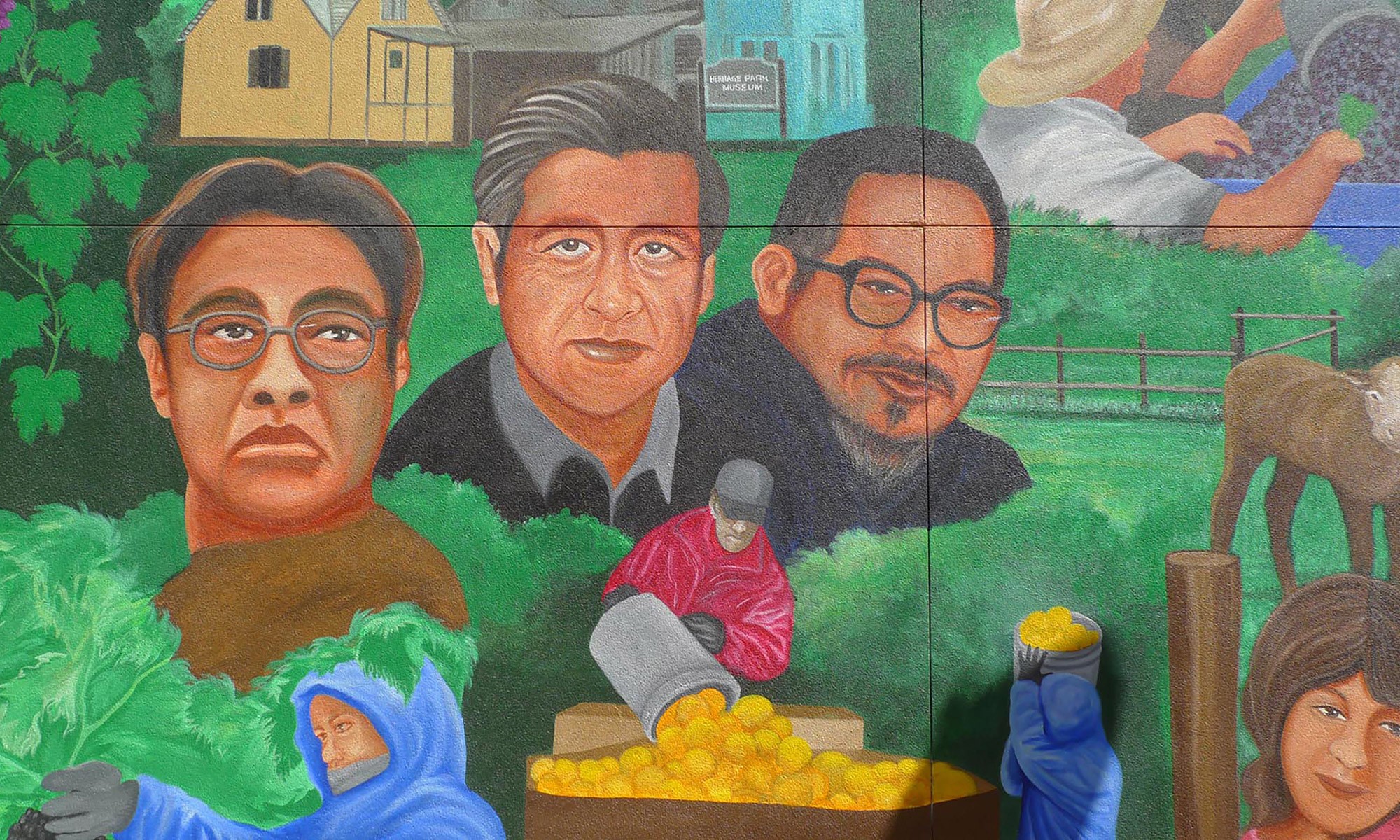
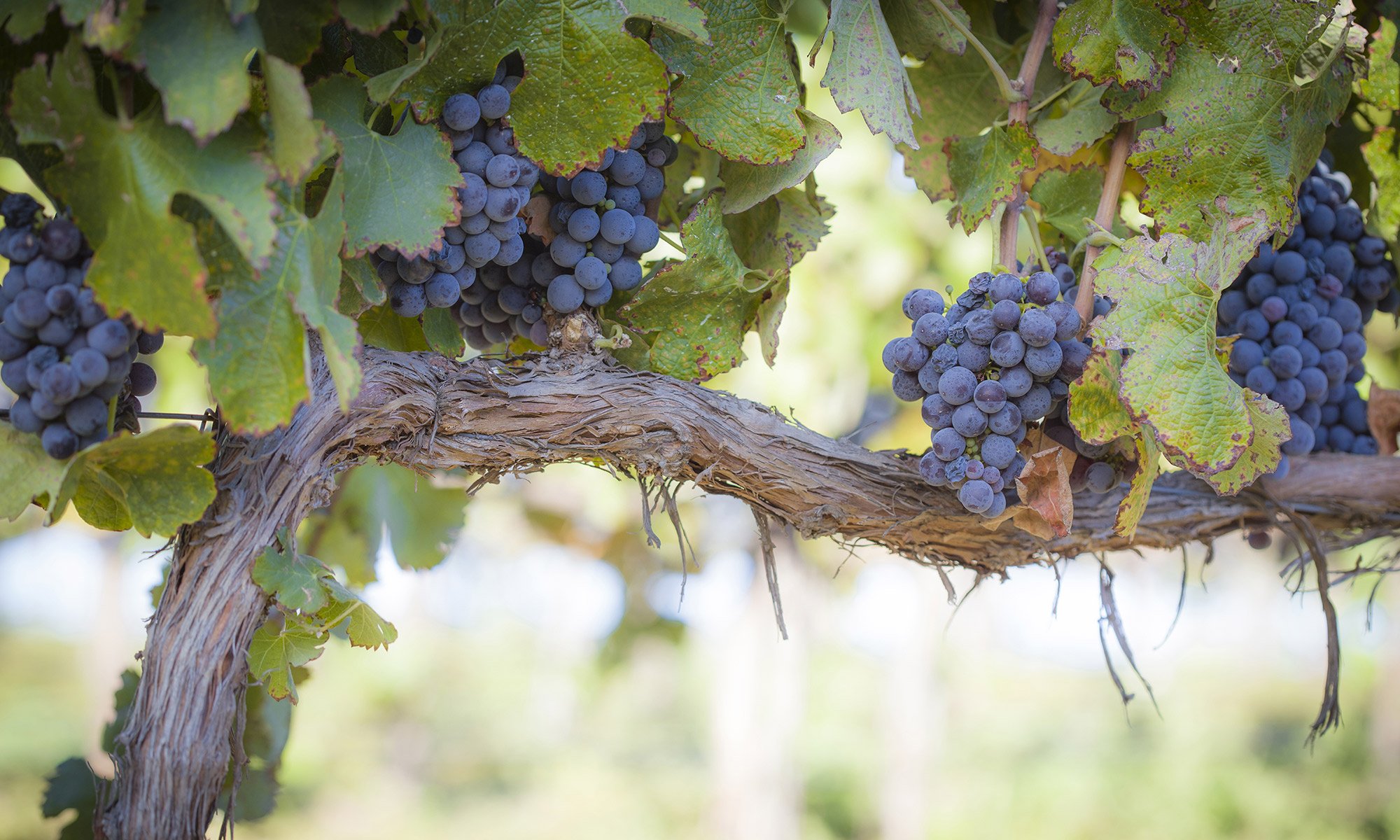
Kern Valley State Prison is located in Delano, a culturally diverse community that celebrates their culture and heritage with festivals throughout the year. There’s the Cinco de Mayo celebration in early May, put on by the Cinco de Mayo Fiestas Incorporated, and a few months later, the Filipino culture is celebrated with the Philippine Weekend, 30 years old and still going strong. In the fall, there’s the Harvest Holidays, a four-day festival of fun. Agriculture is the heart and soul of the community. There are 260,000 acres of citrus groves in California; 70% of those are in the Central Valley and 121,000 acres of table grapes grown in the counties of Fresno, Kern and Tulare. The Delano Breezeway Murals are a must see and a way to showcase the culture, agriculture and the people who shaped a way of life in this Central Valley community.
Details
KVSP is a Level IV facility consisting of four semi-autonomous 180 designed facilities and two stand-alone Administrative Segregation Units, all surrounded by a Lethal Electrified Perimeter Fence.
There is also a Level I Minimum Support Facility. It is on 600 acres. KVSP received Level I’s in June 2005 and Level IV’s in July 2005.

Patwin Horn serves as the Warden at Kern Valley State Prison. Before his appointment in January 2026, he was the acting warden since June 2024. Mr. Horn began his career with the California Department of Corrections and Rehabilitation in 1997, as a Correctional Officer at North Kern State Prison (NKSP). From 2007 through 2018, Mr. Horn served in several positions at NKSP, to include Correctional Sergeant, Correctional Counselor-I (CCI), Correctional Counselor-II, Specialist, Correctional Counselor-III, and Associate Warden. In 2020, Mr. Horn accepted and appointed to the position of Chief Deputy Warden at California Correctional Institute in Tehachapi. Mr. Horn has also contributed to and performed as a CCII at KVSP in 2011 a CCII Supervisor at CSP-Corcoran in 2013, Acting Warden at CSP-Lancaster, from 2022 to 2023, and Acting Warden at Wasco State Prison in March 2024.

Fred Beyerlein holds bachelor’s and master’s degrees in nutrition from the University of Arizona, an MBA from the New York Institute of Technology, and a Juris Doctor (JD) from Monterey College of Law. He brings over 20 years of leadership experience spanning Skilled Nursing Facilities, Assisted Living, Home Health, Hospice, Hospital Administration, and Agriculture. While at Prime Healthcare, the fourth-largest for-profit hospital system in the U.S., Fred oversaw Ancillary Services across 45 hospitals in 15 states. As a key member of the transition team, he played a pivotal role in the successful conversion and financial turnaround of 22 previously bankrupt hospitals.
Local Inmate Family Councils (IFC’s) are a gathering of family and friends of the incarcerated who meet regularly with Wardens to support visiting since keeping strong family connections with loved ones is a powerful rehabilitative tool. These IFC’s promote visiting by clarifying rules and regulations as well as discussing health, education, vocational training, packages, books, and related issues. For more information on connecting with a local IFC, please visit the Statewide IFC website.