


Intermountain Conservation Camp, nestled in the pines at the base of Big Valley Mountain, is four miles north of Bieber. Surrounded by ranches and forest, the camp is home to some 70 incarcerated individuals.
The camp serves a broad area stretching from the Oregon border south to Lassen Volcanic National Park, Burney, McArthur and Fall River Mills. To the east, the camp also serves Modoc National Forest which includes the small towns of Bieber, Adin, Nubieber and Lookout.
Community roots run deep
Correctional Officer Byron Conner has worked at the camp for 16 years and is no stranger to the area. His family settled the region back at the turn of the last century.
“I’m from Big Valley and I couldn’t ask for a better job or place to work,” he said. “This camp does a lot of good work in the communities and we’re fortunate to have their backing.”
A sign displayed at the Intermountain Fairgrounds thanks the incarcerated fire crews for their hard work and dedication. Crews help get the grounds ready for the fair each year. They also build fencing for the Ash Creek Wildlife Area and clear brush along the roadways, particularly the main stretch of highway from Adin to beyond Burney.
“A lot of people don’t notice but all that brush clearing is a lot of work for these guys. It improves visibility for drivers, especially when it comes to deer, and helps reduce ice in the winter,” Officer Conner said. “We’re a four-crew camp. Most others are five- or six-crew camps so we’re one of the smaller camps.”

Going to the chapel
Intermountain is one of the few camps to have a dedicated chapel for religious services.
On a sunny Saturday morning, Ron Friese and Dale Vroman made their way through the camp. The two volunteer from the community to offer church services to the inmates.
For 26 years Friese, who often volunteers with his wife Deborah, has been holding services at the camp.
Vroman and his wife Judy have been volunteering for about three years, according to Officer Conner.
“We don’t have a local congregation anymore, so this is it for us now,” Friese said. “The camp has a nice chapel. Most camps don’t have one.”
The lanky pastor is quick with a smile and a handshake, offering encouraging words to those who pass by on their way to the chapel. Friese said now that he and his wife have gotten older, they are grateful for the help offered by the Vromans.
“With them helping, we’re able to bring services to the camp almost every weekend,” he said. “They are usually able to do it when we can’t.”
As incarcerated people filed into the chapel, Friese and Vroman offered each a handshake and a smile.
Ready to roll
If a call goes out for fire suppression, the camp is ready. Last year, a large fire near the camp found them acting as the staging area.
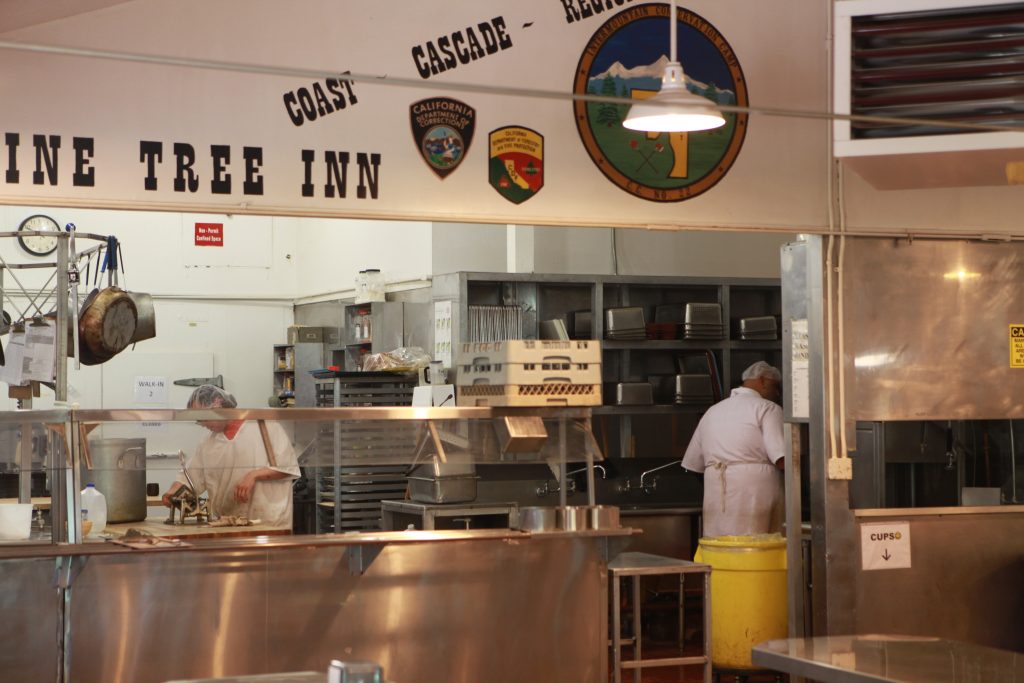
“We had 12 strike teams here,” Officer Conner said. “We don’t do mobile kitchens like some of the other camps so our guys ran the kitchen the entire time, feeding the crews here with the camp’s kitchen. It was amazing to watch that many people walking through this camp. That includes Cal FIRE, forestry, volunteers and CDCR.”
The kitchen crew gets a dorm area much closer to their workplace, separated from the rest of the men.
“We do that so they can get in there and focus on what they need to do,” he said.
During large events, such as the dozen strike teams filtering through the place, the camp sets up outside tables and chairs.
The kitchen and dining area are smaller than most other camps but it doesn’t bother those who work there. Murals along the walls of the dining hall depict scenes of training and fire suppression but also show areas in the community such as local high schools, parks and organizations. Those other areas are reminders of the service work inmate crews perform for the community.
During the 2017 fire season, Intermountain Crews dispatched to 73 incidents and logged over 100,200 hours of fire suppression. The camp’s fire crews also dedicated 9,896 hours of work to the Burney Fuel Break, a project funded by Shasta-Trinity Unit State Recreation Area.
Relaxation and rehabilitation
Saturday is a day for the incarcerated campers to pause, reflect and relax before hard training begins again.
“Some of the (guys) take it upon themselves to ensure they are fit even on off days,” said Conner. “They’ll check out a full-gear pack and walk around the track to build their endurance.”
During their down time, they can play a game of softball or basketball, watch a movie or read. They also participate in hobby crafts.
In 2017, the camp had a woodcarver serving time. Using scraps and salvaged wood, he carved trees, an elk and bears. His creations are now decorating the front of the CDCR office at the camp.
A mentor for other incarcerated people

Andy White, serving a 10-year and 4-month sentence, also has experience in carpentry, woodworking, masonry and welding. He takes full advantage of the hobby craft side, spending his down time building toys and play structures for charitable organizations like Lassen Family Services.
Last year he handcrafted a tank-style play structure to be donated for that group’s fundraiser.
This year he’s constructing a large train out of wood that will sit on a 600-pound metal frame.
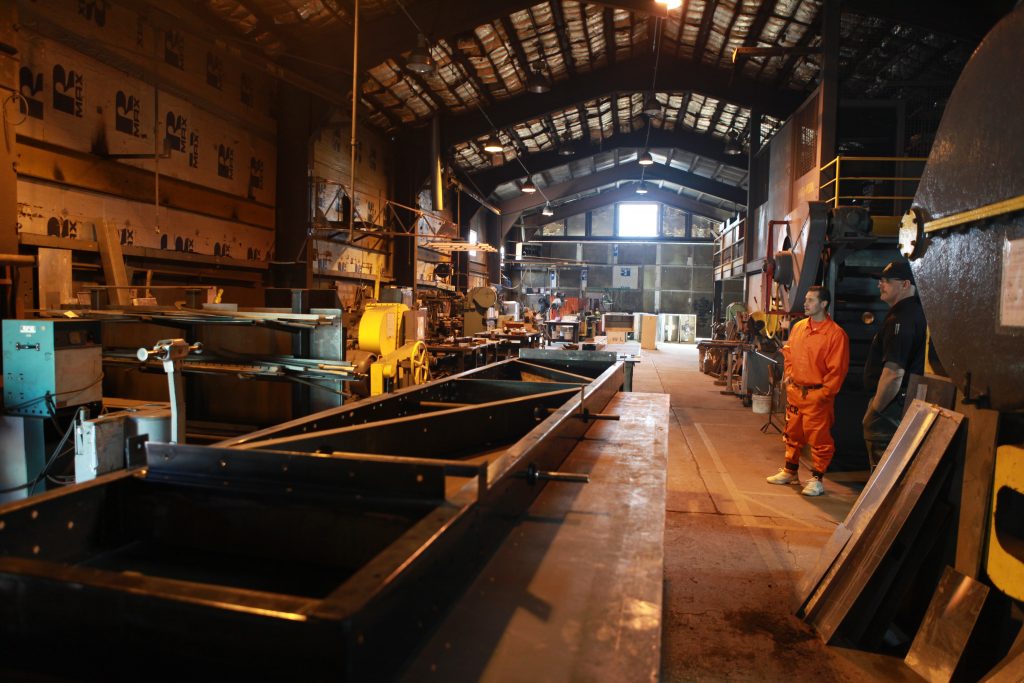
No longer offering welding as a vocational certification training course, the camp improvises with what’s available.
“I do what I can to help train the guys in welding, especially the younger guys,” White said. “They won’t be certified welders but with the experience they’ll get, maybe they can get a job at a small welding shop.”
The massive metal works shop is still stocked so the camp continues to turn out products for CAL FIRE and other agencies.
They built guard rails for Cal Trans, 150 feet of iron fencing for Redding, and are in the process of taking old single-door lockers and converting them into two-door lockers for California Correctional Center in Susanville.
For some, it’s their first real job
But it isn’t all about the trades, as White points out. For many of the men, it’s the first time they’ve ever had to keep a schedule or hold a job. To help keep them motivated and positive, White uses an old-fashioned approach.
“I write something on the board here and have the guys think about it and we study it,” White said, pointing to a dry-erase board hanging on the wall.
Keeping up with repairs
The crews have been hard at work fixing the old stonework, refinishing the floors in the dormitories and creating a new sign bearing the camp’s logo and name.
“The upkeep on this old place is hard,” said Officer Conner.
Age and adverse weather conditions have led to some problems.
“We’re one of the higher camps,” he said. “On a bad snow year, we’ll have three feet of snow. Sometimes we get snow in July.”

Tranquility in the trees
White said he enjoys the fresh outdoors and the beauty of the area. The remote location also prevents a lot of trouble seen by other camps and prisons.
“We’re fortunate with our location that we don’t have the battle with contraband some of the other camps face,” said Officer Conner.
White agreed that it’s a better environment without those distractions, especially drugs.
“We don’t want it here,” White said. “It’s hard to do time with that stuff around. (This) camp is a good place to get your head right.”
Focus on Bieber
The town of Bieber, originally named Chalk Ford, was founded by Nathan Bieber. Fire destroyed the town in 1897. In 1912, a petition requesting mail service between Susanville and Bieber was signed by 600 people and sent to the area’s congressman. The same year, fire destroyed a two-story schoolhouse and the large mercantile building in town. A fire also swept through the town in 1915, but the residents quickly rebuilt. Another fire destroyed a block of the town’s business district in 1931, the same year the railroad finally connected Bieber to the rest of state. In 1933, a fire destroyed the Caldwell Lumber Mill two miles outside Bieber, putting 60 out of work. In 1942, the nearby Davis Creek Lumber Mill burned down. Today, the town has roughly 300 residents.
Story and photos by Don Chaddock, Inside CDCR editor
Office of Public and Employee Communications
Did you know?
- Land for Intermountain Conservation Camp 22 was acquired in 1959 after a steady water source was supplied.
- The camp became functional in 1962.
- Houses 70.
- The camp has 20 staff split between CDCR and Cal FIRE.
- The camp provided 8,800 hours of project and conservation work to the region in 2017.

Learn more about firefighters and CDCR/CAL FIRE camps.
Follow CDCR on YouTube, Facebook, X (formerly Twitter). Listen to the CDCR Unlocked podcast.
Firefighters and Camps
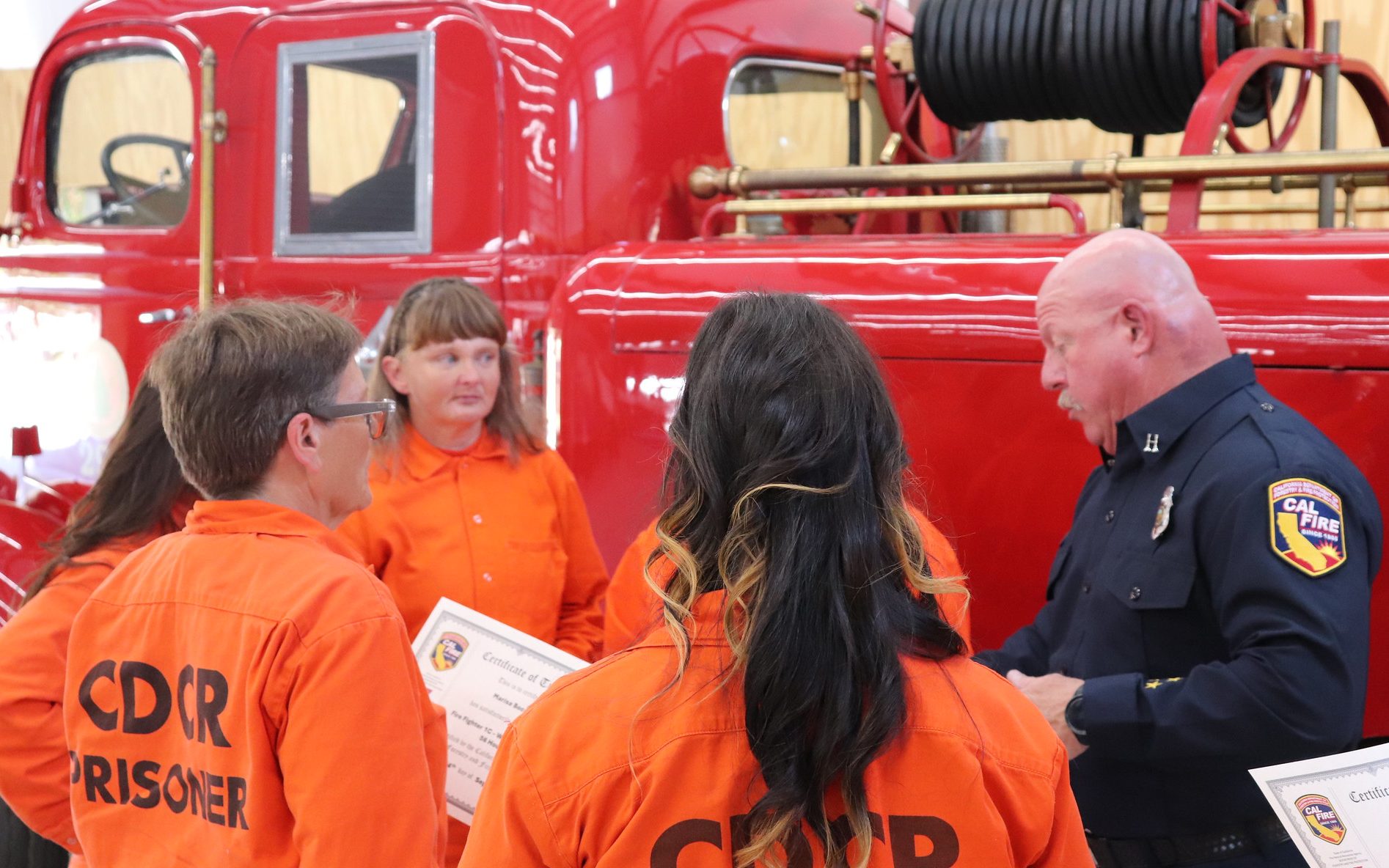
Puerta La Cruz camp honors 10 graduates
Ten female fire crew members recently graduated the Forestry Fire Training program at the Puerta La Cruz Conservation Camp, hosted…

From camp program to CAL FIRE employee
Troy Senegal has gone from being incarcerated in the camp program to being a CAL FIRE employee. Intervention in Senegal’s…
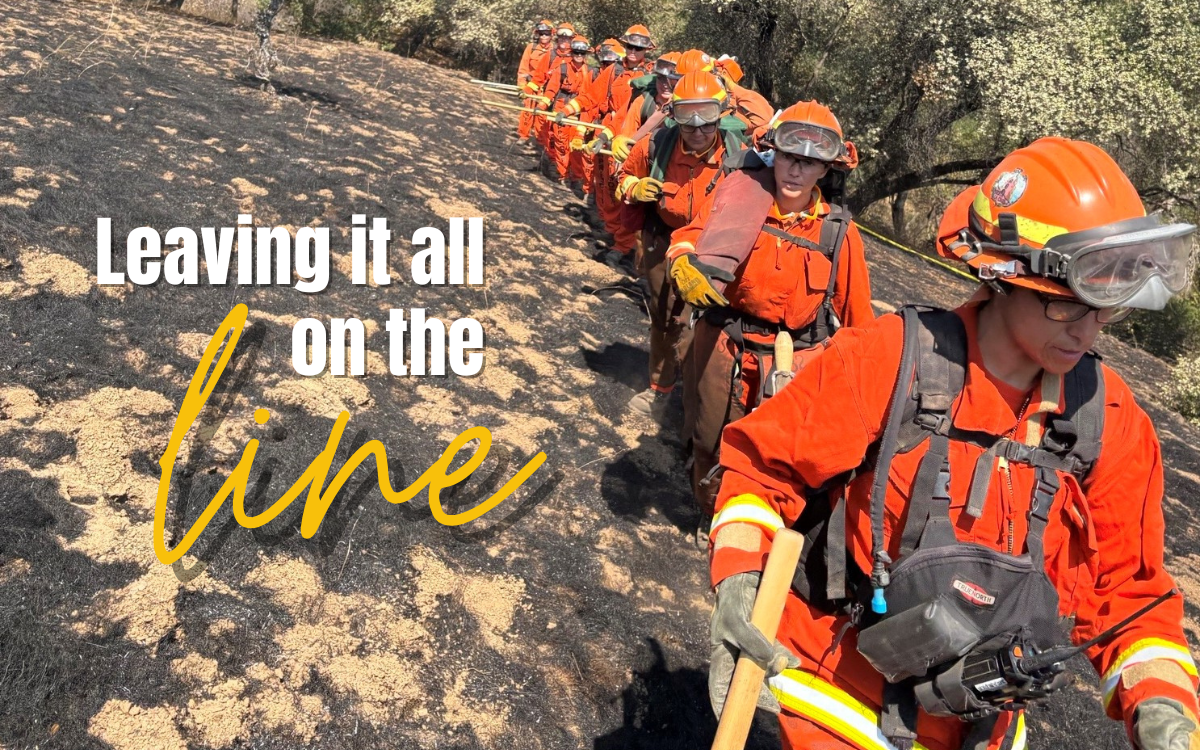
Conservation camp crews making a difference
During this fire season, incarcerated individuals who volunteer for the Conservation (Fire) Camp Program are making a difference in communities…

Incarcerated fire crews battle the Gifford Fire
California’s Gifford Fire is the largest wildfire of 2025. It has burned more than 122,000 acres and brought thousands of…
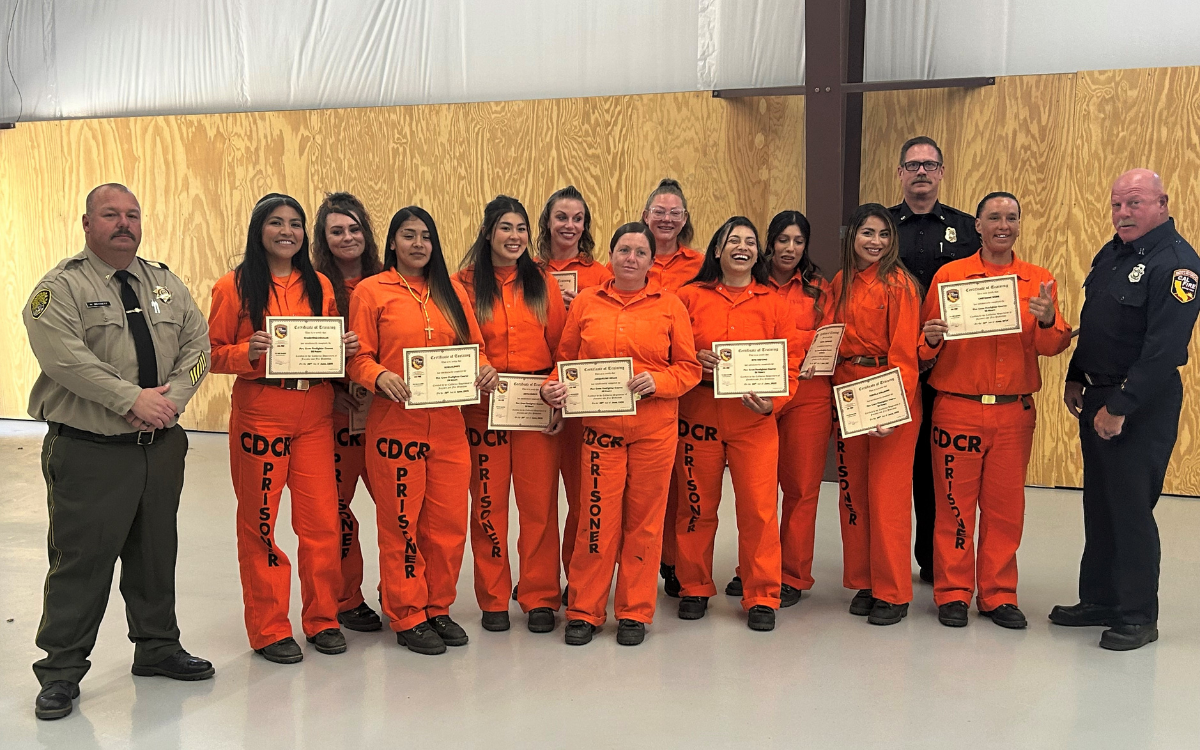
Camp holds first firefighter training graduation
Puerta La Cruz Conservation Camp 14 in Warner Springs became the first camp to successfully graduate a firefighter training program.…

Pine Grove YCC: 80 years of rehabilitation
Pine Grove Youth Conservation Camp (YCC) is celebrating 80 years of rehabilitation. Founded in 1945, the camp has continued serving…