


Native American tribes, as well as CDCR spiritual leaders, gathered Friday for the 51st annual celebration of cultural heritage and sovereignty.
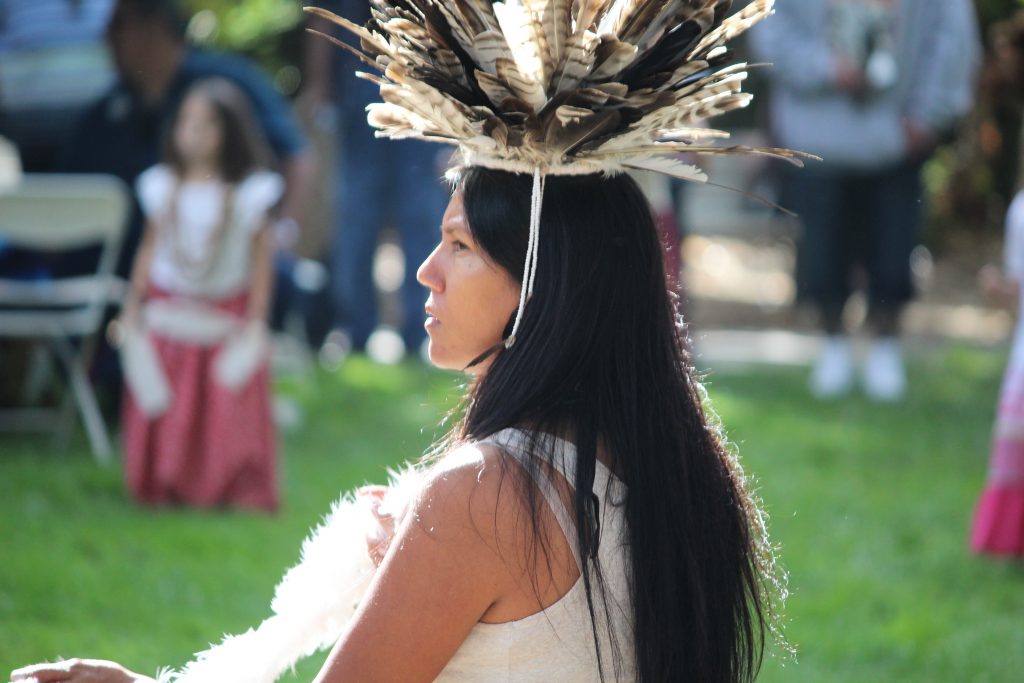
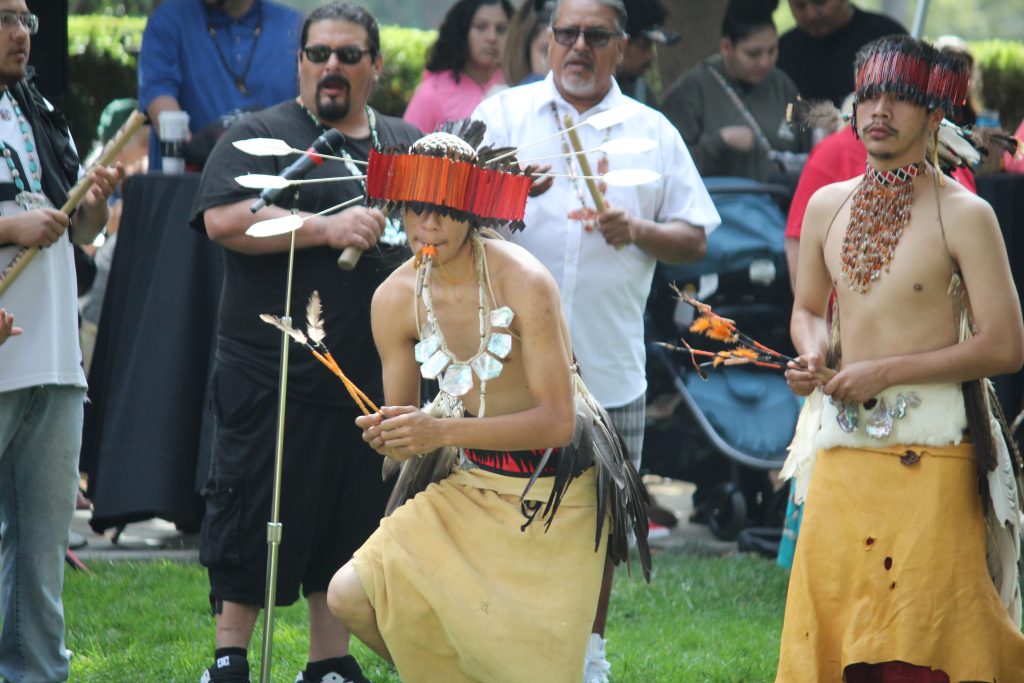
The Shingle Springs Band of Miwok Indians performed a ceremonial prayer dance prior to more than 80 tribal flags being presented at the state Capitol. Meanwhile, CDCR staff were on hand for Native American Day to provide information about in-prison religious services and employment opportunities.
“Started in 1939 by then-Governor Culbert Olson, Indian Day evolved into California Native American Day in 1968 thanks to Governor Ronald Reagan and California tribal leaders,” according to a press release issued by the Northern California Tribal Chairmen’s Association. “The day is considered a time-honored tradition in the California Native American community.”
California is home to largest Native American population

Governor Edmund G. Brown Jr., issued a proclamation declaring Sept. 28, 2018, as Native American Day.
“The contact between these first Californians and successive waves of newcomers over the three succeeding centuries was marked by utter devastation of the native peoples, their families and entire way of life. … California today is home to the largest population of Native Americans in the 50 states, including both the rebounding numbers of our native tribes and others drawn to the Golden State by its myriad possibilities,” the proclamation states.
Dr. Vito Imbasciani, Secretary of the California Department of Veterans Affairs, thanked the Native American veterans for their service.
“Native Americans have served in our armed forces in greater proportion relative to their population. They always have,” Secretary Imbasciani said. “I applaud your steadfast dedication to military service.”
Tending to spiritual needs of incarcerated Native Americans
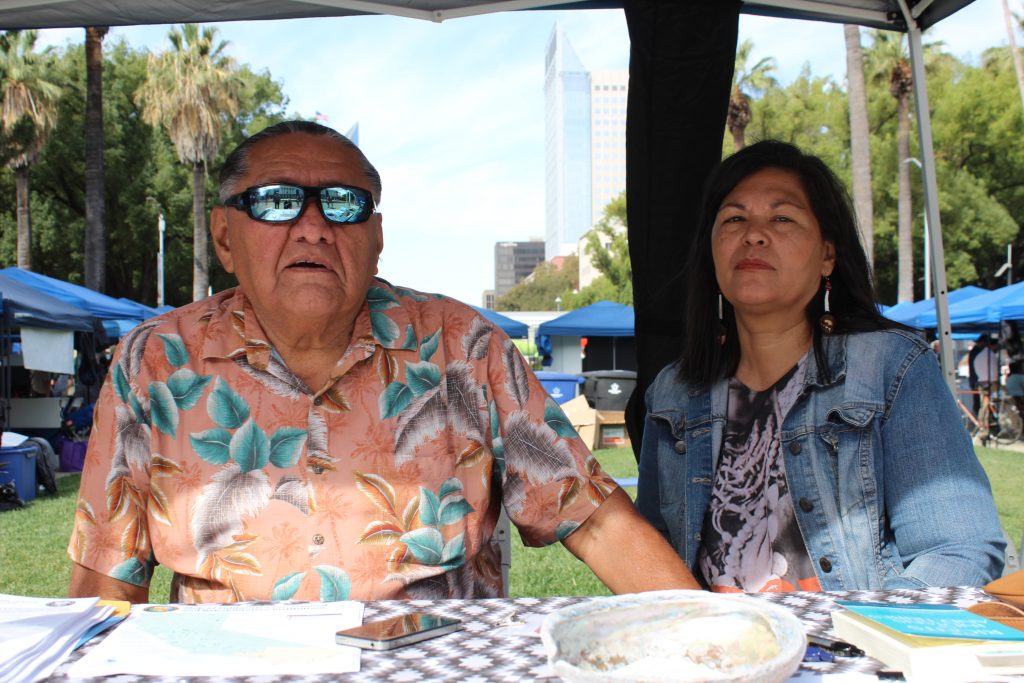
One CDCR booth was staffed by Ted “Bear” Jackson, a Native American Spiritual Leader for three institutions – Mule Creek State Prison, CSP-Sacramento and Folsom State Prison.
Jackson, a University of Nevada-Reno graduate, studied penology and went to work for a Nevada prison. Eventually he found himself in California and has been with CDCR since 2007.
“The guys have got to have a place to pray,” he said. “(Native Americans) don’t use the chapels (like) all our other religions use. … We have antlers, rocks, fire pits.”
Jackson said ceremonial customs and languages vary from tribe to tribe so there is no one-size-fits-all approach.
“There are different chants, prayers, but it’s fulfilling,” he said, “There’s good and bad with everything (but) the R at the end of CDCR is for rehabilitation and that’s what we’re trying to do – rehabilitate them so they don’t come back.”
Educating the public
A hobby of Gene Albitre’s is working with rawhide materials to create traditional Native American items. His day job, though, is leading Native American ceremonies at North Kern State Prison.
Albitre was at the event for his hobby but was eager to talk about returning to work. He’s been out recovering from a medical condition.
He echoed the statements made by Jackson regarding the spiritual fulfillment of the work.
“I help (the work to help) some not go back in the prisons,” Albitre said. “As a Native, we think differently and work differently.”
He said rehabilitation can’t use a standard template because cultural differences present barriers.
He said spiritual and cultural difference are similar to differences in diet, noting there were few if any fruit trees in North America prior to the arrival of Europeans. Native people relied on the resources available depending on the region, ranging from nuts and berries to game animals.
“But when you think of a typical healthy diet, they tell you to eat fruits and vegetables. How many fruit trees do (Native Alaskans) have? There are fundamental differences,” he said.
Chuck Jachens, regional hydrologist with the U.S. Department of the Interior’s Bureau of Indian Affairs, discussed planned burns as a way to reduce the risk of catastrophic wildfires.
“Native Americans have been using fire for centuries,” he said. “Low intensity fires benefit the environment. The ash created provides nutrients to the soil, which creates healthy plants and feed the wildlife, which in turn helps feed the predators,” he said.
The four rights for a prescribed fire are “the right time; the right place; the right people; and the right choice,” he said.
He said it was an easy way to remember variables such as weather, surroundings, fuel breaks, topography, fuel types and teaching fire-safe practices to younger generations.
Office of Workforce Planning at the ready
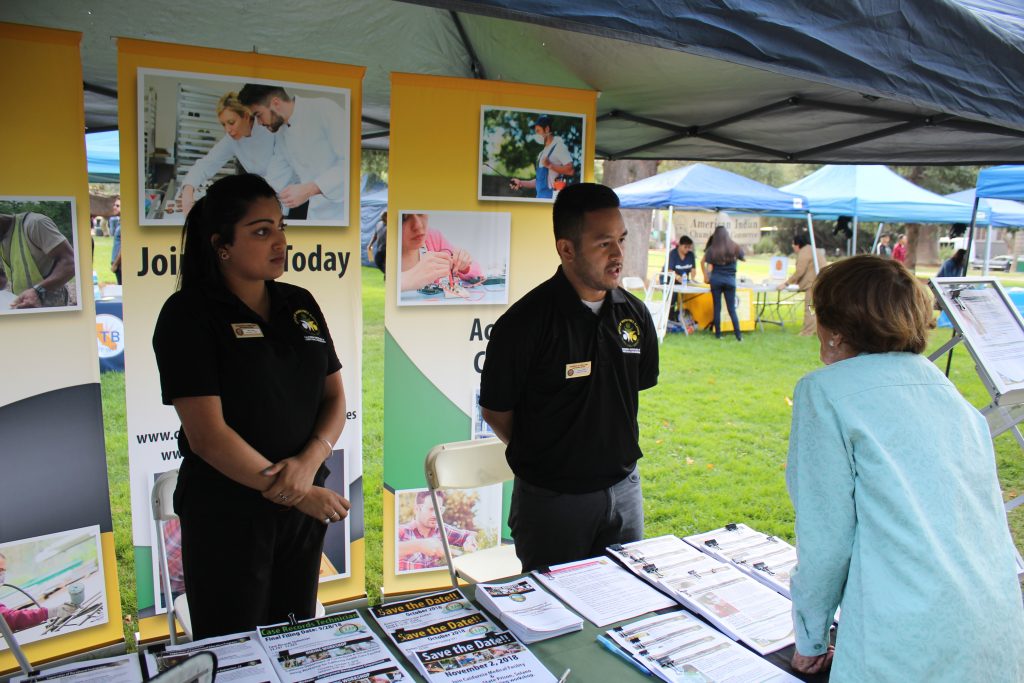
For CDCR’s Office of Workforce Planning, they had many stopping by the booth.
“We’ve had a great turnout,” said Vaine Bhatia, recruitment analyst. “We’ve had a lot of interest.”
Khoa Nguyen, another recruitment analyst, said people were interested in hiring events and workshops.
“They’ve been taking flyers for those,” he said.
Story and photos by Don Chaddock, Inside CDCR editor
Office of Public and Employee Communications
See more community involvement stories.
Follow CDCR on YouTube, Facebook, X (formerly Twitter). Listen to the CDCR Unlocked podcast.
Related content
Watch: Harvest of the Month: Local, fresh, produce
In recognition of National Nutrition Month, CDCR is highlighting its Harvest of the Month (HOTM) program. HOTM is a joint…
Staff get into Polar Plunge to benefit Special Olympics
CDCR and CCHCS staff are helping Special Olympics organizations across California by raising funds through the Polar Plunge. As more…
VSP recruiters attend Fresno’s Support Blue Run
On behalf of the Peace Officer Recruitment Unit, Valley State Prison (VSP) recruiters proudly participated in the annual Support Blue…

SCC staff take Polar Plunge for Special Olympics
Sierra Conservation Center (SCC) staff jumped in Lake Don Pedro for the 2026 Polar Plunge held Feb. 21. Chief Psychologist…
OCS special agent rides to honor Agent Byrd
For CDCR Special Agent Albert Franco, an upcoming cycling ride holds special meaning: honoring the memory of Parole Agent Joshua…
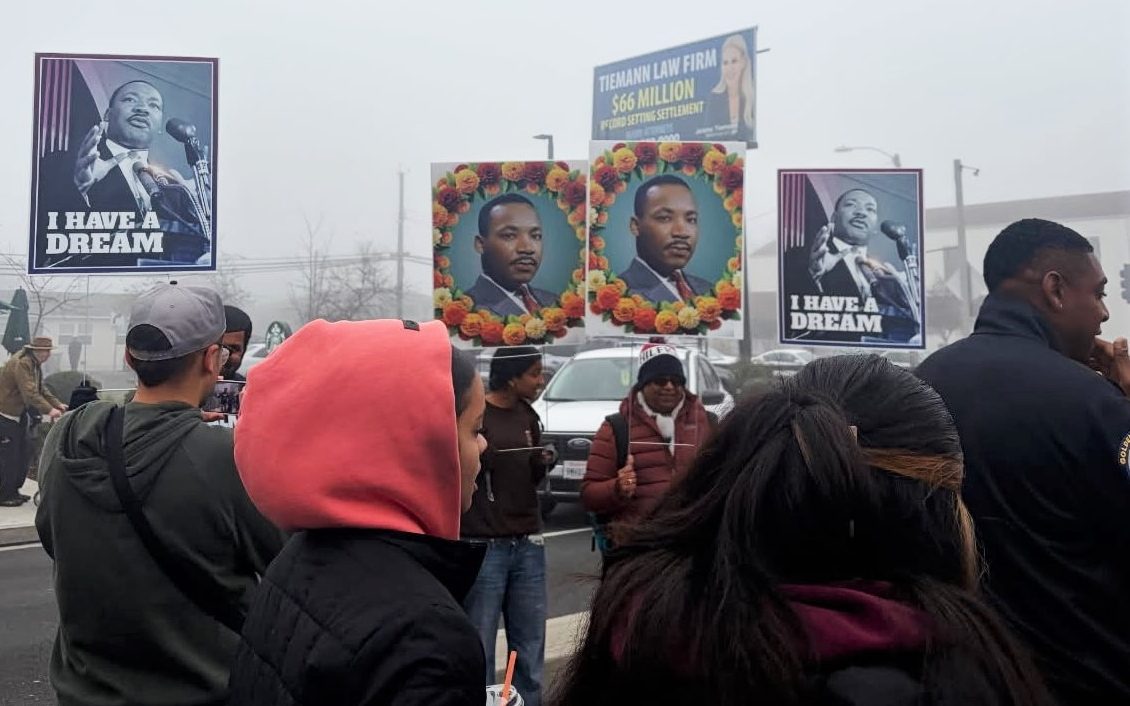
CDCR, CCHCS staff March for the Dream
CDCR and CCHCS staff joined thousands for the 44th annual MLK365 March for the Dream at Sacramento City College on…