

The Division of Adult Parole Operations and its staff have evolved over the last 130 years, but the mission remains the same: successful reentry.
Parole staff include runners, former warden, Navy veteran
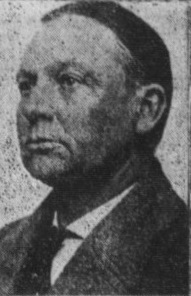
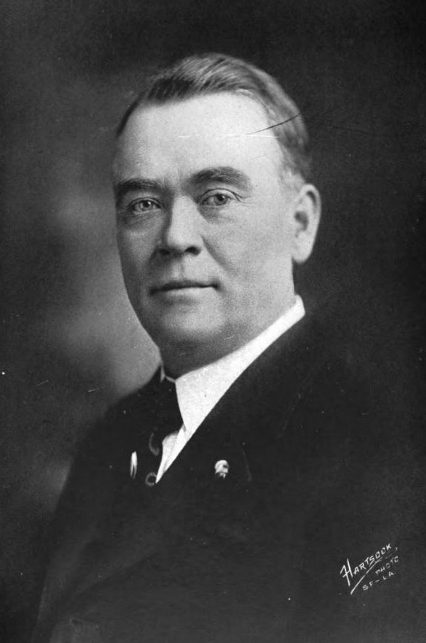
W.B. Webster was the first parole officer for Whittier State Reform School. Prior to his appointment in September 1907, the school trusted parolees to check in with the superintendent. “This became very unsatisfactory as a great number were never heard from after they secured their parole,” he said at the time. It was now his duty to keep in touch with as many of the paroled youth as possible, spending most of his time traveling the state.
Karl Hanson, parole officer, was the first to head the new prison-to-employment bureau in June 1909. He’d been a parole officer for a year when he took on his new duties, focused on finding “employment for discharged and paroled convicts.” While still busy as a parole officer, the Board of Prison Directors hired an assistant to take over routine duties.
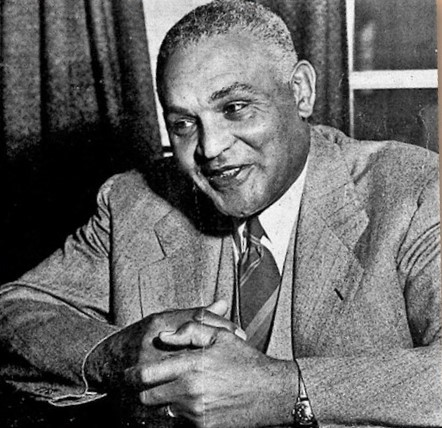
Walter Gordon, the first African American police officer hired in Berkeley, also had a law practice and coached football. When the Zoot Suit Riots broke out in Los Angeles 1943, Gov. Earl Warren sent Gordon to head a group to investigate. Afterward, Gordon was appointed to the state parole board. His contributions helped shape the modern Division of Adult Parole Operations. (Read the previous story on Walter Gordon.)
Roberto “Bob” Sanchez, Parole Administrator II at Headquarters, became the first department employee to complete the Western States 100-Mile Endurance Run, held July 6-7, 1985. The run, still held today, begins at first light at Olympic Village near Tahoe, crosses the Sierra Nevada and ends in Auburn. He made the run in 28 hours and 30 minutes.
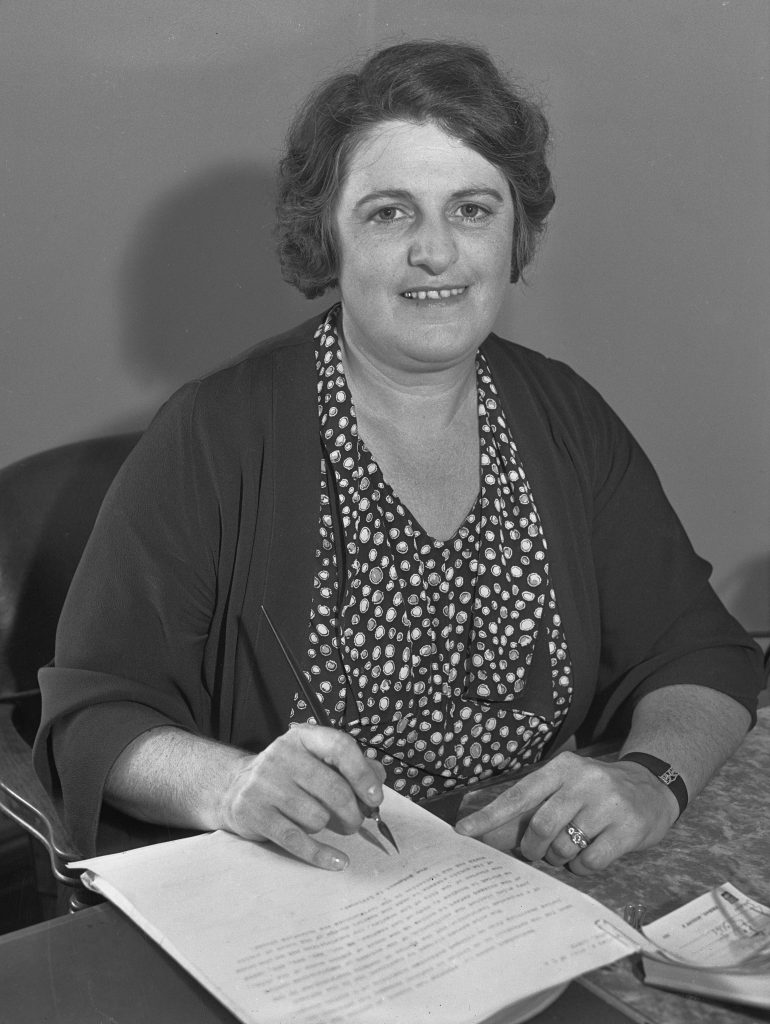
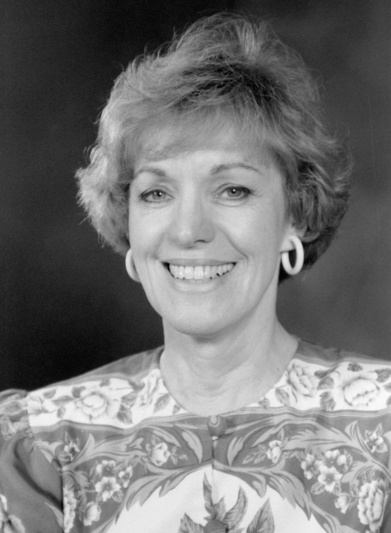
Midge Carroll was appointed assistant deputy director in 1985 of what was then known as the Parole and Community Services Division. Previously, she was warden of California Institution for Men. She joined the department in 1966.
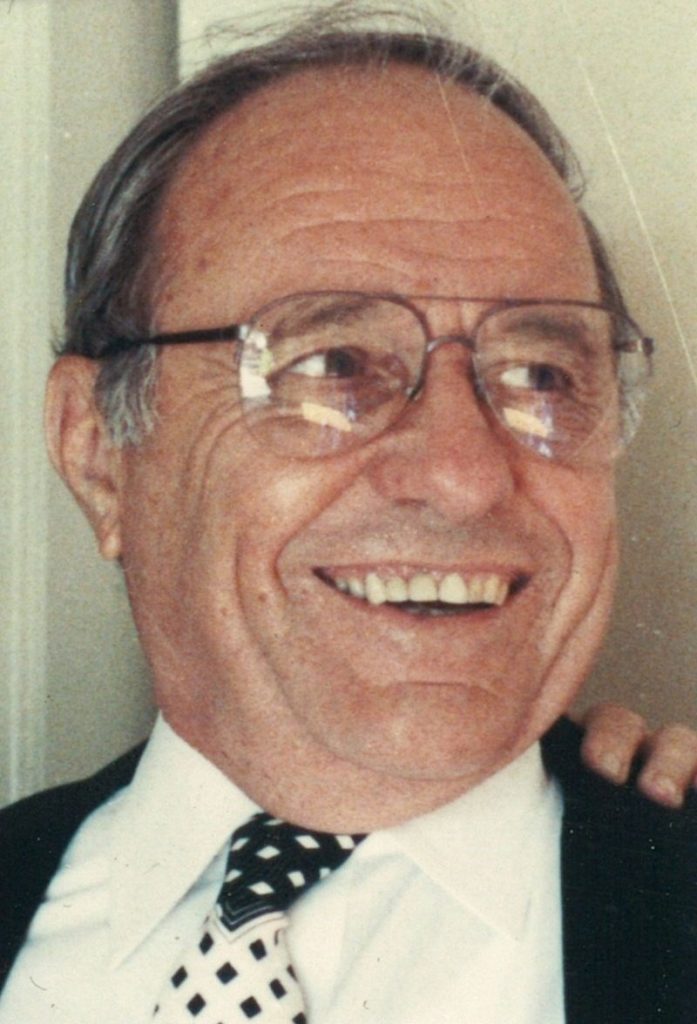
Ed Veit was appointed the deputy director of the department’s Parole and Community Services Division in April 1985. The U.S. Navy veteran served during World War II as well as the Korean conflict. He also served as a Los Angeles County deputy sheriff in 1950, becoming a correctional officer at Folsom State Prison in 1960. Four years later, he became a parole agent. Later, from 1971-73, he served as the executive officer of the Board of Corrections. In 1973, he became the assistant deputy director for the parole division. He retired in 1989 and passed away in 2012.
In a 1980 interview, he described the parole process and how family and community play an important role.
“As a general rule, they go back to the areas they came from,” he explained. “That’s probably where they’re going to make it the easiest.”
Doris Masini retired in 1986 after working 42 years for the department. She wasn’t an agent, but a staff services analyst. In October 1943, she walked into the Region II parole office and applied for a clerical position. Hired to work in the San Francisco office, she remained there her entire career. “She has served 10 Chief State Parole Officers, now titled Deputy Directors of Parole, and six directors of the (department),” reported Correction News, February 1986. “Masini’s 42 years with the division is an all-time record.”
State Parole Officers and Agents 1900-1960
1900-1910
Frank De Pue
M.R. Higgins
Karl Hanson
Frank Mulford
Stanley Murray
R.J. Frank
1911-1920
Edward H. Whyte
J.E. Lewis
George Bowen
1921-1930
Robert Heinze
Thomas H. Pendergast
John J. Cullen
John Hanrahan
Emily Latham
1931-1940
Charles C. Coxe
John Chadwick
Joseph B. Brennan
William T. Byrnes
Clark T. Sullivan
James J. Kenny
Clark Sullivan
Walter T. Stone
Stillman C. Moore
Fred Gavey
1941-1950
Fred Finsley
Conrad Buck
Warren Ballachey
Gerald Canaday
Robert R. Miller
Walter Eisenberg
Robert Del Pesco
Frederick Galloway
Geraldine Gregory
Betty Hernandez
Jim Hutton
Bernard Forman
Robert Herewig
Henry Amerson
Allen Moore
Marilyn McKeehan
Vern E. Maynard
J.J. Meagher
Eleanor Pearce
William Ralston
Robert E. Seabridge
Dalyte Sidell
Patrick Smythe
Paula Steinbert
Frances Sullivan
Thomas E. Wilson
Harold Ostran
Stilson E. Whiteside
Myrtle Wallace
Wilson Young
Oscar F. Grebner
Jerome J. Higgins
Ben Lohse
C. Earl Halderman
George W. Kavaney
Helen Legg
Weldon Smith
Harry Towne
Carolyn Turner
Major D. Dale
1951-1960
Joab Pacillas
Anthony Antonuccio
Edward Byrne
Joe Babcock
Robert Bark
Edward Barles
Herbert Bartmann
Jack Block
Arlene Becker
John Beeson
James Biddle
Sherwood Blair
Victor Bluestein
Mary E. Brown
Charles Bradley
Lloyd Braithwaite
Robert Brunner
E. Byrne
Georgia Caldwell
Standley Cohen
William Collins
John Conrad
Paul Cossette
Gloria Davidson
Mae De Noyelles
Robert Deupree
Eloise Donahue
Frank Dooley
James Dyer
Joseph D’Angleo
Mark Ealey
Robert Engdal
Ward Estelle
Carletta Fahey
E. Fobare
Wallace Foster
James Gafney
Doris Gavenda
Walter A. Gordon Jr.
Bertram Griggs
Gunnar Gunheim
C.R. Guthrie
Louise Harold
Frank Haydis
John Headley
Robert Hooper
June Hunt
Waldo Hutchinson
Evelyn Johnson
Nancy J. Jenkins
Richard Jenson
Lowell Jenson
Verdine Jones
Lee Kano
Mary Keirsey
Helen D. LaVigne
Wilmer Leon
Robin Leonhard
Robert Lyons
John Mac Gregor
D.J. McDonald
Mary E. McCarthy
Edward McGivney
Florence A. McKee
Frank Meredith
Stillman Moore
James Mullany
James Neiswwonger
Ted Nissen
James O’Conner
Dwan Oje
William O’Connor
Jan Oliver
Carl F. Oneil
Ernest Padgett
By Don Chaddock, Inside CDCR editor
Office of Public and Employee Communications
Learn more about California prison history.
Follow CDCR on YouTube, Facebook, X (formerly Twitter). Listen to the CDCR Unlocked podcast.