

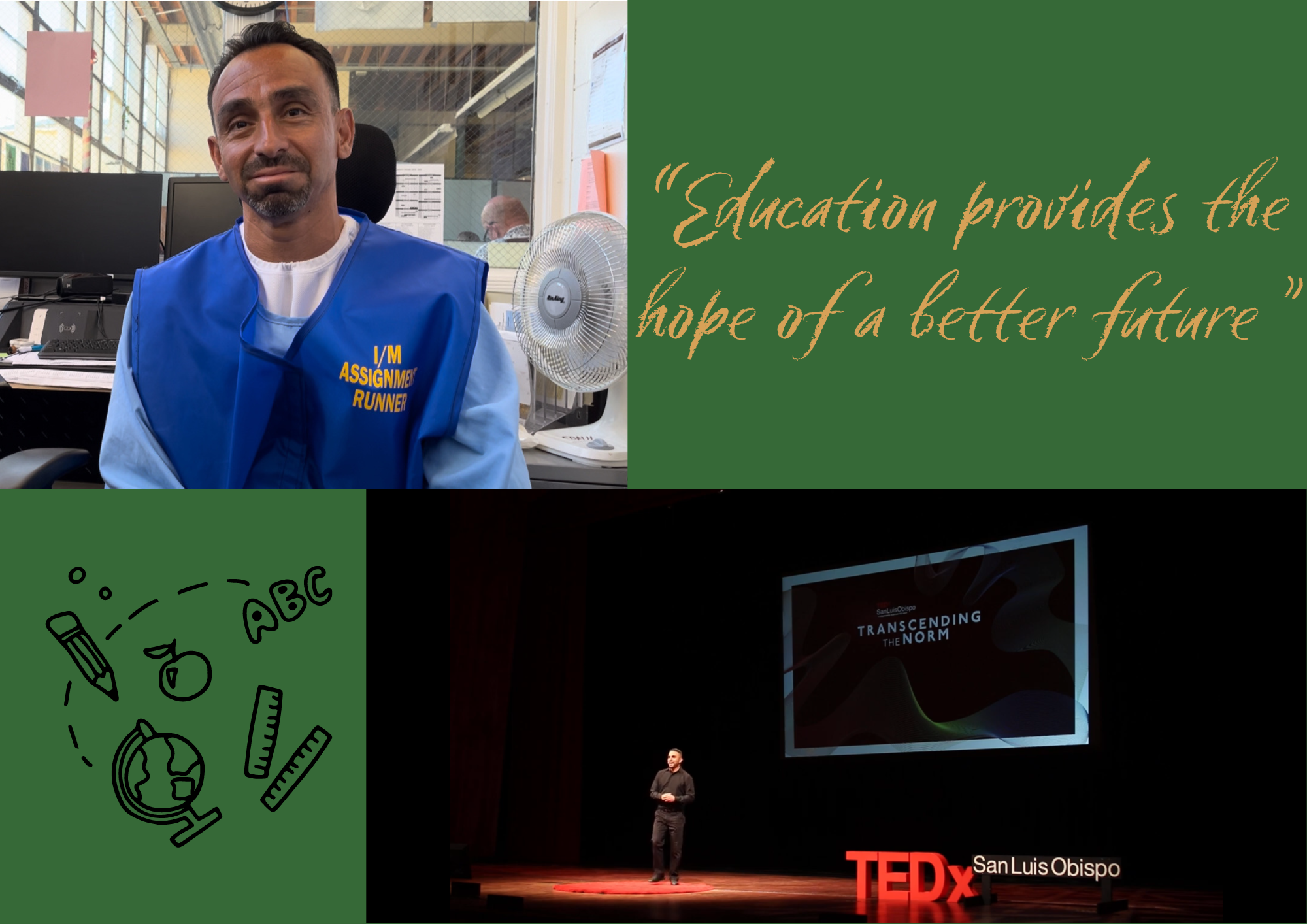
Editor’s note: Inside CDCR spoke with two brothers about their education experience at California Men’s Colony at San Luis Obispo.
Research shows an incarcerated person who participated in education programs is less likely to return to prison.
Provided with an opportunity for a second chance, they will have additional job opportunities when they return to their communities.
Brothers see education as key to reentry
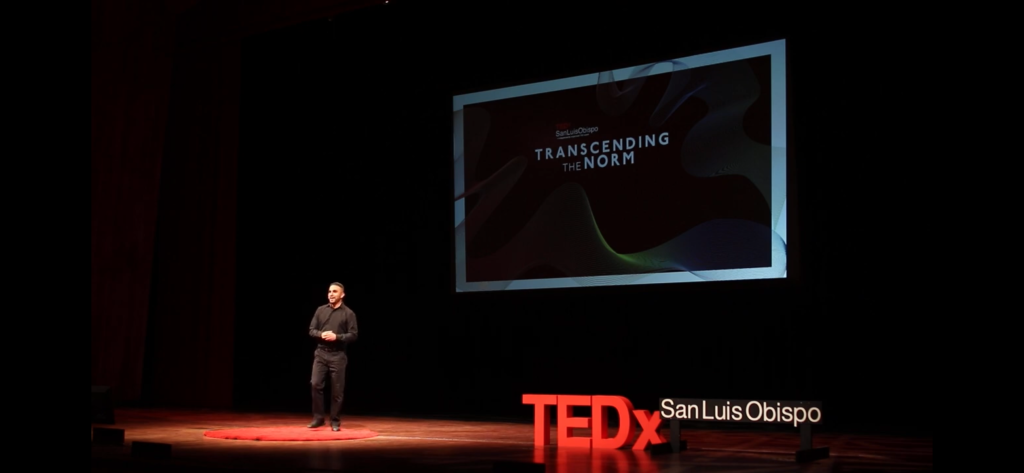
It’s a lesson brothers Jose Centeno and Luis Venegas live daily.
Venegas was incarcerated for more than 18 years and has been out of prison for more than five years.
While incarcerated at California Men’s Colony (CMC), Venegas started his associate degree. When he was released, he completed it through Cuesta College in San Luis Obispo.
“The experience of being in education and college-type classes brings a different type of identity to someone in prison. I am no longer just a prisoner, I am a student,” said Venegas. “Being in classes, it felt somewhat like a life I would live out here. Like I am getting ready for school, I must do my homework. It allowed the identification of not only being someone in prison, but a person educating themselves.”
Venegas credits his education experience with helping him successfully reenter the community. He now gives talks at Cal Poly San Luis Obispo and works with non-profits.
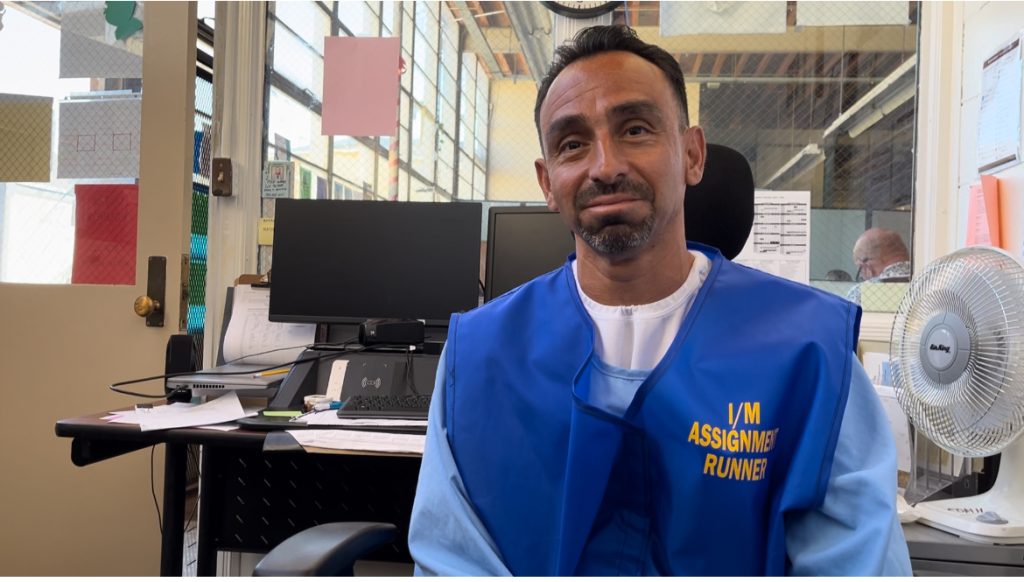
His brother, Jose Centeno, remains incarcerated at CMC but is following in his brother’s footsteps through education.
“When my brother was here with me at CMC, he challenged my thoughts and beliefs. He found a way to encourage me to do it,” said Centeno.
Centeno entered non-credited classes to get a better idea of what education would be like. This experience encouraged him to continue the path toward a degree.
“Throughout the courses of education, we learn many skills. How to write, how to speak, we learn about the environment, how to budget,” said Centeno. “There are many aspects through education that will help you out when you enter society. With a degree, it also helps you find jobs, be more suitable to find jobs and be able to get a job you want and have a career.”
Teaching college at a California prison
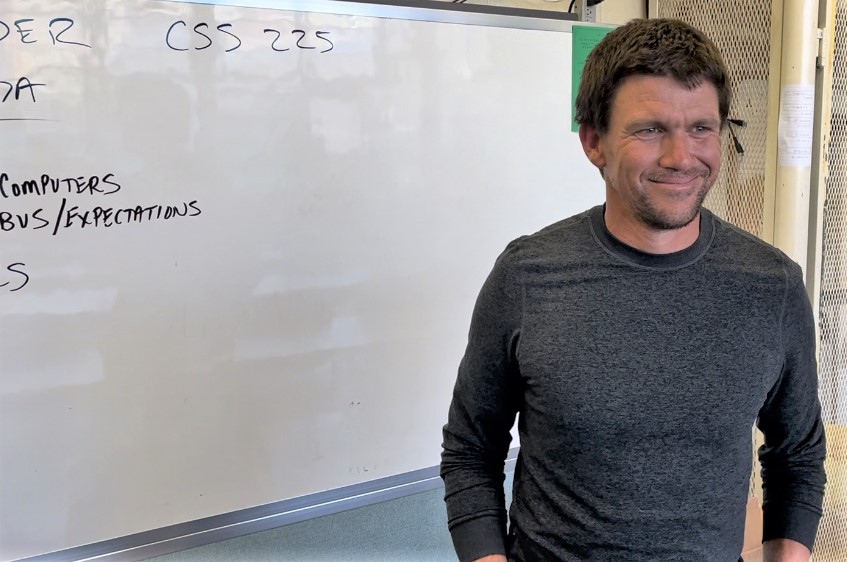
Partnering with Cuesta College, Professor Ender teaches introductory college courses at CMC.
“This group of students in particular, because they have been away from education for so long, they really see the value in it. They take it super seriously (and) don’t take it for granted,” Ender said.
Centeno will continue his education path at CMC with his brother’s support.
“My younger brother showed me the possibility is there. I was able to complete degrees I didn’t even think were possible when I was a kid. So, for him, I would like to tell him thank you, thank you for the encouragement. I am proud of him,” said Centeno.
Venegas said his education has given him something invaluable.
“Education provides the hope of a better future,” he said. “The hope of a better version of ourselves, our relationships with our family, and being able to provide for them. Being able to have that hopeful future can’t be understated.”
Education is cornerstone of CDCR rehabilitation
CDCR is committed to building safer communities through education, rehabilitation, restorative justice and reentry.
The department’s efforts are guided by the California Model, an initiative implementing international best practices and principles to transform the correctional system.
CDCR currently examines recidivism outcomes (arrest, conviction, and return-to-prison rates) for people released from its adult institutions in a given fiscal year, then monitored over a three-year period.
In its latest recidivism report data showed that the recidivism rate for people in fiscal year 2018-19 declined by 2.7 percent over the previous year, to 41.9 percent.
People with Educational Merit Credit had a 26.1 percent recidivism rate and those with Rehabilitative Achievement Credit reoffended at a 21.1 percent rate.
Story by Ashton Harris, information officer
Office of Public and Employee Communications
Read more rehabilitation stories.
Follow CDCR on YouTube, Facebook, X (formerly Twitter). Listen to the CDCR Unlocked podcast.
Related content
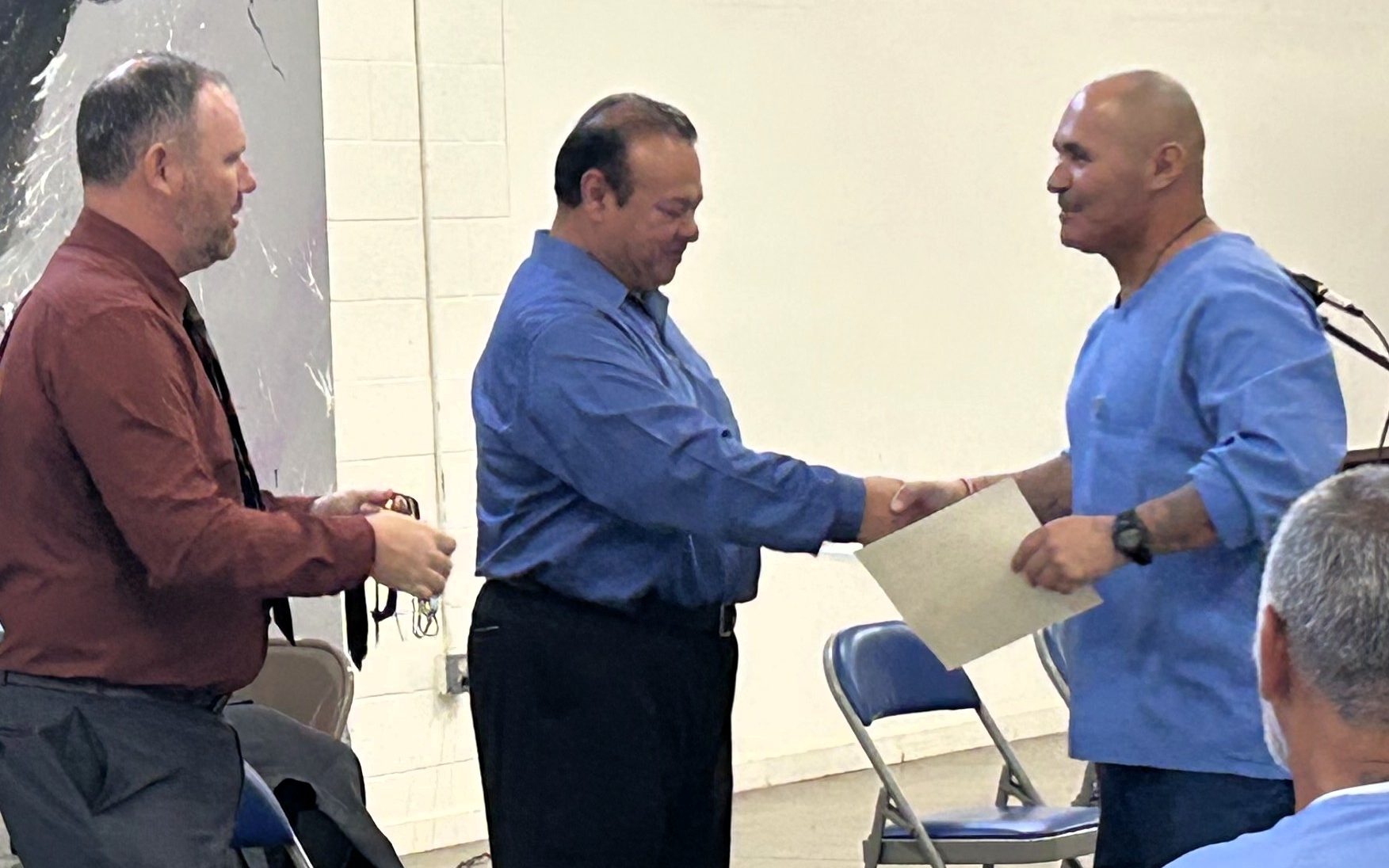
VSP sees 17 graduate Correctional Construction Mentorship
Valley State Prison (VSP) in Chowchilla celebrated a milestone as the first 17 incarcerated individuals graduated from the Correctional Construction…
Read More
Hot August Nights rolls into CTF‑Soledad
The Correctional Training Facility (CTF) at Soledad partnered with Freedom Through Liberation and the Freedom Collective Leadership Program for the…
Read More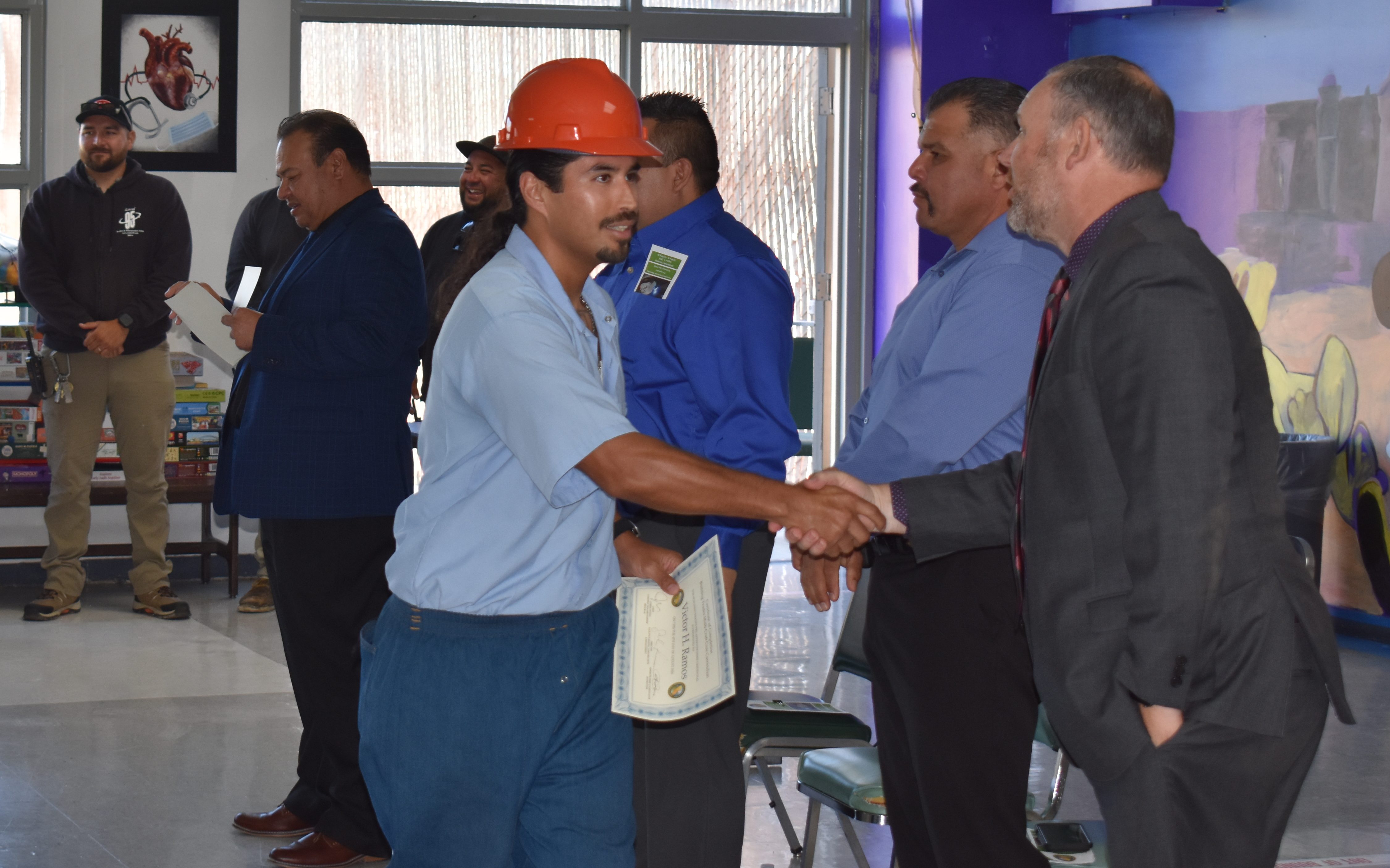
SVSP sees 15 graduate construction mentorship program
Salinas Valley State Prison (SVSP) at Soledad recently recognized 15 incarcerated students who completed the Correctional Construction Mentorship (CCM) program.…
Read More