

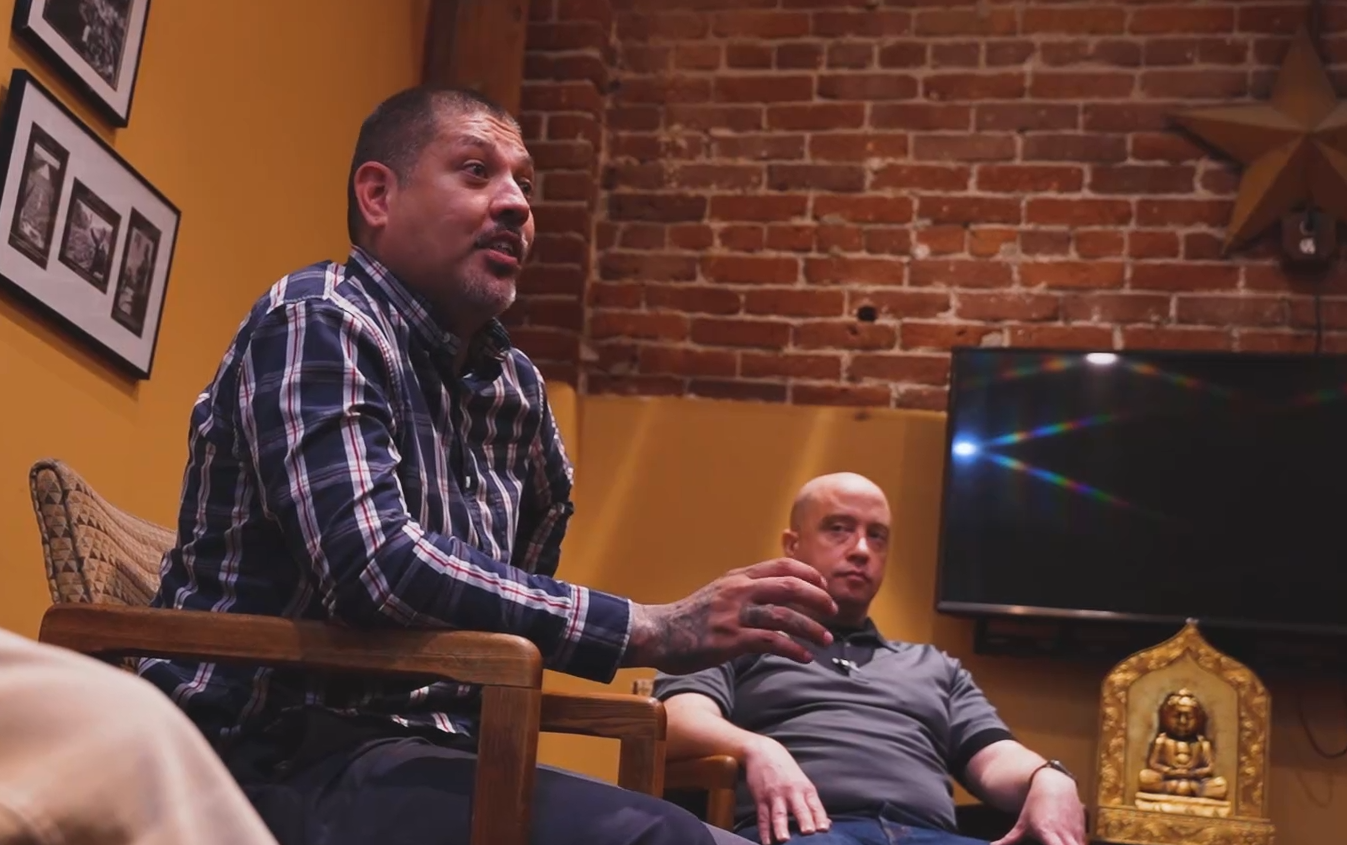
Incarcerated at 19 years old, Steven Bernal doubted change was possible for him as he faced decades in prison.
“I didn’t think returning to a community that I had devastated was going to be possible in any kind of positive or constructive way,” he said.
Instead, through support from CDCR institution staff and the Male Community Reentry Program (MCRP), where he spent the last several months of his sentence, he is now helping incarcerated people successfully reintegrate into their communities. Bernal now works as a counselor, employed by the Amity Foundation. He’s working at the same MCRP facility where he was a participant.
He had the opportunity to explore different paths while in prison through CDCR’s Career and Technical Education programs.
Bernal worked toward future
“This allowed me to test out what I wanted to do for the rest of my life,” he explained. “(And learn how to) just be able to take care of myself and build sustainability for the future.”
Bernal ultimately embarked on an academic path after deciding he wanted to become a counselor. While incarcerated and on parole, he earned a bachelor’s degree in sociology from California State University, Fresno. Now, he is pursuing an Alcohol and Other Drug (AOD) certification.
Returning to the MCRP as a counselor, he’s able to go back to his roots where he found opportunities. This opportunity allows him to give back.
While an MCRP participant, Bernal learned valuable skills to help with his reentry, including financial and emotional literacy.
“If I had just gone straight from prison to the community, (even though I was) committed to living a different life, that transition would have been very difficult,” he said.
Reentry programs are about second chances
“There’s a commitment to yourself that you make once you get here,” he said. “Take the chance, and you might surprise yourself about what you can do.”
He credits the support from CDCR and everyone who has seen the purpose behind this program.
“I don’t want to let that go unsaid because they are a big part of the reason why I changed,” he said.
In his current role, he’s proud of the changes he’s helping to make.
“For me, the most rewarding part is that I get to be a small part in helping someone make a life they never imagined they could have for themselves,” he said. “And that’s part of what makes us a safer community.”
Watch the video (story continues below):
Video by Ryan Herrera, Television Specialist, California Institution for Men
Story by Mary Xjimenez, information officer II, Office of Public and Employee Communications
Follow CDCR on YouTube, Facebook, X (formerly Twitter).
Read more rehabilitation stories.
Related content

Secretary leads San Quentin Learning Center tour
CDCR Secretary Jeff Macomber recently led a tour of the new San Quentin Learning Center for Governor’s Office staff and…
Read More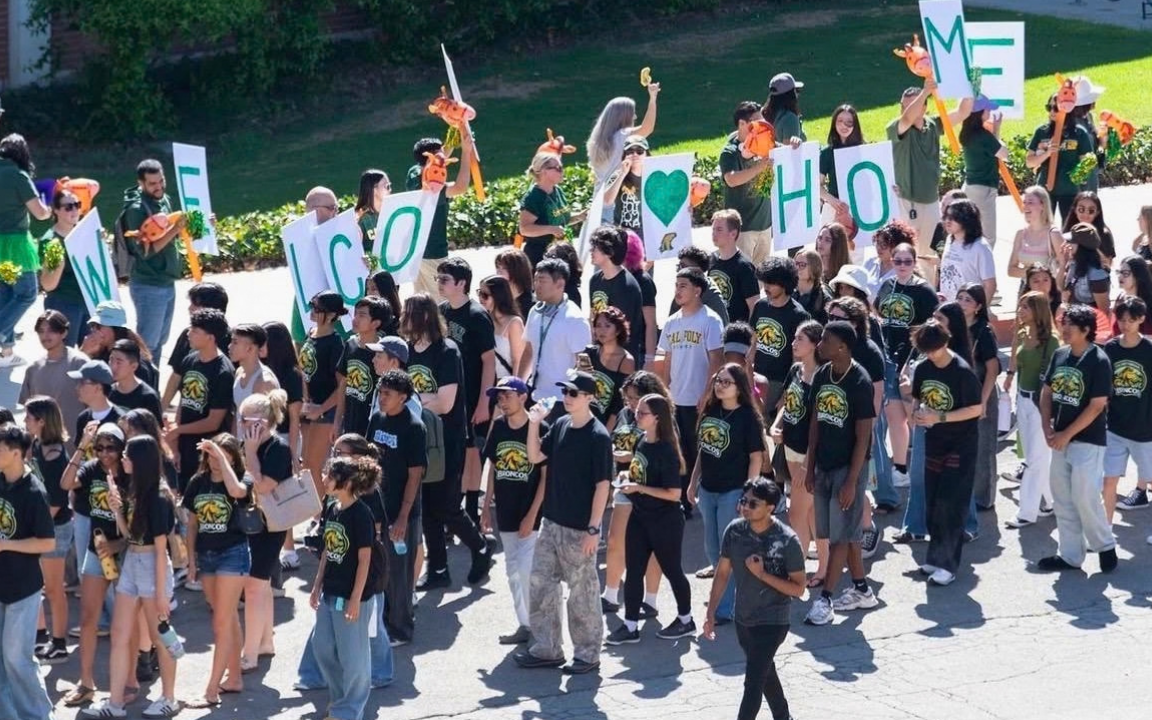
Winning design becomes milestone in MCRP student’s reentry
For Angel Paredes, seeing his design on thousands of Cal Poly Pomona shirts demonstrates the progress he’s made since leaving…
Read More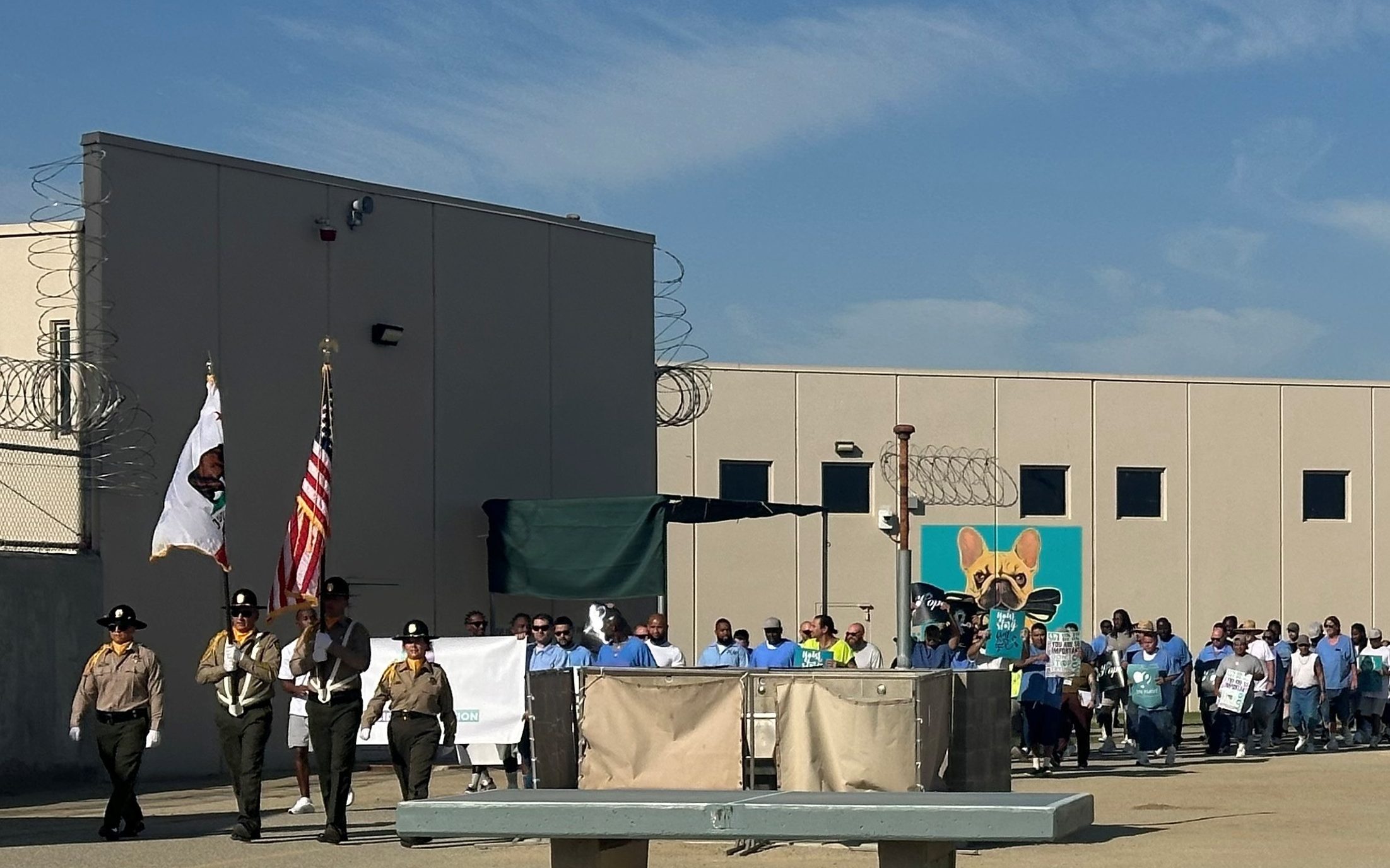
NKSP walks for Suicide Prevention
North Kern State Prison (NKSP) staff, leadership and the incarcerated population united to raise awareness during National Suicide Prevention Week.…
Read More