

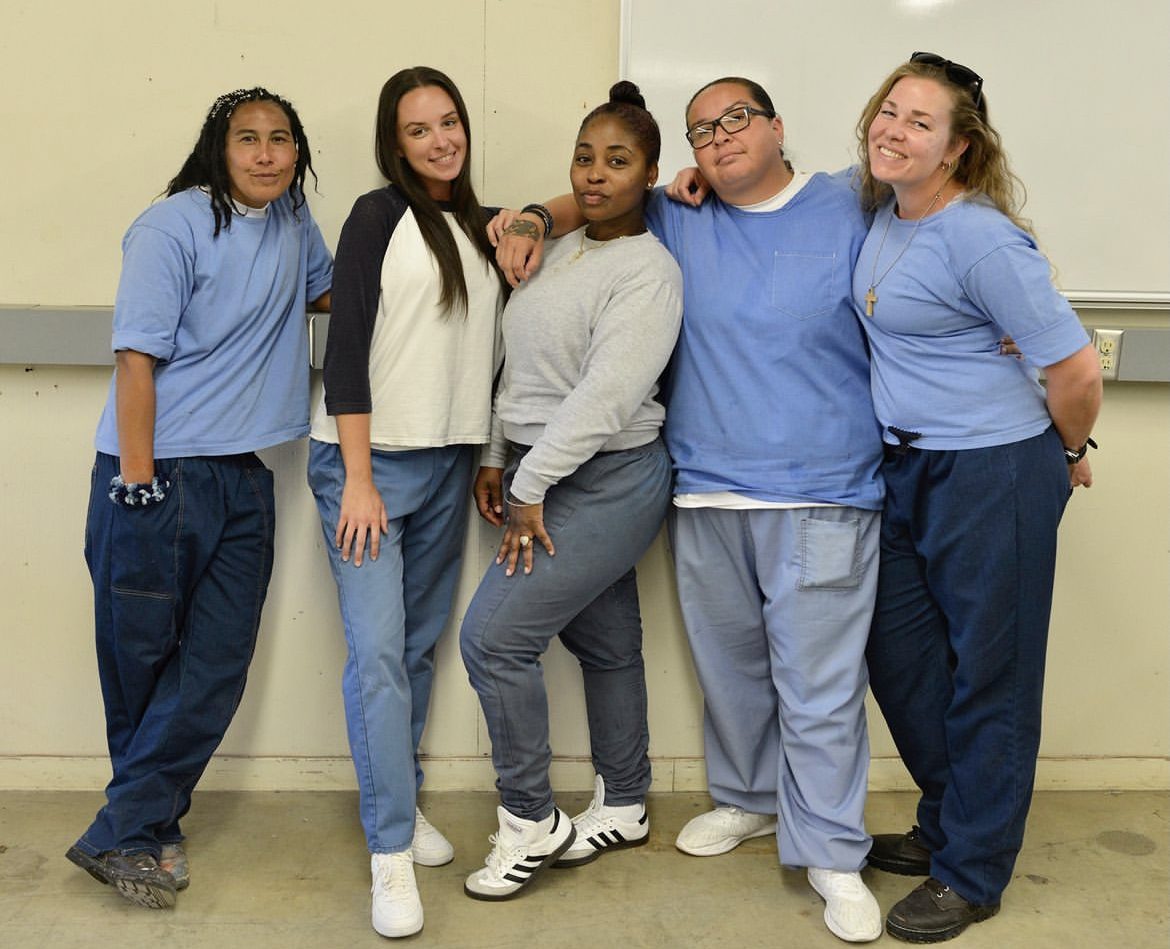
An incredible resource is growing quickly inside California prisons: Peer Support Specialists (PSS). They are incarcerated people trained to use their lived experiences to provide valuable and trusted recovery and rehabilitative support to their peers.
First launched at five CDCR institutions (CAL, ASP, CCWF, CMF and VSP), the Peer Support Specialist Program expanded to four more in June (CMC, SAC, SATF, and MCSP). All facilities statewide will have PSSP by June 2026. (*Editor’s note: Institution acronyms are defined below.)
Peer support services can help individuals address their challenges, manage situations before they become severe, and give incarcerated individuals the tools to be successful while incarcerated and when they are released back into their local community.
“It creates meaningful, paid opportunities for incarcerated individuals to make a difference and make life better for our staff.”
~ Deputy Director of Nursing Services Barbara Barney-Knox
Chance to earn certification for outside employment
The Peer Support Specialist Program offers participants the opportunity to obtain certification, providing employment and career opportunities upon their release from incarceration. While incarcerated, Peer Support Specialists can assist their peers with navigating CDCR/CCHCS programs, processes, and resources, provide emotional support, promote self-care management, teach their peers how to advocate for themselves, and support the path towards rehabilitation.
“There is a new Peer Support Specialist certification managed by the California Mental Health Services Authority, and we are training and paying incarcerated individuals to obtain and use that certification to support their peers as they cope with life in prison,” Deputy Director of Nursing Services Barbara Barney-Knox said. “And the great thing is, when Peer Support Specialists return to the community, they can use that certification to get desirable jobs, because those positions are desperately needed.”
Barney-Knox, the innovative leader who helped found the country’s first civil service Licensed Vocational Nurse to Registered Nurse Apprenticeship program, knows a good idea when she sees it.
“I’m really excited about the Peer Support Specialist Program,” Barney-Knox said. “It creates meaningful, paid opportunities for incarcerated individuals to make a difference and make life better for our staff.”
It’s already happening.
Heard on the Tier
- This spring, staff at CCWF actively sought out specialists to help navigate challenging situations. The program has delivered. Specialists have diffused tense interactions, provided emotional support during crises, and offered guidance on mental health concerns. Because of this, the collaboration between PSSP and staff have fostered a culture of mutual respect and support which local staff have highlighted to program leadership.
- Institution leaders at CAL are utilizing the PSSP to spread important awareness information about overdose and the overdose reversal medicine, Narcan, to educate incarcerated people via a trusted source of information.
- At ASP in April, an incarcerated person was at their breaking point with staff. Before the situation could escalate, a PSS reached out to deploy conflict resolution and effective communication. A quick lesson in self-advocacy guided the conflict to a painless resolution. The yard’s captain admitted they were surprised by the swift de-escalation. “If this is what the program is about, I’m for it,” the captain said.
- The same month at ASP, specialists reversed all 37 cancer screening refusals on a yard, after assisting visits with primary care teams.
- Later in April, VSP staff asked the PSSP to assist in achieving a crucial goal: recruiting participation for Nursing-Led Therapeutic Groups. The promotional strategy included peer engagement, resulting in over 100 new sign-ups for the groups.
- A month later at CMF, an incarcerated person confessed to a PSS they were ready to receive help to stop their substance use. While they were concerned about punishment for previously using, the PSS established trust with the individual. The PSS then joined their meeting with a certified medical assistant to help build the path to recovery.
Changes are happening inside thanks to Peer Support Specialists
These are a few of the many real-life changes happening through the PSSP. By connecting with people with similar life experiences, individuals can get the help they need. Specialists also help staff better understand what’s going on with an incarcerated person and develop an effective response.
The program enhances the quality of life for the population, while supporting valued and employable people.
Acronyms defined
*CAL-Calipatria State Prison; ASP-Avenal State Prison; CCWF-Central California Women’s Facility; CMF-California Medical Facility; VSP-Valley State Prison; CMC-California Men’s Colony; SAC-California State Prison, Sacramento; SATF-Substance Abuse Treatment Facility and State Prison at Corcoran; MCSP-Mule Creek State Prison.
Similar names, different programs
Peer Support Program
- Established in 1985
- Provides an empathetic ear and professional help to CDCR and CCHCS staff who experience trauma
- Volunteer program
- Volunteers attend a 24-hour training by the Office of Employee Wellness, and yearly on-the-job training
Peer Support Specialist Program
- Established in 2022
- California Model initiative
- Designed to provide support and resources to the incarcerated population
- Paid positions for incarcerated individuals
- Participants receive 240 hours of training including California state required core competencies
By Ike Dodson, Information Officer II, CCHCS
Learn more about the California Model on the CDCR website.
Read more rehabilitation stories.
Follow CDCR on YouTube, Facebook, X (formerly Twitter). Listen to the CDCR Unlocked podcast.
Related content

Watch: CCWF hosts first‑ever film festival in a women’s prison
California Women’s Facility (CCWF) in Chowchilla is again making history. The same institution that hosted the first graduation of peer…
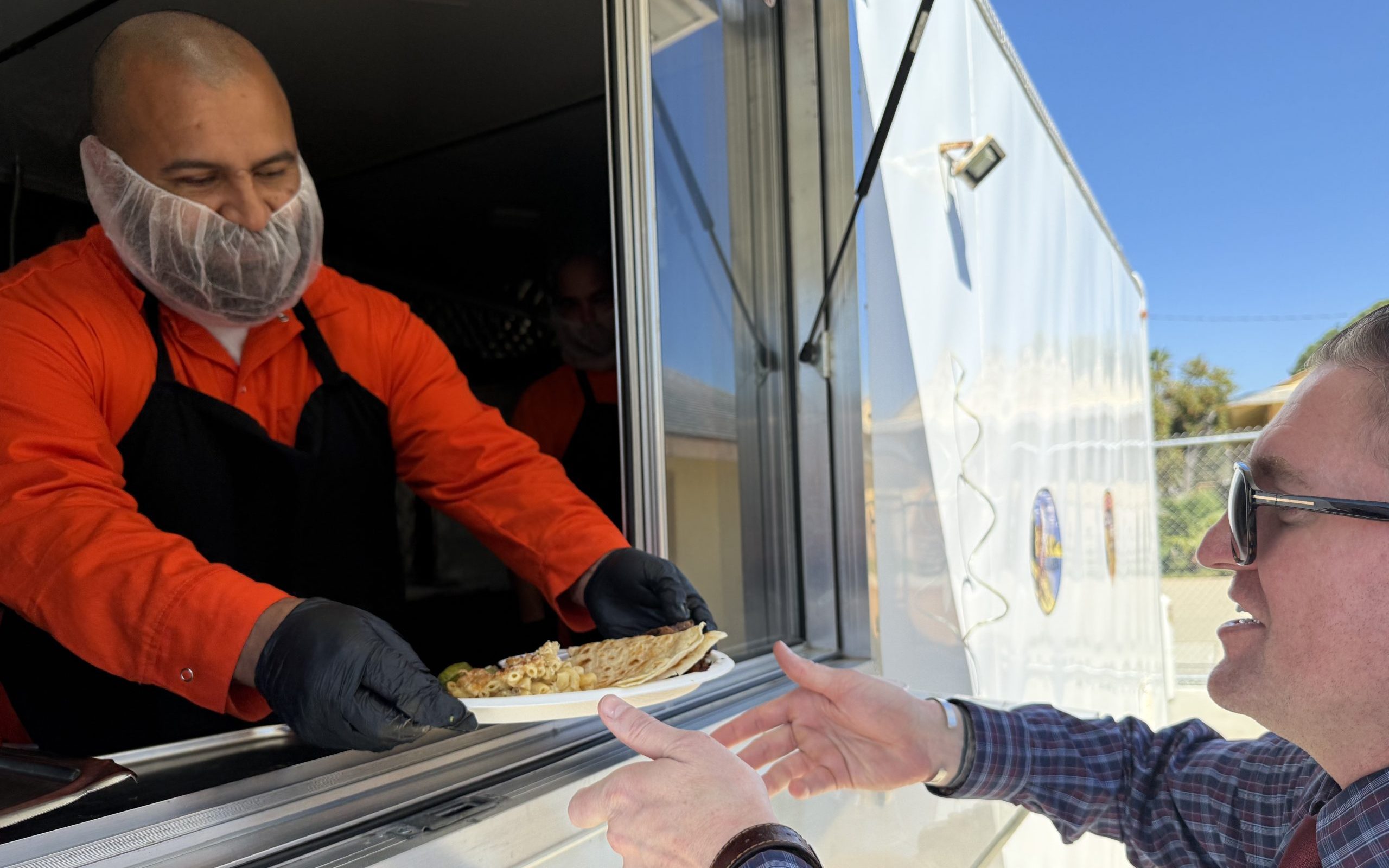
Latest cohort graduates CMC culinary program
The 23rd cohort of the Culinary Arts Program offered by Cuesta College and California Men’s Colony (CMC) graduated March 19.…
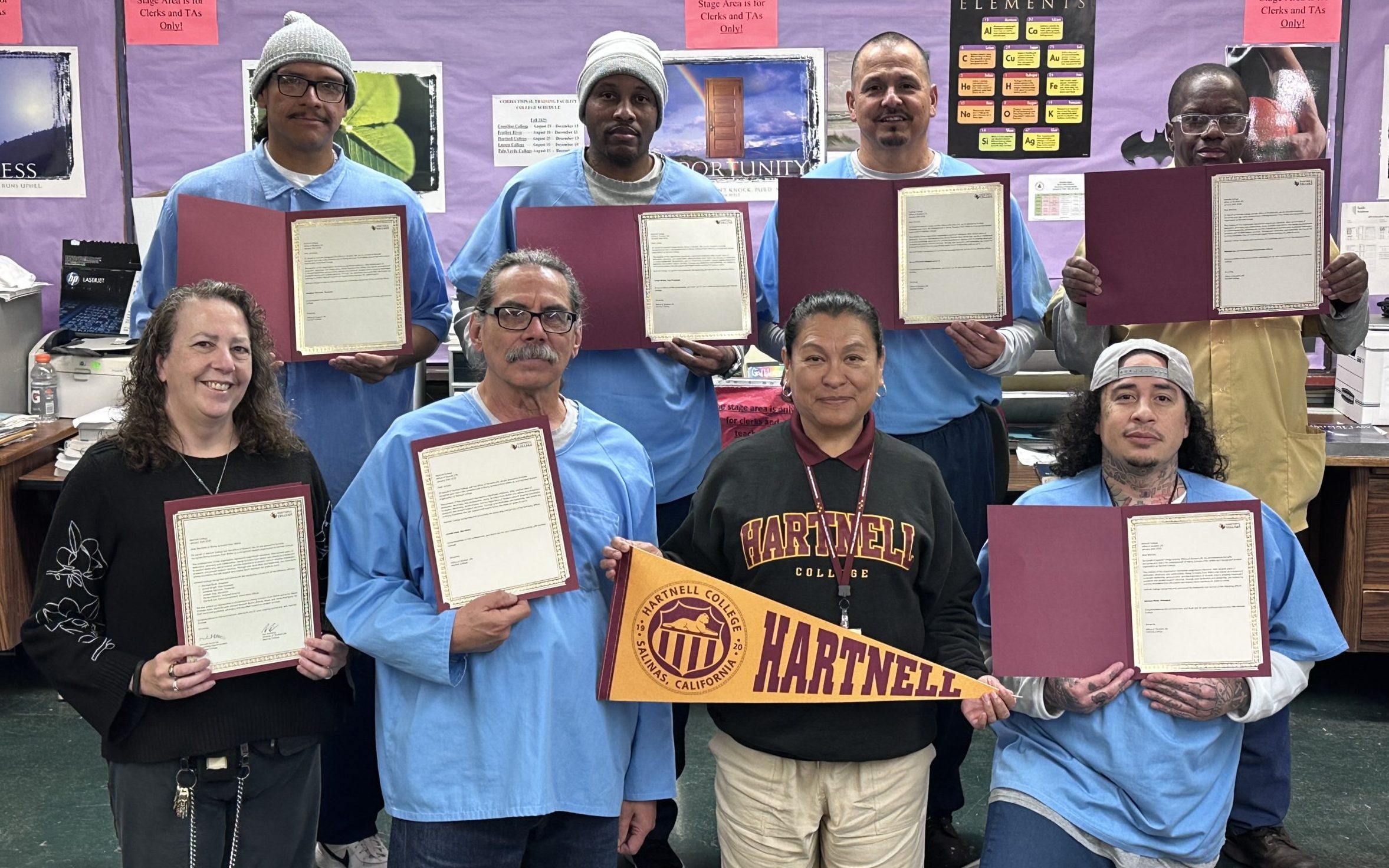
A closer look at CTF Rising Scholars program
The Rising Scholars from Within (RSFW) program at the Correctional Training Facility (CTF) is a partnership with Hartnell College. The…
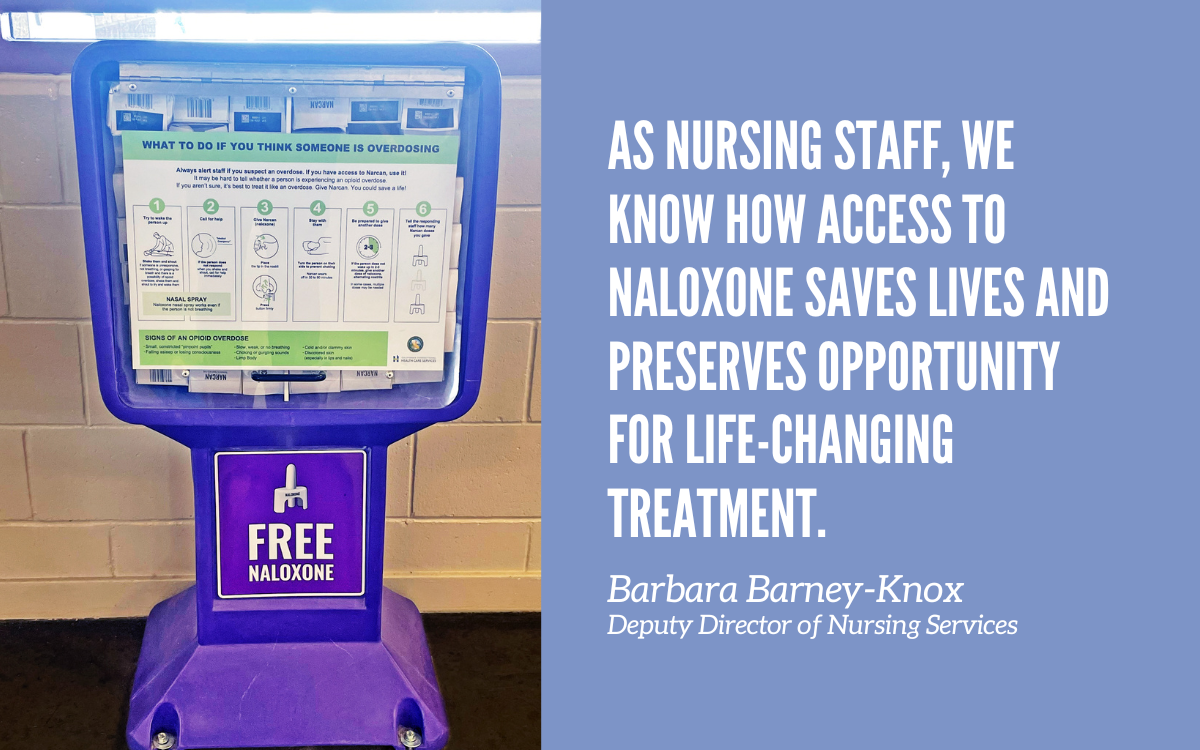
Life‑saving era: CDCR expands naloxone access
To decrease overdose deaths in California prisons, CDCR has expanded unprecedented access to naloxone. Commonly known by its brand name,…
Watch: Bonding on the Field: CIM flag football
On a foggy Friday afternoon at California Institution for Men (CIM) in Chino, competition and camaraderie came together as players…

Centinela hosts Saints Prison Ministry softball
Saints Prison Ministry visited Centinela State Prison (CEN) to engage incarcerated persons on three facilities in friendly yet competitive softball…