

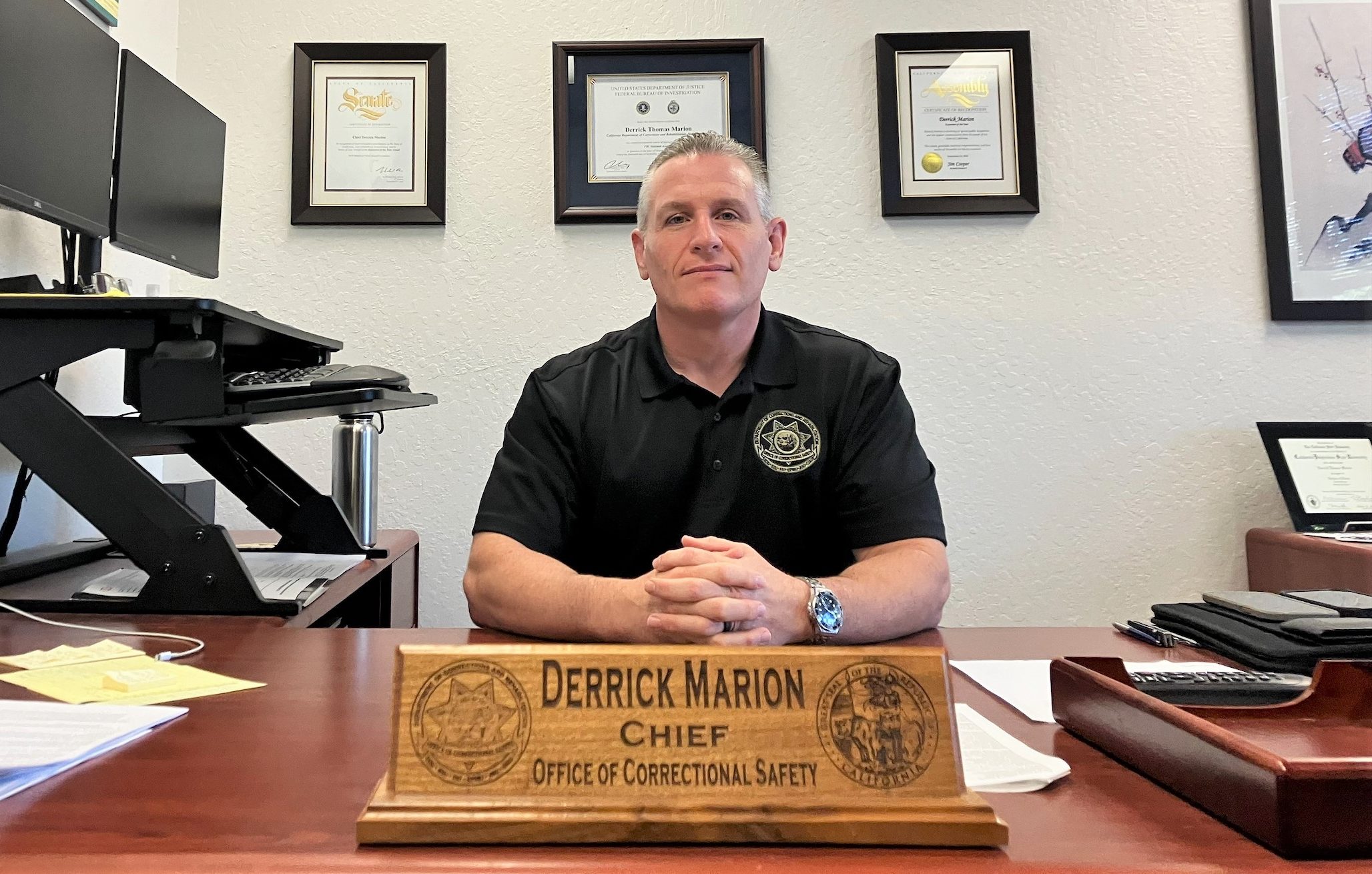
After nearly 30 years of helping the state of California achieve its public safety mission, Derrick Marion is retiring. Since 2015, he’s overseen approximately 170 staff as the chief of the Office of Correctional Safety.
He previously worked in the CDCR Office of Internal Affairs as a special agent, senior special agent and special agent in charge from 2007 to 2013. Before joining CDCR, Marion worked for the California Department of Alcoholic Beverage Control for 10 years as an investigator, supervising investigator and district administrator. He’s also served as an adjunct instructor at American River College.
Before his retirement, Inside CDCR caught up with Chief Marion.
Q&A with Derrick Marion, chief of Office of Correctional Safety
How would you describe the Office of Correctional Safety to someone who is unfamiliar with the work you do?
The Office of Correctional Safety (OCS) is a hybrid unit focusing on criminal investigations, investigative intelligence, gang management, fugitive apprehension and emergency preparedness and management. Some have equated OCS to a law enforcement and investigative unit for CDCR. We also act as the department’s primary liaison to the California Office of Emergency Services and other law enforcement agencies. The OCS mission is: “Protecting the public and serving the investigative and security interests of the California Department of Corrections and Rehabilitation.”
What are some of your proudest career accomplishments?
As a program, two significant accomplishments were multi-year task force investigations that led to Racketeer Influenced and Corrupt Organizations (RICO) Act indictments and convictions of the influential gang members in our custody.
One case involved the Aryan Brotherhood where a large number of the gang’s leaders and influential members who were causing violence in our prisons were convicted in federal court. The second case involved the Nuestra Familia where the entire leadership structure of the gang were indicted and convicted in federal court. Both cases will result in some of our most dangerous incarcerated persons being transferred to federal custody.
On a personal level, one of my most rewarding experiences was attending and graduating the FBI’s National Academy in 2019 (read the story). The National Academy is a 10-week, live-in course for law enforcement executives. The course is held at the FBI academy in Quantico, VA.
Who were some of your mentors and how did they help your career?
Throughout my career with CDCR, I have had the honor to work with, and for, many influential leaders. Two people who impacted me were Ralph Diaz and Kathleen Allison. I worked with both of them when they were in the Division of Adult Institutions. Eventually, I reported directly to both of them when they became Undersecretaries. I continued to work with/for them when they each became the Secretary. Both Ralph and Kathy treated me with trust and respect, creating an environment where we were encouraged to collaborate on some of the department’s greatest challenges. I feel like they appreciated the unique perspective OCS and I offered.
Unlike most people in our department’s leadership, I did not start my career working in the prisons. On one occasion Ralph told me, “I don’t need another person to tell me how corrections would handle an issue.” He said he was surrounded by people with that perspective. Instead, he wanted to hear how I would handle the issue.
I appreciated the fact that Ralph recognized I could offer a different perspective. Both Ralph and Kathy also were tremendously supportive of me and OCS and that has always been appreciated.
What advice would you give someone considering a career in corrections?
CDCR offers a lot of variety in terms of jobs and locations. My advice would be for new employees to identify a long-term goal for their career. Then they should identify short-term goals to move them incrementally towards their long-term goal. Often, this will include taking exams, volunteering for acting and out-of-class assignments, and promoting. You have to continually challenge yourself to ensure growth and avoid stagnation. In addition, you need to try to maintain a healthy and active lifestyle outside of work. This is critical to mitigating the stressors involved in this field of work.
What are some of the biggest changes you’ve seen in the department?
I’d say the most noticeable changes have been the population reduction, prison closures, and the full investment into rehabilitation. When I joined CDCR, we were struggling with overcrowding which impeded rehabilitation. The investment in the California Model has been a paradigm shift for our department, and I am looking forward to watching the evolution from a new perspective.
How do you help maintain a work/life balance?
I have tried to stay physically active for most of my life. I routinely work out and have been active in Brazilian Jiu Jitsu for almost 25 years. These activities have helped me reduce the impact of stress. I also have RV camped with my family for many years. This has been a great way to enjoy different parts of California with my wife, kids and extended family.
Anything else you’d like to add?
As I retire, I feel incredibly fortunate for having had the opportunity to represent to great staff in OCS. There is never a boring day in OCS and working alongside the OCS staff has been a true privilege.
Story by Don Chaddock, Inside CDCR editor
See more stories highlighting CDCR/CCHCS staff.
Follow CDCR on YouTube, Facebook, X (formerly Twitter).
Related content

Centinela holds first Dodgeball Tournament
The first Centinela State Prison Dodgeball Tournament was held as a fundraiser for Officer Aguilar, a staff member battling illness.…
After 29 years, Undersecretary Barretto prepares for retirement
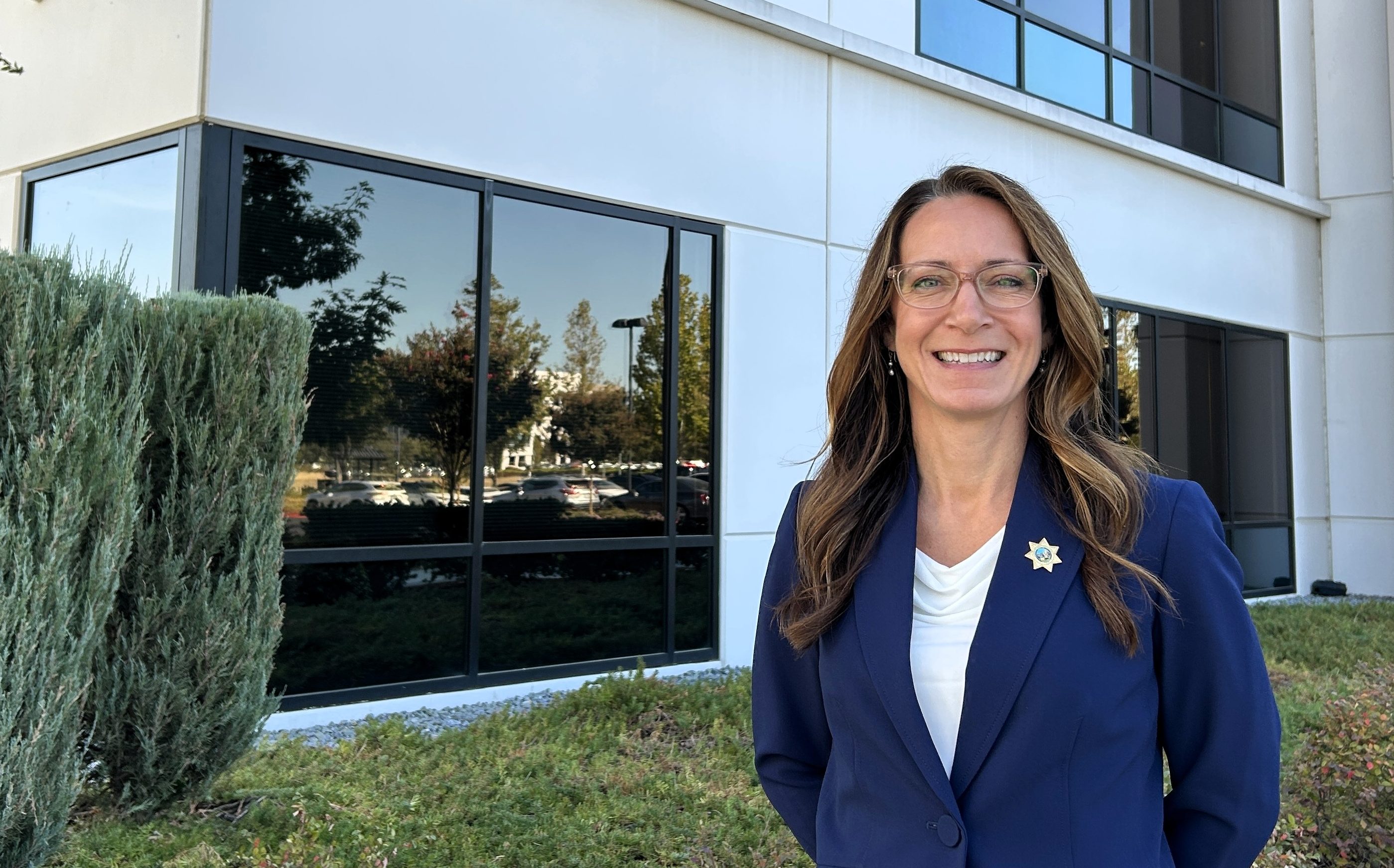
Jennifer Barretto has committed nearly 30 years to public service in California, contributing to the success of corrections and rehabilitation.…
Espinoza begins CDCR career same day her father retires
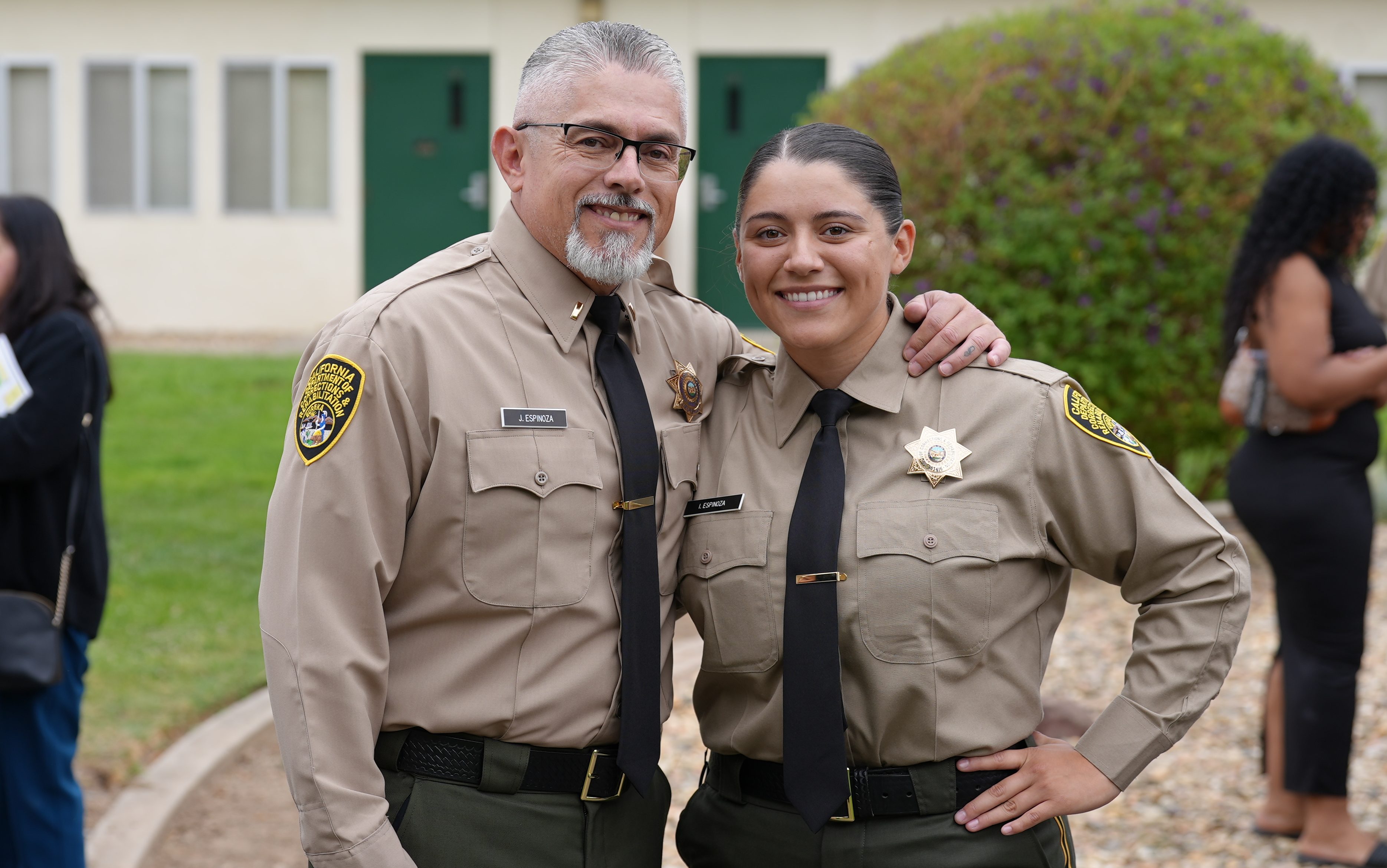
Editor’s note: Isabella Espinoza graduated the academy with Class 3-26A, beginning her CDCR career the same day her father retired…
LAC hosts Suicide Awareness Month events for staff
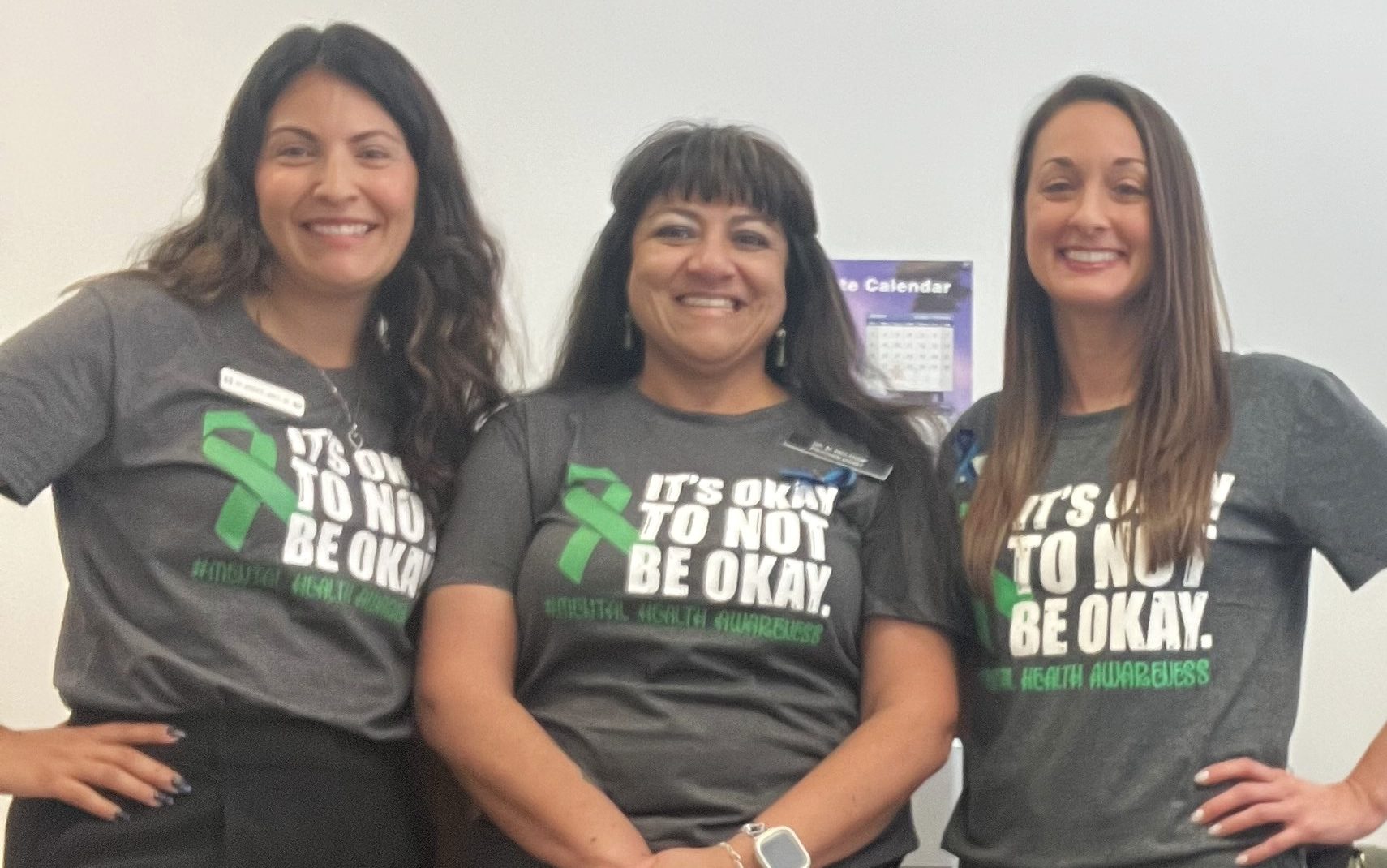
California State Prison-Los Angeles County (LAC) staff participated in multiple initiatives to highlight Suicide Awareness Month. The observances and activities…

Pelican Bay hosts annual Employee Appreciation Day
The annual Employee Appreciation Day at Pelican Bay State Prison (PBSP) in Crescent City brought staff together for camaraderie, competition…

CHCF thanks staff through third annual automotive show
The California Health Care Facility (CHCF) in Stockton recently hosted its third annual automotive show. This event provides staff with…