

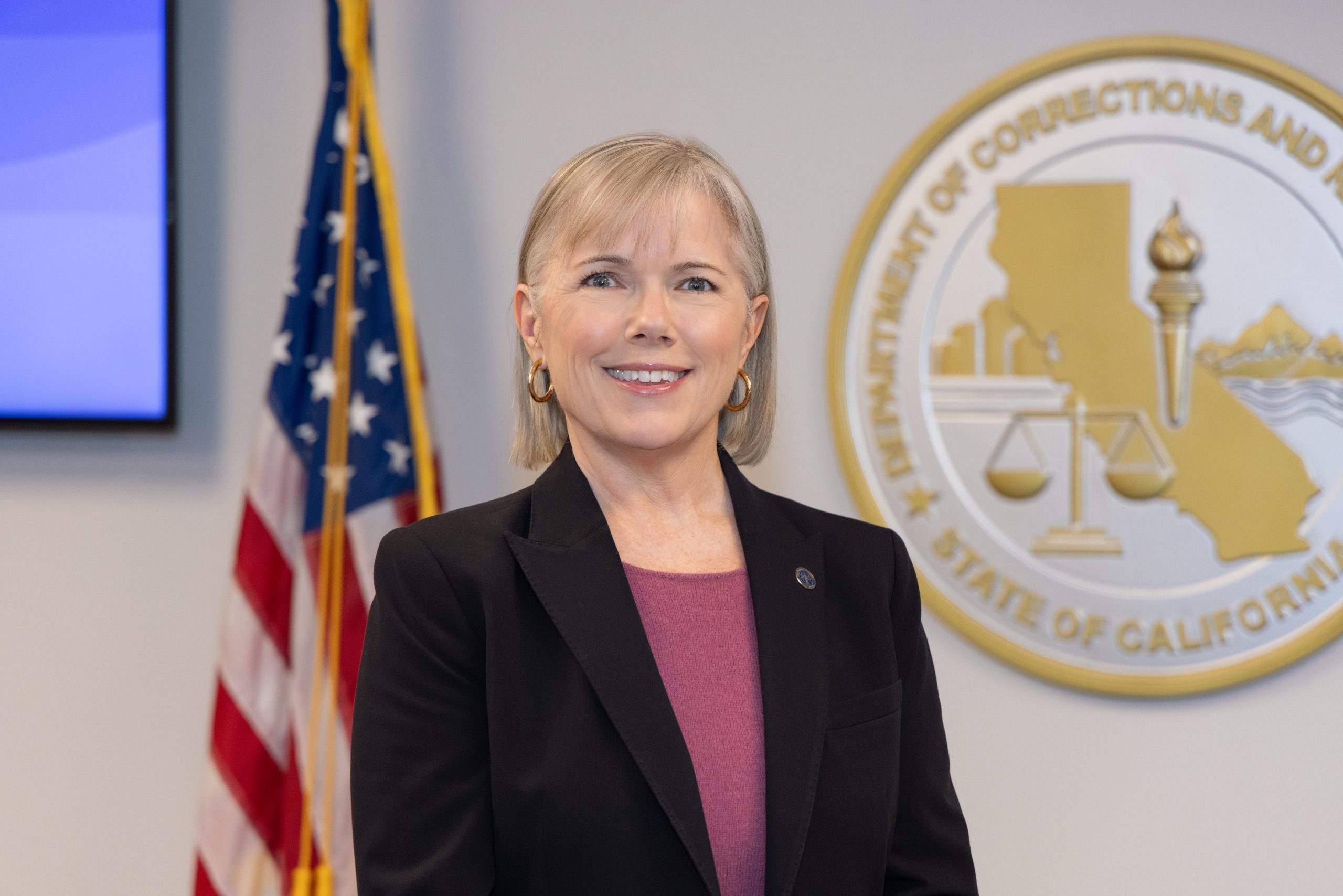
Board of Parole Hearings (BPH) Executive Officer Jennifer Shaffer is retiring after serving in key roles with the state for 31 years.
In 2011, she was appointed BPH executive officer by Governor Jerry Brown. In this role she has been responsible for managing daily operations and implementing policies for the Board.
She previously served as the Board’s chief of hearing operations for the Northern Region.
Prior roles included:
- Special assistant inspector general, senior assistant inspector general with the Office of the Inspector General from 2006 to 2011
- From 2004 to 2005, was assistant director and assistant secretary for Office of Victim and Survivor Rights and Services
- Counsel and analyst for California Performance Review in 2004
- Staff counsel and deputy executive officer for the Victim Compensation and Government Claims Board from 1997 to 2004
- Counsel to the Assembly Committee on Public Safety in 1996
- From 1993 to 1996, worked on criminal justice policy and legislation at the Attorney General’s Office.
Before her retirement, Inside CDCR caught up with BPH Executive Officer Shaffer.
Q&A with Jennifer Shaffer, BPH executive officer
What accomplishments are you most proud of during your tenure as BPH executive officer?
I think above all, I am proud of the culture at the board. We understand and appreciate the profound impact our decisions have on incarcerated people, victims, survivors, their families, and our communities. We work hard to foster a culture of professionalism, respect, adherence to the law, transparency, curiosity, and continuous improvement.
(The board is) always seeking new ways to approach the very complex and difficult decisions we are responsible for making, using the law and the best information and risk-relevant research available. It has resulted in a parole hearing process that is more fair, respectful of incarcerated people, victims, and survivors, and that has safely released over 12,000 people serving life with the possibility of parole or long determinate sentences.
When I first came to the board, it was rare for an incarcerated person to know anyone who had been granted parole. That’s not the case anymore and I truly believe it has brought hope into our prisons, helping to encourage thousands of people to do the very hard work necessary to rehabilitate and successfully transform their lives, which I believe has made our prisons safer for staff, the incarcerated population, and volunteers
What are some of biggest changes you’ve seen regarding the parole hearing process?
There have been many significant changes regarding the parole hearing process over the past 14 years. We have seen parole eligibility expand with changes in the law implementing youth offender hearings and elderly parole hearings. We have witnessed the Board become more professional and make evidence-based decisions through extensive training, greater transparency, and by adopting a structured decision-making framework. Also, we used technology to automate and streamline many administrative aspects of the parole hearing process, to go “paperless,” and to conduct hearings by videoconference.
The changes have been significant, and we have learned a lot about the transformative power of hope and the resiliency of the human spirit from all those who participate in the parole hearing process.
You’ve been a proponent of transparency and educating the public. What opportunities do you see for helping the public better understand the process?
My hope is that the Board will continue to seek ways to help the public better understand the process through meaningful outreach, publications like the Parole Hearing Process Handbook and videos like those recently produced by the nonprofit Parole Justice Works. They explain the parole hearing process from the perspective of formerly incarcerated persons, board members and staff, attorneys, victims, and survivors.
Story Mary Xjimenez, information officer II
Office of Public and Employee Communications
See more stories highlighting CDCR/CCHCS staff.
Follow CDCR on YouTube, Facebook, X (formerly Twitter). Listen to the CDCR Unlocked podcast.
Related content
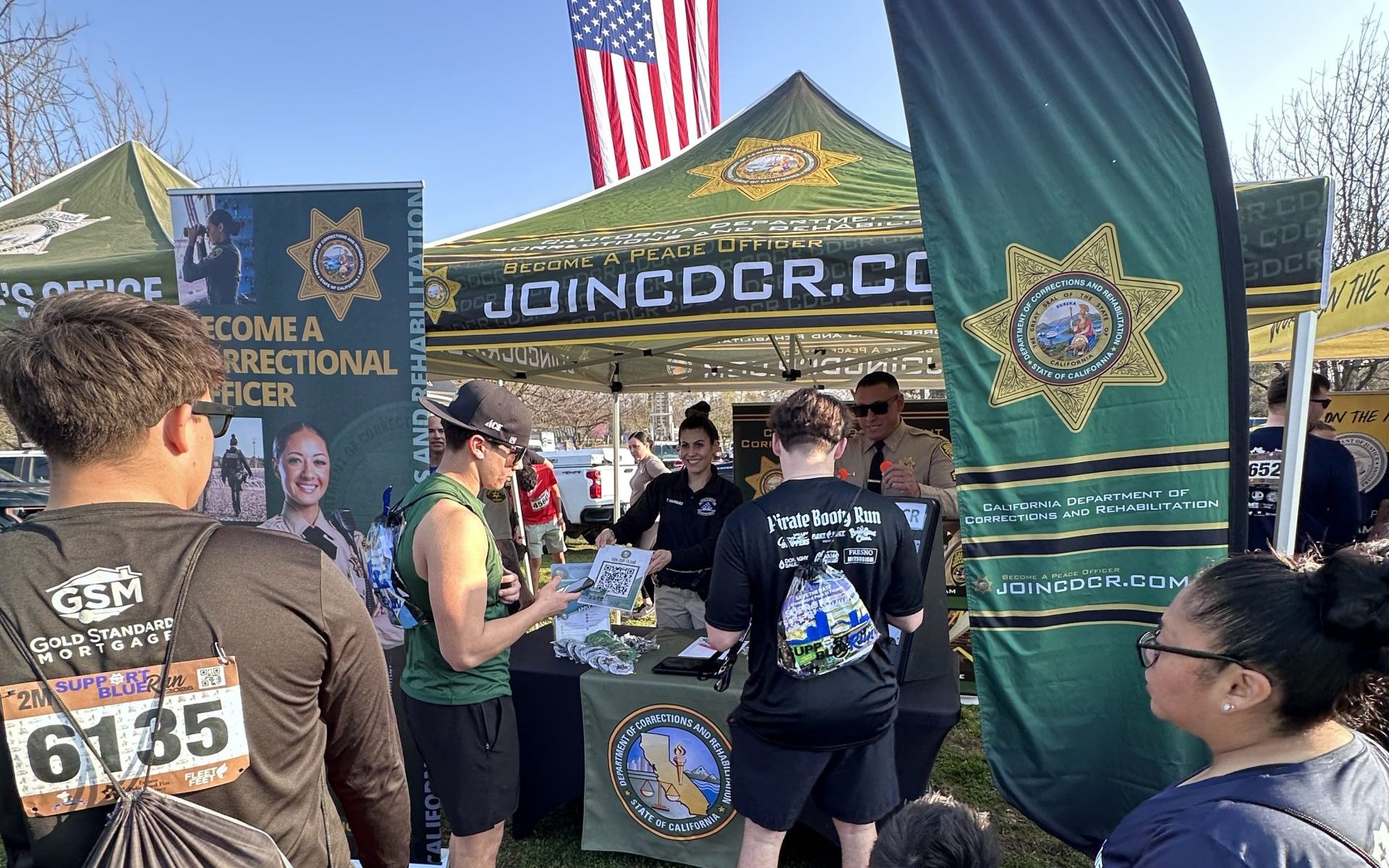
VSP recruiters attend Fresno’s Support Blue Run
On behalf of the Peace Officer Recruitment Unit, Valley State Prison (VSP) recruiters proudly participated in the annual Support Blue…
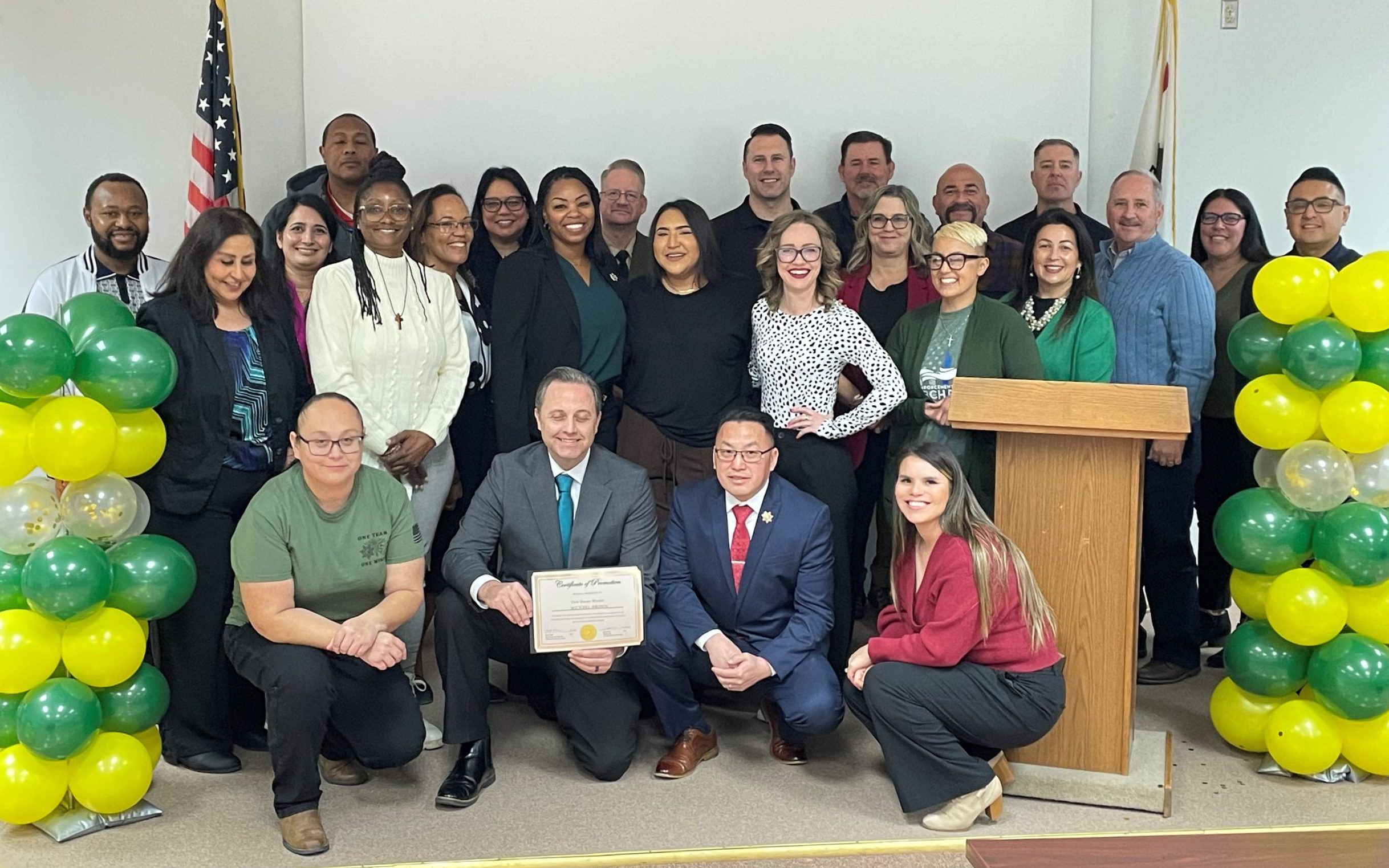
CHCF hosts second staff promotional ceremony
California Health Care Facility (CHCF) in Stockton hosted its second promotional ceremony on Friday, Feb. 20, honoring nine staff members…
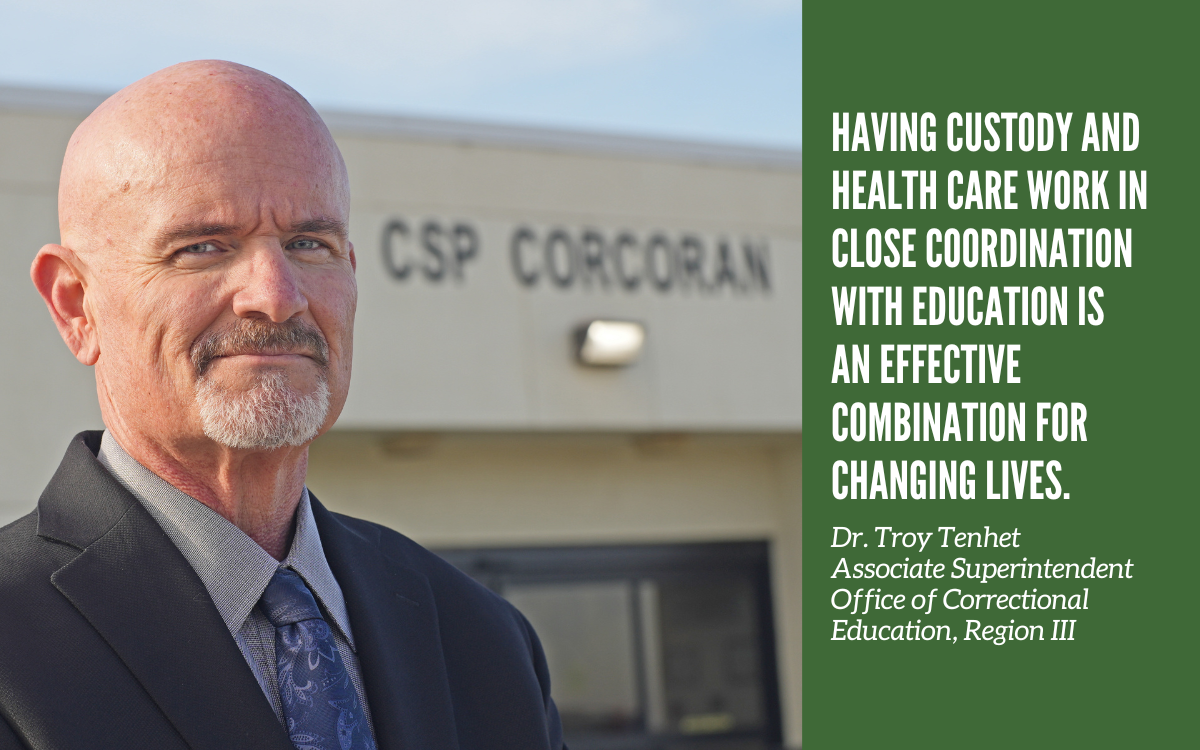
Meet Troy Tenhet, OCE associate superintendent
Troy Tenhet, associate superintendent for the Office of Correctional Education (OCE), knows exactly when he found his calling. After a…
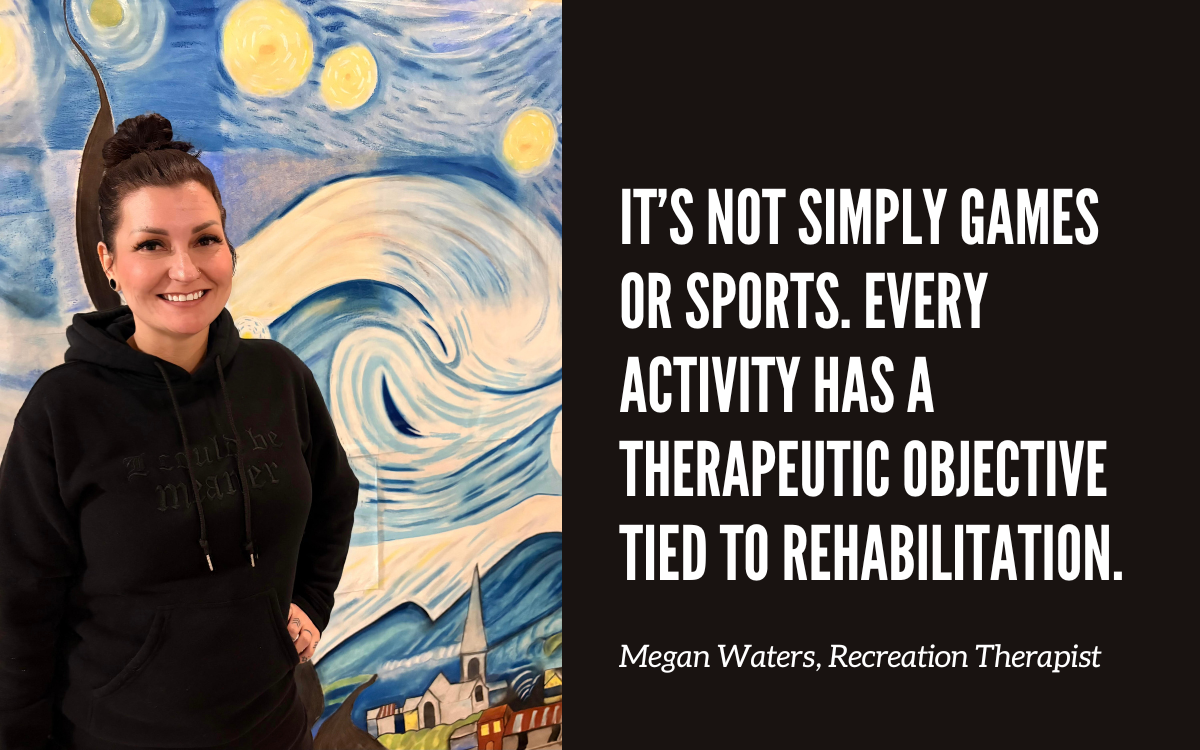
Meet Megan Waters: Turning recreation into rehabilitation
While a game of dominoes or an art project may look like recreation, to Recreation Therapist Megan Waters, these structured…
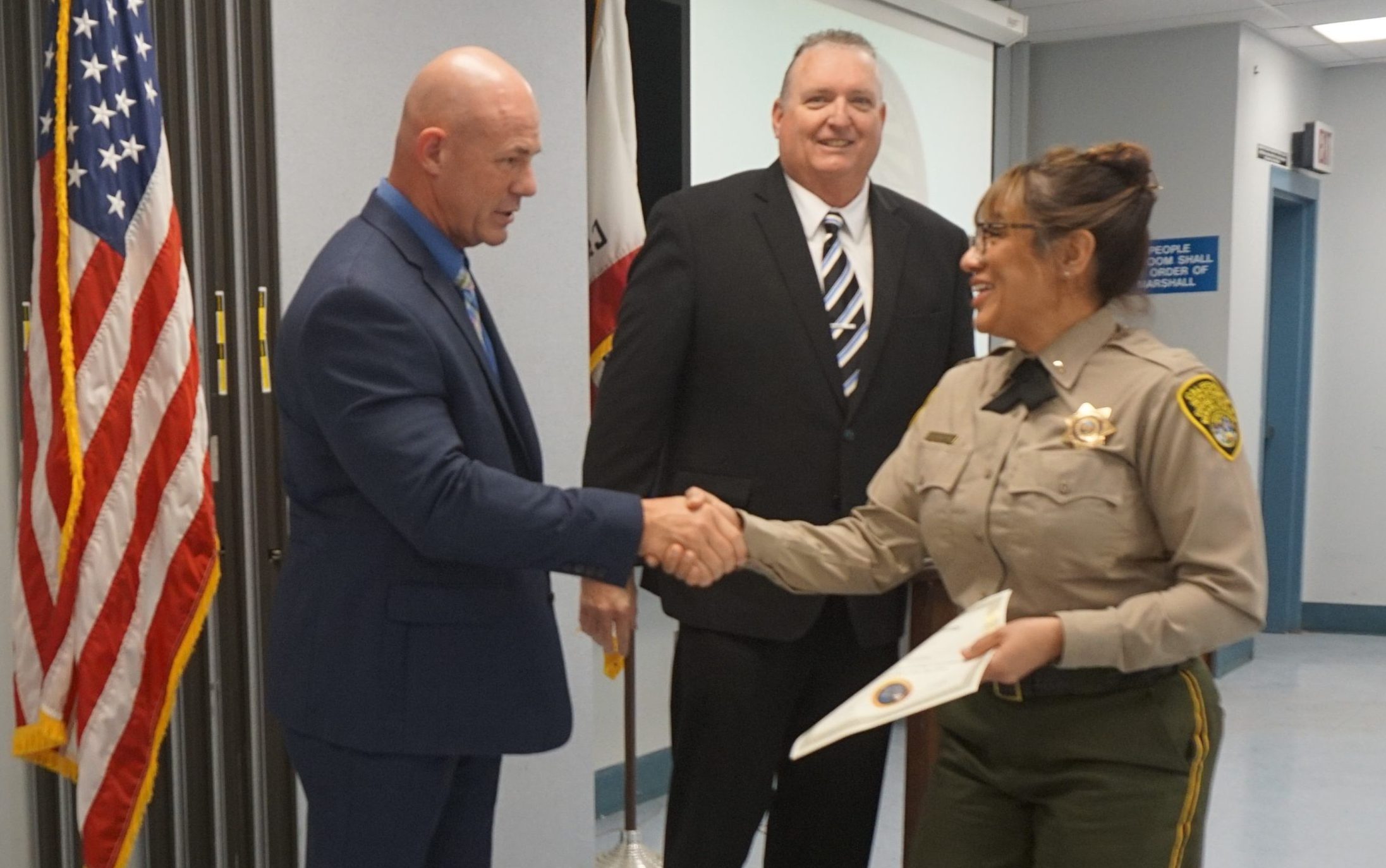
Kern Valley hosts staff promotion ceremony
Kern Valley State Prison held its quarterly staff promotion ceremony to celebrate multiple career advancements including eight custody and six non-custody positions.
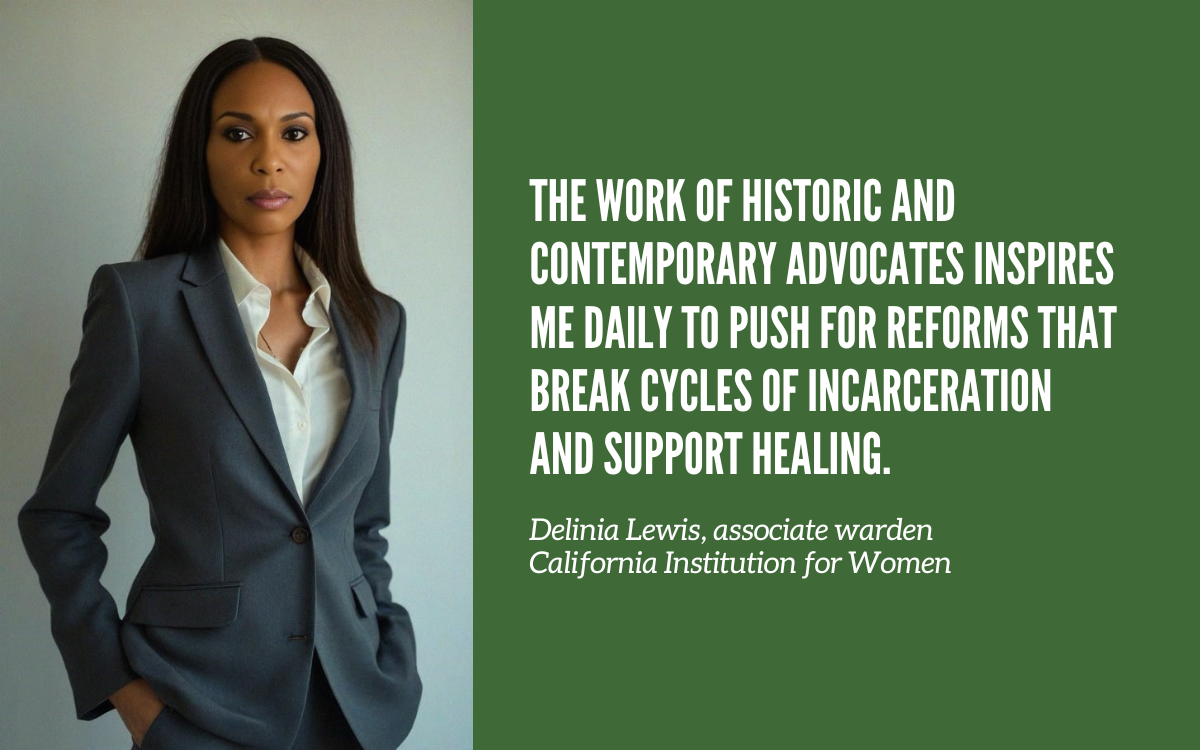
Black History Month holds special meaning for AW Lewis
For Associate Warden (AW) Delinia Lewis, Black History Month holds special meaning as a woman of color who has risen…