

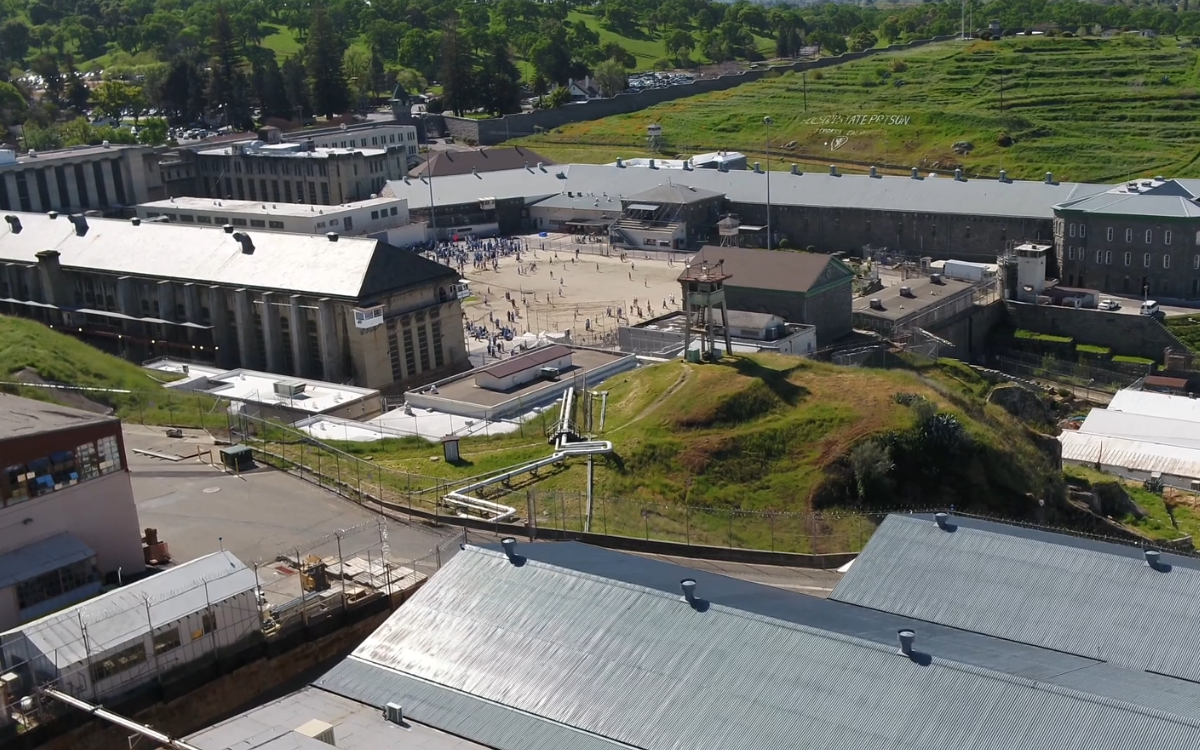
CDCR reorganization means the department is switching to a regional leadership structure beginning Jan. 1, 2025.
This way, leaders will be closer to the prisons they manage, making it easier to oversee day-to-day operations.
This new structure brings together key areas like the Division of Adult Institutions (DAI), California Correctional Health Care Services Regional Administrators, Division of Adult Parole Operations, and Division of Rehabilitative Programs
The goal is simple: to work more efficiently, improve communication, and provide better support for staff and the incarcerated population.
This change is part of CDCR’s commitment to improving the system for everyone involved.
Watch the video (story continues below):
What is regionalization?
Regionalization means dividing CDCR’s DAI operations into four regions to align with other divisions, each with its own leadership team. Here’s a breakdown of the regions and the institutions they will oversee:
Region I: Sacramento
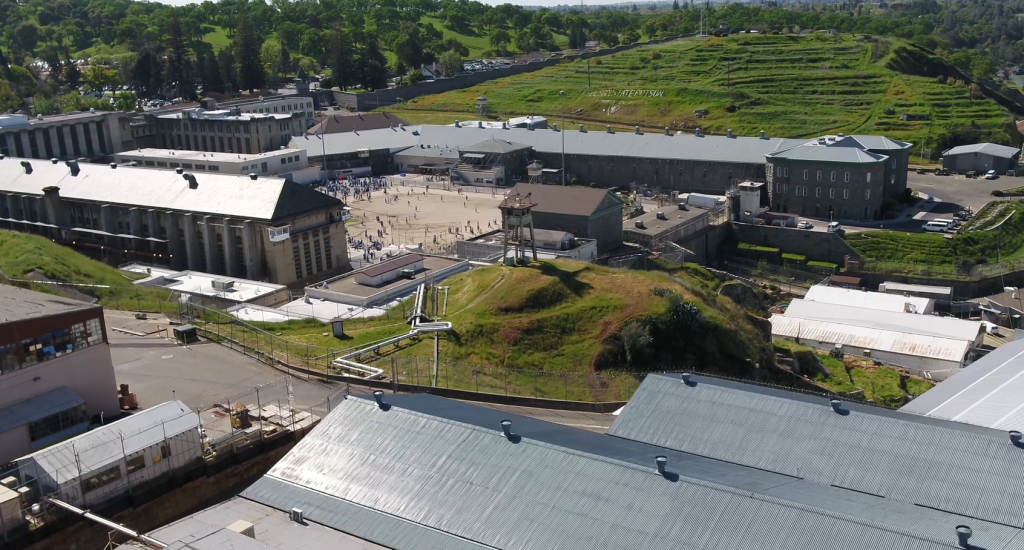
- Folsom State Prison
- California State Prison, Sacramento
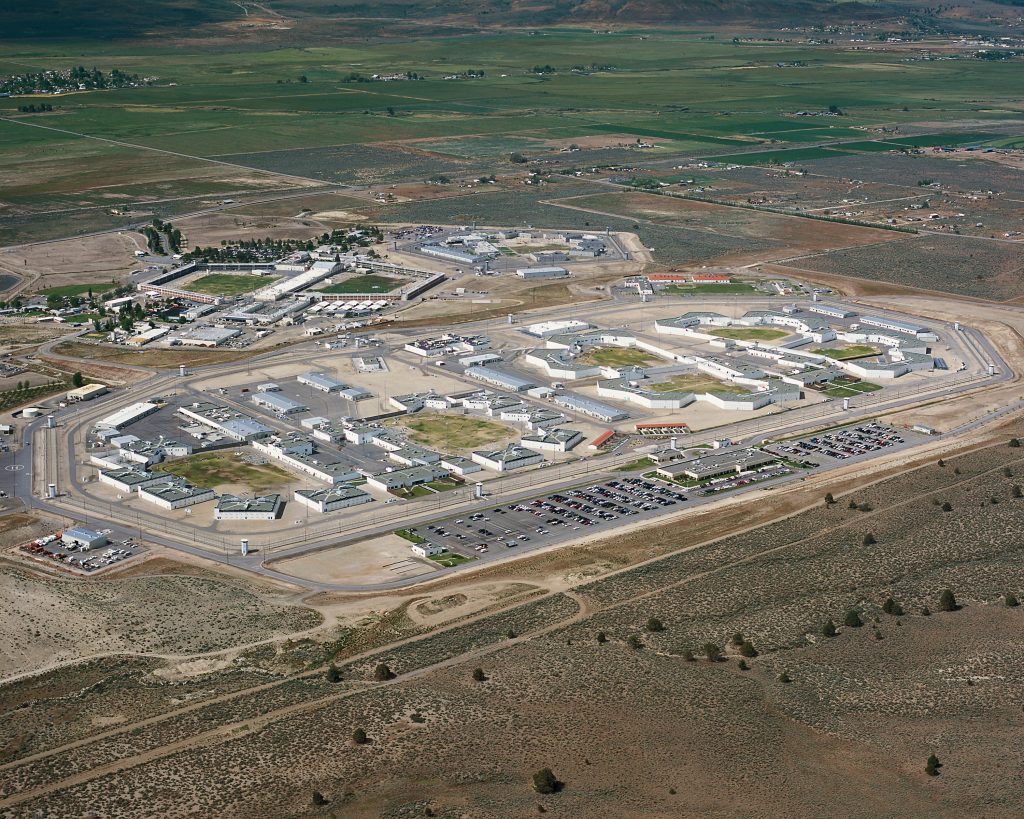
- High Desert State Prison
- Pelican Bay State Prison
- Mule Creek State Prison
- Sierra Conservation Center
- California State Prison, Solano
- and San Quentin Rehabilitation Center.
Region II: Fresno
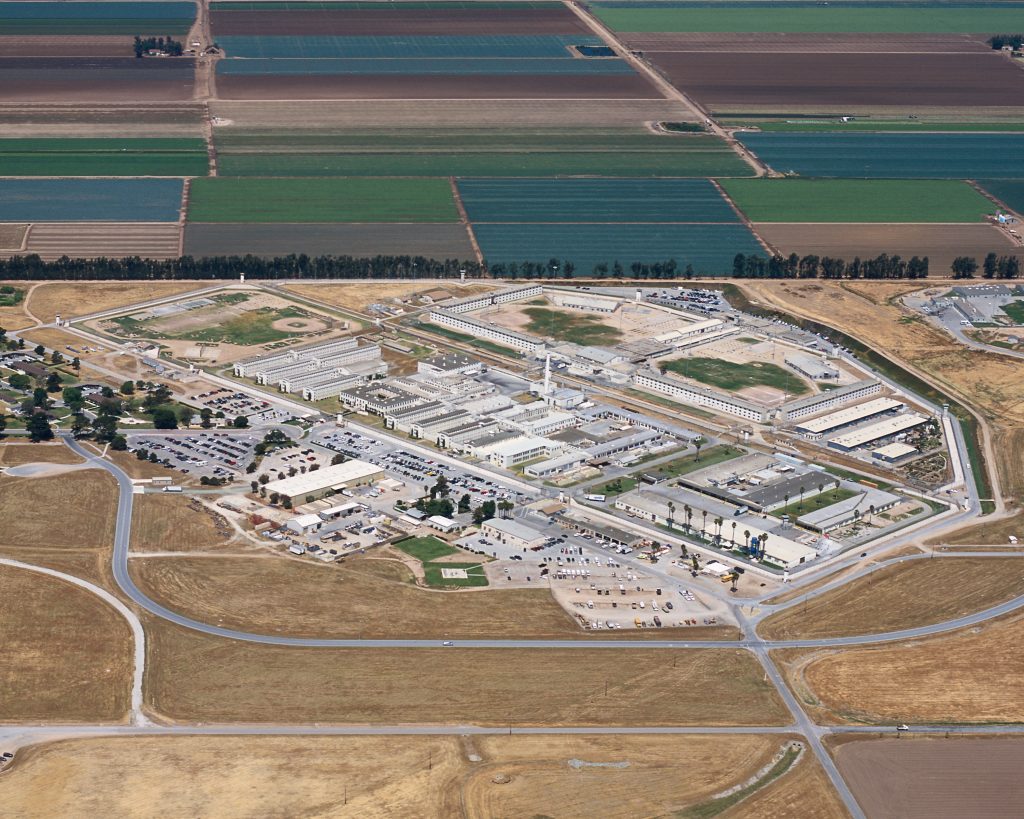
- Central California Women’s Facility
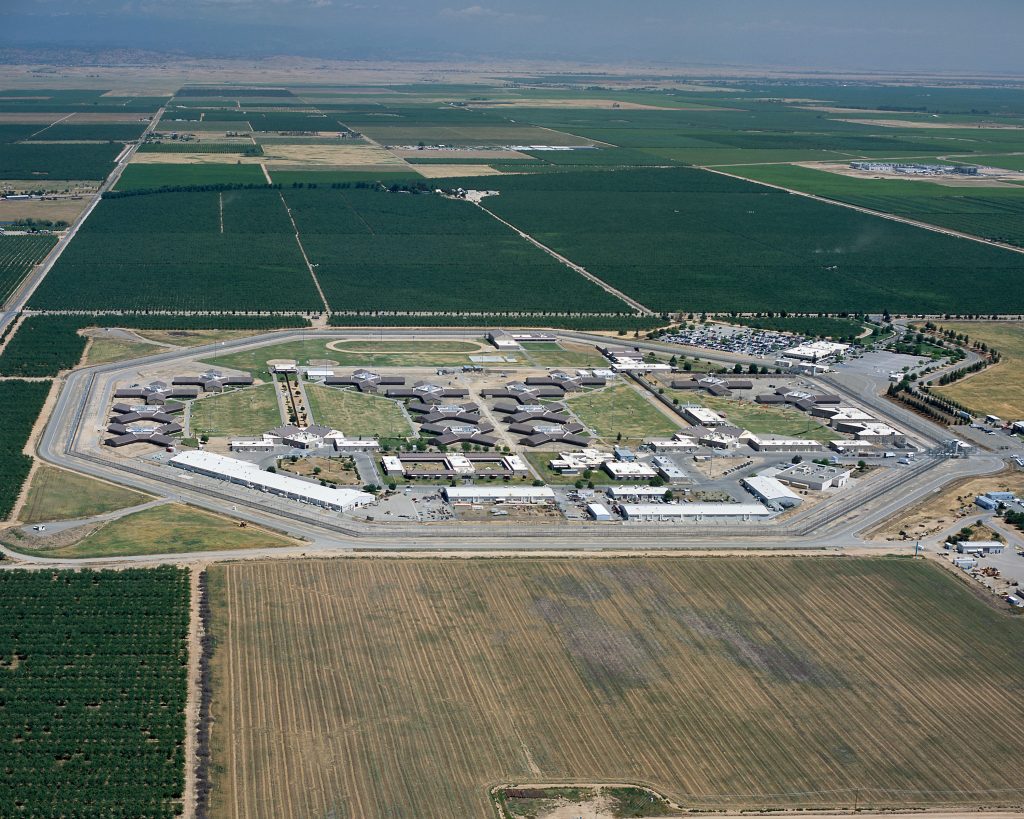
- Valley State Prison
- Salinas Valley State Prison
- Correctional Training Facility
- California Health Care Facility
- California Medical Facility
- and California Institution for Women.
Region III: Bakersfield

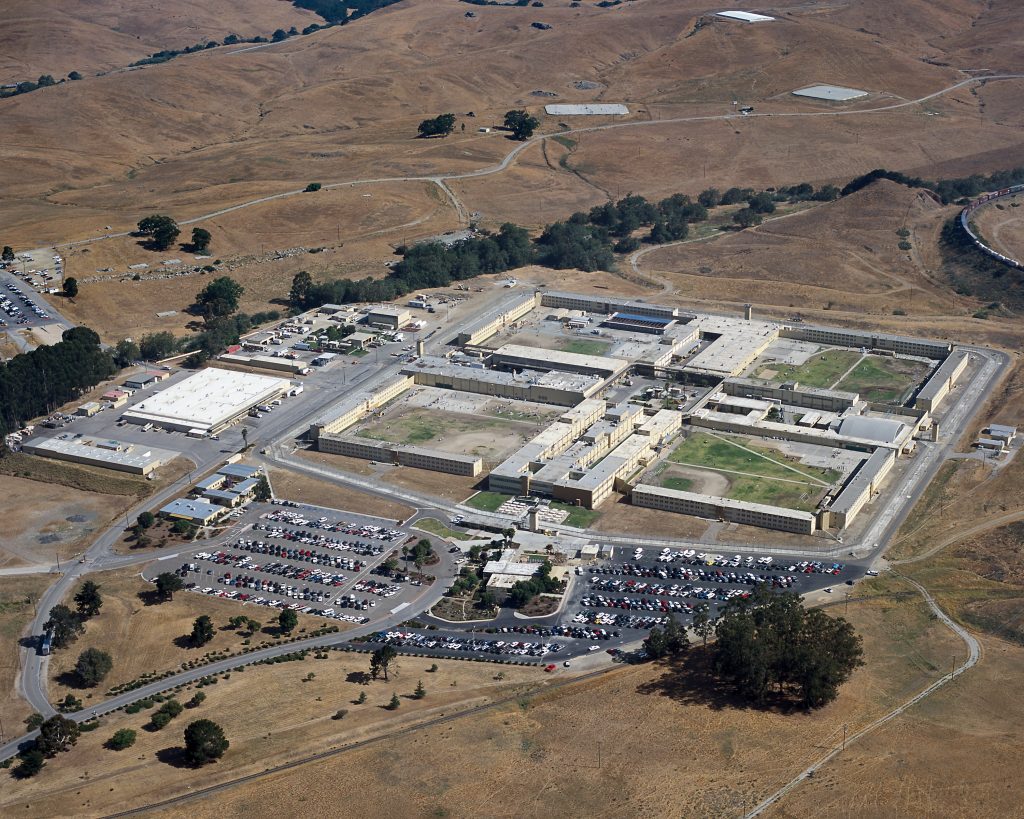
- California State Prison, Corcoran
- The Substance Abuse Treatment Facility
- Avenal State Prison
- California Men’s Colony
- Kern Valley State Prison
- North Kern State Prison
- Pleasant Valley State Prison
- and Wasco State Prison.
Region IV: Rancho Cucamonga


- Calipatria State Prison
- California Correctional Institution
- Centinela State Prison
- California Institution for Men
- California Rehabilitation Center
- Ironwood State Prison
- California State Prison, Los Angeles County
- and Richard J. Donovan Correctional Facility.
Each region will have teams supporting the institutions. This will enable faster decision-making and more focused leadership.
Key benefits of regionalization
Regionalization offers several important advantages:
- Improved Efficiency: By routing tasks like assignments, projects, and reporting through regional offices, this approach reduces delays and streamlines operations.
- Enhanced Staff Support: With leadership located closer to staff, challenges can be resolved more quickly, and consistent guidance on critical issues will be readily available.
- Better Services for Incarcerated Individuals: Health care and rehabilitative services will be coordinated at the regional level, improving program effectiveness and supporting safety and rehabilitation efforts.
- Increased Accountability and Collaboration: Regional leaders will take direct responsibility for their institutions, promoting greater collaboration across programs and facilities.
What changes will staff and institutions notice?
The transition will roll out gradually, with full implementation expected through staff attrition. Here’s what to expect:
- Reporting Changes: Wardens and hiring authorities will report to regional offices.
- New Protocols: Updates to handling reportable incidents.
- Streamlined Projects: Monthly assignments and projects will route through regional offices.
Leadership’s vision
This reorganization is about strengthening partnerships and positioning CDCR to serve better.
“We’ll be able to work together with the healthcare and rehabilitation regional leaders. To make this successful, it takes a team,” said acting Associate Director Byran Phillips.
Looking ahead
This change may bring challenges, but it represents a critical step toward modernizing CDCR’s operations. Staff, incarcerated individuals, and their families will receive regular updates to ensure transparency and address concerns.
For more information, visit our FAQ page. (Link)
By David Maldonado, Deputy Chief
Strategic Communications and External Affairs
Office of Public and Employee Communications
Video by Richard Tan, TV Specialist
Office of Public and Employee Communications
See more stories about CDCR facilities, training and jobs.
Follow CDCR on YouTube, Facebook, X (formerly Twitter). Listen to the CDCR Unlocked podcast.
Related content
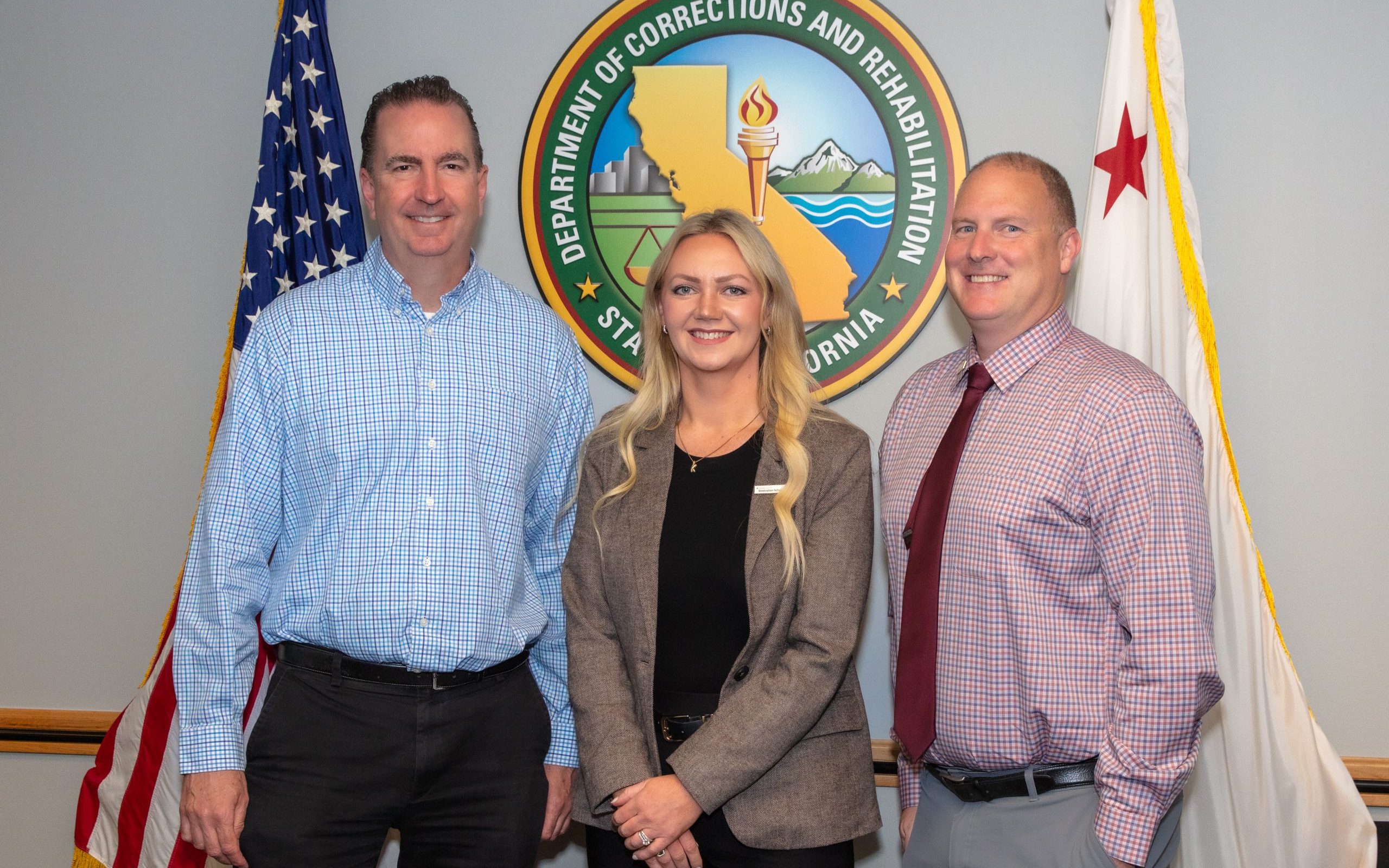
Watch: Two staff graduate Innovation Fellows program
Two CDCR employees have graduated the first cohort of the Governor’s Innovation Fellows program. Samantha Kissane and Chris Siino, both…

CSP‑Solano Honor Guard trains with CPOF
The Correctional Peace Officers Foundation (CPOF) invited the Honor Guard team from California State Prison (CSP) Solano to their annual…

VSP recruiters attend Fresno’s Support Blue Run
On behalf of the Peace Officer Recruitment Unit, Valley State Prison (VSP) recruiters proudly participated in the annual Support Blue…

Probation, education leaders tour VSP
Valley State Prison (VSP) recently welcomed probation and education leaders on tours to learn more about rehabilitation efforts. The two…
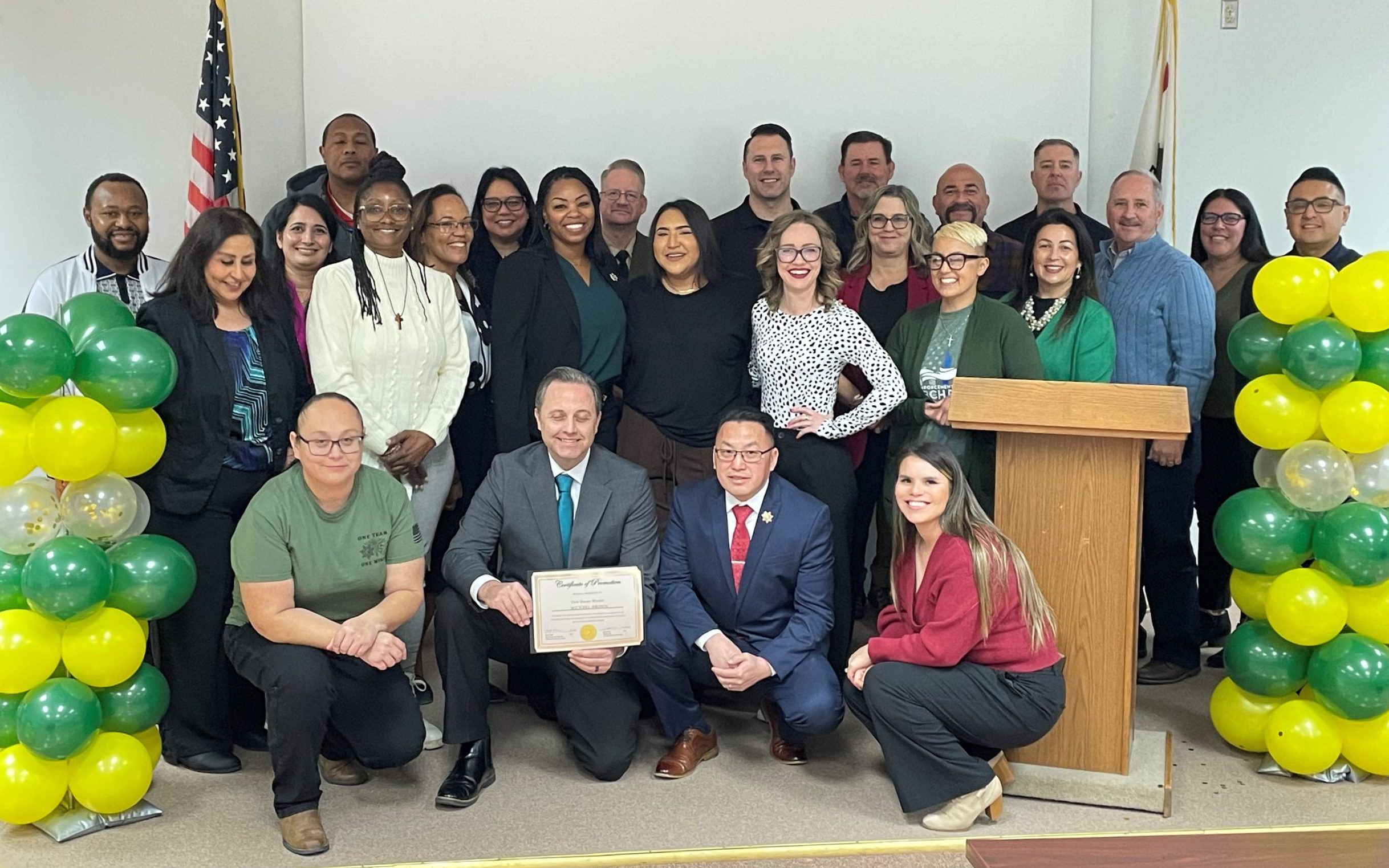
CHCF hosts second staff promotional ceremony
California Health Care Facility (CHCF) in Stockton hosted its second promotional ceremony on Friday, Feb. 20, honoring nine staff members…

Watch: CMF Fire demonstrates new rescue tools
Thanks to grants and the hard work of staff, the California Medical Facility (CMF) Fire Department now has new tools…