

April marks Second Chance Month, a nationwide effort to recognize the importance of rehabilitation and reentry for justice-involved individuals.
At CDCR this month is an opportunity to reaffirm our commitment to restoring lives through innovative programming, strong community partnerships, and a belief in the power of transformation.
What is Second Chance Month?
Second Chance Month began in 2017 as a bipartisan resolution from the U.S. Senate and has since grown into a national movement, with support from federal, state, and local agencies, nonprofits, and advocates across the country. In California, it is formally recognized each April by underscoring our state’s commitment to second chances as a cornerstone of public safety and social justice.
CDCR’s role in delivering second chances
CDCR plays a vital role in California’s reentry ecosystem by providing individuals with the tools, skills, and support needed to rebuild their lives and become contributing members of their communities. The department’s rehabilitative model emphasizes education, vocation, treatment, and reentry services throughout an individual’s incarceration and beyond.
Through the Division of Rehabilitative Programs (DRP), CDCR delivers a range of services designed to address the root causes of criminal behavior and promote long-term stability.
These include:
- Academic and Vocational Education – GED preparation, college courses, and industry-certified career training.
- Substance Use Disorder Treatment – Delivered through the Integrated Substance Use Disorder Treatment (ISUDT) program.
- Cognitive Behavioral Interventions – Evidence-based programs promoting personal responsibility and behavioral change.
“I needed this program to stay sober and to reunify with my children. I want to go back to having my own place,” said a participant in the Female Offender Treatment and Employment Program. (Read the story on the program in Pomona.)
Additional opportunities for growth and healing
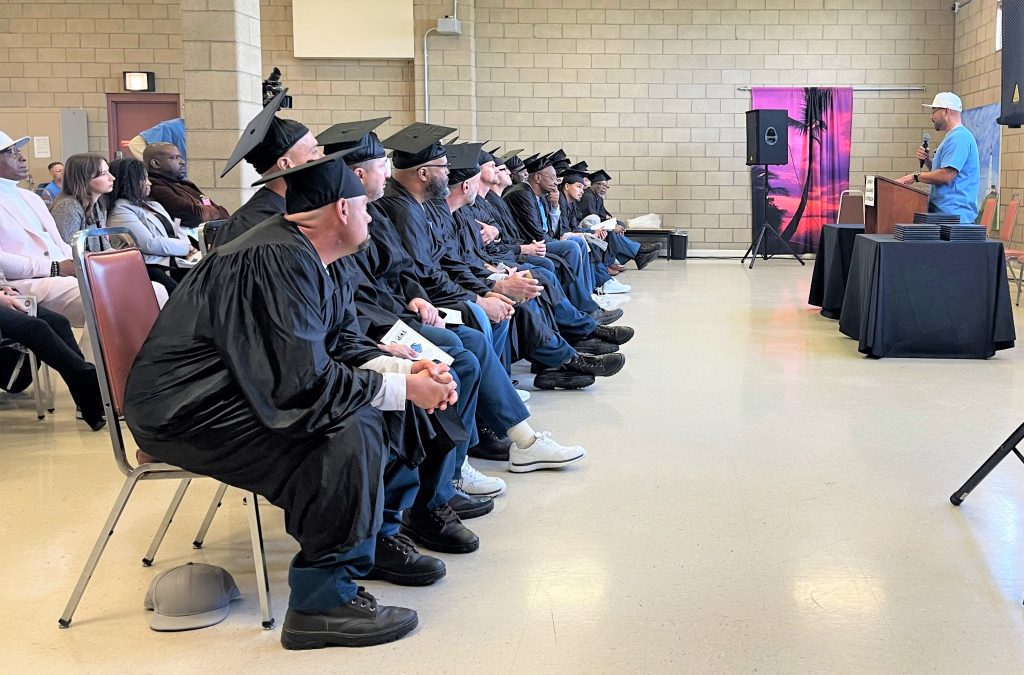
Beyond DRP, CDCR supports a variety of self-help and community-based programs facilitated by volunteers, nonprofit organizations, and peer mentors.
These groups provide opportunities for reflection, accountability, spiritual growth, and healing—essential components for individuals working to rebuild their lives.
California Correctional Health Care Services (CCHCS) also plays a key role in rehabilitation, delivering trauma-informed mental health and medical care. Their patient-centered approach ensures individuals have access to consistent treatment during incarceration and upon reentry.
Supporting success after release
Rehabilitation doesn’t end at the prison gates. The Division of Adult Parole Operations (DAPO) provides essential reentry support that helps individuals transition successfully back into their communities.
This includes:
- Transitional housing and housing navigation
- Employment connections and career coaching
- Access to health care and community resources
These efforts are strengthened through partnerships with community-based organizations, local governments, and employers across the state. Together, we’re removing barriers and opening doors to opportunity.
The California Model: Centering dignity and opportunity
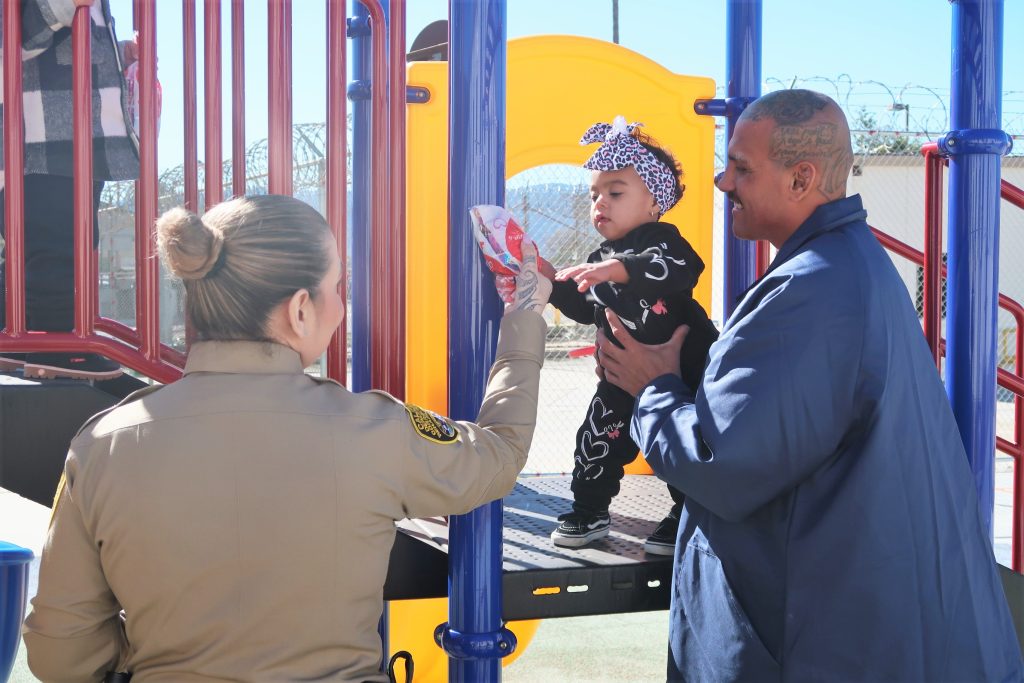
CDCR continues to implement the California Model—a values-based approach to corrections prioritizing normalization, dignity, and healing.
By investing in the humanity of those in our care, we are reducing recidivism and contributing to safer communities statewide.
As we kick off Second Chance Month, we celebrate the progress made and reaffirm our dedication to transformation and reentry.
Every second chance we support moves California closer to a safer, more just, and more compassionate future.
Story by David Maldonado, Deputy Chief
Strategic Communications and External Affairs
Office of Public and Employee Communications
Learn more about the California Model on the CDCR website.
Read more rehabilitation stories.
Follow CDCR on YouTube, Facebook, X (formerly Twitter).
Related content

Secretary leads San Quentin Learning Center tour
CDCR Secretary Jeff Macomber recently led a tour of the new San Quentin Learning Center for Governor’s Office staff and…
Read More
Winning design becomes milestone in MCRP student’s reentry
For Angel Paredes, seeing his design on thousands of Cal Poly Pomona shirts demonstrates the progress he’s made since leaving…
Read More
NKSP walks for Suicide Prevention
North Kern State Prison (NKSP) staff, leadership and the incarcerated population united to raise awareness during National Suicide Prevention Week.…
Read More