

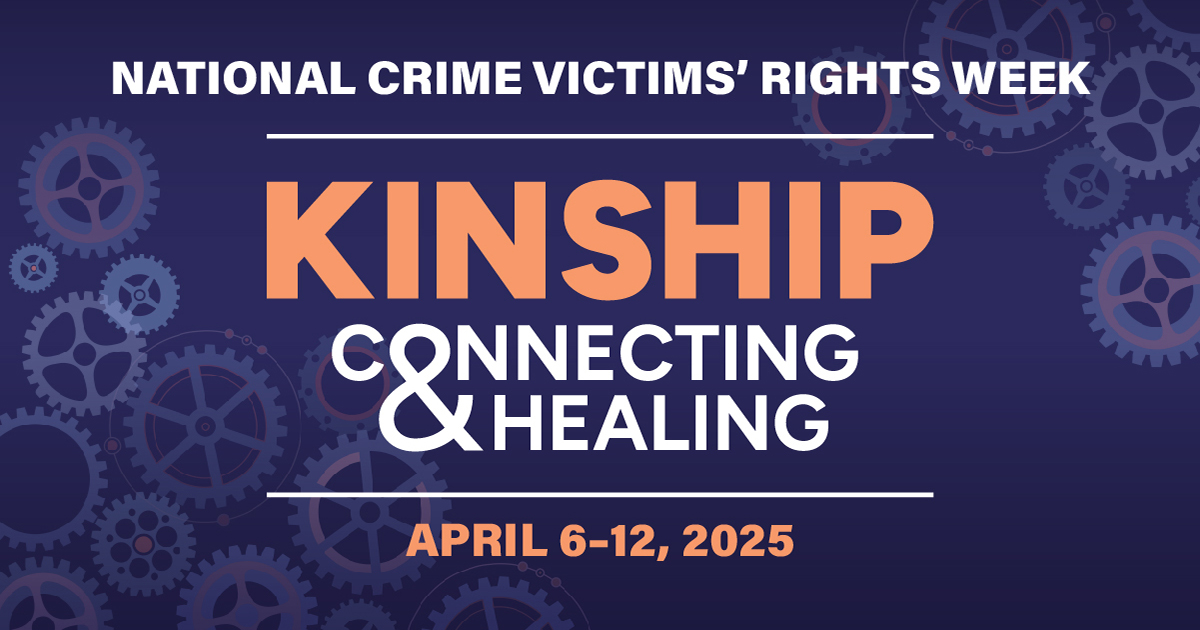
Since 1981, National Crime Victims’ Rights Week (NCVRW) has reminded us of the progress made in supporting victims of crime and the ongoing need to ensure justice and healing for all survivors. In 2025, NCVRW will be observed April 6-12 with the theme: Connecting KINSHIP Healing.
This year’s theme emphasizes the importance of shared humanity in victim advocacy. Kinship represents the meaningful connections that support healing—between victims, service providers, communities, and systems. It’s about standing with survivors, recognizing their experiences, and ensuring they have access to the rights and services they deserve.
CDCR’s commitment to survivors
CDCR remains dedicated to supporting crime victims through compassionate, trauma-informed practices. From direct support during post-conviction proceedings to restorative justice initiatives to community outreach, CDCR plays a key role in promoting accountability and honoring survivors throughout the post-conviction process.
Role of OVSRS
The Office of Victim and Survivor Rights and Services (OVSRS) within CDCR provides essential support to victims. OVSRS ensures that survivors are informed, empowered, and treated with respect. Services include victim notifications, restitution coordination, and emotional support during parole hearings and other proceedings.
By fostering connection and offering consistent support, OVSRS puts the values of kinship into practice every day.
“It is important for all of us to remind ourselves that no one asks to be a victim of a crime or is ever prepared for such a life-altering event. Victims are often overwhelmed and lost in the maze of our criminal justice system,” said Mariam El-Menshawi, Chief, Office of Victim and Survivor Rights and Services. “That is why at OVSRS we strive to provide victims with empathetic and trauma-informed support, we respect their choices about participation, and we ensure that we honor their rights as they navigate through the post-conviction stage of the criminal justice process.”
“Being in a state of KINSHIP with survivors, as the theme call for, helps drive vital connections and increase victim access to services, respect for victims’ rights, and helps to forge a path to healing. All of these are central tenants of the OVSRS mission.”
Mariam El-Menshawi, Chief, OVSRS
Recognizing NCVRW across CDCR
Institutions across CDCR will recognize NCVRW through a range of activities designed to honor victims and raise awareness about available services. Events may include staff training, victim tribute displays, informational booths, and internal or public awareness campaigns.
These efforts are all part of a continued commitment to ensuring survivors feel heard, valued, and supported.
How to get involved
Staff, partners, and members of the public are encouraged to observe NCVRW by participating in events, sharing resources, and helping amplify survivor voices. Attend local events and engage in conversations about victims’ rights are small but meaningful ways to show support.
>> Find events on the website.
Standing together
NCVRW is more than a week of recognition—it’s a call to action. CDCR and OVSRS stand with survivors, committed to advancing a justice system that centers on compassion, connection, and healing.
To learn more about victim services or how to access support, visit www.cdcr.ca.gov/victims.
Read more stories on the Office of Victim and Survivor Rights and Services.
Follow CDCR on YouTube, Facebook, X (formerly Twitter).
Related content
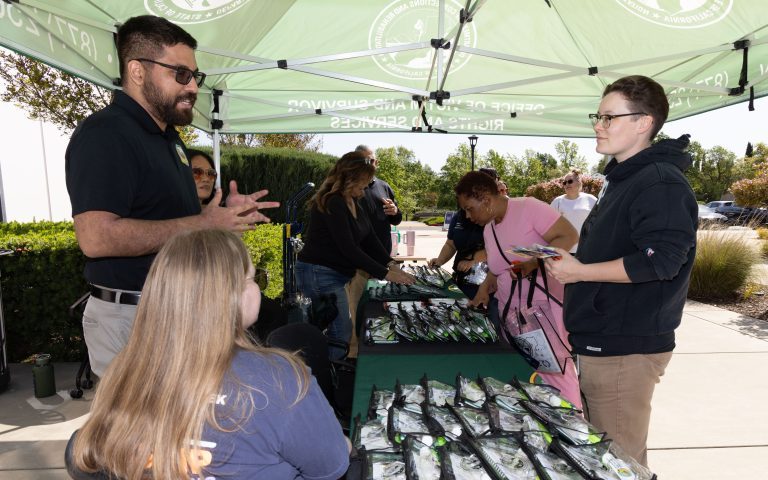
OVSRS helps victims know, access legal rights
In 2025, the Office of Victims and Survivor Rights and Services (OVSRS) contacted over 40,000 victims’ families to aid them…
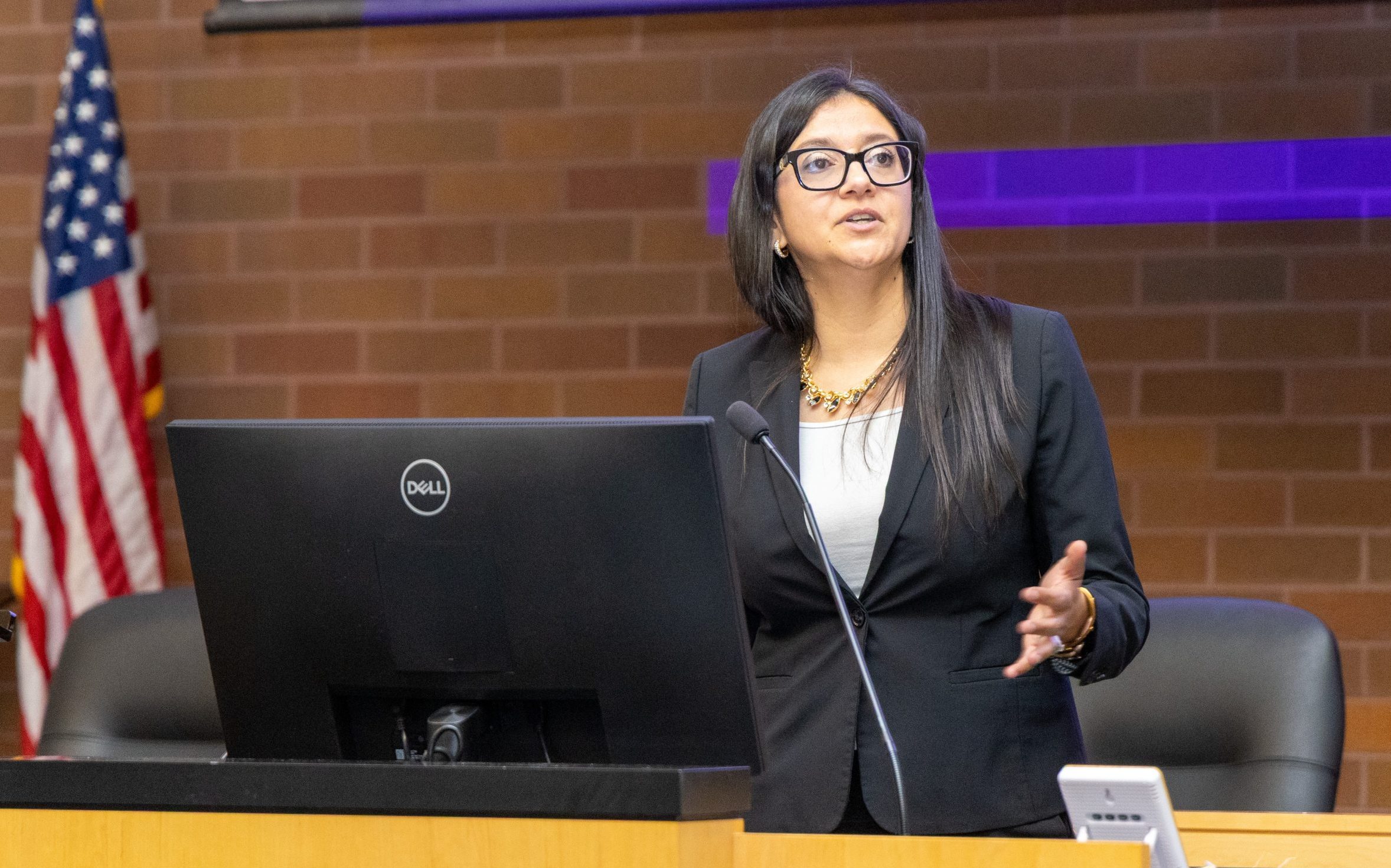
CDCR, McGeorge School of Law host Crime Victims’ Rights event
In honor of National Crime Victims’ Rights Week, the Office of Victim and Survivor Rights and Services (OVSRS) hosted a…
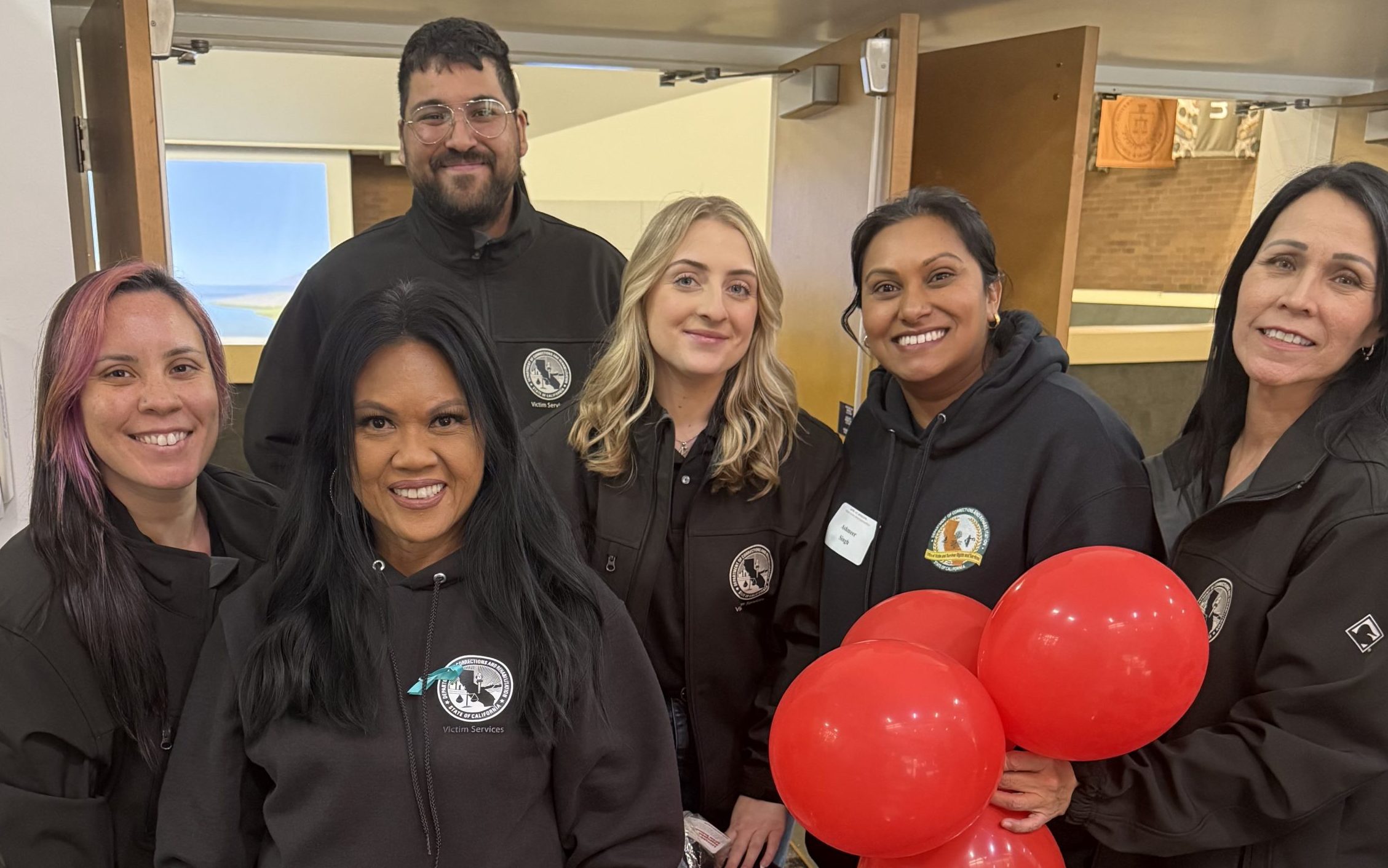
OVSRS helps victims access their legal rights
Since 1988, CDCR’s Office of Victim and Survivor Rights and Services (OVSRS) has worked to bridge gaps in accessing information…